REVIEW · OSAKA
Osaka: All-Inclusive Local Eats & Backstreets Food Tour
Book on GetYourGuide →Operated by GoWithUs Tours · Bookable on GetYourGuide
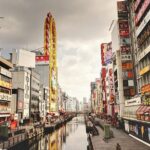
Osaka street food has a way of catching you by the sleeve. This 150-minute walk-and-eat tour is built for first-timers who want Dotonbori-style favorites and a few less-trafficked streets in between, with an English-speaking local who keeps things moving at a relaxed pace. You get a real sense of how Osaka treats food like entertainment, not just fuel.
I love that the tour is all-inclusive for the eating: up to 9 dishes plus a dessert, and one beverage (alcoholic or non-alcoholic) included in the $83 price. I also like the focus on backstreets and old-school neighborhoods, plus the way your guide ties each bite to the quirks of the city’s food culture.
One thing to think about: you’re doing a walking tour in the open, rain or shine, so comfortable shoes matter, and you’ll want to be ready for lots of food in a relatively short window.
In This Review
- Key things to know before you go
- Finding the Tour Start at Namba (FamilyMart by Exit 14)
- Why Osaka Street Food Feels Different with a Local Guide
- How the 150 Minutes Unfold: Five Tastings, Lots of Variety
- Stop 1: The long first tasting window
- Stops 2–5: Four shorter tastings with quick walks between
- Drink timing: included with your meal flow
- The Included Dishes: Kushi Katsu, Takoyaki, Butaman and More
- Kushi Katsu
- Takoyaki
- Butaman (pork buns)
- Gyoza
- Yakisoba
- Tonpeiyaki
- Dessert
- Beyond Dotonbori: Backstreets and Old-School Neighborhoods
- A Relaxed, Social Evening (Even If You Go Solo)
- Price and Value: What $83 Actually Covers
- Comfort Notes: Shoes, Umbrella, and Food Allergies
- What to Do After the Tour: Using the Tips Immediately
- Should You Book This Osaka Street-Food Tour?
- FAQ
- How long is the Osaka all-inclusive local eats and backstreets food tour?
- Where do I meet the guide?
- What food and drinks are included in the price?
- Can the tour accommodate food allergies or dietary restrictions?
- Does the tour run in bad weather?
- How big is the group?
- If I’m traveling solo, is it still offered?
Key things to know before you go
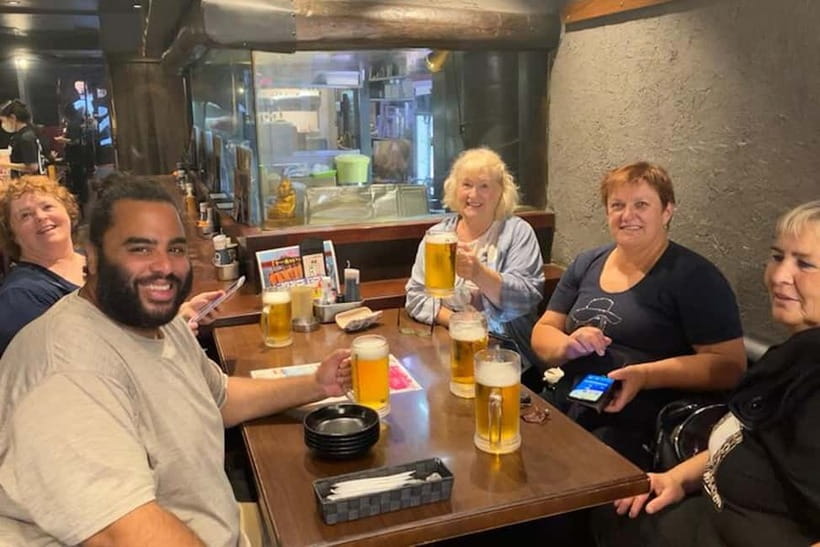
- Up to 9 savory dishes + 1 dessert and one drink included, so you’re not guessing your budget mid-tour.
- Small group (up to 10) means you’ll get attention and can ask questions without shouting over a crowd.
- Local guide who speaks English plus fluent Japanese, helpful when menus or ordering get tricky.
- Backstreets around Namba/Dotonbori are part of the point, not just the famous neon strip.
- Multiple tastings across 5 food stops keep variety high without making the night feel rushed.
- Good for solo travelers because the tour is designed to stay social, not awkward.
Finding the Tour Start at Namba (FamilyMart by Exit 14)
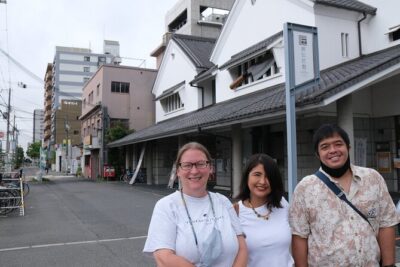
Your evening starts at FamilyMart near Namba Station Exit 14, with your guide waiting there. That’s a good setup if you’re already using the Namba area as your base, because you can arrive close to the start without navigating a maze of back alleys.
I like that the meeting point is a real storefront (FamilyMart) and not some vague landmark. In cities like Osaka, that single detail can save you time and stress—especially if you’re juggling trains, shopping streets, and dinner plans.
You can also read our reviews of more food & drink experiences in Osaka
Why Osaka Street Food Feels Different with a Local Guide
Osaka is the kind of food city where confidence matters. You can do street food on your own, sure, but a guide helps you skip the hesitation and the awkward “what is this and how do I order” moment.
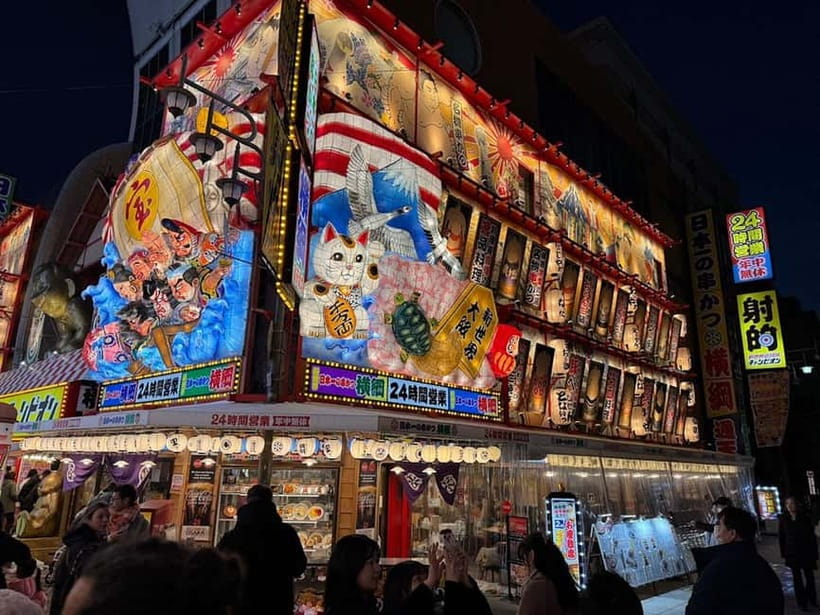
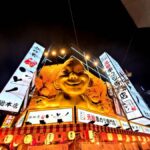
The tour also leans into the quirky, flavorful history of the Dotonbori district—the stories and small cultural details that explain why certain foods show up again and again. That context makes the night more than a snack crawl. It turns the experience into something you can remember and repeat, even after you leave the area.
And if you’ve got menu anxiety, you’ll feel better. Past participants highlighted guides like Kieran and Callum for being friendly, answering questions, and guiding people through spots they might have felt intimidated by alone. Even if you’re confident with Japanese food, having someone direct your choices is still a huge time-saver.
How the 150 Minutes Unfold: Five Tastings, Lots of Variety
This is a structured walk-and-taste route with 5 food stops spread across about 150 minutes. The pacing is practical: you don’t spend the entire night in one line or one restaurant, and you keep rotating through different flavors and textures.
Here’s the rhythm you’ll feel:
Stop 1: The long first tasting window
You’ll start with a short walk (about 5 minutes) and then settle into the first food tasting session for about 1 hour. That longer first block is useful. It lets you get grounded with how the place works—ordering style, what the portions are like, and what you should pay attention to—before the remaining stops speed up.
Stops 2–5: Four shorter tastings with quick walks between
After that, you’ll move with short on-foot connections (around 3 to 5 minutes each). The remaining food tasting windows are each about 30 minutes, giving you a steady stream of variety without turning the evening into a marathon.
Between stops, your guide also fills time with stories and local context. That matters because Osaka’s food scene can look chaotic if you’ve only seen it from the outside. When someone gives you the “why” behind the “what,” the whole night clicks faster.
You can also read our reviews of more tours and experiences in Osaka

Drink timing: included with your meal flow
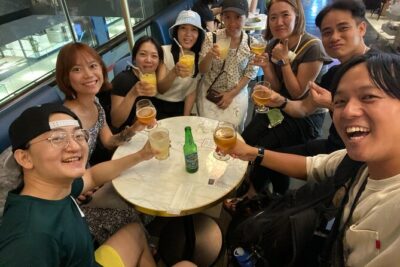
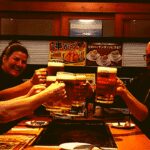
One beverage is included, and the tour allows alcoholic or non-alcoholic options. In practice, that gives you a sensible chance to match your drink to the food you’re eating instead of hunting for something after you’re already full.
The Included Dishes: Kushi Katsu, Takoyaki, Butaman and More
The headline is up to 9 authentic dishes plus 1 dessert, with specific favorites listed ahead of time. While you won’t control every exact item, the menu range is clear enough to help you decide if the tour fits your tastes.
Here are the classics you can expect somewhere across the route:
Kushi Katsu
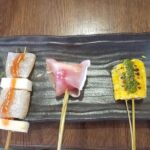
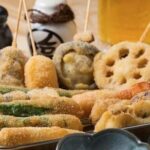
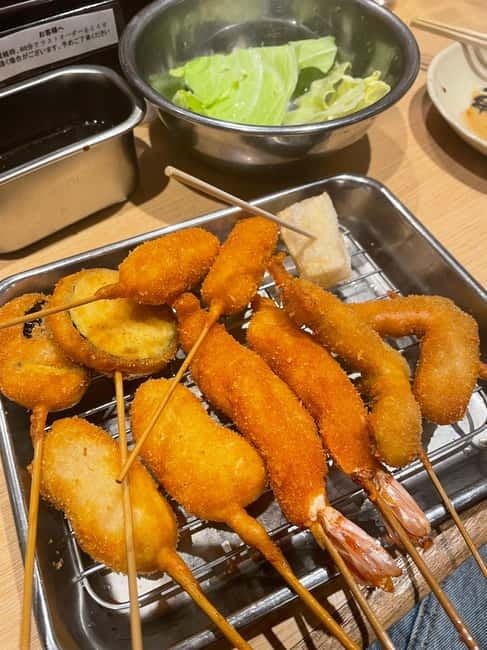
Skewered, deep-fried bites—often served with a sauce that’s part of the experience. If you like crunch, this is one of Osaka’s best entry points, and it’s also one of the easiest foods to share and compare across stops.
Takoyaki
The famous ball-shaped octopus snacks with a crispy outside and a tender interior. If you’ve seen Dotonbori’s neon and felt pulled toward the hype, this is the payoff—hands-on, warm, and made to be eaten right away.
Butaman (pork buns)
Soft, comforting buns with savory filling. This is a great balance if the fried foods start to feel heavy. It also helps the tour avoid being only snack after snack.
Gyoza
Pan-fried dumplings that give you that satisfying, crispy-meets-juicy bite. It’s a good “anchor” dish because it’s familiar enough to most people, but still clearly Japanese in flavor and texture.
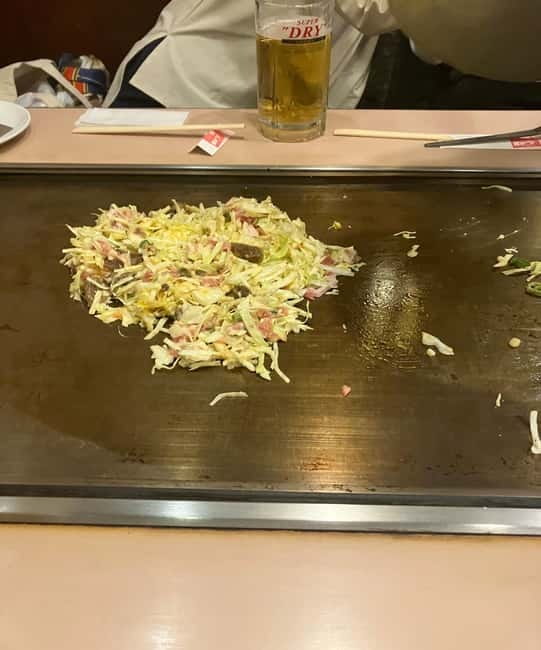
Yakisoba
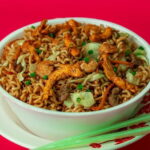
Stir-fried noodles with a distinct Osaka-style vibe. If you’re the type who likes your food salty and a little saucy, this is where the tour gets fun-fast.
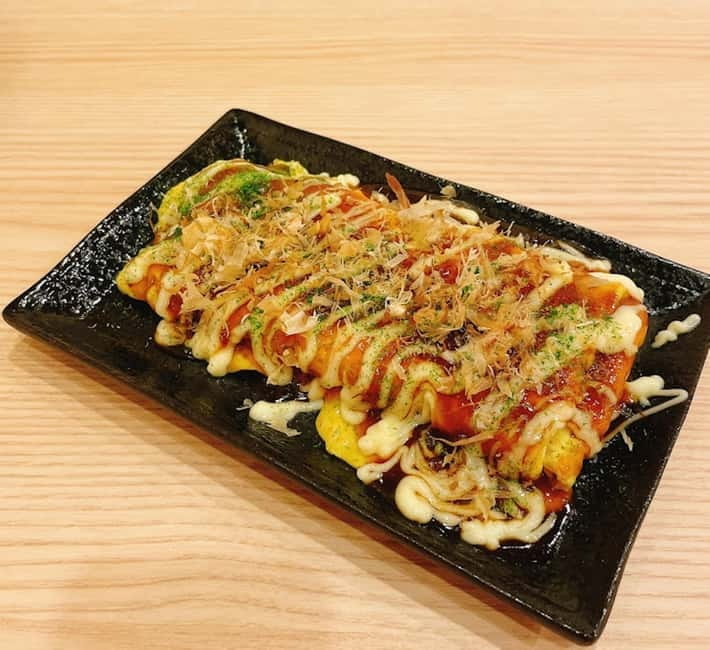
Tonpeiyaki
A regional skillet-style dish that can feel like Osaka’s version of comfort street food. It’s not as globally common as takoyaki, so it’s one of the reasons this tour can feel more rewarding than a generic street-food list.
Dessert
The tour includes one dessert, which is key on a night like this. You’ll finish with something sweet after savory-heavy bites, and it helps the whole experience end in a lighter way.
You’ll also see “and more” in the dish list, which usually means a couple of bonus items that keep things from feeling repetitive. That’s one of the hidden benefits of booking an organized tour: you’re not just repeating the two most famous foods you’ve already heard about.
Beyond Dotonbori: Backstreets and Old-School Neighborhoods
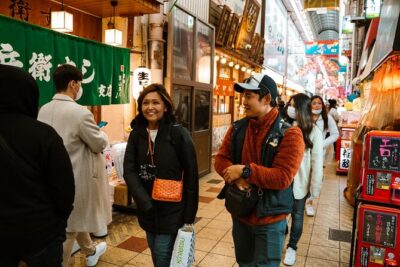
A lot of Osaka food tours stop where the camera loves it. This one tries to go beyond that with hidden backstreets and old-school neighborhoods that most tourists miss.
Why that matters: when you eat in places that aren’t built for daily photo ops, you get a different feel. You’ll notice how locals move, how shops present their food, and how the vibe changes a block or two away from the loudest lights.
Your guide also helps connect the dots between what you’re eating and the quirks of Dotonbori’s reputation. That’s useful if you want more than just “I ate takoyaki.” You’ll leave with clearer ideas about what Osaka does differently—and how to spot those patterns later on your own.
A Relaxed, Social Evening (Even If You Go Solo)
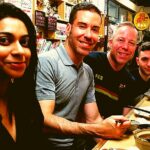
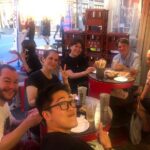
The tour is designed to feel social without being chaotic. With a maximum of 10 participants, you get a group dynamic that supports conversation, but you’re not stuck in a massive herd.
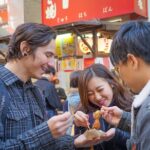
This is also a nice option for couples. You’re walking together, sharing bites, and you’re not forced into formal restaurant pacing. The evening feels like a shared adventure more than a sit-down meal.
For solo travelers, there’s an extra note worth knowing. If you’re the only guest booked, you’ll have two options: pay an additional ¥10,000 to convert to a private tour (bringing the total to ¥23,000), or cancel for a full refund. Either way, you aren’t left hanging with an unclear experience.
A tip for getting the most out of the group vibe: ask quick questions while you’re standing in the tasting line areas. That’s usually when guides have the easiest time answering without rushing the next stop.
Price and Value: What $83 Actually Covers
At $83 per person, this tour is clearly not the cheapest way to eat in Osaka. But it’s also not overpriced if you judge it the way you should judge tours: cost of food, cost of guidance, and time saved.
You’re paying for:
- Up to 9 dishes plus 1 dessert
- One included beverage
- An English-speaking local guide to handle the flow and explain what you’re eating
- Built-in pacing across multiple stops in about 150 minutes
- Tips on where to eat and drink after the tour
What’s not included is also straightforward: transportation to and from the meeting point, and anything outside the designated stops.
Here’s the value angle that convinced me: without a tour, you often end up buying only 2–4 foods that you already know. With this format, the guide nudges you toward variety, including regional options like tonpeiyaki that you might not pick on your own.
Comfort Notes: Shoes, Umbrella, and Food Allergies
This tour runs rain or shine, so plan like it might drizzle, even if the forecast looks fine. A small umbrella is a simple move that keeps the evening enjoyable, especially when you’re walking between short distances.
Because it’s on foot, comfortable shoes are non-negotiable. Even 3–5 minute walks add up when you’re repeating them across five stops. Your feet will notice.
If you have food allergies or dietary restrictions, you should inform the operator when booking. They’ll do their best to accommodate, but they also note they may not be able to guarantee alternatives for every dish, especially for gluten-free or vegan needs. That’s an important consideration. If your requirements are strict, consider asking detailed questions before booking so you can match your expectations to what’s realistic.
What to Do After the Tour: Using the Tips Immediately
One of the most practical parts is that you’ll get tips on where to eat and drink during the rest of your trip. That’s not just “here’s a list.” The value comes from understanding what to look for next, how to choose a place that fits your mood, and what kinds of dishes pair well with what you already tried.
A smart way to use those tips: before you go out for dinner, pick a single goal—something like fried crunch, noodle comfort, or a sweet finish. Then use what your guide taught you about Osaka’s food logic to decide where to go next.
Also, if you’ve got favorites from the night, remember what you liked about them: crispy texture, sauce style, or the balance of savory and sweet. That makes it easier to order confidently later.
Should You Book This Osaka Street-Food Tour?
Book it if you want a low-effort way to eat a lot of Osaka favorites with guidance, especially your first time in the Namba/Dotonbori area. The combination of up to 9 dishes, included dessert and a drink, and a small group setup is a strong match for people who want variety without planning every stop.
Skip it or think twice if you’re very sensitive to walking in light rain, or if your diet is so restricted that you need guaranteed alternatives for specific allergens like gluten or strict vegan needs. In those cases, you’ll want to confirm what can realistically be offered before you commit.
If you’re deciding between DIY street food and a guided route, this tour is a good “middle path”: you’ll still feel like you’re eating like a local, but you won’t have to gamble on menus, pacing, or which shops are right for your appetite.
FAQ
How long is the Osaka all-inclusive local eats and backstreets food tour?
The tour lasts 150 minutes.
Where do I meet the guide?
Meet at FamilyMart, at Namba Station Exit 14, where the guide will be waiting.
What food and drinks are included in the price?
You’ll receive up to 9 authentic local dishes, 1 dessert, and one beverage (alcoholic or non-alcoholic), all included.
Can the tour accommodate food allergies or dietary restrictions?
You should inform the provider when booking. They will do their best to accommodate, but they may not be able to guarantee alternatives for every dish, especially for gluten-free or vegan needs.
Does the tour run in bad weather?
Yes. The tour runs rain or shine, so bringing an umbrella is recommended.
How big is the group?
The group is small, limited to 10 participants.
If I’m traveling solo, is it still offered?
Yes, and if you’re the only guest booked, you’ll have two options: pay an additional ¥10,000 for a private tour (total ¥23,000) or cancel for a full refund.