REVIEW · NAMBA
From Osaka/Kyoto: Kyoto & Nara Day Trip with Optional Lunch
Book on Viator →Operated by VIP Japan Tours · Bookable on Viator
One day, three iconic Japan stops. I like this tour for packing Arashiyama, Nara, and Fushimi Inari into one smooth schedule with an English/Chinese guide and an air-conditioned bus. You also get an optional lunch at Kyoto Wasabi, where you can choose dishes like Kobe beef shabu-shabu, pork shabu-shabu, a Kobe beef rice bowl, or Kobe beef sukiyaki.
One thing to weigh first: this is a long day, and the timing can feel tight if you get stuck in crowds or if you’re slowed down by heat.
In This Review
- Key highlights you’ll feel right away
- Why this Kyoto + Nara day trip works (and for whom it’s ideal)
- Price and value: what you’re really paying for
- Morning setup in Osaka or Kyoto: meeting points and timing
- Arashiyama Bamboo Forest and Tenryu-ji: the calm before the crowds
- The Arashiyama add-ons: bridges, villas, art stops, and options
- Kyoto break and lunch at Kyoto Wasabi: where the day slows down
- Nara Park and Todai-ji: deer, big wood, and the 15-meter Great Buddha
- Fushimi Inari Taisha: torii gates and choosing how far to walk
- The bus ride experience: comfort helps, but it’s still time on wheels
- What the guides can change: good energy vs. communication hiccups
- Luggage and comfort rules: the small details that save stress
- Weather and schedule changes: what to expect on real Japan days
- Who should book this Kyoto Nara day trip?
- Should you book? My honest take
- FAQ
- Is lunch included in the tour price?
- Do I have to pay to enter Todai-ji Temple?
- How long is the day trip?
- What language is the guide?
- Is hotel pickup and drop-off included?
- How do I get my ticket?
- What if I arrive late to the meeting point?
- How is luggage stored?
- Are the main stops admission-free?
Key highlights you’ll feel right away
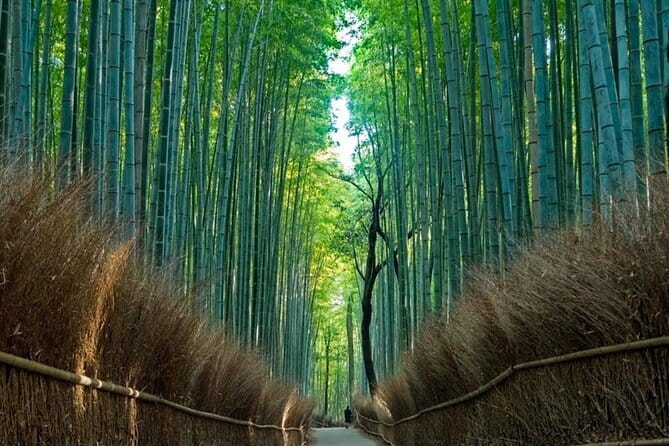
- Arashiyama Bamboo Forest + Tenryu-ji area: iconic photo views paired with temple calm
- Nara Park and Todai-ji timing: built-in time for deer feeding and the Great Buddha
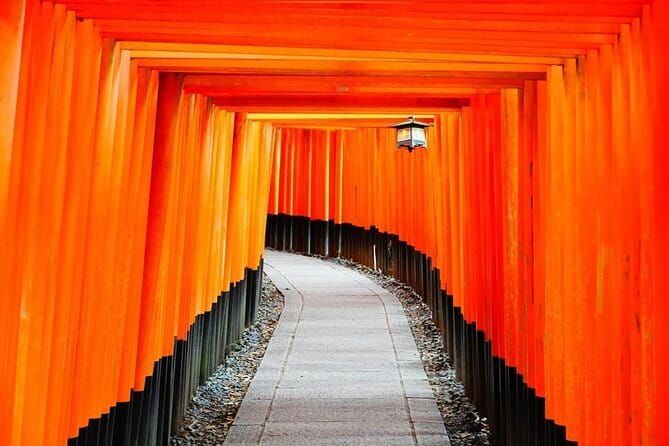
- Fushimi Inari torii gates: a classic route where you can choose how far you go
- Optional Kobe-beef lunch at Kyoto Wasabi: multiple meat/format choices in one set break
- Smaller group size (up to 49): usually easier to manage than huge mega-buses
- Mobile ticket: less fuss getting started
Why this Kyoto + Nara day trip works (and for whom it’s ideal)
If it’s your first time in Kansai and you want the big hitters without playing transit roulette all day, this tour format makes sense. You’re not just sightseeing—you’re being guided to the right areas at the right time, then let loose briefly to wander and take photos.
The best fit is you if you want a first-pass overview: bamboo in Arashiyama, deer and Todai-ji in Nara, and torii gates in Fushimi Inari. It’s also handy if you don’t want to plan train transfers or figure out where to park in Kyoto traffic.
The tradeoff is pace. The tour runs about 9–10 hours, and the stops are designed to hit multiple “must-sees.” That’s great for getting coverage, but it can feel rushed if you prefer slow travel, long museum time, or lots of browsing in side streets.
You can also read our reviews of more tours and experiences in Namba.

Price and value: what you’re really paying for
At $68.03 per person, you’re mainly paying for transportation, guide commentary, and the “get-it-done” structure. The itinerary lists multiple stops as free-admission areas, and the tour includes all fees and taxes (the one big “maybe” is the optional entrance fee for Todai-ji).
Where the value shows up:
- You’re using one bus for multiple cities/zones, not hopping between them on your own.
- You get an English or Chinese speaking guide plus air-conditioned comfort during travel breaks.
- You avoid most planning stress: meeting points, timing, and stop coordination are handled.
Where the value can wobble:
- It’s still a group tour, so your freedom is shaped by departure times back to the bus.
- Optional lunch costs extra (though it’s priced as part of the experience, not just a random recommendation).
- If you’re the type who wants extra time in one place, the schedule may feel like it’s always moving to the next “headline.”
Morning setup in Osaka or Kyoto: meeting points and timing
This tour starts from either Osaka or Kyoto (depending on your selected meeting location), and you’ll board an air-conditioned vehicle with a guide. There’s a mobile ticket, and the tour day is built around strict departures.
Here’s what matters most for a smooth start:
- Arrive 10 minutes before departure at your exact meeting point.
- The bus departs on time with no exceptions.
- If you show up late or at the wrong location, you may miss the tour—and refunds aren’t issued for that.
I like that the operator is explicit about the rules. In Japan, “on time” is not a suggestion. If you’re cautious with timing, you’ll probably feel more relaxed than you would on a self-guided day trip.
Arashiyama Bamboo Forest and Tenryu-ji: the calm before the crowds
Arashiyama is the emotional opener of the whole day. You start at the Bamboo Forest, where sunlight filters through tall stalks and gives that “this can’t be real” look people chase in photos. This stop is listed with free admission and about 1 hour 20 minutes, which is enough time to walk the main paths and take pictures without feeling totally rushed.
What I like about this stop in a group format:
- The guided entry helps you get oriented quickly, so you spend your time walking, not figuring out where to stand.
- Arashiyama isn’t just bamboo—nearby you’ll also be in the Tenryu-ji zone. Tenryu-ji is part of the Rinzai Zen tradition, and the temple setting makes the bamboo experience feel less like a theme-park line and more like a real place.
A practical note: Arashiyama can get busy, so if you’re sensitive to crowds, consider moving with your guide early, then slow down for your photos once you’re through the densest area.
The Arashiyama add-ons: bridges, villas, art stops, and options
Beyond the main bamboo stroll, the itinerary mentions several possible sights in the Arashiyama area. You might see or be routed near:
- Togetsukyō Bridge (Moon-Crossing Bridge) over the Katsura River
- Ōkōchi Sansō (the former home and garden of actor Denjirō Ōkōchi), known for views and gardens
- Yusai-tei, tied to a modern art gallery and a hands-on kimono-dyeing workshop
- Iwatayama Monkey Park, accessed from the opposite side of the river and known for a resident troop
These aren’t all guaranteed in the same way for every day, but the structure is designed so you get a mix of nature + traditional atmosphere + photo moments. This is one reason the tour works even if you’ve seen one “must-see” online—you’ll likely find multiple angles in person.
You can also read our reviews of more tours and experiences in Namba

Kyoto break and lunch at Kyoto Wasabi: where the day slows down
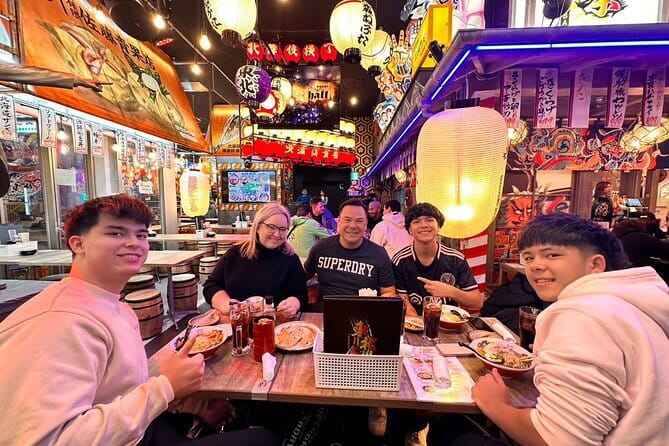
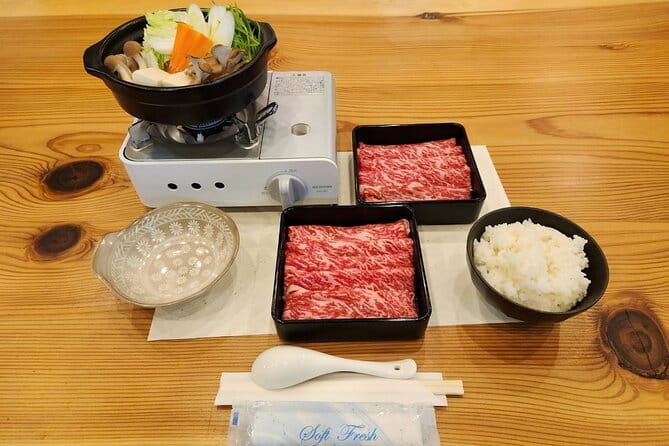
Midday, you’ll head to Kyoto for a restaurant stop at Kyoto Wasabi Restaurant, described as a centuries-old Kyoto townhouse welcoming guests for over 120 years. The stop time is around 50 minutes.
If you pre-select the optional meal, this is where the tour turns from “sightseeing bus day” into an actual Kyoto experience. Your choice includes:
- Kobe beef shabu-shabu
- Pork shabu-shabu
- Kobe beef rice bowl
- Kobe beef sukiyaki
I like meal options where you can pick your style. Shabu-shabu and sukiyaki are comforting after morning walking, and a set lunch also prevents that common problem on group tours where everyone’s searching for food at once.
One warning: wear shoes that can handle lots of walking. Even on a well-timed tour, you’ll still be moving between stops and negotiating small distances.
Nara Park and Todai-ji: deer, big wood, and the 15-meter Great Buddha
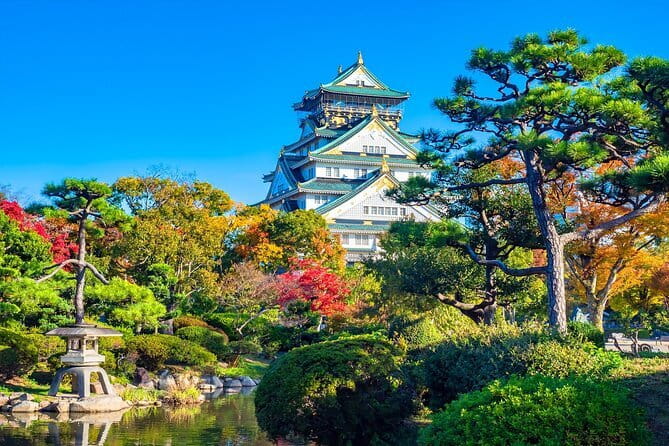
Then comes Nara, the old capital energy shift. You’ll visit Nara Park and Todai-ji Temple (Todai-ji entrance fee is optional, so you’ll decide on the day).
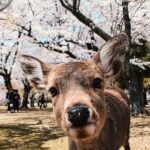
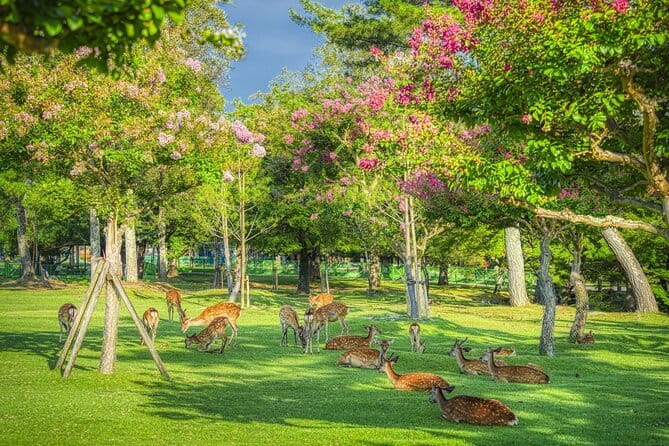
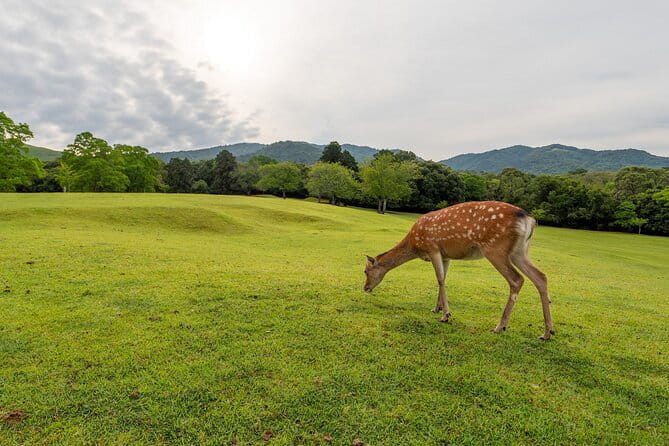
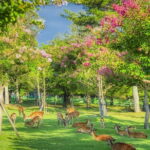
This is a top reason people love this tour: Nara Park is the deer experience in its most famous form. If you’re comfortable with it, you’ll get the full “feed the deer” vibe right in the park atmosphere.
Todai-ji is where scale hits you. The site is listed as the largest wooden structure in the world, and the Great Buddha is described as about 15 meters tall. That kind of size turns a temple visit into a “stop and stare” moment, not just another photo.
Time matters here. The itinerary allocates about 1 hour 20 minutes for the Nara Park / Todai-ji area. That’s usually enough to:
- enjoy the deer activity,
- walk to the temple area,
- and see the Great Buddha without trying to cram a second full temple circuit.
If you’re an ultra-temple fan, you’ll probably want more time and may feel a little “patterned.” If you’re more interested in highlights, this timing is a smart compromise.
Fushimi Inari Taisha: torii gates and choosing how far to walk
At the end of the day, you’ll finish at Fushimi Inari Taisha, famous for its thousands of vermilion torii gates climbing Mount Inari. This stop is also listed with free admission and about 1 hour 20 minutes.
Here’s how I suggest you use the time:
- Walk far enough to get the gate tunnel effect clearly in your photos.
- Don’t feel obligated to “complete the whole mountain” unless you still have energy and the crowd flow is working for you.
- If you hate long climbs, aim for an early turnaround point where the view is still strong.
Because it’s a walking attraction, this stop rewards you if you pace yourself. It also pairs well with a group tour: you’ll arrive when most people are still moving, and you can head back to the bus without worrying about getting lost.
The bus ride experience: comfort helps, but it’s still time on wheels
The tour includes an air-conditioned vehicle, and for a day like this that’s more than a nice perk—it changes how you feel at every stop. You’ll spend time between Kyoto zones and Nara, and comfort matters when you’re out walking later.
Still, a key drawback shows up in the pattern of this kind of itinerary: each stop is about an hour, so you’re always trading exploration time for getting to the next highlight. Some days feel efficient; other days—traffic, crowds, or heat—make the in-between travel longer.
So my practical advice is simple:
- Keep expectations aligned with “major sights day.”
- Plan to spend your energy inside the areas with the highest payoff (bamboo paths, Todai-ji viewpoint, torii gate corridor).
- If you arrive at a stop and it’s already a wall of people, adjust quickly rather than losing half your stop time waiting.
What the guides can change: good energy vs. communication hiccups
Guide quality can make or break a long day. In the experience pool around this tour, you’ll see names like Nick-san, Amanda, Harry, Eric, and Gary referenced as highlights—often for keeping energy up and giving helpful directions during tight timing.
I take two lessons from that:
- A good guide helps you use the clock better, especially at crowded places like Arashiyama and Fushimi Inari.
- Communication style matters. The tour uses messaging tools like WhatsApp in addition to on-site commentary, and that can help you stay on track if you read messages promptly.
The opposite side also exists. A small number of experiences highlight issues like rushing, not meeting expectations on itinerary adherence, or uncomfortable bus conditions in extreme heat. That’s not something you can fully predict, but it’s a reason I recommend booking with a flexible mindset—and good shoes, hydration, and a plan for short stop times.
Luggage and comfort rules: the small details that save stress
You’re allowed one piece of luggage per person stored in the trunk. The size guideline is strict: the trunk storage maximum should not exceed 155 cm total across height, width, and depth. Also, any luggage stored in the trunk isn’t accessible between stops—keep valuables with you.
This matters because you’ll do stop-and-walk sightseeing. If you bring more than you need, you’ll spend your day managing your bag instead of the sights.
Weather and schedule changes: what to expect on real Japan days
The tour requires good weather. If it’s cancelled due to poor weather, you’ll be offered a different date or a full refund. The schedule may change without prior notice because of weather, road traffic, or other conditions.
One thing I respect here is the clarity: the tour departs regardless of weather or traffic unless notified otherwise. That means you should pack for that reality—especially if you’re traveling in hot or humid months.
If you’re traveling during summer, don’t treat the day as “mostly outside all day.” You’ll walk outside, but you’ll also be on buses. Bring water, sunscreen, and something light for sudden sun exposure.
Who should book this Kyoto Nara day trip?
This tour is a good match if you:
- want the big three sights (Arashiyama bamboo, Nara deer/Todai-ji, Fushimi Inari torii) in one go,
- prefer someone else handling logistics and timing,
- like the idea of an optional Kobe beef lunch in Kyoto at Kyoto Wasabi,
- are okay with a highlights pace rather than a slow, neighborhood-by-neighborhood day.
I’d be more cautious if you:
- hate tight return times and walking distance,
- want long sits at temples or big museum-style exploring,
- are traveling during peak heat and plan to take things slowly (you may end up feeling “stuck” inside crowds or in lines).
Should you book? My honest take
If you’re using Kyoto as a base and you want maximum highlights with minimal planning, I’d say yes. The combination of Arashiyama’s bamboo opening, Nara’s deer-and-temple scale, and Fushimi Inari’s torii gate climb is a classic first-timer route—and doing it by organized bus is usually the fastest way to make it happen in one day.
But if you’re the kind of traveler who wants deep wandering and lots of unplanned detours, you might feel constrained. This is best seen as a “great hits” day, not a slow art-and-alley day.
My final suggestion: book it if your priorities are the headline icons. Pair it with a less-structured day later in Kyoto where you can linger.
FAQ
Is lunch included in the tour price?
Lunch is not included by default. The tour offers an optional lunch at Kyoto Wasabi Restaurant, with choices such as Kobe beef shabu-shabu, pork shabu-shabu, Kobe beef rice bowl, or Kobe beef sukiyaki.
Do I have to pay to enter Todai-ji Temple?
Todai-ji entrance fee is listed as optional and not included. The tour includes the visit time, but the entrance cost is something you decide on.
How long is the day trip?
The duration is about 9 to 10 hours.
What language is the guide?
You’ll get English or Chinese speaking guide commentary.
Is hotel pickup and drop-off included?
No. Hotel pickup/drop-off isn’t included, so you’ll need to meet the group at your selected meeting point.
How do I get my ticket?
You’ll receive a mobile ticket.
What if I arrive late to the meeting point?
You should arrive 10 minutes before departure. The bus leaves on time and refunds aren’t issued if you miss the tour due to late or wrong arrival.
How is luggage stored?
You can bring one piece of luggage per person stored in the vehicle trunk. The size guideline is that the luggage should fit within 155 cm total across height, width, and depth, and you won’t be able to access it between stops.
Are the main stops admission-free?
The itinerary lists admission ticket free for stops like Arashiyama Bamboo Forest, Nara Park area, and Fushimi Inari. Todai-ji entrance is noted as optional and not included.