REVIEW · OSAKA
Samurai Show, Tea Ceremony, Japanese Traditional Activities
Book on Viator →Operated by 道-michi- · Bookable on Viator
Samurai drama, tea steam, and calligraphy hands-on. This Osaka experience is interesting because it bundles a staged samurai performance with real hands-on workshops like tea ceremony and calligraphy, plus traditional music in a big indoor setting. I like that you are not just watching. You’re doing.
My second big plus is the way the staff guide you through each activity with clear English support, so the cultural parts don’t feel like a mystery. Names you may hear in the room include Yui and Miyu, and the tone is friendly and encouraging.
One consideration: the base ticket does not include samurai armor or a kimono, so if you want costume immersion, plan on an upgrade cost. The samurai segment is fun for many people, but a small number of folks feel it leans more performance than historical reenactment.
In This Review
- Key highlights to look for
- Samurai show plus tea and calligraphy: why this mix works in Osaka
- Price and what is really included in the $44.92 ticket
- Dotombori to the big facility: how the timing usually feels
- Tea ceremony practice: making green tea and learning the etiquette
- Calligraphy in Osaka: writing with help and taking something home
- Samurai performance and joined-in drills: safe, theatrical, and surprisingly fun
- Traditional music segments: play instruments, not just watch them
- Optional upgrades: kimono and samurai attire (when it’s worth the money)
- Small group energy: staff help, English support, and good flow
- Who should book this experience in Osaka, and who should consider something else
- Practical tips to make your afternoon smoother
- Should you book Samurai Show, Tea Ceremony, Japanese Traditional Activities in Osaka?
- FAQ
- How long is the Samurai show, tea ceremony, and calligraphy experience?
- What’s included in the $44.92 per person ticket?
- Are samurai armor and kimono included?
- Where does the experience start and end?
- Is the tour indoors?
- What happens if the weather is poor?
Key highlights to look for
- Tea ceremony where you actually participate, not just sit and watch
- Calligraphy practice with something personal you can take home
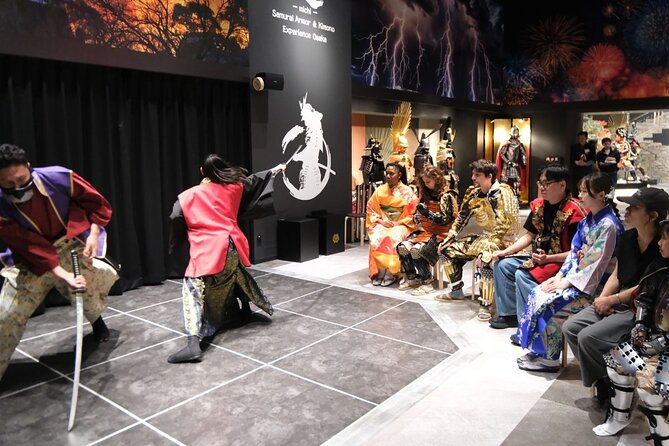
- Samurai show plus joined-in drills, using safe, non-real sword action
- Traditional music segments with chances to play or practice with instruments
- Small group size (max 20) which keeps the experience from feeling rushed
Samurai show plus tea and calligraphy: why this mix works in Osaka
Osaka is great for food, neon, and day trips. But if you want culture without the stress of planning multiple lessons across town, this format makes sense. You get a compact program that moves from tea etiquette to calligraphy to music and then into samurai-style showmanship.
The real win is pacing. You’re seated, you’re up and moving, and you’re hands-on in short chunks. That keeps energy up, especially if you’re doing it on a rainy afternoon.
Another smart detail: it’s in a big indoor facility. That means you’re not gambling on Osaka weather while trying to enjoy “traditional Japan.”
You can also read our reviews of more tours and experiences in Osaka


Price and what is really included in the $44.92 ticket
At $44.92 per person, the value comes from the number of distinct experiences you get in one sitting. The included ticket covers: a tea ceremony experience, a calligraphy experience, traditional Japanese music, and a samurai performance.
Here’s what’s not included: samurai armor, kimono, and ninjya (listed as not included). So if the headline image in your head includes full costume immersion, you’ll want to treat the base ticket as the cultural activities core, with costuming as an add-on.
In practical terms, you’re paying for time, instruction, and a staged show setup. That’s different from a single museum entry. If you like doing rather than just looking, this price is easier to justify.
Dotombori to the big facility: how the timing usually feels
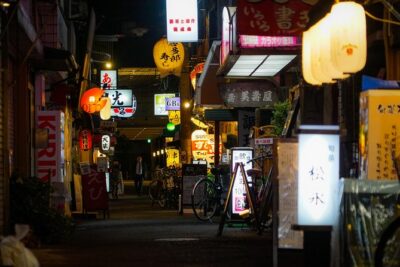
Your tour starts at Shinsaibashi ARTY Inn (2-chōme-17-3 Nishishinsaibashi, Chuo Ward) and ends back there. The itinerary lists a stop at Dotombori, so you’ll likely get at least a quick orientation moment in the area before you head into the main venue.
The program runs about 2 hours 30 minutes (and plan closer to 3 hours if your group is thorough with photos and questions). One of the nice things about a fixed schedule is that you don’t have to guess how long tea training or calligraphy will take. You’ll get a sequence, and the staff keep you moving station to station.
Also, the group size is capped at 20 travelers. That matters for hands-on activities, because it reduces the waiting time and makes it easier for instructors to help you directly.
Tea ceremony practice: making green tea and learning the etiquette
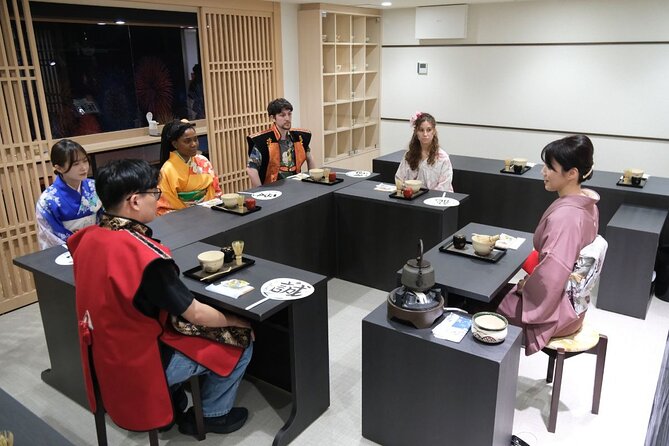
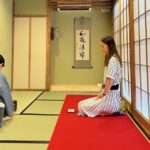
The tea ceremony section is a centerpiece of this tour. You’re not just handed a cup. You get the steps and the meaning behind the gestures, then you practice in a way that makes the etiquette feel less like rules and more like rhythm.
One reason this hits well for first-timers: the tea ceremony is slow on purpose. That’s a break from Osaka’s fast pace. It also makes you more aware of details you’d normally ignore, like how you handle the serving tools and how the host’s pace sets the mood.
If you want a souvenir that isn’t a trinket, tea culture delivers something better: a repeatable experience. Even after the lesson, you’ll likely remember the basic flow when you see matcha or tea service later in the trip.
Calligraphy in Osaka: writing with help and taking something home
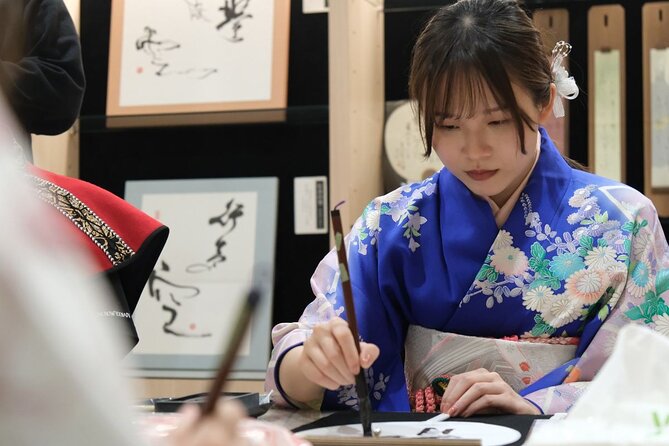
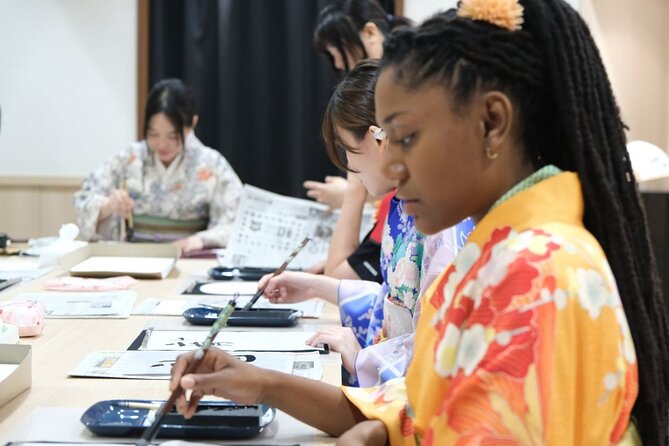
Calligraphy sounds intimidating until someone shows you what to do with your hands. In this program, the calligraphy experience is built to be friendly and doable, even if you’ve never held a brush in your life.
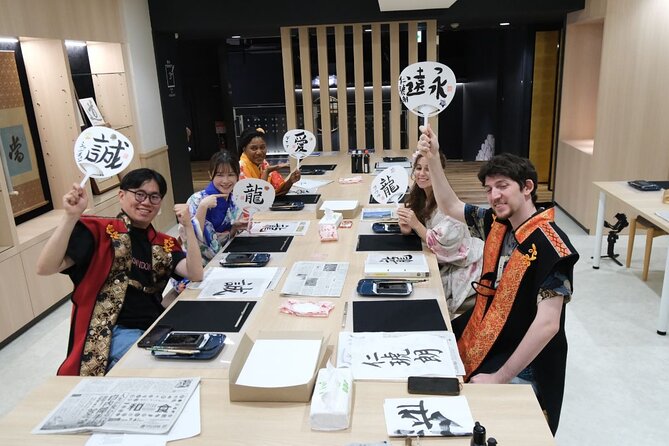
You also get a take-home item. One review experience described getting a personalized fan through the calligraphy portion, which is a great way to make the activity feel real instead of temporary.
What I like about calligraphy here is the structure. You’re guided through the process, then you create something with your name or chosen character. That gives you a personal memory you can bring back to your desk or kitchen.





Samurai performance and joined-in drills: safe, theatrical, and surprisingly fun
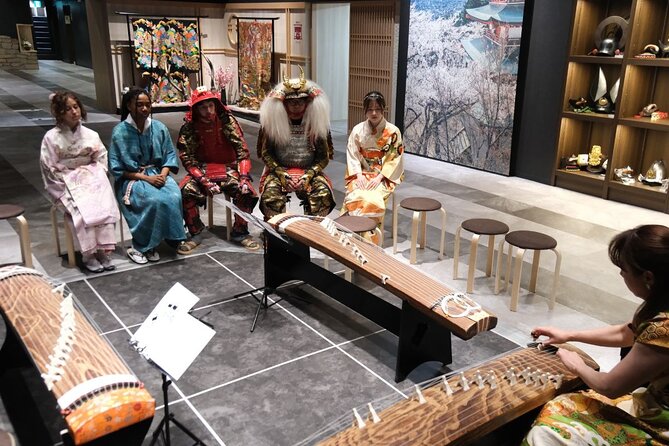
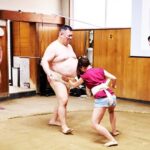
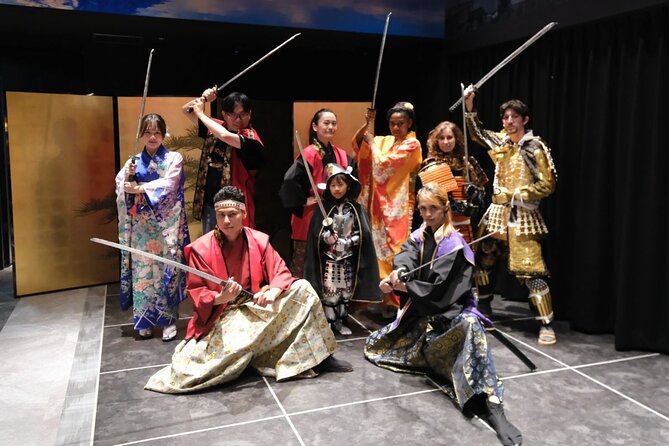
The samurai part is staged entertainment, not a battlefield history lecture. Expect drama, choreography, and the chance to join in with safe movements. Importantly, the sword action is described as not real swords, which helps keep the tone family-friendly.
A big advantage of the show format is that it teaches body language you can’t learn from a textbook. You learn how stances and timing build impact, and you get a chance to try basic moves while performers keep things light.
Some people love this as pure fun. A few others want more historical depth, so if you’re the type who expects strict reenactment, treat the samurai show as theater plus playful participation, not a full study of armor and warfare.
Traditional music segments: play instruments, not just watch them
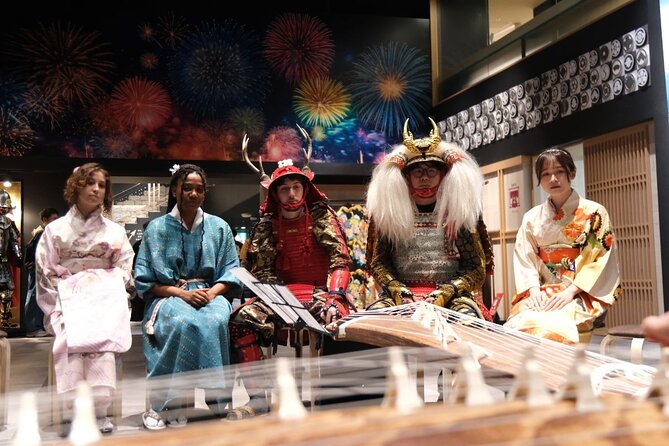
After tea and calligraphy, the program shifts into traditional music. This is where you can feel the tour’s real strength: you don’t only listen. You get moments to practice.
In the experiences shared, the program includes hands-on time with native-style instruments, with mentions of things like a Japanese harp and Japanese flute. There are also segments involving instruments that feel like a Japanese guitar and a complex traditional keyboard/piano-style performance.
Even if you don’t become a musician in one afternoon, the “try it” portion matters. It turns traditional music from background culture into something you can understand through your own hands.
If you’re traveling with kids or anyone who gets bored by lectures, this section often becomes the favorite because it turns attention into action.
Optional upgrades: kimono and samurai attire (when it’s worth the money)
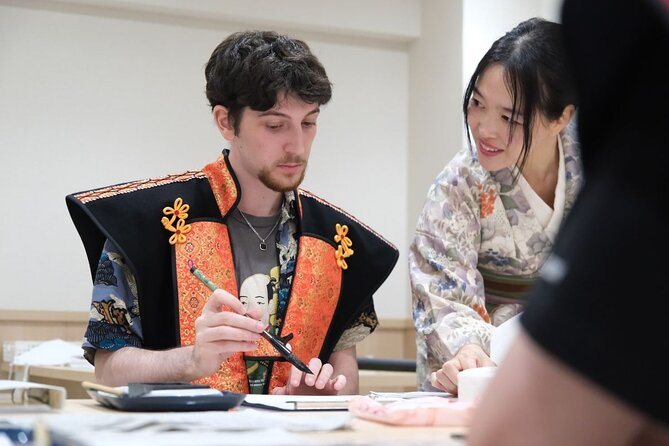
The base ticket does not include kimono or samurai armor. But upgrades are available, and you’ll see people choose them depending on their goals.
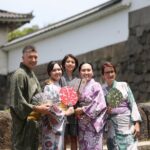
One detailed example mentioned a kimono upgrade around 5,000 yen. That reviewer described getting dressed by attendants, having staff help with photos around the facility, and keeping socks and undergarments used for the dressing. There’s also mention of a samurai attire option.
When is this worth it? If your priority is visuals and full cultural immersion, the upgrade makes the day feel more like a lived experience. If you mainly want the activities and don’t care about costume photos, skip the extra cost and spend your money elsewhere in Osaka.
Small group energy: staff help, English support, and good flow
What makes the program feel comfortable is how the staff manage the stations. A common theme in the experiences shared is that the team is friendly, patient, and helpful with questions, especially for people who are not fluent in Japanese.
English translators or guides are present throughout, so you’re not left guessing what comes next. That’s crucial for activities like tea and calligraphy, where a small instruction can change the whole result.
Also, the small group size (up to 20) reduces chaos. You can ask questions without feeling like you’re interrupting a line of people.
If you care about photo moments, you’ll also appreciate that the staff help you move from station to station rather than you wandering around trying to figure it out.
Who should book this experience in Osaka, and who should consider something else
This is a great fit if you want a hands-on cultural afternoon without planning a bunch of separate bookings. It’s also a solid pick on a rainy day because the core activities happen indoors.
I’d especially recommend it if:
- You like activities that mix performance with participation
- You want a crash course in tea ceremony, calligraphy, and traditional music
- You’re traveling as a family or with multiple age groups
It may be less ideal if:
- You’re a strict history-only traveler and want a serious samurai armor deep dive
- You hate performances and prefer purely quiet cultural sites
The good news is that even the “show” sections are interactive. And the tea and calligraphy parts tend to land with almost everyone because they’re practical, teachable, and memorable.
Practical tips to make your afternoon smoother
- Give yourself a little extra time. Even when the program is about 2.5 hours, add buffer for photos and questions.
- Wear comfortable clothes. You’ll be seated for tea and moving for drills and music practice.
- If you’re considering a kimono or samurai attire upgrade, decide before you arrive. That helps you avoid decision stress mid-program.
- Bring a camera plan. Staff help with photos, but you’ll get better results if you think about what you want to capture (tea ceremony moment, your calligraphy piece, costume photos if upgraded).
Should you book Samurai Show, Tea Ceremony, Japanese Traditional Activities in Osaka?
Book it if you want maximum cultural input in a short time, with real hands-on steps and a friendly staff running the show. The base ticket already bundles tea ceremony, calligraphy, music, and a participatory samurai performance, which is hard to beat when your Osaka schedule is tight.
Skip or rethink it if your main goal is historically strict samurai study. This experience leans toward stagecraft and participation, with costuming available as an add-on rather than included in the starting price.
My bottom-line advice: if you’re the kind of traveler who learns best by doing, this is a smart afternoon in Osaka. You’ll leave with something you made, something you tried, and a new set of cultural details you’ll actually remember.
FAQ
How long is the Samurai show, tea ceremony, and calligraphy experience?
The experience runs about 2 hours 30 minutes.
What’s included in the $44.92 per person ticket?
The ticket includes a tea ceremony experience, a calligraphy experience, traditional Japanese music, and a samurai performance.
Are samurai armor and kimono included?
No. Samurai armor and kimono are listed as not included. There may be upgrade options for costume experiences.
Where does the experience start and end?
It starts at Shinsaibashi ARTY Inn (2-chōme-17-3 Nishishinsaibashi, Chuo Ward, Osaka) and ends back at the meeting point.
Is the tour indoors?
The experience includes the tea, music, and samurai performance in a big facility, so it’s suitable for rainy days since it is indoors.
What happens if the weather is poor?
The experience requires good weather. If it’s canceled due to poor weather, you’ll be offered a different date or a full refund.