REVIEW · OSAKA
Private Car Full Day Tour of Osaka Temples, Gardens and Kofun Tombs
Book on Viator →Operated by Pinpoint Traveler, Inc · Bookable on Viator
Osaka has layers, and this tour peels them. You get a private luxury vehicle with a dedicated guide who shapes the day around your pace, hopping from Osaka’s best-known icons to Sakai’s older burial-mound history.
I love how the day is built around big, obvious places first, like Osaka Castle (walk the grounds, skip the inside), then slows down for meaning at Shitennoji Temple and Sumiyoshi Taisha Shrine. I also like that guides such as Kevin, Jamie, Levy, and Hugo are praised for turning simple sightseeing into real context, without feeling rushed.
One possible drawback: parts of the garden time can cost extra and some gardens close on specific days, so you’ll want to plan around garden fees and moderate walking.
In This Review
- Key highlights at a glance
- How a private car day changes Osaka (and keeps you sane)
- Osaka Castle grounds: the best part is outside
- Shitennoji Temple: old Buddhism, plus a garden if it’s open
- Shinsekai: quick walk, strong Osaka flavor
- Sumiyoshi Taisha Shrine: Shinto vs. Buddhism in one day
- Lunch at a kaiten sushi spot: plan your budget
- Sakai City Hall Observatory: the Osaka skyline from the south
- Kofun tombs and Daisen Park: burial mounds and a calmer garden walk
- Price and value: what you’re really paying for
- Who should book this Osaka and Sakai day?
- Practical tips to make the day run smoothly
- Final call: should you book this private day?
- FAQ
- How long is the Osaka temples, gardens and kofun tour?
- How many people are in a group?
- What time does the tour start?
- Is hotel pickup and drop-off included?
- What if my hotel is outside central Osaka?
- Is lunch included?
- Do I need to pay entrance fees?
- Are the Japanese gardens always included?
- What happens if Daisen Park’s Japanese garden is closed?
- Do children need car seats?
Key highlights at a glance
- Hotel pickup in a private luxury car: start at 8:30 am and skip transfers and train juggling.
- A flexible itinerary with one dedicated guide: your pace, your photos, and real time to ask questions.
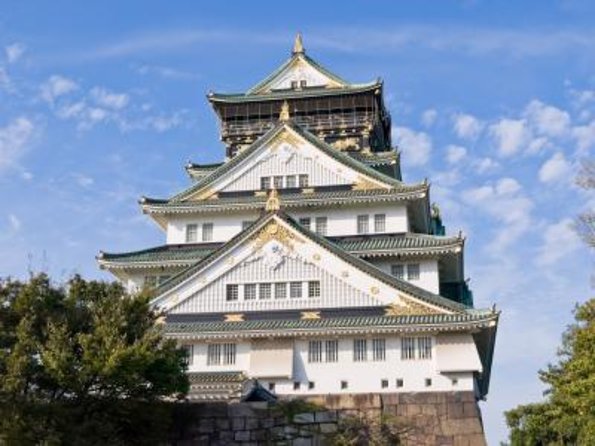
- Osaka Castle views without the ticket pressure: walk the grounds, keep your energy for the rest.
- Shitennoji Temple + optional Japanese garden: history first, garden if open and you want it (extra cost).
- Sakai’s kofun tombs and Daisen Park: a different Osaka mood, with burial mounds and a calmer garden walk.
- Good plan B for garden closures: Daisen Park’s Japanese garden has set closures, and you’ll adjust by car.
How a private car day changes Osaka (and keeps you sane)
This is a true private tour for up to 6 people. That matters more than you’d think, because Osaka is a city where crowds can pop up fast around popular sights. With your own car, you don’t lose time waiting for the next bus or playing “where is everyone?”
You also get round-trip convenience if you’re staying in central Osaka. Pickup starts at 8:30 am, so you can enjoy the morning mood before the day fully heats up.
What really impressed me here is the style of guiding you’ll see in the reviews: guides like Kevin, Jamie, Levy, and Hugo are repeatedly praised for keeping the day moving but not frantic. The best part of a one-day tour isn’t seeing everything—it’s seeing the right things without exhaustion.
You can also read our reviews of more private tours in Osaka

Osaka Castle grounds: the best part is outside
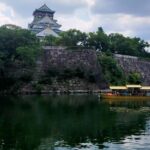
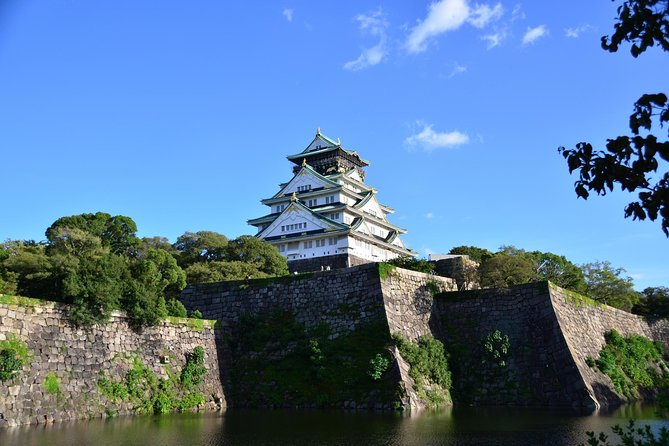
Osaka Castle is the obvious starting point, and the approach is smart. You’ll walk the grounds right up to the castle, but you do not enter the building. The tour also frames the castle as a stronghold of the city, so you’re not just photographing pretty stone.
Why this works: the outside views give you the classic silhouette and the sense of scale, while the rest of the day stays focused on temples, gardens, and kofun tombs. It’s a good trade if your time is tight.
Practical note: you’ll still do walking on uneven grounds. Wear shoes you’d use for a long museum day, not flip-flops.
Shitennoji Temple: old Buddhism, plus a garden if it’s open
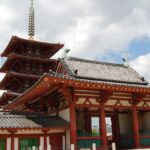
Shitennoji is a major stop because it’s said to be Japan’s oldest Buddhist temple. That gives the day a deep time feel early on. You’ll explore the buildings and grounds, plus the stories your guide connects to what you’re seeing in front of you.
There’s also an optional Japanese garden. It’s listed as an extra cost (300 yen per adult). That means you can decide based on your energy level and the day’s rhythm, rather than being forced into a fixed schedule.
Two closure rules you should know:
- The Shitennoji Japanese garden is closed on the 21st of each month.
- If you’re traveling near that date, plan to focus on the temple grounds instead.
Shinsekai: quick walk, strong Osaka flavor
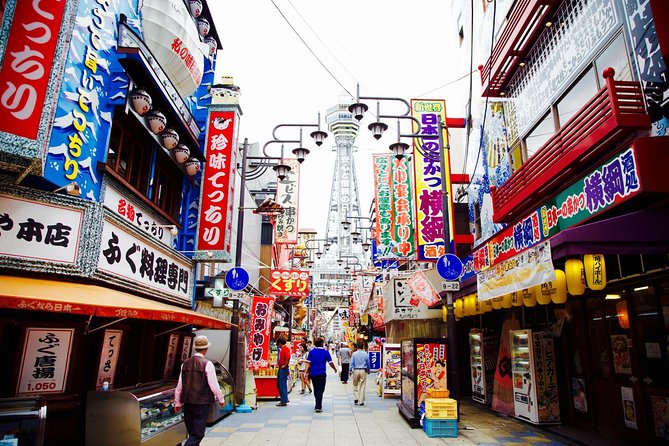
Next is Shinsekai, an older entertainment quarter in Osaka. The time here is shorter—think quick walk and emblematic landmarks—so it works well as a breather between the more serious temple and shrine stops.
This is where your guide’s street-level framing helps. You see the area as Osaka sees it, not as a postcard. Expect some walking and photo moments, but not a long slog.
Sumiyoshi Taisha Shrine: Shinto vs. Buddhism in one day
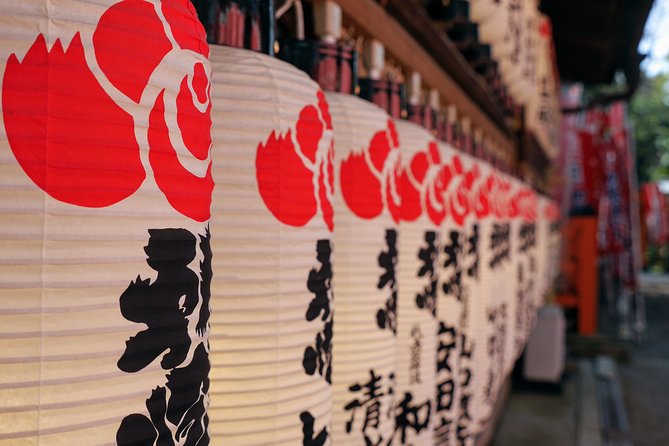
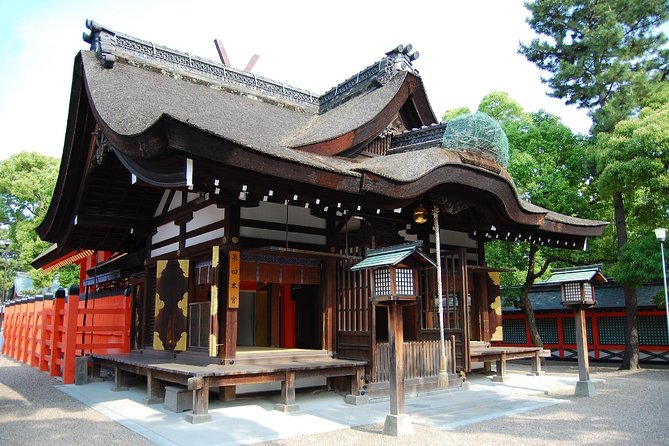
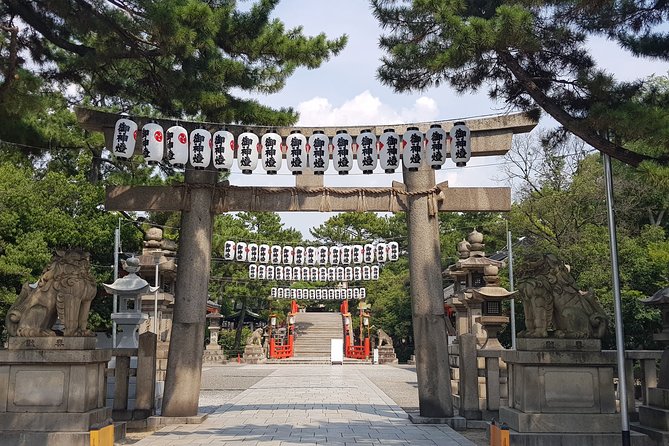
Sumiyoshi Taisha Shrine is a great contrast after Shitennoji. Here you’re in a large Shinto complex, tied to ancient tradition and placed on hallowed grounds.
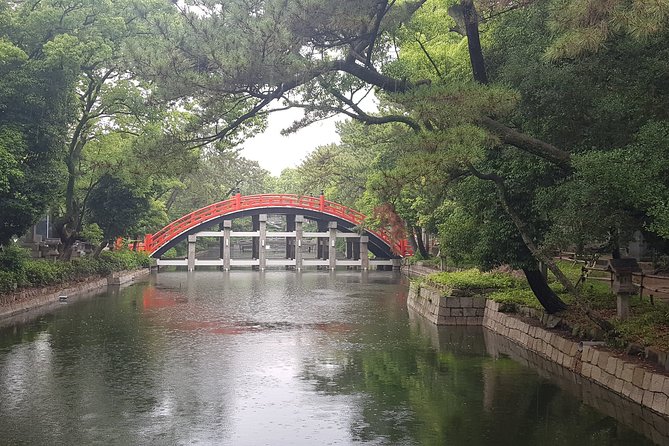
Look out for the famous arching bridge. It’s one of those visual features that helps you understand the design language of Shinto spaces—different from what you just saw in the Buddhist setting.
If you like explanations you can feel, this is a highlight stop. You’ll get a clearer mental map for what makes a shrine a shrine and a temple a temple, and why those differences show up in the experience.
You can also read our reviews of more tours and experiences in Osaka
Lunch at a kaiten sushi spot: plan your budget
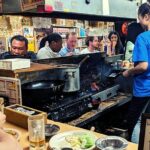
Lunch is built into the day with a stop at a kaiten sushi (revolving sushi) restaurant. Food and drinks are listed as not included, so you’ll pay for what you order.
This is still a smart choice on a day like this for a simple reason: you can eat quickly, try local sushi styles, and get back on the road without the drama of hunting down a place that works for your timing.
If you’re picky about timing, tell your guide what you want—light and fast, or a full sit-down lunch. With a private setup, it’s easier to match lunch to your energy.
Sakai City Hall Observatory: the Osaka skyline from the south
After temples and gardens, the tour shifts to Sakai, which borders Osaka to the south. The change in setting is the point. You get a break from the Osaka core and a more local feel.
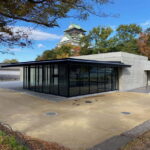
From Sakai City Hall’s observatory (21st floor), you’ll get a panoramic view over the city, including the mountains that demarcate Nara to the east and the coast to the west and south. It’s a strong “zoom out” moment after hours of “look up close.”
This view stop is also practical. It gives you context for the rest of the day so the kofun tombs don’t feel randomly placed. You understand where you are in relation to bigger geography.
Kofun tombs and Daisen Park: burial mounds and a calmer garden walk
Sakai’s claim to fame in this itinerary is the kofun—ancient burial mounds. You’ll explore one of the tombs, and you’ll also see how large these structures are in the city’s broader layout.
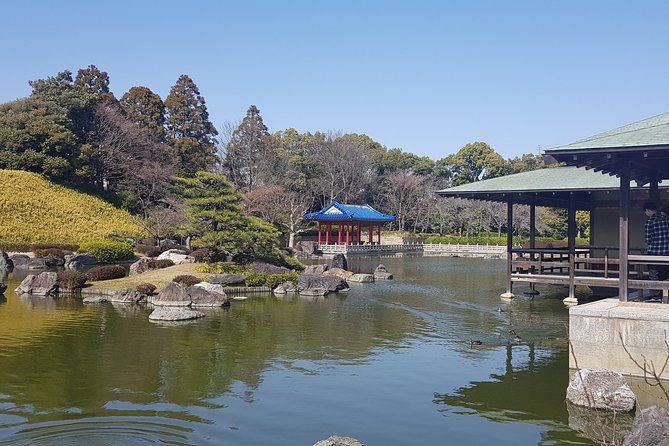
Then you head to Daisen Park. This is where the pace often feels gentler. The park is described as having a Japanese garden with pond and landscaped stream areas, and it’s known for being much lighter on crowds than the big Osaka sites.
Two more garden timing rules to keep you confident:
- The Daisen Park Japanese garden is closed on Mondays.
- If Monday is a holiday, it’s closed Tuesday instead.
- If it’s closed on your tour day, you’ll have an alternative activity by car.
That last point is huge for expectations. You’re not stuck staring at closed gates. Your guide should redirect you to something useful instead.
Price and value: what you’re really paying for
The price is $708.78 per group (up to 6) for about 8 hours. That’s not cheap on a per-person basis if you travel solo, but it can be excellent value if you split it among family members or friends.
Here’s where the value comes from:
- Private transportation in a luxury vehicle, not just a driver.
- Hotel pickup and drop-off in central Osaka.
- A dedicated guide for the full day, with flexibility to adjust to interests and pacing.
- Stops that would take real effort to stitch together well using public transit.
Now the costs to factor in:
- Entrance fee for Osaka temples/gardens/kofun tombs is listed as ¥500 per person.
- Daisen Park entrance is listed as ¥200 per person.
- Shitennoji’s optional Japanese garden is an extra 300 yen per adult.
- Lunch and drinks are not included in the package costs.
Pickup can also cost extra if you’re not in the central zone:
- Osaka port area pickup/drop-off adds 2,500 yen each way.
- Shin-Osaka adds 1,000 yen each way.
If you’re traveling with kids, there’s a car-seat rule: children under 6 or under 140 cm must use a car seat, costing 1,000 yen payable on the day of the tour.
So the real question isn’t whether the tour is expensive. It’s whether you want to pay to get time back. For many people, the private day is worth it because it reduces friction and keeps the day enjoyable.
Who should book this Osaka and Sakai day?
This is a good match if you:
- Want a first-timer-friendly overview of Osaka + Sakai in one day.
- Prefer private pacing, especially if you’re traveling with seniors or kids.
- Like history explained in plain language, with clear context tied to what you see in front of you.
- Want to move beyond the most crowded icons and include kofun-era history and quieter garden time.
If you love purely free wandering with no structure, a private tour might feel too guided. But if you like options and a guide who can help you choose, this style fits well.
Practical tips to make the day run smoothly
A few things to do before you go:
- Wear shoes for walking on grounds and park paths. The itinerary notes moderate walking.
- Be ready for optional garden choices and closure-based changes. If the Daisen Park Japanese garden is closed, you’ll do alternatives instead.
- Ask your guide what they recommend for the day’s vibe. The reviews show guides are willing to adjust—one person even got a custom request like a bonsai school detour, and another mentioned a knife shop stop in Sakai. You’re not locked into a single script.
And for photos: tell your guide you want extra time at the castle exterior or around shrine bridges. Private time is where you can slow down without slowing everyone else down.
Final call: should you book this private day?
I’d book this tour if you want a high-efficiency Osaka day without crowd stress, and you care about understanding Shinto and Buddhism differences while also seeing Sakai’s kofun burial history. It’s built for people who value comfort, flexibility, and a guide who can turn “we walked past it” into “I get what I’m looking at.”
I’d think twice if:
- You’re on a tight budget and don’t want extra entrance fees and lunch costs.
- You’re traveling on dates where garden closures matter a lot to your plan (like the Shitennoji garden being closed on the 21st, or Daisen Park being closed on Mondays).
If you go in with those expectations, you’re set up for a strong, memorable day.
FAQ
How long is the Osaka temples, gardens and kofun tour?
It runs for about 8 hours.
How many people are in a group?
The tour is for up to 6 people in your private group.
What time does the tour start?
Pickup begins at 8:30 am.
Is hotel pickup and drop-off included?
Pickup is included for central Osaka hotel locations, and drop-off is included as part of the private day.
What if my hotel is outside central Osaka?
Osaka port area pickup/drop-off adds 2,500 yen each way, and Shin-Osaka adds 1,000 yen each way.
Is lunch included?
Lunch is part of the day with a stop at a kaiten sushi (revolving sushi) restaurant, but food and drinks are not included in the package cost.
Do I need to pay entrance fees?
Yes. There are entrance fees listed for Osaka temples, gardens and kofun tombs (¥500 per person) and for Daisen Park (¥200 per person).
Are the Japanese gardens always included?
No. The Shitennoji Japanese garden can be added for an extra 300 yen per adult, and the Daisen Park Japanese garden is closed on Mondays (or Tuesday if Monday is a holiday).
What happens if Daisen Park’s Japanese garden is closed?
The tour notes that you can choose an alternative activity when the Daisen Park garden is closed.
Do children need car seats?
Yes. Children under 6 years old or under 140 cm must use car seats, and you’ll need to request one in advance if required (1,000 yen payable on the day of the tour).