REVIEW · OSAKA
Kuromon Market Tour: All inclusive 6~8 Dishes & 3~4 samplings
Book on Viator →Operated by Osaka Food Tours · Bookable on Viator
Kuromon Market is a feast for the eyes, and this tour turns that chaos into a smart food plan. I like the small-group setup (up to 9), and I really like that you’re promised 6–8 dishes plus 3–4 samplings instead of vague “snacks.” One thing to consider: this isn’t a good fit for vegetarians or vegans.
You’ll meet at Nippombashi Station and spend about 2 hours walking and eating your way through Osaka’s most famous market. With guides like Anna, Hikaru, Michael, Mico, and Andy showing up in the rotation, the big difference is usually the vendor connections—so you’re guided to what’s worth your money, not just what’s easiest to photograph. The tradeoff is simple: you’ll be walking and eating a lot, so if you prefer slow and light meals, plan accordingly.
In This Review
- Key Things To Know Before You Go
- Kuromon Market Food Tour: What Makes This Osaka Stop Work
- The 2-Hour Game Plan: Eating Without Getting Stuck
- Your Food Lineup: 6–8 Dishes and 3–4 Samplings
- Kuromon Market: What You’re Really Buying Into
- Stop at Kuromon: The Walk-Through That Feels Like a Route
- Dietary Fit and Smart Pacing: Who This Tour Is For
- Price and Value: Is $63.43 a Fair Deal?
- Logistics That Actually Affect Your Day
- Should You Book This Kuromon Market Tour?
- FAQ
- FAQ
- Where does the tour start?
- How long does the Kuromon Market tour last?
- What time does the tour begin?
- How many people are in the group?
- How much does the tour cost?
- What food is included?
- Is the tour suitable for vegetarians or vegans?
- Does the tour use a mobile ticket?
- Is there free cancellation?
- Does the tour end near where it starts?
Key Things To Know Before You Go
- Up to 9 people keeps the pace friendly and the questions flowing.
- 6–8 dishes + 3–4 samplings means you can sample broadly without guessing.
- Guide-vendor relationships help you find what’s fresh and what’s authentically Osakan.
- Not vegetarian/vegan-friendly—this is built around market specialties.
- 2 hours on foot is just enough time to cover the market without dragging.
Kuromon Market Food Tour: What Makes This Osaka Stop Work

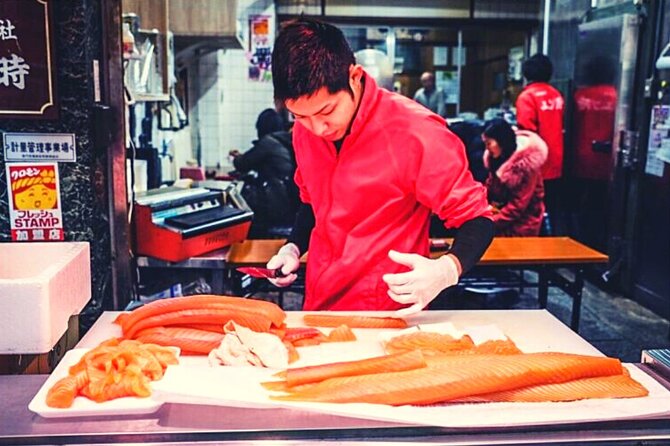
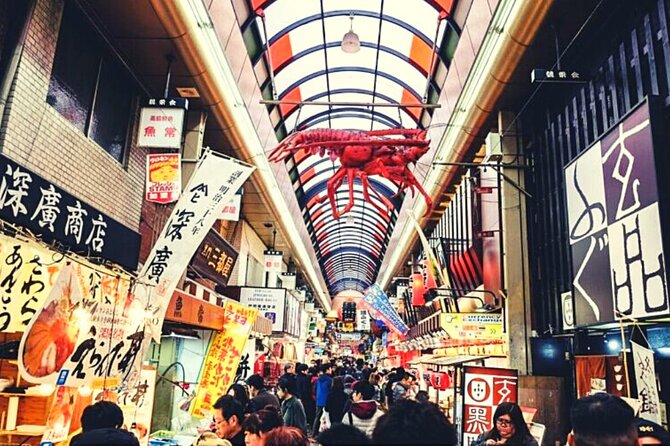
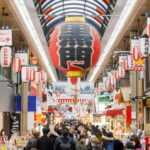
Kuromon Ichiba (Kuromon Market) is one of those places where your senses get overloaded fast: the smells, the seafood displays, the grill sounds, and the constant stream of shoppers. That’s exactly why a guided food route is useful. You don’t just “see” the market—you get a flow that tells you what to try, in a way that makes sense for first-timers.
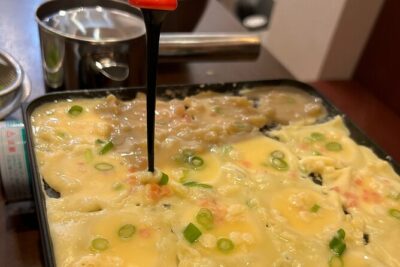
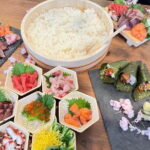
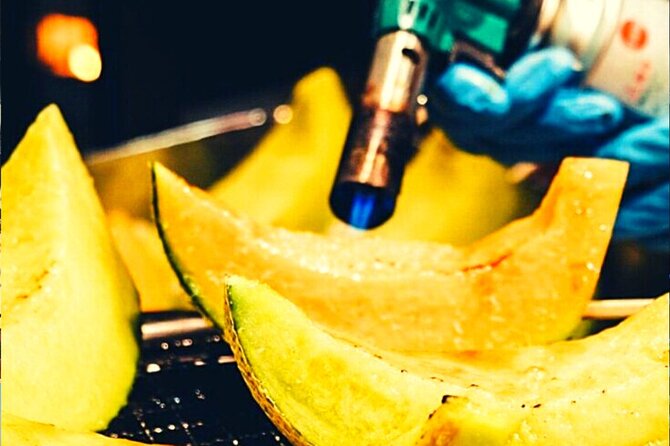
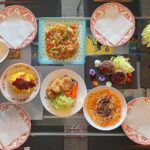
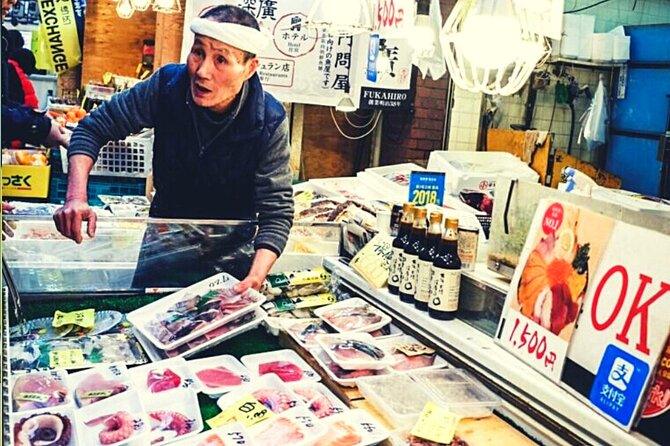
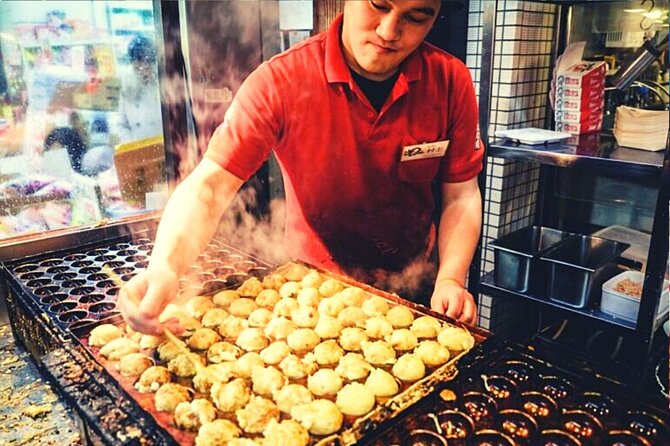
I also like that this tour is designed for variety. You’re not stuck in one food lane. Expect a mix that can include fresh seafood, okonomiyaki, dessert, Japanese tea, and other Osakan favorites as you move from stall to stall. That variety matters because Osaka is not one-style street food. It’s seafood plus comfort snacks plus sweet endings.
You can also read our reviews of more shopping tours in Osaka


The 2-Hour Game Plan: Eating Without Getting Stuck
This is an approx. 2-hour walking-and-tasting format, starting at 2:00 pm. Two hours sounds short until you realize how much time people lose wandering without a plan. Here, the pace is built around quick stops, short explanations, and enough food to keep you satisfied without turning it into a full-day marathon.
The “small group” detail (maximum 9 travelers) is the hidden value. In bigger groups, guides move fast and you end up playing catch-up. With a smaller group, you’re more likely to get clear guidance on what you’re eating, how it’s different from similar items, and what to look for at the stalls if you come back later on your own.
Your Food Lineup: 6–8 Dishes and 3–4 Samplings
The core promise is 6–8 selected dishes plus 3–4 samplings. That structure is great for two reasons.
First, it prevents the common problem with market tours where you leave underfed. You’re getting enough volume to count as a meal-plus, not just a few bites. Second, the samplings give you room to taste variety, even if you’re not sure you’ll like something—like rich seafood options or grilled items you’ve never ordered before.
What kinds of items are in play? The tour description points to fresh seafood, okonomiyaki, dessert, Japanese tea, and more. The overall experience is also described as sampling more than 10 different food items, so you’re likely to get multiple bites rather than one big plate repeated in different forms.
A practical tip from the vibe of this tour: if you want to enjoy everything fully, don’t arrive stuffed. If you do, you’ll still be able to eat, but you may have less room for desserts or the more intense seafood items.
Kuromon Market: What You’re Really Buying Into
Food tours are not just about food. They’re about interpretation—knowing what you’re looking at and why one stall’s item is better than another. This is where the guide relationships show up.
In this tour, the guide’s role goes beyond handing you plates. The value comes from:
- Knowing which stalls match what you want to taste
- Explaining what makes a dish worth your attention
- Helping you tell the difference between “tourist easy” and “what locals actually buy”
You’ll see this in the way different guides are described. Anna is repeatedly praised for energy and humor, plus a strong feel for navigating the market’s tourist layer to find the mom-and-pop stalls. Hikaru is singled out for a chef background and patient, engaging guidance for groups that include teenagers and even younger kids. Michael is described as adding extra samples based on interests and steering the group toward memorable seafood. Andy stands out for stories and for being careful with picky eaters. Mico gets credit for strong English and for answering questions in a way that makes the market feel legible.
Even if you don’t care about food trivia, that “what to look for” skill is what helps you enjoy the market twice: once during the tour, and again later if you want to return.
Stop at Kuromon: The Walk-Through That Feels Like a Route

The itinerary is simple: you start in the market area at Nippombashi Station (1 Chome-5 Nipponbashi, Chuo Ward) and your tour ends back near that starting point. The big win is that you’re not guessing where to stand, where to order, or where eating is allowed.
Kuromon Market can feel like a maze if you’re focused on photos. With a guide, you get a path that keeps you moving through the market in a way that matches what you’re tasting next. You also get help with practical questions—things like what ingredients to expect, how a dish is traditionally eaten, or what “quality” tends to look like for seafood and other specialties.
There’s another practical benefit. Finishing near the Nippombashi area means it’s easy to roll into other parts of Osaka the same day. One common add-on in this zone is Den-Den Town for electronics and, for knife and kitchen-tool shoppers, Doguyasuji is often referenced as a nearby stop.
You can also read our reviews of more tours and experiences in Osaka



Dietary Fit and Smart Pacing: Who This Tour Is For
This tour is not suitable for vegetarians nor vegans. That’s not a minor footnote—it’s a key decision point. The structure is built around market specialties, and those typically include seafood and meat-focused dishes.
So who should book?
- Food-first travelers who eat a wide range of Japanese flavors
- People who want to learn what’s worth buying at Kuromon without spending hours researching
- Families who want structure and a guide who can respond to different ages and preferences
The reviews you shared also suggest that guides can work with mixed groups, including families with kids and teenagers. Andy and Hikaru are each mentioned as being patient and considerate for younger eaters, and Michael is described as adjusting food choices based on interest. If you’re traveling with people who are picky or hesitant, this kind of responsive guidance can be the difference between an okay meal and a memorable one.
Price and Value: Is $63.43 a Fair Deal?
At $63.43 per person, this tour is priced like a “high satisfaction” Osaka experience: two hours, a small group, and a set menu that includes at least six dishes and three samplings. That matters because food at Kuromon can vary wildly. Some items are easy to overpay for, especially if you’re tired and just want the next thing in your hands.
The best value angle here is not that it’s cheap—it’s that you’re buying confidence. A guide helps you:
- Avoid random choices that don’t match your taste
- Hit a range of signature foods in a short time
- Learn what “good” looks like so you can make smarter picks after the tour
Also, this tour tends to book ahead. The average booking window is 69 days. That suggests demand, and it often means the best time slots get taken first. If your Osaka dates are fixed, don’t leave this to the last week.
Logistics That Actually Affect Your Day
A few details help you plan calmly.
You’ll start at 2:00 pm at Nippombashi Station and you’ll finish back at the meeting point area. The tour uses a mobile ticket, and the meeting spot is near public transportation. Service animals are allowed, and the group is capped at 9—all of that keeps the experience smooth.
The practical takeaway: this is ideal as an afternoon anchor. If you want to explore Osaka in the morning and still eat well without running your schedule, this kind of post-lunch timing can work nicely. You’ll also finish in a central area, so you’re not stranded far from everything else.
Should You Book This Kuromon Market Tour?
If you want the fastest path to understanding Osaka food culture, I’d say yes—especially if you like seafood, grilled snacks, and learning how to spot quality. The combination of a small group, a structured tasting count (6–8 dishes + 3–4 samplings), and guide support rooted in vendor relationships is exactly what a first-time Kuromon visit needs.
Skip it if you’re strictly vegetarian/vegan, or if you hate eating on the move. Also, if you’re the type who wants a quiet museum-style experience, a food market route will feel too active.
FAQ
FAQ
Where does the tour start?
The tour starts at Nippombashi Station, 1 Chome-5 Nipponbashi, Chuo Ward, Osaka, 542-0073, Japan.
How long does the Kuromon Market tour last?
It’s approximately 2 hours.
What time does the tour begin?
The start time is listed as 2:00 pm.
How many people are in the group?
The tour has a maximum of 9 travelers.
How much does the tour cost?
The price is $63.43 per person.
What food is included?
The tour includes 6–8 selected dishes and 3–4 samplings, and you can expect a range such as fresh seafood, okonomiyaki, dessert, and Japanese tea.
Is the tour suitable for vegetarians or vegans?
No. The tour is not suitable for vegetarians nor vegans.
Does the tour use a mobile ticket?
Yes, this activity uses a mobile ticket.
Is there free cancellation?
Yes. You can cancel for a full refund up to 24 hours in advance of the experience’s start time.
Does the tour end near where it starts?
Yes. The activity ends back at the meeting point.