REVIEW · OSAKA
Osaka Market Tour & Cooking Class with Local Expert Masato/Shohei
Book on Viator →Operated by Traveling Spoon · Bookable on Viator
Osaka smells like dinner the moment you step outside. This hands-on class pairs an ingredient hunt with a real chef-led cooking session, so you learn by doing, not just watching. I love the market-to-kitchen flow, and I also like how the hosts (Masato or Shohei) are patient about questions and details. One thing to consider: if you want sushi that includes raw fish, this class uses a sushi setup where raw fish is not included.
You’ll start by meeting your guide near Matsuyamachi Station, then move through ingredient talk, cooking technique, and a shared meal you made yourself. The whole pace stays relaxed enough to ask why something works, not just how to copy it. If you’re tightly scheduled, remember this runs about 2 hours 30 minutes plus an optional short market walk, so plan your day around it.
In This Review
- Key highlights at a glance
- Osaka cooking class: why it beats just eating
- Finding the kitchen near Matsuyamachi Station
- Karahori Shotengai market: the 30-minute ingredient reality check
- Cooking time: three dishes, real technique, and a chef who answers
- What “three dishes” usually feels like
- Sushi ingredients you’ll actually learn to use
- Eating what you made: tea and a shared table
- Price and value: is $120 worth it?
- Dietary needs: allergy-aware cooking without the drama
- Who should book this Osaka class
- Short FAQ
- FAQ
- How long is the Osaka market and cooking class?
- Is there an option to include a market visit?
- What dishes can I learn to make?
- Is raw fish included in the sushi class?
- Can the class handle dietary restrictions like vegetarian or gluten-free?
- What are the cancellation terms?
- Should you book this cooking class in Osaka?
Key highlights at a glance
- Hands-on cooking of 3 dishes guided step-by-step by your chef host
- Market option at Karahori Shotengai for quick ingredient scouting
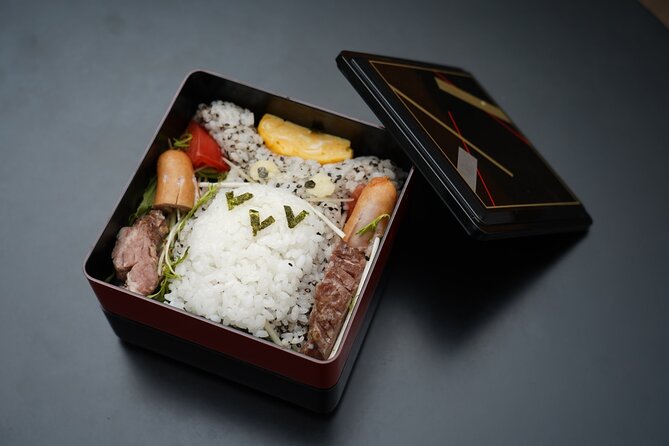
- Sushi-focused default menu, featuring tamagoyaki and seasonal vegetables
- No raw fish included, so you focus on technique and flavor building
- Allergy-aware instruction with options for lactose-free, gluten-free, vegetarian, and vegan
Osaka cooking class: why it beats just eating
Osaka is famous for food, but most people experience it as a series of purchases. This experience flips that. You don’t only taste; you learn the ingredient logic behind the dishes, from seasoning to texture.
What makes this class especially useful is the way it ties technique to real shopping items. If you choose the market add-on, you’ll see staples and seasonal produce in the kind of everyday setting you’d otherwise walk past. Then you head back and cook with that same knowledge in your hands.
The best part for most food lovers is that you’ll finish the session eating a meal that came from your own prep work. That’s a far better souvenir than another photo of a bowl.
You can also read our reviews of more shopping tours in Osaka
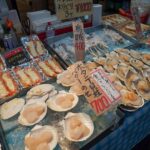
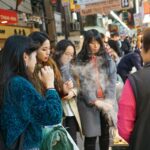

Finding the kitchen near Matsuyamachi Station
This tour starts and ends at the same meeting point, near Matsuyamachi Station (2 Chome-6 Andojimachi, Chuo Ward, Osaka, 542-0061). There’s no hotel pickup or drop-off listed, so arrive with a little confidence and use public transit.
The upside of a station-based meeting point is that it’s easier to plan. You don’t have to wait around for a van that might be delayed. The downside is you’ll want to give yourself time to find the exact spot, especially if you’re traveling during busy commute hours.
Also note the group size cap: this is shared, with a maximum of 13 travelers. That matters because it keeps the class from becoming a show-and-tell. You’ll have more chances to ask questions and get adjustments.
Karahori Shotengai market: the 30-minute ingredient reality check
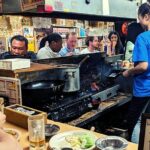
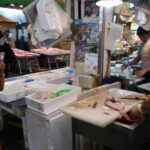
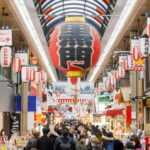
If you pick the market option, your host takes you to Karahori Shotengai, a covered shopping street. The tour portion is about 30 minutes, which is just long enough to learn what to look for without turning the trip into a full afternoon.
In a market like this, the real value isn’t shopping for everything. It’s learning how vendors and shoppers think about ingredients. You’ll pick up the difference between what’s packaged for tourists and what’s bought for everyday cooking: fresh vegetables, condiments, and practical pantry items.
For me, this is where the class becomes more than a meal prep workshop. You start noticing how Japanese cuisine often depends on small, deliberate choices. A sauce isn’t just a sauce. A vegetable isn’t just a vegetable.
Practical tip: wear shoes you can walk in easily. Even though the market segment is short, you’re on your feet, reading labels, and sampling examples through conversation.
Cooking time: three dishes, real technique, and a chef who answers
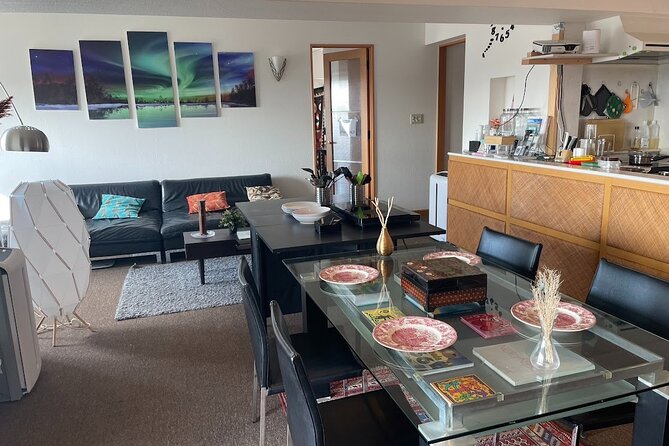
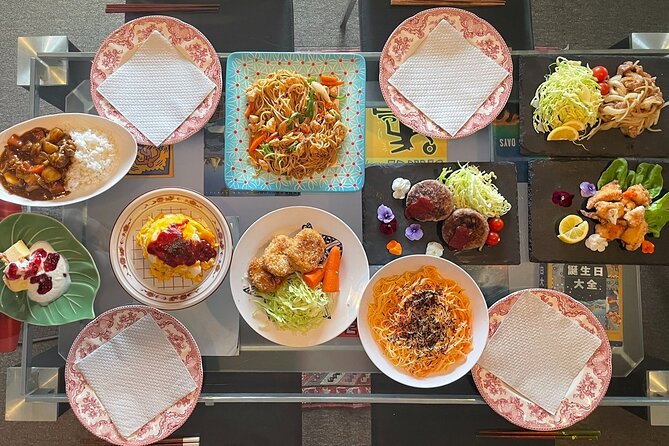
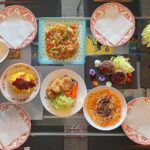
The core experience is a hands-on cooking class where you prepare three dishes from scratch. Your host explains traditional techniques and adds cultural context as you go. That combination matters because it turns recipes into skills you can reuse later.
Menu options depend on what you book, but the default is a sushi-making experience if you don’t specify. If sushi is the menu, the ingredient list includes tamagoyaki (rolled Japanese omelet), Wagyu beef, and seasonal vegetables like lotus root, bamboo shoots, and shiitake mushrooms. One important note: raw fish is not included.
That raw-fish detail changes the feel of the class in a good way. You’ll focus more on rice, prep work, and assembly style—plus how cooked fillings and toppings create balance. If you’re not comfortable handling raw fish, or you simply want a sushi skill set that’s less stressful, this setup is a smart fit.
What “three dishes” usually feels like
You can expect a mix of prep, cooking, and finishing steps. The class structure is built for you to ask questions at the moments they matter—like when you’re seasoning, checking texture, or deciding how to shape and plate.
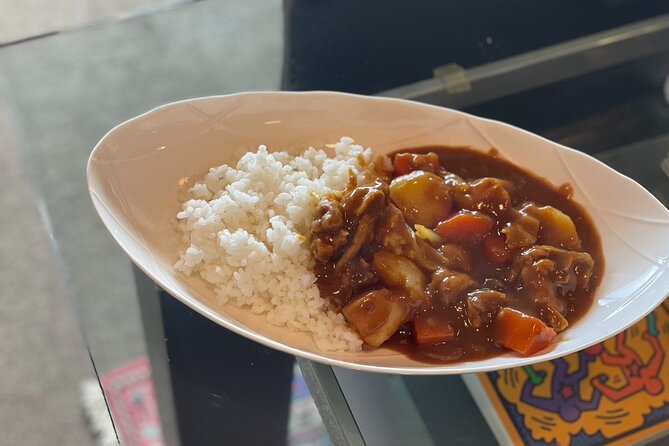
Also, the dishes offered can include things like character bento boxes or Japanese curry rice, depending on the menu you choose. If you’re the type who learns best by comparing styles, this variety is a plus. You’ll see how flavors and textures are built differently across dishes, not just repeated in one form.
You can also read our reviews of more tours and experiences in Osaka


Sushi ingredients you’ll actually learn to use
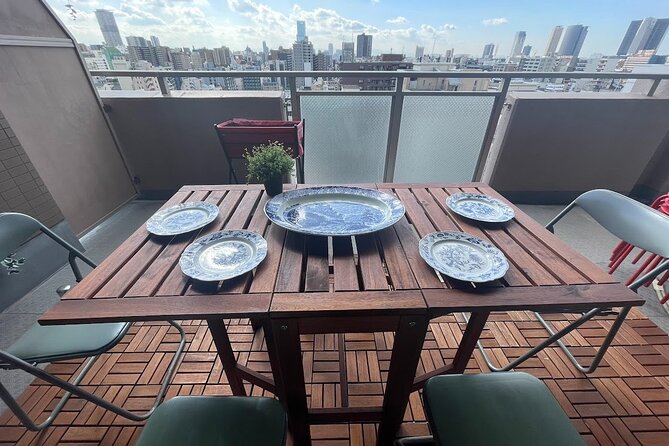
If you land on the sushi option, you’ll likely work with ingredients that give you multiple learning points. Tamagoyaki is a great example: you’re not just making something sweet-ish and eggy. You’re learning roll structure and slice consistency, which affects the whole sushi bite.
Then there’s the protein side. Wagyu beef adds richness, and working with it teaches you how to balance savory depth without making everything heavy. That’s a skill you can reuse when you cook other Japanese-style meals later.
Finally, the seasonal vegetable set—lotus root, bamboo shoots, and shiitake—puts flavor-building into focus. These ingredients don’t just sit there. They contribute texture and earthy notes, and they often soak up sauce in a way that changes the finished taste.
For you, this means the class can be more than a single recipe. It becomes a toolkit: how to think about rice + filling + texture + sweetness/savory balance.
Eating what you made: tea and a shared table
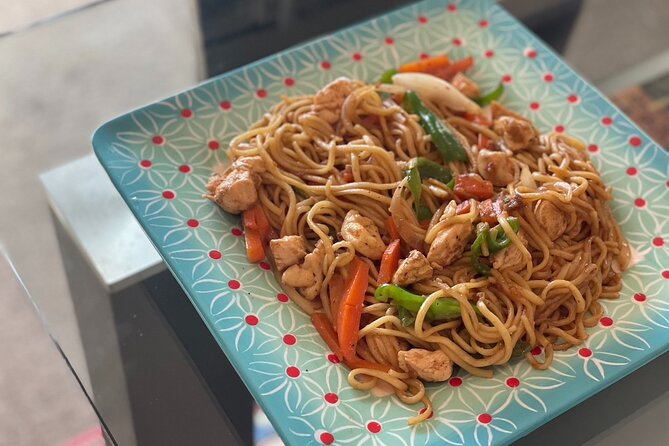
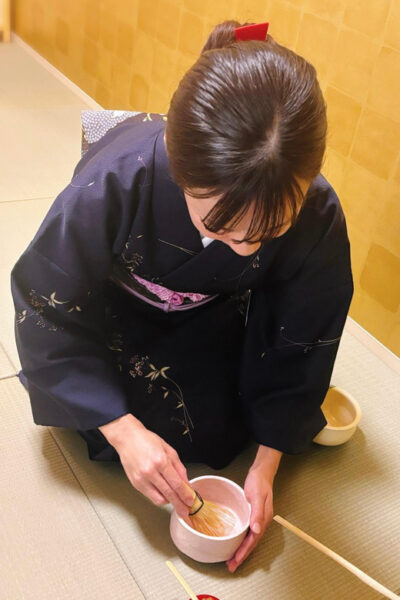
After cooking, you sit down to enjoy the meal you created. Finishing with tea is part of the experience, and it’s a nice reset after time at the stove.
This is where the value shows up for most people. When you cook your own meal, you don’t eat it like a product. You eat it like a result. You’re more likely to notice what worked, what you’d adjust, and what you want to cook again.
And because the class is shared, you’ll often compare notes with your group: how your sushi roll turned out, whether your curry tasted more like the style you expected, and what technique seemed hardest. That discussion makes the learning stick.
Price and value: is $120 worth it?
At $120 per person, this isn’t a budget snack tour. But it also isn’t just a cultural walk with a small tasting. You’re paying for several things that add up fast: a chef-led class, hands-on cooking of three dishes, time with an ingredient-focused guide, and a meal you eat afterward.
Here’s what makes the price feel fair:
- Instruction time from a professional chef/host during a short, structured session
- Ingredients and meal connected to what you cook (not just samples)
- Optional market segment for ingredient scouting and context
- A small group size (max 13) that keeps the experience interactive
If you compare it to the cost of a fancy dinner plus a cooking lesson, you’re basically getting the meal and the teaching in one package. For foodies who want usable skills, it’s strong value.
If you’re only looking for casual street-food wandering, you might find cheaper ways to eat Osaka. But if you want to leave with technique—and not just photos—this price makes sense.
Dietary needs: allergy-aware cooking without the drama
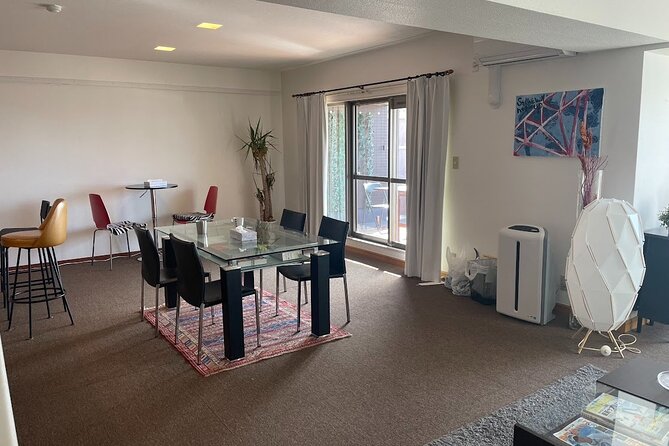
If allergies or dietary restrictions are part of your planning, this matters. The class states it can accommodate lactose free, gluten free, vegetarian, and vegan diets on request. You also need to advise about allergies, dietary restrictions, or cooking preferences when booking.
That’s exactly the kind of detail that prevents headaches later. When the host prepares correctly from the start, you can cook with confidence instead of guessing what’s safe.
One more practical point: this is shared and small-group. You’re not a solo cook guessing your way through substitutions. You’ll be guided, and you can ask questions about what you’re using and why.
Who should book this Osaka class
This tour is a good match if you want:
- Hands-on cooking skills you can repeat at home
- A serious focus on Japanese ingredients and techniques
- A food-focused Osaka experience that feels local, not generic
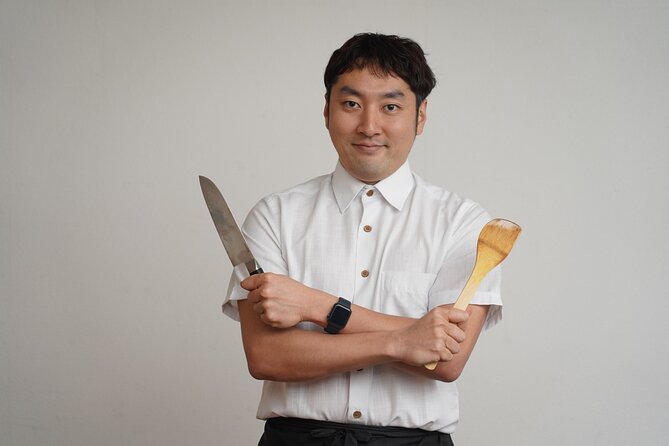
It’s also a great option if you like structured learning but still want to ask questions. With a host like Masato or Shohei, and a chef colleague stepping in on some days, you’re not stuck with a rigid script.
If you’re traveling with teens who enjoy cooking, it’s especially appealing because it’s active. More than one family-style group experience points to strong engagement when kids and adults cook together.
If you dislike kitchens, don’t read this as a warning sign. You’re still in a cooking environment—but you’re guided, and the class is built around your questions.
Short FAQ
FAQ
How long is the Osaka market and cooking class?
It runs about 2 hours 30 minutes (approx.).
Is there an option to include a market visit?
Yes. If you choose the market tour option, you’ll visit Karahori Shotengai for a short guided tour of about 30 minutes.
What dishes can I learn to make?
The menu can include dishes such as sushi, character bento boxes, or Japanese curry rice, depending on what you select when booking.
Is raw fish included in the sushi class?
No. The sushi class is specified as not including raw fish.
Can the class handle dietary restrictions like vegetarian or gluten-free?
Yes. On request, it can accommodate lactose free, gluten free, vegetarian, and vegan diets. You should share allergies and dietary needs at booking.
What are the cancellation terms?
You get free cancellation, with a full refund if you cancel at least 24 hours before the experience start time.
Should you book this cooking class in Osaka?
I’d book it if you want a real skill-building food experience in Osaka. You’re not only eating Japanese dishes; you’re learning how the ingredients behave and how the techniques fit together. The small group size helps, and the market add-on makes the kitchen lesson feel grounded in real shopping.
I’d think twice if your goal is purely to wander and snack on the street. This is a cooking class first, with a meal and tea afterward, so your time is anchored around cooking rather than open-ended exploration.
If you tell me your food preferences (sushi vs curry vs bento style, and any dietary needs), I can help you decide which menu choice is most likely to match what you’ll enjoy.