REVIEW · OSAKA
Osaka: Cooking Class & Sake Tasting with Local Market Visit
Book on GetYourGuide →Operated by MagicalTrip · Bookable on GetYourGuide
Osaka food lessons, with sake on the side. This 4-hour cooking class pairs a local supermarket run with hands-on cooking of classic Osaka dishes. You’ll also sip local drinks while chatting in a small group setting (max 7).
I like that you start with real ingredients from a neighborhood supermarket, so the recipes feel grounded in how people actually shop. I also love the step-by-step style in the studio kitchen, with friendly English-speaking guides such as Chie, Emi, Eri, Akko, Ayu, and Linda guiding the process. Come hungry, leave with recipes you can cook at home.
One important consideration: gluten-free options aren’t available. If you need strict gluten avoidance, this tour may not be the right fit.
In This Review
- Key Highlights Worth Your Time
- Osaka’s Market-to-Menu Start at Minami Morimachi Station
- The Supermarket Stop: Fresh Ingredients, Real Osaka Habits
- Cooking Class Setup: A Studio Kitchen for Small Groups
- Niku-sui, Okonomiyaki, and Gyoza: What You’ll Actually Make
- Niku-sui (Beef Soup)
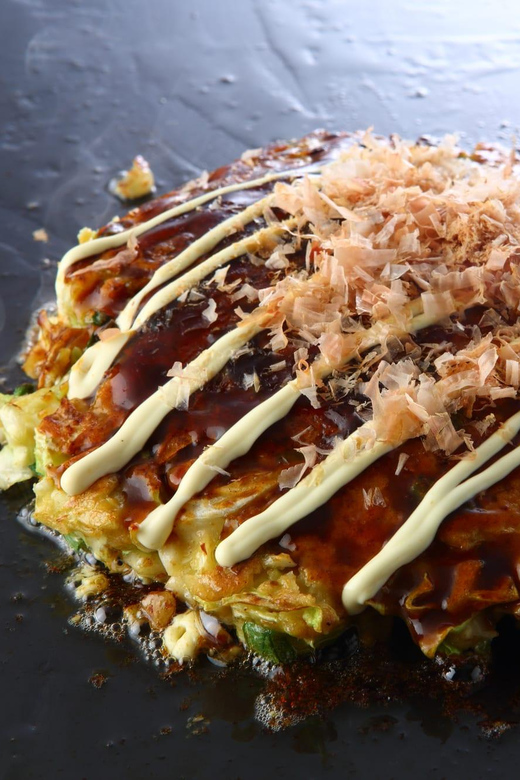
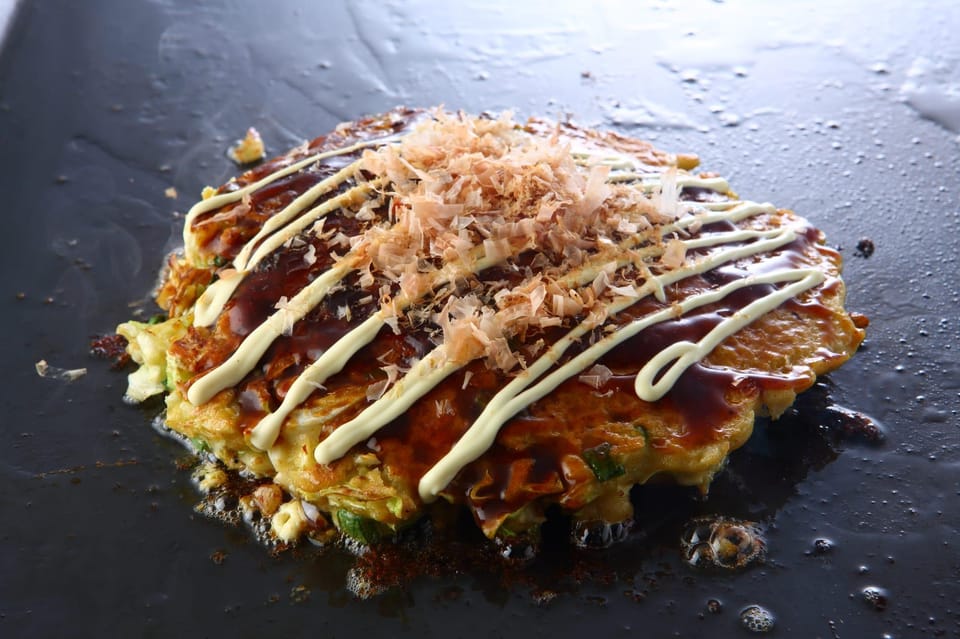
- Okonomiyaki (Osaka-Style Savory Pancake)
- Gyoza (Folding Dumplings)
- Lunch Break With Tea and a Drink in Hand
- Recipes You Can Recreate Back Home (Without Stress)
- Price and Value: Is $90 Fair for This 4-Hour Class?
- Who This Osaka Class Fits Best (And Who Should Rethink It)
- Should You Book This Osaka Cooking Class & Sake Tasting?
- FAQ
- What dishes will I cook in this Osaka class?
- How long is the cooking class?
- Where do I meet the guide?
- Is the guide English-speaking?
- What’s included in the price?
- Are vegan or vegetarian options available?
- Are gluten-free meals offered?
- Can I join if I don’t have cooking experience?
- Is it suitable for people with mobility issues?
- What’s the cancellation and payment policy?
Key Highlights Worth Your Time
- Market-first shopping so you buy ingredients that match the dishes you’re making
- Hands-on cooking for niku-sui, okonomiyaki, and gyoza with an English-speaking local guide
- Small group size (max 7), which makes it easier to ask questions and get help
- Sake and drinks during the class, including 3 canned drinks (alcoholic or non-alcoholic)
- Downloadable recipes plus emailed photos, so you can recreate the meal later without guessing
Osaka’s Market-to-Menu Start at Minami Morimachi Station
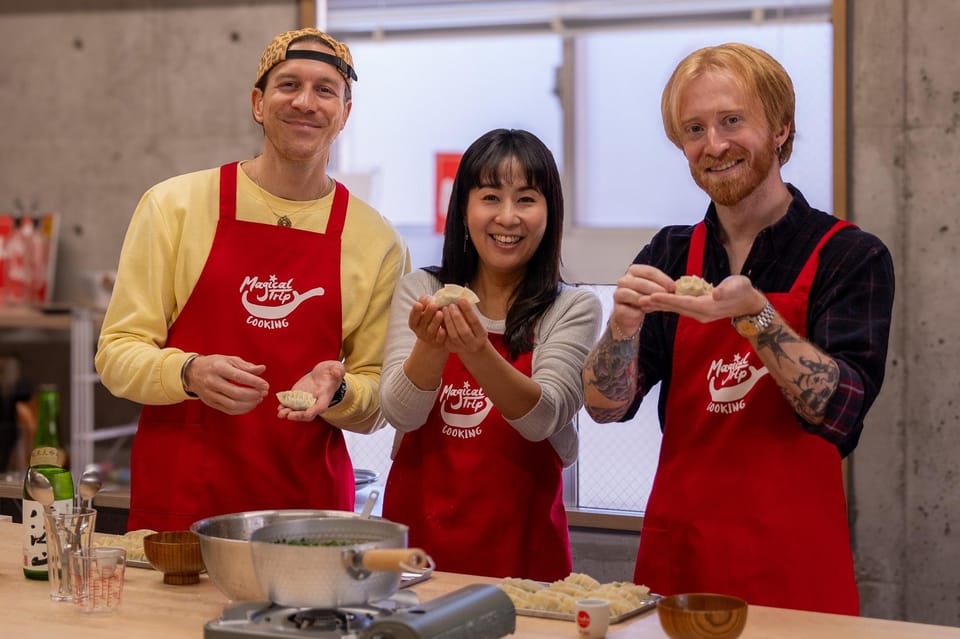
This experience is built around a simple idea: Osaka food tastes better when you understand the ingredients first. You begin near Minami Morimachi Station at a clear meeting point—in front of FamilyMart, about a 1-minute walk from the 4B Exit. It’s the kind of start that helps you get your bearings fast, without needing complicated directions.
You’re joining a small group limited to 7 participants, which changes the vibe. Instead of watching someone cook from a distance, you get to work—cut, mix, fold, cook—and ask questions as you go. The total time is 4 hours, long enough to learn properly, but short enough that it won’t swallow your whole day.
And because this is a cooking class plus sake tasting, you’re not just tasting food—you’re learning the rhythms behind it: ingredient choice, texture control, timing, and how locals talk while they cook.
You can also read our reviews of more food & drink experiences in Osaka

The Supermarket Stop: Fresh Ingredients, Real Osaka Habits
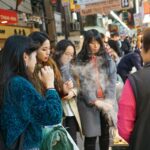
The first big moment is the local supermarket visit. You’ll pick up fresh items for the dishes you’re going to cook, and that matters more than you might think. In Japanese cooking, small choices—what cut you use, how you season, what kind of produce you grab—make the difference between okay and genuinely Osaka.
Practically, this stop is also where you learn how to shop like you live here. Your guide walks you through what you’re buying and why, so later, when you try to recreate recipes at home, you have a mental checklist instead of a vague memory.
If you like travel experiences where you feel like you’re stepping into daily life rather than only touring sights, this market segment is a strong match. You’ll get that “I could do this again” feeling early, which keeps motivation high once you switch to the studio kitchen.
Cooking Class Setup: A Studio Kitchen for Small Groups
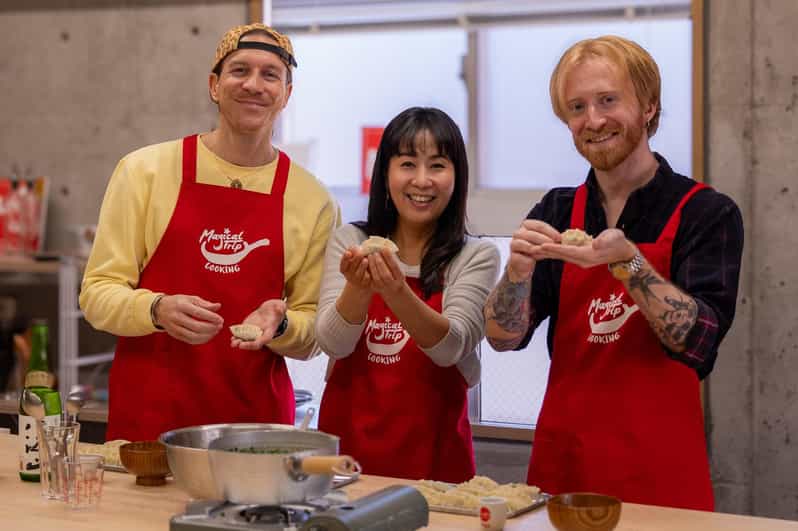
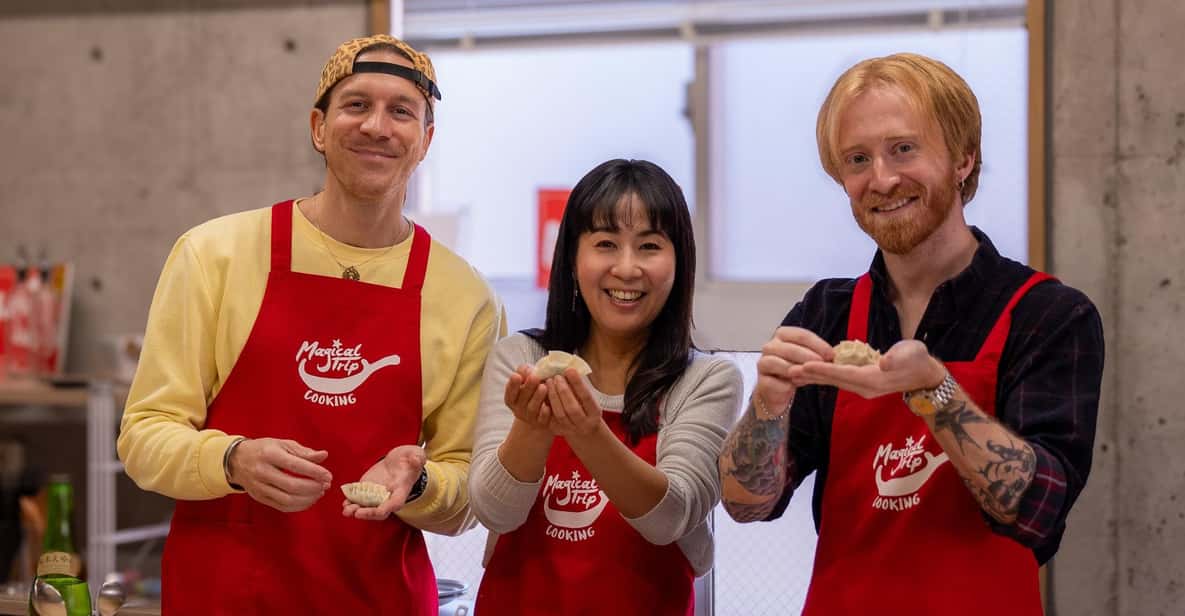
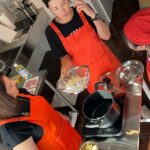
After shopping, you head back to the MagicalTrip Original Cooking Studio. The space is set up for relaxed cooking, and the guide leads you through each recipe step-by-step. The structure is beginner-friendly—no prior cooking experience needed—so long as you’re comfortable with basic cutting and heating.
This is also where the small group size really pays off. With room for interaction, guides can clarify techniques in plain English and help you adjust as you cook. In previous sessions, guides like Chie and Emi were especially good at mixing cooking with easy conversation and city/culture Q&A—useful if you’re trying to make the rest of your Osaka trip smarter.
One note that matters for planning: anyone over 12 can join, since cooking involves cutting and heating. If you’re traveling with younger kids, this one may not work.
Niku-sui, Okonomiyaki, and Gyoza: What You’ll Actually Make
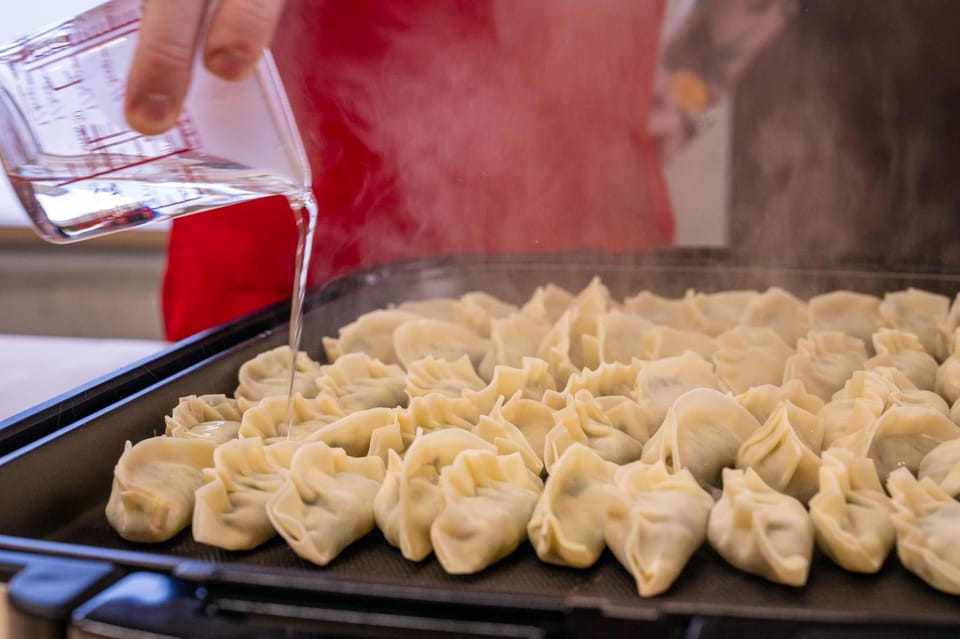
You’re cooking three iconic dishes. The best part is that they cover different types of technique: soup comfort food, a griddle-style savory pancake, and hand-formed dumplings. That mix makes the class feel like real skill-building, not just following instructions.
Niku-sui (Beef Soup)
Niku-sui is a flavorful beef soup locals love, and the class treats it like a foundational dish. You’ll learn how to build depth with simple ingredients, which is key if you want this to translate to your home kitchen.
It’s a good “warm-up” dish too. You’re learning the basics of seasoning and texture control while the studio buzz stays calm.
You can also read our reviews of more shopping tours in Osaka

Okonomiyaki (Osaka-Style Savory Pancake)
Okonomiyaki is the star dish for Osaka pride, and the cooking process reflects that. You’ll make it as a savory pancake, and the guide explains how personal variations happen in real life.
This is the recipe where you get to practice technique you can actually reuse: how batter behaves, how toppings affect the final texture, and how to manage cooking time so it comes out right rather than rushed.
Gyoza (Folding Dumplings)
Gyoza is fun because you’re doing the work with your hands. Folding dumplings brings out creativity—and yes, it tends to generate laughter in groups. The guide shows you the method, and you get that repeatable “now I can do it again” effect.
Even if your first batch isn’t magazine-perfect, that’s part of the joy. And once you understand the fold and seal, you can keep going on your own at home with confidence.
Lunch Break With Tea and a Drink in Hand
Once dishes are cooking, you’re not left waiting around. Lunch is included, and you eat what you make. That’s a big deal with cooking classes—there’s a difference between tasting someone else’s food and eating your own effort shortly after learning it.
You’ll also have tea during the experience, plus 3 canned drinks. Those drinks can be alcoholic or non-alcoholic. This makes it a social experience without turning it into a party that derails focus.
Because some guides also support sake experiences—like taking people out to buy sake in certain sessions—you might find the alcohol part leans into local flavor and casual storytelling rather than just being “included drinking.” Either way, you’ll be able to keep the conversation going as you cook and share.
Recipes You Can Recreate Back Home (Without Stress)
A great travel skill is being able to recreate meals without needing a Japanese pantry or a complicated grocery expedition. This class is designed with that in mind: recipes are authentic but simple, meaning the goal is repeatable cooking, not rare ingredients.
After the tour, you can download the recipes, which helps you cook from your phone or print the key steps before your grocery run. You also get tour photos emailed after the experience, which is handy when you want to remember plating and cooking cues.
One practical bonus: when you cook something like okonomiyaki or gyoza at home, technique matters. Having the written steps later reduces the classic problem of “I remember what I liked, but not how it was made.”
Price and Value: Is $90 Fair for This 4-Hour Class?
At $90 per person for a 4-hour experience, the value depends on what you compare it to. If you’re thinking of it as only a cooking class, it might seem like “just one afternoon.” But this tour includes more than that.
You’re paying for:
- a local English-speaking guide
- all ingredients
- lunch (what you cook)
- tea
- 3 canned drinks
- market shopping time
- downloadable recipes
- photos sent afterward
For many people, the market stop alone is worth it. It turns the rest of the class into something you understand, not just something you copy. Add that small group size (max 7), and you’re getting more individual attention than a larger workshop.
So yes, the price feels reasonable if you want a hands-on meal experience plus practical home-cooking tools. If you’re only looking for a quick taste without the learning component, you may prefer something shorter.
Who This Osaka Class Fits Best (And Who Should Rethink It)
This is a strong match if you want:
- a hands-on Osaka food experience (not a passive show)
- the chance to make niku-sui, okonomiyaki, and gyoza in one session
- an English-speaking guide who can answer questions beyond just cooking
- a group size that stays friendly and interactive
It’s also a good choice if you’re traveling as a couple, with friends, or solo. The studio format makes it easy to chat while you cook, and the meal gives everyone something to enjoy together.
But I’d rethink it if any of these apply:
- You need gluten-free meals (not available)
- You have mobility challenges or use a stroller: the tour “may include locations” that aren’t accessible, so it’s not recommended. If you’re dealing with walking difficulties, a private tour is a better bet.
- You have serious allergies and require strict ingredient control: the tour can’t guarantee allergy-free cooking because food prep involves external kitchens. If you have dietary needs, you’ll need to inform the operator at least one day in advance.
Finally, Osaka weather can swing hard. Summers can reach 40°C, and winters can drop to -5°C. Dress for the day you’re going—comfortable shoes matter if you’re walking between the station, the supermarket, and the studio.
Should You Book This Osaka Cooking Class & Sake Tasting?
If your goal is to take home skills—not just memories—this is an easy yes. The combination of market shopping + hands-on cooking + lunch + drinks + downloadable recipes is a practical package. You’ll leave with dishes you can realistically recreate, especially if you like Osaka comfort food and savory griddle cooking.
Book it if you:
- want a small-group class (max 7) with an English-speaking guide
- enjoy learning while you eat
- are fine with non-gluten-free cooking and can handle cutting/heating basics
Skip or choose another option if you:
- need gluten-free accommodation
- rely on wheelchair/stroller-friendly routes
- require guaranteed allergy-safe meals
Overall, this is one of those Osaka activities where the value isn’t just the food. It’s the fact that you learn how to make it, then get the tools to do it again when you’re back home.
FAQ
What dishes will I cook in this Osaka class?
You’ll make niku-sui, okonomiyaki, and gyoza during the 4-hour experience.
How long is the cooking class?
The tour lasts 4 hours.
Where do I meet the guide?
Meet the group in front of FamilyMart, about a 1-minute walk from the 4B Exit of Minami Morimachi Station.
Is the guide English-speaking?
Yes. The tour includes an English-speaking local guide.
What’s included in the price?
Included are the cooking experience and lunch, all ingredients, 3 canned drinks (alcoholic or non-alcoholic), tea, tour photos emailed after, and 4 hours with the guide.
Are vegan or vegetarian options available?
Yes. Vegan and vegetarian participants are welcome, but gluten-free options are unavailable.
Are gluten-free meals offered?
No. Gluten-free options are unavailable.
Can I join if I don’t have cooking experience?
Yes. The guide teaches the steps and makes the class beginner-friendly.
Is it suitable for people with mobility issues?
It may include locations not accessible by wheelchair or stroller. It’s not recommended for those with mobility issues, and if you have walking difficulties, a private tour is suggested.
What’s the cancellation and payment policy?
You can cancel up to 24 hours in advance for a full refund, and you can reserve now & pay later to keep plans flexible.