REVIEW · OSAKA
Osaka Japanese Cooking And Matcha Class near Osaka Castle
Book on Viator →Operated by Japanese home cooking class in Osaka · Bookable on Viator
Osaka’s matcha lesson is hands-on. You pick one dish option, then cook and learn authentic Japanese matcha with clear guidance from Ikuko and her son Takumi, who helps with translation. It is friendly, real-deal, and far more practical than just watching. One possible catch: you choose only one of the three dish styles, so you will not get a full spread of everything.
What I like most is the small-group format (max 10), which means you can ask questions without shouting across the room. If you want a little extra, the class has an upgrade for sake tasting with your meal, which pairs nicely with the food you just made.
In This Review
- Key highlights you’ll actually use later
- Osaka Cooking + Matcha Class Near Osaka Castle: Why This Fits Real Travel Plans
- Meet Ikuko and Takumi: What Small-Group Instruction Gets You
- Choose Your Dish: Home-Cooked, Okonomiyaki, or Bento
- Your Matcha Lesson: Making It at Home Instead of Guessing
- Optional Sake Tasting: When the Meal Deserves a Little Extra
- Where You’ll Be Cooking: The Meeting Point and How to Get There Easily
- Price and Value: Is $65.69 Fair for This Class?
- Who This Osaka Cooking + Matcha Class Is Best For
- Should You Book It? My Practical Take
- FAQ
- How long is the cooking and matcha class?
- What dish options can I choose?
- Is lunch available, or is it only dinner?
- Does the class offer sake tasting?
- Where is the meeting point?
- How close is it to Osaka Castle and major transit stops?
- What is the group size?
- Can I get a refund if I cancel?
Key highlights you’ll actually use later
- Cook your own one main option: home-cooked dishes, okonomiyaki, or bento
- Matcha skills you can repeat at home (not just a quick taste)
- Family-run instruction with Takumi helping translate when needed
- Max 10 people so you get real feedback and time to ask questions
- Optional sake tasting that fits the meal you cooked
- Convenient location near Osaka Castle with easy connections from popular areas
Osaka Cooking + Matcha Class Near Osaka Castle: Why This Fits Real Travel Plans
This is the kind of class that works even when your Osaka schedule is already packed. You are looking at about 2 hours, and it runs as a lunch or dinner option so you can pick the slot that matches your sightseeing rhythm.
The location helps, too. You are just one JR station from Osaka Castle Station, and it is about a 7-minute walk from Morinomiya Station. That makes it a solid plan before you head toward the castle area, or after you bounce between shops and food spots around Shinsaibashi and Namba.
There is also a small convenience that matters more than you think: since they operate a cafe, you can often grab a coffee before the class begins. It turns the experience from a rush-and-stress stop into something you can actually enjoy.
One last planning note: this is priced at $65.69 per person, and it is typically booked about 14 days in advance. If you are traveling in busy seasons or on a tight timetable, booking earlier is smart.
You can also read our reviews of more tours and experiences in Osaka


Meet Ikuko and Takumi: What Small-Group Instruction Gets You
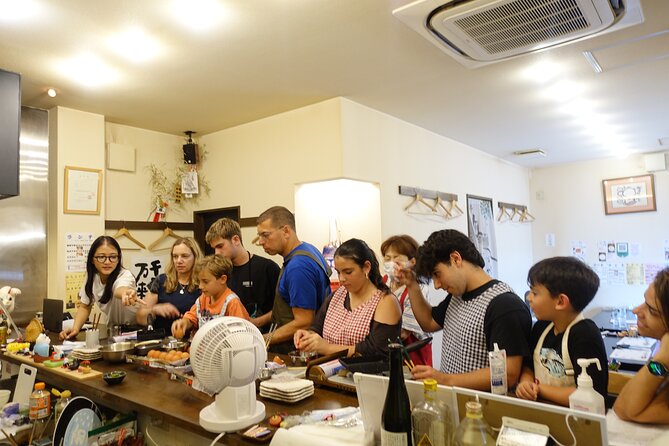
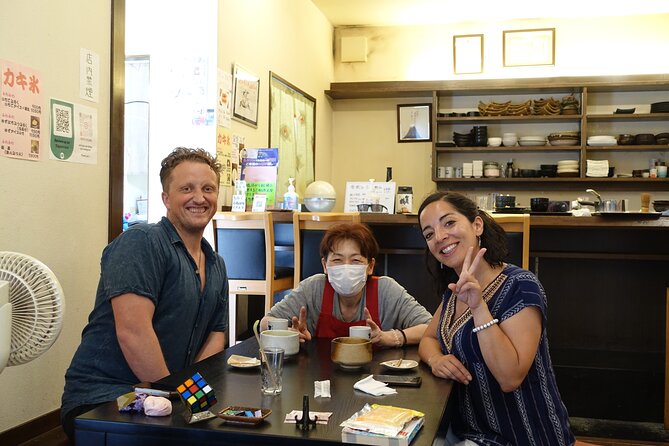
This class is capped at 10 travelers, and that is the whole point. In a larger group, you can end up doing the motions while the instructor talks into the air. Here, you get closer to the real teaching: you watch, you do, you ask, and you adjust.
Ikuko’s teaching style shows up in the reviews you will likely see yourself agreeing with: people call it super friendly, personal, and fun. Takumi being there to help with translation is another big plus. Even if your Japanese is basic, you still get the important parts—what to do, what not to do, and how to fix it if your first attempt does not look right.
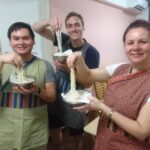
And yes, you will probably notice the atmosphere is more like cooking with a welcoming local family than attending a formal demo. That matters for matcha, too. Matcha is one of those things where small technique differences change everything, and you need feedback, not just instructions.
Choose Your Dish: Home-Cooked, Okonomiyaki, or Bento
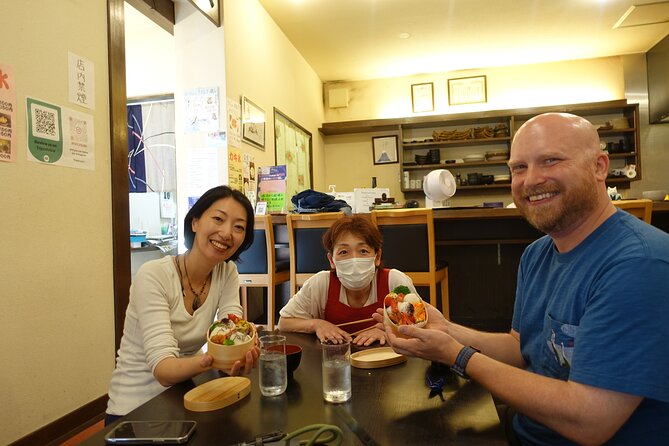
You do not get to sample three separate mains in the same session. Instead, you choose one dish option. That sounds limiting until you realize it is what makes the class feel hands-on.
Here are your three choices:
- Home-cooked dishes
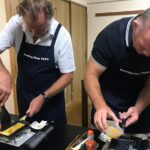
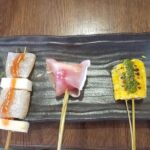
This option is aimed at Osaka-style “real life” cooking. You will learn techniques you can realistically repeat later, not just a fancy showpiece. In past sessions, people have shared examples like salmon and a rolled omelette style dish, which gives you an idea of the kind of practical comfort-food logic you are working with.
- Okonomiyaki
If you want the classic Osaka comfort food vibe, this is the pick. You’ll work through the process with guidance, and you get to understand how the different parts come together on the plate. Okonomiyaki is a great match for this kind of class because it is forgiving enough to learn in a group setting, yet detailed enough that technique matters.
- Bento
Bento-style cooking is about structure. It teaches you how to think in sections: what goes where, how you balance flavors, and how you put together a meal that looks neat and eats well. This is a smart option if you like Japanese food for everyday practicality, not just for a one-time meal out.
Whichever you pick, you are also learning authentic Japanese cooking techniques in Osaka. The goal is not only to leave fed. The goal is that you can recreate the logic of the dish later, when you are shopping at a regular grocery store and trying to translate what you learned.
Your Matcha Lesson: Making It at Home Instead of Guessing
A cooking class is good. A cooking class plus matcha is better—because matcha is where “I tried once” becomes “I can actually do it.”
The experience includes learning how to make matcha at home. That means you should leave with a better sense of process and technique, not just a syrupy memory of what matcha tasted like in a café.
In practice, what you are looking for in any matcha lesson is guidance on the basics: how to prepare properly, how to handle the bowl, and how to get a result you would recognize as matcha—not tea water with a green tint. With a small class and time to ask questions, you have a real chance to correct mistakes while you still have support.
Also, matcha pairs naturally with the kind of food you will cook here. Even if you are not an expert, you will start noticing how the balance of flavors works when you make both at once: hot or prepared matcha alongside savory dishes, and the way sweetness (if used) and bitterness play off each other.
The end result is that matcha stops being a mystery purchase you never quite master—and becomes something you can plan for at home.
Optional Sake Tasting: When the Meal Deserves a Little Extra
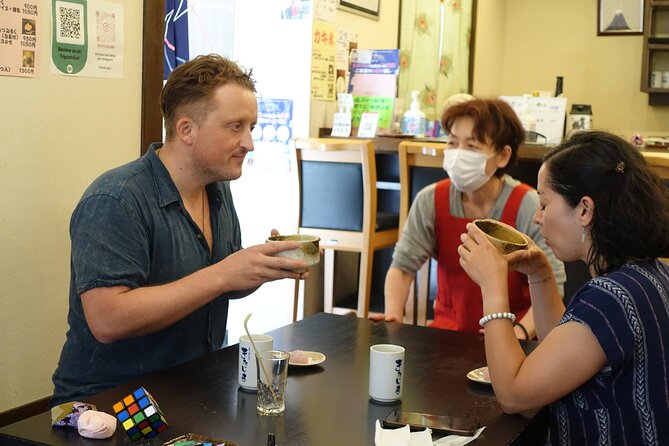
If you opt for the upgrade, your meal can include a sake tasting. This is not required, but it is a smart add-on if you enjoy exploring how Japanese drinks change the eating experience.
Here’s why it feels worth it in this specific class: you are not tasting sake in a vacuum. You just cooked the food yourself. That makes it easier to notice what tastes work better with certain flavors, textures, and levels of richness.
Sake tasting also tends to be a gentle way to deepen cultural context without turning the class into a formal lecture. You still get the main focus—food skills and matcha—while adding a fun, low-pressure sensory step.
If you want a more traditional meal experience, this upgrade fits well. If you prefer to keep things alcohol-free, you can still fully enjoy the class with the cooking and matcha instruction.



Where You’ll Be Cooking: The Meeting Point and How to Get There Easily
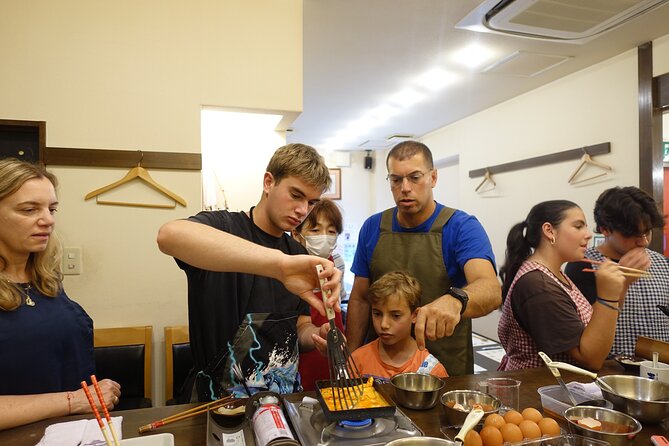
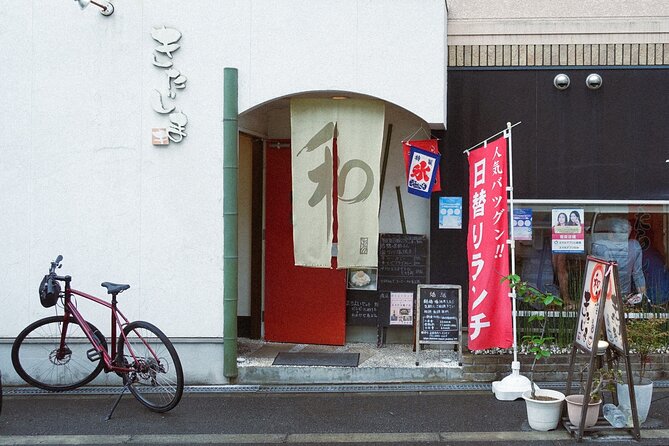
You meet at 3-chōme-8-2 Nakamichi, Higashinari Ward, Osaka, 537-0025, Japan. The experience ends back at the same meeting point.
Getting there is straightforward if you use the JR line:
- You are about one station from Osaka Castle Station by JR
- You can walk from Morinomiya Station (about 7 minutes)
It is also convenient from places many people already base themselves in, like Shinsaibashi and Namba. That matters because you can treat this class like a planned stop, not a major detour.
Timing note: the listed start time is 5:30 pm. If you choose lunch, you will want to confirm the exact start time for that option when you book, since the data you have here explicitly shows 5:30 pm.
Bring your normal cooking-class mindset: comfortable shoes. Even if the room is not huge, you will likely stand and move while you cook.
Price and Value: Is $65.69 Fair for This Class?
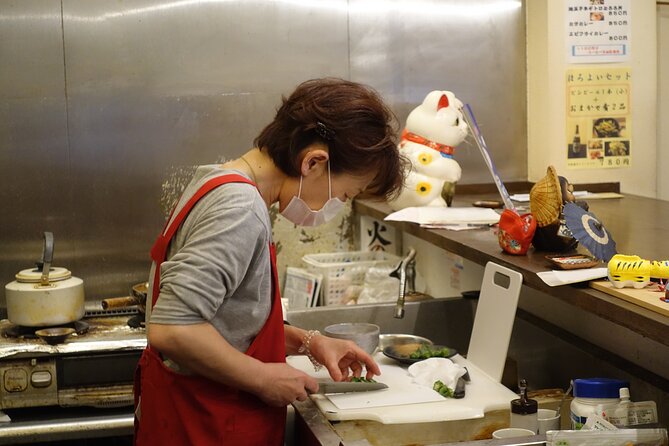
At $65.69 per person, you are paying for three things: instruction, hands-on practice, and the core experience of cooking plus matcha.
So is it good value? For me, the value comes from the combination:
- Small group size (max 10) means you are not paying for a crowd experience.
- You cook a full dish yourself, not just a taste test.
- You get matcha instruction you can replicate at home.
- And if you choose the upgrade, sake tasting is included with your meal.
You are also paying for local context. This class is set up around Osaka and typical dishes people enjoy, so you are learning how to make something that actually belongs on a Japanese table. That beats paying for a cooking show where you leave with recipes you cannot follow because the technique was never explained.
Two hours is a real time commitment, but it is also the sweet spot for travel. Long classes can be exhausting. Short ones can feel rushed. This one lands in the middle where you can learn without turning it into your whole day.
If you are on a tight budget, the cost might still feel steep. But if you want a genuine skill, not just a meal, it is a reasonable price for what you get.
Who This Osaka Cooking + Matcha Class Is Best For
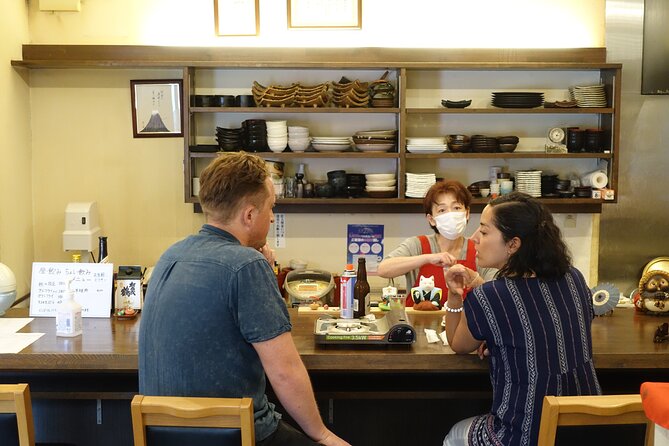
This class is a great fit if:
- You like hands-on learning more than watching
- You want an authentic Japanese home-style approach
- You are curious about matcha but want to leave with actual know-how
- You prefer a small group where questions are welcome
- You want a food experience that pairs well with sightseeing near Osaka Castle
It can also work nicely for couples, friends, and families—especially because the format is designed for personal attention. In the past, people have highlighted how charming Ikuko and Takumi are, which suggests the vibe stays friendly even for mixed ages.
You might skip it if:
- You want to sample multiple dish types in one go. Since you pick one option, your variety comes from your choice, not from getting three different mains.
- You prefer a very structured, formal class with strict timing for every minute. This is more family-run and interactive, which is a plus for many people but not everyone’s style.
Should You Book It? My Practical Take
Yes—if your ideal Osaka day includes learning a skill you can repeat later, book this. The small-group setting is the biggest reason. It turns cooking and matcha from something you dabble in to something you understand.
I’d especially book it if you care about matcha technique or you want a warm, welcoming local-host experience near Osaka Castle without a complicated logistics puzzle.
I would not book it if you are chasing maximum variety in a single sitting. You pick one dish option, and that is the trade-off for getting real attention and learning the core method well.
If you are deciding between a quick meal and a lesson: choose this. It is one of those rare travel experiences where you leave with both a full stomach and the ability to cook one of these dishes back home.
FAQ
How long is the cooking and matcha class?
The class is approximately 2 hours.
What dish options can I choose?
You can choose one option from: home-cooked dishes, okonomiyaki, or bento.
Is lunch available, or is it only dinner?
You can choose from lunch or dinner class options. The start time shown is 5:30 pm.
Does the class offer sake tasting?
Yes. There is an upgrade that includes a sake tasting with your meal.
Where is the meeting point?
The meeting point is 3-chōme-8-2 Nakamichi, Higashinari Ward, Osaka, 537-0025, Japan. The activity ends back at the meeting point.
How close is it to Osaka Castle and major transit stops?
It is about one JR station from Osaka Castle Station and a 7-minute walk from Morinomiya Station. It is also accessible from Shinsaibashi and Namba.
What is the group size?
The class has a maximum of 10 travelers.
Can I get a refund if I cancel?
Yes. You can cancel for a full refund up to 24 hours before the experience’s start time (local time).