REVIEW · OSAKA
Nara, Todaiji Temple & Kuroshio Market Day BUS Tour from Osaka
Book on Viator →Operated by S.A. Tour · Bookable on Viator
A day that links seafood drama and ancient temples. You get a guided coach day that stacks Wakayama Castle, Kuroshio Market, and Tōdai-ji into one efficient loop from Osaka. It’s one of those plans where the guide helps you move without stress, and you can focus on what each stop does best.
I especially like the way the market experience feels hands-on, not just sightseeing: there’s time for fresh seafood shopping and a tuna filleting/dismantling show atmosphere. I also like that Tōdai-ji gives you the big-ticket wow factor of Japan’s famous temple complex, with optional paid halls you can choose based on your interests and budget.
One thing to consider: the day runs about 10 hours and the schedule can feel bus-heavy, so if you hate long rides, you may want to mentally budget for transit time—and double-check what’s open at Wakayama Castle on the day.
In This Review
- Key highlights worth planning for
- A single long day: why this tour works
- What you’re paying for (and what you aren’t)
- From Osaka to Wakayama Castle: the first wow (and the first gamble)
- How to make the most of a tight castle window
- Kuroshio Market: tuna theatre, seafood shopping, and cash reality
- What to do during your market time
- Bring cash if you want to shop
- A possible timing mismatch
- Nara sika deer: quick joy before the big temple complex
- How to behave (so it’s fun for everyone)
- Tōdai-ji: the giant Buddha, the hall add-ons, and what to choose
- Spend your temple budget wisely
- When timing feels rushed
- The guide and driver factor: why your day can swing
- Timing and transit: the real cost is hours on the road
- Is it good value for $99.04?
- Who should book this tour
- Should you book this Nara, Tōdai-ji, and Kuroshio Market day tour?
- FAQ
- How long is the tour?
- What time does the tour start?
- Where do I meet the tour?
- How much does the tour cost?
- What is included in the price?
- Are admission fees included?
- Is Kuroshio Market included?
- Is there time to see the sika deer?
- Is the tour group size limited?
- Can I cancel for free?
Key highlights worth planning for
- A guided, air-conditioned coach from Osaka with a professional English/Chinese-speaking guide
- Kuroshio Market time plus a tuna filleting demonstration feel
- Nara sika deer time for photos and simple feeding moments
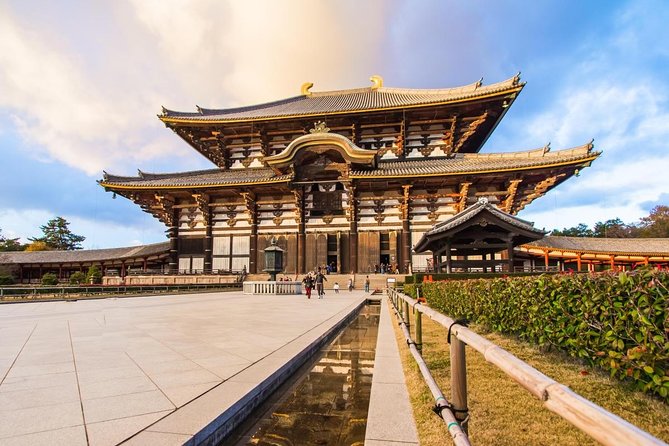
- Tōdai-ji time at Japan’s most famous giant Buddha complex
- Paid temple halls are extra, but you control how much you see
- Bring cash since some vendors and on-site fees may take cash only
A single long day: why this tour works
This is a true “pack it all in” day trip. You leave Osaka in the morning (start time is 8:30 am) and get brought back to the same meeting area. The payoff is simple: you don’t have to figure out multiple train transfers across different cities. You get transportation, guidance, and a fixed sequence of highlights.
That structure matters in real life. Wakayama, Nara, and their sights aren’t hard, but they are spread out enough that a solo day can turn into a lot of platform time. Here, your energy goes toward walking, looking, eating, and taking in the big sights.
You can also read our reviews of more shopping tours in Osaka

What you’re paying for (and what you aren’t)
The price is $99.04 per person, and it includes an air-conditioned vehicle plus a professional English/Chinese-speaking guide. The trade-off is that major admissions are not bundled.
You should expect extra costs for:
- Wakayama Castle: JPY 410 adult / JPY 200 child (ticket not included)
- Tōdai-ji complex halls/museum: JPY 600 / JPY 300 (includes the Great Buddha Hall and related areas listed)
Kuroshio Market admission itself is free, which helps keep the day balanced.
From Osaka to Wakayama Castle: the first wow (and the first gamble)
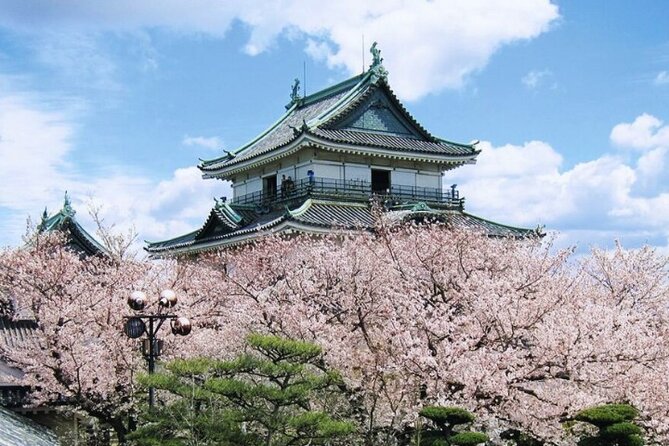
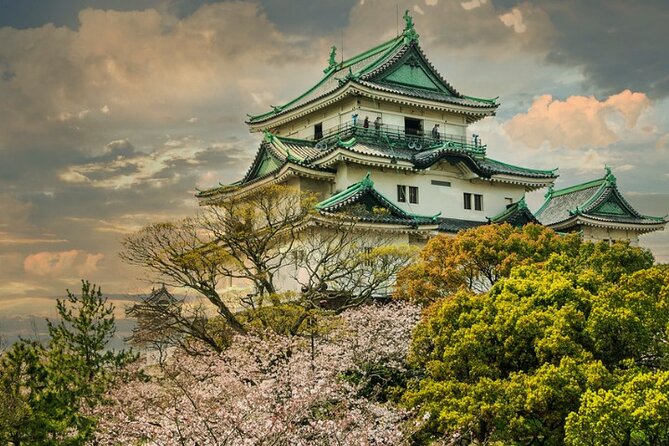
Wakayama Castle is your opener. It’s in Wakayama City and is tied to Japan’s late-16th-century power games. The original build is credited to Toyotomi Hideyoshi (1585), and it was later expanded and fortified by Tokugawa Hidetada.
The time slot is about 1 hour 20 minutes, but castle admission isn’t included. That matters because if you were hoping the paid portion would cover everything, it won’t.
How to make the most of a tight castle window
With a stop this size, you’re not doing a museum-level marathon. You’re more likely to:
- get your bearings on the castle grounds,
- take photos from the viewpoints you can reach in time,
- and decide quickly whether you want the extra paid indoor exhibits.
A practical caution: one past experience flagged that the castle can be closed and that people didn’t get clear notice in advance. I can’t promise your day will go that way, but it’s smart to keep a little flexibility in your expectations. If you’re the type who hates missed entrances, you might consider adding a contingency buffer to your plan for Wakayama.
Kuroshio Market: tuna theatre, seafood shopping, and cash reality
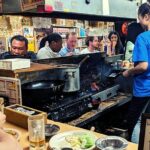
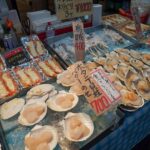
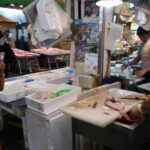
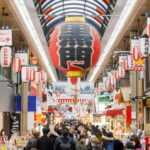
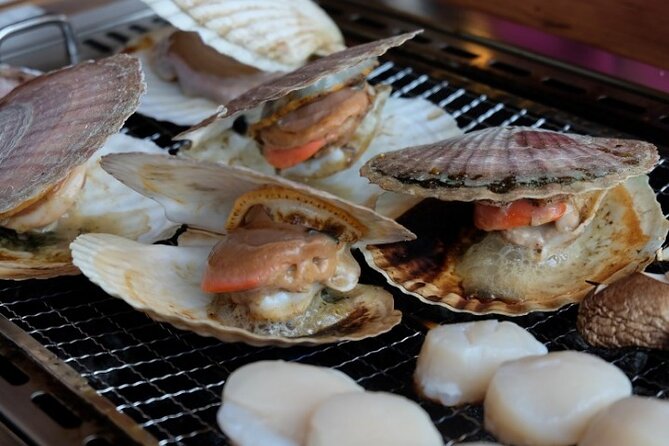
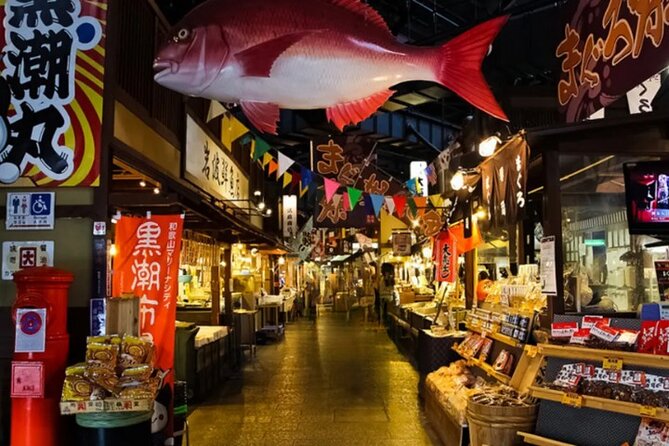
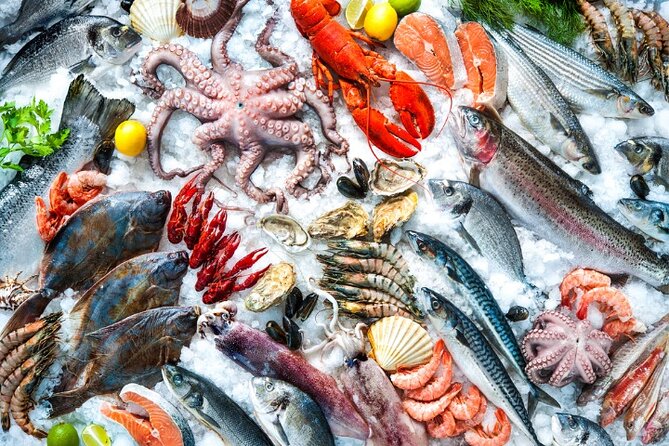
Kuroshio Market is the seafood stop, and it’s positioned near the Wakayama Marina City area. The attraction here isn’t just the look of stalls. It’s the energy: the market is known for fresh seafood, and the tour highlights a tuna filleting/dismantling demonstration.
You get around 2 hours at the market, and admission is free. In other words, this is where the tour makes good use of your time because the entry is low-friction and the sights are immediately visible.
You can also read our reviews of more tours and experiences in Osaka


What to do during your market time
Use the 2 hours like this:
- Watch the tuna demonstration at least once through. Even if you’re not a seafood superfan, it’s a clear snapshot of how the market works.
- Walk the stalls and sample the “what’s local today” feeling rather than trying to buy everything at once.
- If you see something you want, decide quickly. Market conditions move fast.
Bring cash if you want to shop
One repeated practical note from real-world experiences: many vendors may take cash only, and temple fees can be cash-based too. This tour doesn’t say everything is cash-only, so treat it as a “be ready” rule. Having yen in small bills makes your day smoother, especially if you end up wanting a snack or a small purchase.
A possible timing mismatch
Some people found the market time a bit long relative to what they wanted from the Nara portion. The flip side is that seafood shopping and the tuna show are the hardest-to-replicate parts of this itinerary, so the tour’s choice makes sense. Just know you may feel the schedule’s balance differently depending on whether you’re more into food shows or animal-and-temple time.
Nara sika deer: quick joy before the big temple complex
The Nara portion is built around sika deer. If you’ve seen Nara deer photos online, you know the vibe: friendly faces, lots of selfies, and the moment you realize these animals are so used to people that you’ll feel brave walking right up—until you notice your bag is suddenly interesting.
The tour gives you time to interact with the deer. That’s not just a photo stop. It’s a small cultural “contact moment” that breaks up the more formal parts of the day.
How to behave (so it’s fun for everyone)
Since the deer are a key feature here, your best move is to keep it simple:
- be calm and observant,
- keep your hands and pockets secure,
- and follow whatever instructions your guide gives on feeding or approaching.
It’s also worth remembering that this part of the day can be chaotic at ground level. Plan to enjoy the energy, not fight it.
Tōdai-ji: the giant Buddha, the hall add-ons, and what to choose
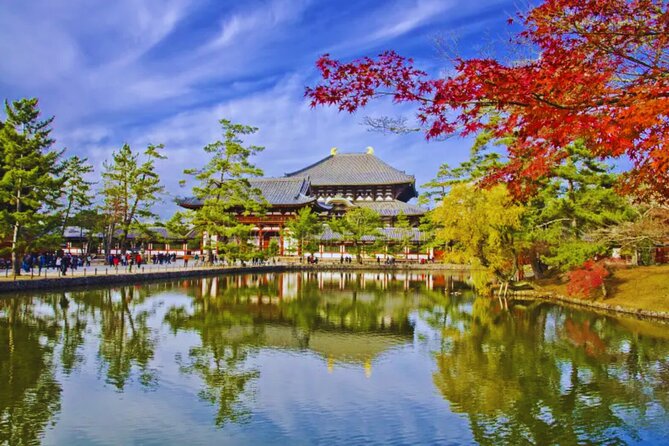
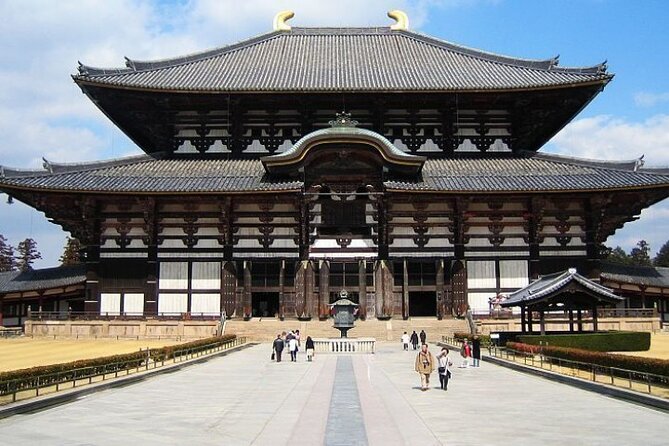
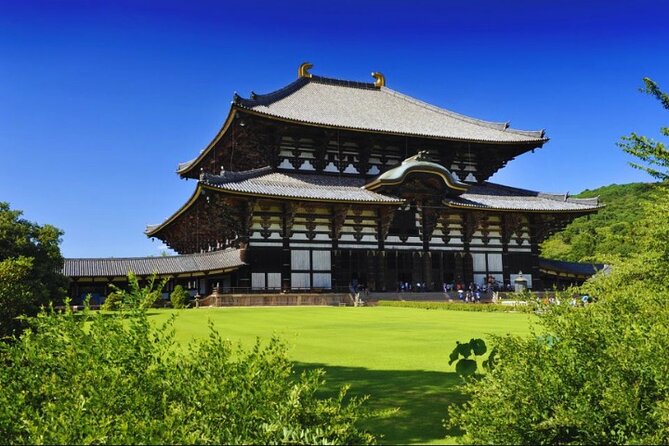
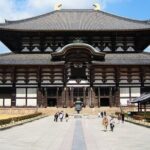
Tōdai-ji is the anchor. It’s in Nara and dates back to the early 8th century in the Nara period. It’s famous for being one of Japan’s most important temple complexes, including the Great Buddha areas.
You get about 2 hours at the temple. Admission to the overall site may be free on the tour schedule, but these specific areas are paid:
- Great Buddha Hall
- Hokke-do
- Kaidan-do
- Senju-do
- Tōdai-ji Museum
Fee listed is JPY 600 adult / JPY 300 child.
Spend your temple budget wisely
With only 2 hours, you need to choose your priorities fast. If you’re coming for the iconic giant Buddha moment, the Great Buddha Hall is your center. If you like architectural details and smaller halls, you can add one or two of the listed extras—depending on your pace and the lines you hit.
The museum is also a smart add-on if you want context on what you’re seeing, but it can eat time. If you find crowds slow you down, you may decide it’s not worth it for your day.
When timing feels rushed
A few real-world experiences complained the end of the day felt rushed. That’s usually what happens when earlier stops run long or when a guide has to keep everyone on schedule through the final transfer back to Osaka. If you’re the kind of person who wants to linger without worrying about the next bus minute, go in with the mindset that this tour is structured, not leisurely.
The guide and driver factor: why your day can swing
The tour includes a professional English/Chinese-speaking guide and an air-conditioned coach. Guide quality clearly affects the experience a lot because most of the value is in interpretation: what things mean, where to walk, what to look for, and how to manage time.
In past experiences, guides named Chan, Poey, and Alan were called out for being friendly, funny, and helpful, with clear explanations. That’s a good sign that the guiding team can be strong.
But it’s also fair to know that some people felt guide support was light—more like directions than commentary—and that English ability wasn’t always strong. The best strategy? When your guide speaks, treat it as your “cheat sheet.” Ask one simple question early in the day, even just something like what to prioritize at Tōdai-ji. If the guide has good English, you’ll get quick clarity.
Also note: there was a comment about vehicle condition in one case, while the driver was kind. The tour is air-conditioned, but the coach experience depends on the specific vehicle used that day.
Timing and transit: the real cost is hours on the road
This is a 10-hour day. That’s normal for covering multiple cities by bus, but it’s still the biggest “hidden” factor in your enjoyment.
One common complaint was that a large chunk of the day felt spent on the bus, and that a stop didn’t have enough time for the depth people wanted. The itinerary structure seems designed to keep moving: Wakayama Castle first, then the market, then Nara and Tōdai-ji.
So for value, your best approach is to treat this tour as a highlights sampler. If you want deep, slow Nara wandering with no schedule pressure, you might prefer staying overnight. If you want a one-day best-of that’s hard to piece together solo, this fits.
Is it good value for $99.04?
For many people, it is. Here’s why:
- You get transport in an air-conditioned vehicle for a full-day route.
- You get a guide for English/Chinese interpretation.
- You hit three major areas that would take separate planning otherwise.
- Kuroshio Market admission is free, so your extra paid costs are mainly the castle and Tōdai-ji halls.
Where value can slip is if you’re expecting admissions to be included. They’re not. Also, if you dislike market-heavy time or you personally prefer more time with deer/temples, the fixed schedule could feel off.
Still, if you go in knowing what’s included and what’s extra, this is a reasonable price point for a structured day across Osaka-area transit.
Who should book this tour
This tour is a strong pick if you:
- want a single-day solution with one coach ride plan,
- like the idea of pairing food-market energy with a major temple site,
- don’t want to wrestle with transit timing across Wakayama and Nara,
- enjoy seeing Nara sika deer but also want a serious cultural anchor in Tōdai-ji.
It may be less ideal if you:
- hate being on a bus for hours,
- prefer spending most of your day inside museums and halls,
- or know you’ll be upset if a major entry point like Wakayama Castle isn’t available.
Should you book this Nara, Tōdai-ji, and Kuroshio Market day tour?
I’d book it if you want a guided, structured sampler and you’re happy to pay small add-on admission fees on top. The combination of a market with tuna demonstration, Nara deer time, and Tōdai-ji’s giant Buddha areas is a memorable mix that’s hard to assemble as smoothly on your own in a single day.
I’d hesitate if you’re very schedule-sensitive or you only care about one of the three stops. In that case, you might do better choosing a smaller, more focused plan so you can control your pace.
If you do book, go prepared with yen (cash helps), wear comfortable shoes, and treat the guide’s advice as your time-saving tool—especially at Tōdai-ji, where the paid halls help you decide what matters most.
FAQ
How long is the tour?
It runs about 10 hours.
What time does the tour start?
The start time is 8:30 am.
Where do I meet the tour?
The meeting point is 2 Chome-2 Umeda, Kita Ward, Osaka, 530-0001, Japan.
How much does the tour cost?
The price is $99.04 per person.
What is included in the price?
An air-conditioned vehicle and a professional English/Chinese-speaking guide are included.
Are admission fees included?
No. Wakayama Castle is not included (JPY 410 adult / JPY 200 child). For Tōdai-ji, the Great Buddha Hall and related areas are also paid (JPY 600 / JPY 300). Kuroshio Market admission is free.
Is Kuroshio Market included?
Yes. Kuroshio Market is one stop, with about 2 hours and free admission. The tour highlights fresh seafood and a tuna dismantling/filleting demonstration.
Is there time to see the sika deer?
Yes. The tour includes interaction time with adorable sika deer in Nara.
Is the tour group size limited?
Yes. It has a maximum of 45 travelers, and it requires at least 8 travelers to depart.
Can I cancel for free?
Yes. You can cancel for a full refund if you cancel at least 24 hours before the experience start time.