REVIEW · OSAKA
Osaka: Traditional Mochi Pounding Experience with Tasting
Book on GetYourGuide →Operated by The Osaka&Tokyo · Bookable on GetYourGuide
Pound mochi beside the Osaka canal. In this hands-on Osaka workshop, you turn steamed glutinous rice into pillowy mochi using traditional tools, then taste what you make right away. I like the small-group feel, and I really enjoy that the class mixes process and results instead of stopping at a demo.
You start with a short intro to why mochi matters, then you get guided step-by-step with friendly instructors such as Seina and Grace. The rhythm is simple: steam, mash, pound, shape, and sample with classic seasonings.
One thing to consider: mochi pounding takes real effort. If your wrists or shoulders are feeling fragile, plan on stamina—and maybe pace yourself like you’re training, not just playing.
In This Review
- Key Highlights You’ll Feel in Your Arms (and Taste Buds)
- The 1-Hour Flow: Steam to Mochi to Tasting
- Ten Minutes of Mochi Culture That Actually Matters
- Traditional Tools, Serious Stickiness, Real Technique
- Tea, Kinako, Nori, Sweet Soy, and Red Bean Paste
- Location Tips: Look for the Riverside Entrance
- Group Size and Guide Attention (Why This Feels Personal)
- Price and Value: What $31 Actually Buys You
- Who Should Book This (and Who Might Want to Skip)
- What to Wear and How to Prepare
- Should You Book This Mochi Pounding Class?
- FAQ
- How long does the mochi pounding experience last?
- What is included in the price?
- Do I need to bring any tools or ingredients?
- Is there an age recommendation?
- How large is the group?
- What languages do the instructors speak?
- Is transportation to and from the activity included?
- What is the cancellation policy?
Key Highlights You’ll Feel in Your Arms (and Taste Buds)
- A 10-minute mochi history intro before you get started pounding
- Traditional tools and real technique (mortar and pestle, not just a staged demo)
- All the classic toppings on the tasting table: kinako, sweet red bean paste, nori, and sweet soy sauce
- Tea included with your tastings
- Small group capped at 4 participants so the guides can keep an eye on you
- Two plan types: adult (13+) and family (all ages), so it fits different trips
The 1-Hour Flow: Steam to Mochi to Tasting
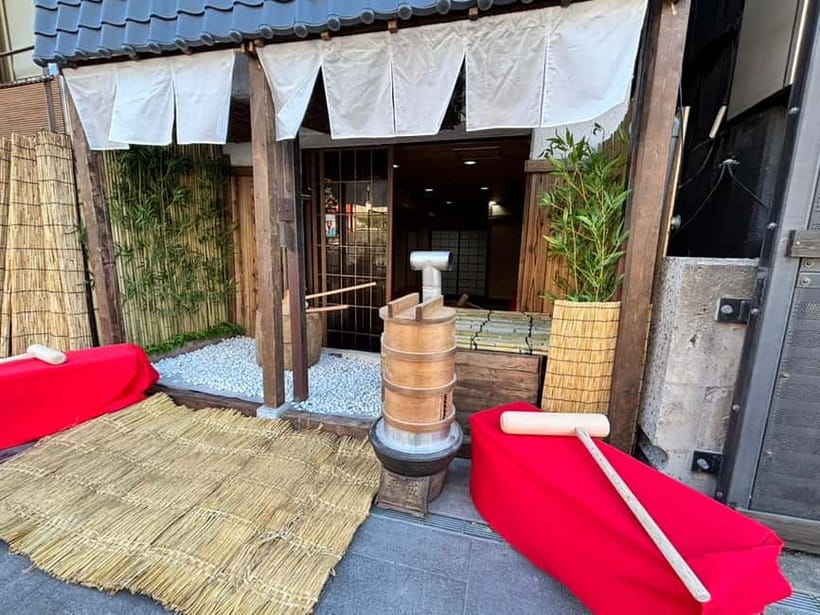
This experience runs about one hour, which is a sweet spot in Osaka. Long enough to actually make mochi with your own hands, short enough that you won’t wreck your dinner plans.
You’ll move through the stages in order: first a quick cultural intro, then steaming and working the glutinous rice until it turns into a workable dough. After that comes the main event—pounding the mixture until it becomes the springy, smooth texture mochi is famous for—followed by shaping and a tasting.
The payoff is immediate. You don’t just learn how mochi is made; you get to eat it with several toppings and tea soon after each step.
You can also read our reviews of more food & drink experiences in Osaka


Ten Minutes of Mochi Culture That Actually Matters
Right away, the guides give a 10-minute introduction focused on the cultural significance and origins behind mochi pounding. It’s not a lecture marathon. Instead, it’s timed to make what you’re doing feel meaningful, not random.
I like that this kind of short context makes the pounding click. When you understand mochi is tied to seasonal traditions and Japanese food culture, the process becomes more than a gimmick. It turns into a hands-on story you can remember because your hands were involved.
You’ll also hear guidance in English and Chinese, which helps if your Japanese is basic. The class keeps things practical while still giving you reasons behind the techniques.
Traditional Tools, Serious Stickiness, Real Technique
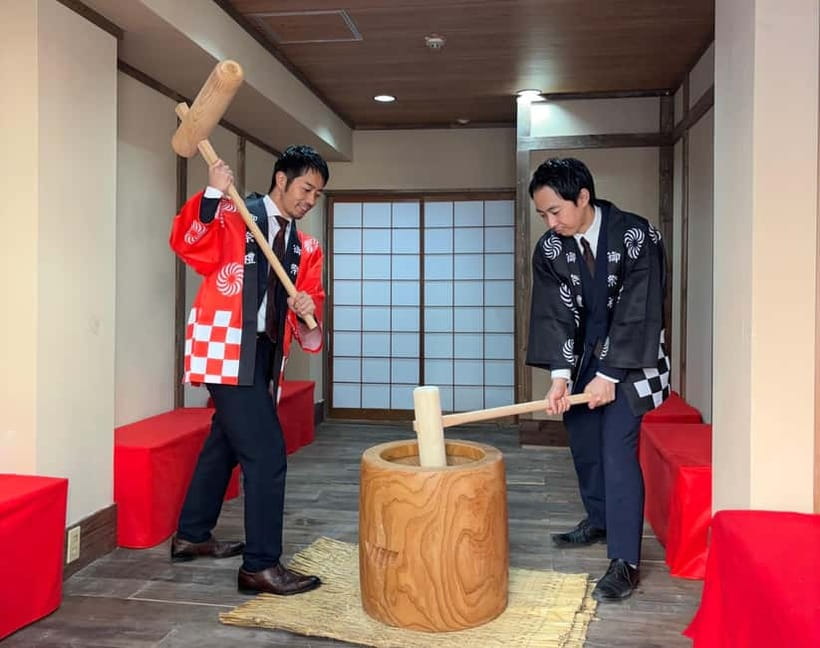
This is a workshop where you’ll use traditional equipment—think mortar and pestle style pounding. Reviews and experience details point to one clear truth: mochi is sticky, and you build the right texture through repeated pressing and working.
The guide support is key, especially because mochi dough wants to behave one way and you might want it to behave another way. You’re not left alone with a lump of rice dough. Instead, the instructor(s) explain what to do and help keep everyone moving at the right pace.
Also, don’t underestimate the physical side. The pounding is fun, but it’s also work. If you’re going with kids, adults tend to do fine—but you’ll still want to keep sessions relaxed and listen for coaching on technique so it stays enjoyable.
Tea, Kinako, Nori, Sweet Soy, and Red Bean Paste
The tasting is where the class becomes a snack you’ll remember. After you shape your mochi, you get a cup of tea and a selection of classic Japanese flavorings.
Based on the info provided, your options include:
- Kinako (roasted soybean flour)
- Sweet red bean paste
- Nori (seaweed)
- Sweet soy sauce
This matters because mochi tastes different depending on what coats it. Kinako gives a nutty, toasty profile. Sweet soy sauce adds depth and gloss. Red bean paste brings that classic sweet bean comfort. Nori adds a savory edge that surprises people who expect mochi to be only dessert-sweet.
And yes, you’ll likely end up full. It’s a dessert experience, but the portions aren’t tiny. If you’re trying to keep your Osaka food budget efficient, this can replace a chunk of a heavier meal.
Location Tips: Look for the Riverside Entrance
The meeting point can vary by booking option, so check your confirmation message. What you can plan for, though, is that the entrance is tied to the river/canal side rather than a street-front you might expect.
Some guests specifically note that it’s near the riverfront area around Dotonbori, and the entrance can be easy to miss if you only scan the big main streets. A handwritten sign near the entrance area is something to watch for.
Practical tip: give yourself a few extra minutes. If you’re late, you’ll lose the calm start where they explain what’s coming next.


Group Size and Guide Attention (Why This Feels Personal)
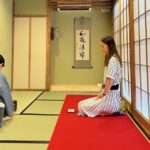
With groups limited to 4 participants, this doesn’t feel like a crowded “line up and copy the leader” situation. Smaller groups mean you get more coaching and fewer awkward pauses.
Instructors are reported as friendly, cheerful, and interactive—people like Seina, Taka, Misaki, Moe, Grace, Pari, and Aiko show up across the experience details. The important part isn’t the exact name; it’s that the guides keep things upbeat and help you stay confident while handling the pounding and shaping.
If you’re traveling solo, that small group size also helps. You’ll still get time with the instructor, and the environment tends to be welcoming for questions. Plus, many guests mention help with photos, which is a nice bonus when your Osaka itinerary has lots of food you want to remember.
Price and Value: What $31 Actually Buys You
At $31 per person, you’re not just paying for dessert. You’re paying for instruction, guided hands-on time, and the ingredients and materials to make the mochi yourself.
Here’s why the value is reasonable for Osaka:
- You get guided mochi pounding, not just observation
- You receive all necessary materials and ingredients
- Your ticket includes tasting with multiple classic seasonings and tea
- The group size stays small, so the cost is less about “capacity” and more about “time and attention”
Also, the class is one hour, so you’re not stuck committing half a day. That makes it easier to slot into a busy Osaka day without turning it into a logistics project.
One more small note: transportation to and from the activity isn’t included. If you’re already walking around the Dotonbori river area, this is simpler. If you’re coming from farther out, just plan the trip so you arrive early.
Who Should Book This (and Who Might Want to Skip)
This workshop is a great fit if you want one of the most hands-on food experiences in Osaka. You’ll probably love it if you enjoy cooking activities, want a cultural food moment that isn’t abstract, and like eating what you make.
It’s also a strong option for mixed groups:
- Families: there’s a family experience for all ages
- Teens and adults: there’s an adult plan for ages 13 and up
The main “maybe” is the physical side. Pounding takes effort, and the dough is sticky. If you have limited grip strength or you’d rather avoid repetitive pressing, you might still enjoy watching and learning—but you should know the experience is designed around doing.
What to Wear and How to Prepare
This is hands-on, so wear comfortable clothing you can move in. You’ll be working with sticky dough and using traditional tools, so keep your outfit practical.
You don’t need to bring the ingredients or special tools since everything necessary is included. But you should come with a mindset of hands-on play, not perfection.
If you want a smoother experience, arrive early and take a moment to get settled before the 10-minute intro starts.
Should You Book This Mochi Pounding Class?
If you want a memorable Osaka food activity that’s equal parts culture, technique, and eating, I think this is a smart booking. The best reasons are the hands-on pounding, the short culture intro, and the tasting with multiple classic toppings plus tea.
Book it especially if you’re:
- Short on time but want a real activity
- Traveling with family or a mixed-age group
- Excited by Japanese sweets beyond just buying them at a shop
Skip or reconsider if you dislike physical activities like pounding, or if you’re looking for something mostly visual with no hand-on work. Otherwise, this is one of those “you’ll remember it because you made it” experiences.
FAQ
How long does the mochi pounding experience last?
The experience runs for 1 hour, with starting times based on availability.
What is included in the price?
You get a guided mochi pounding experience, all necessary materials and ingredients, a tasting session with traditional Japanese seasonings, and instruction from the guides.
Do I need to bring any tools or ingredients?
No. The experience includes all necessary materials and ingredients. Just wear comfortable clothing for a hands-on activity.
Is there an age recommendation?
Yes. There’s an Adult Experience for ages 13 and up, and a Family Experience for all ages.
How large is the group?
It’s a small group limited to 4 participants.
What languages do the instructors speak?
The instructor languages are English and Chinese.
Is transportation to and from the activity included?
No. Transportation isn’t included, so plan how you’ll get there.
What is the cancellation policy?
There is free cancellation up to 24 hours in advance for a full refund. You can also reserve and pay later, meaning you pay nothing today.