REVIEW · OSAKA
【Private】Sushi Making Osaka! Omakase Cooking Class in Japan!
Book on Viator →Operated by Sushi Making Tokyo | Cooking Class in Japan · Bookable on Viator
Sushi secrets are easier than you think. This hands-on sushi class in Osaka teaches you real technique while also covering the story behind the food, so you leave with more than just a full stomach. You’ll make nigiri and maki during the session, then eat what you make.
I especially love how clearly the class is taught in English, with a calm, patient approach I noticed from the instructor team (Momoka, plus help from staff like Momo and Hiro). It’s also fun in a practical way: you get time to make several pieces, not just one quick demo.
One thing to weigh: the price is set per group (up to 10). If your group is small, it can feel expensive compared with dropping into a regular public class.
In This Review
- Key highlights at a glance
- Why a sushi-making class in central Osaka is a smart move
- What you learn: nigiri and maki, not just a sushi photo-op
- Nigiri sushi
- Maki sushi (roll sushi)
- How the 90 minutes actually flow (and why that timing works)
- The instructor team: clear English, patience, and real energy
- Osaka location: meet near Higashishinsaibashi, then keep exploring after
- Dietary options and ingredient limits: what you can and can’t control
- Price and value: $848.74 per group up to 10
- Who this class suits best (and who might want another option)
- Should you book Sushi Making Osaka?
- FAQ
- How long is the sushi making class in Osaka?
- What types of sushi do you learn?
- Do you get to eat what you make?
- Is the class private?
- What’s included in the price?
- Is hotel pickup or drop-off included?
- Are there dietary options?
- Where does the class meet?
- Are service animals allowed?
Key highlights at a glance
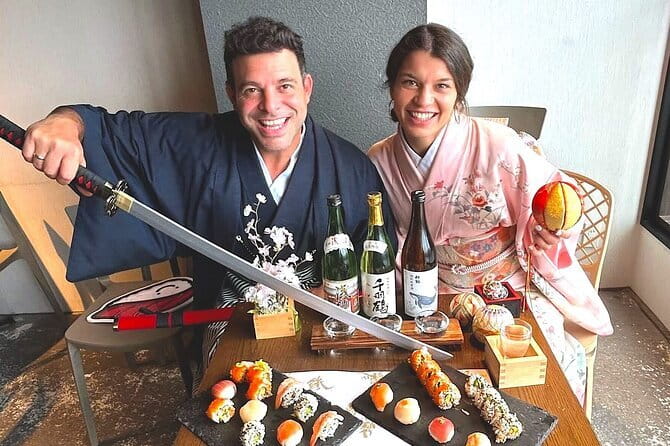
- Two sushi styles in one session: nigiri and maki, with hands-on practice for both
- English-first teaching: clear explanations from the instructor team, including Momoka
- Make-and-eat timing: you create first, then eat during the second half
- Dietary options available (standard gluten-free, vegan/vegetarian, halal, and certain allergy needs)
- Private group format: it’s just your group at the class, up to 10 people
Why a sushi-making class in central Osaka is a smart move
Osaka is a great base for food learning because it’s practical, social, and seriously into eating well. A sushi class here fits that energy: you’re not just watching. You’re doing. And because the class focuses on two core styles—nigiri and maki—you get a quick map of how sushi is built and why it tastes the way it does.
I also like that this isn’t framed as a fancy, untouchable tradition. The goal is Japanese culture you can actually use at the table. The instructors aim to make the experience friendly and easy to follow, even if you’ve never held a sushi rice paddle or rolled like a pro.
If you care about value, this matters. Many food tours give you samples. This gives you a skill and a meal. That means your money turns into something you can repeat later.
You can also read our reviews of more private tours in Osaka

What you learn: nigiri and maki, not just a sushi photo-op
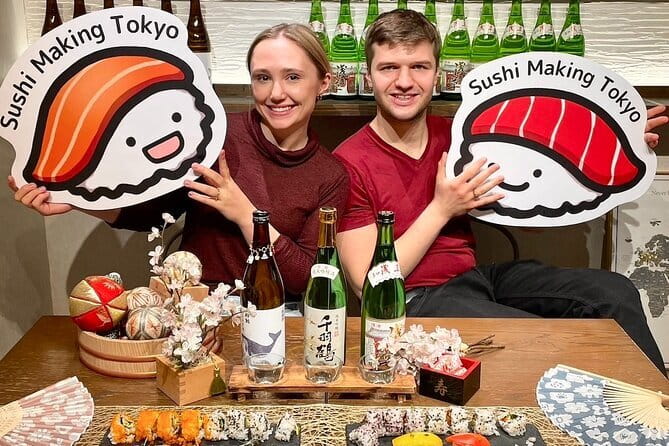
The class has a clear structure: you’ll learn how to make two types of sushi.
Nigiri sushi
Nigiri is the classic. It’s the most standard sushi style in Japan and the origin point for what most people think of when they hear sushi. In the class, you’ll learn the basics of building nigiri so the rice and topping make sense together.
Even if you’ve eaten nigiri before, making it changes your understanding fast. You start noticing how rice shape affects balance, and why sushi doesn’t feel like a loose pile—it’s designed to be held and eaten in one bite.
Maki sushi (roll sushi)
Then you move to maki, the roll style popular around the world. Rolling is where your hands learn muscle memory: spreading rice, placing fillings, rolling tightly enough to hold, but not so tight you mash everything into a paste.
The practical win here is that you’re learning both a simple sushi format (nigiri) and a technique-heavy format (maki). If you ever want to cook Japanese food again at home, these two are strong starting points.
How the 90 minutes actually flow (and why that timing works)
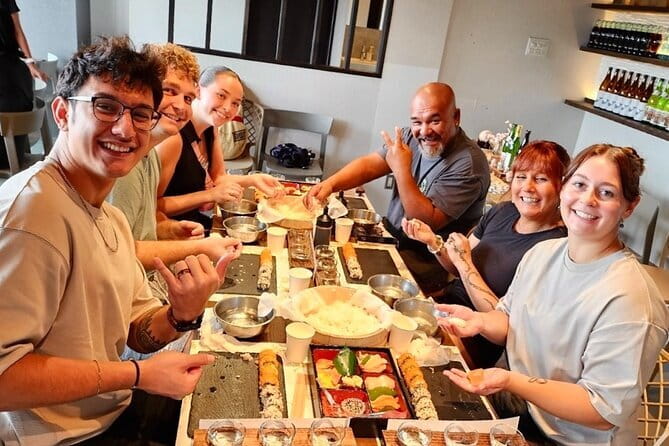
The session runs about 90 minutes, and the pacing is built for attention.
First half: learn a bit of sushi history, then get hands-on. You make sushi during this time, with the ability to make as many pieces as you like within the class flow. This is important. If the class only teaches and never gives you real practice time, you leave knowing the words but not the technique.
Second half: eat. You get to enjoy the sushi you made, which also acts like a feedback loop. You can taste how the choices you made—rice texture, roll tightness, overall size—show up in flavor and bite.
If you’re the type who gets hungry fast, this structure helps. You’re not staring at finished plates while waiting your turn. You build, then you eat.
You can also read our reviews of more cooking classes in Osaka
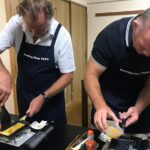
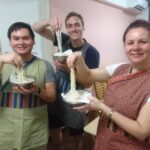
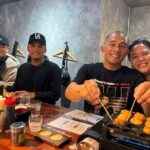


The instructor team: clear English, patience, and real energy
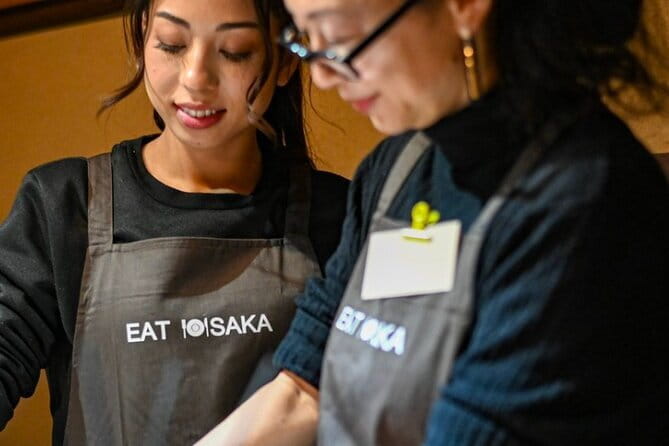
The biggest advantage of this class is the teaching vibe. Reviews consistently point to an instructor who speaks excellent English and keeps things comfortable, which is exactly what you want in a hands-on cooking class.
Momoka is mentioned directly as an instructor in feedback, and other staff like Momo and Hiro show up in the same positive pattern: enthusiastic, helpful, and patient. That combination matters because sushi is mostly about small details. If someone explains those details clearly, you can correct yourself fast.
And yes—making sushi can feel a little awkward at first. Your hands do strange things when you’re nervous. The team’s job is to remove that tension so you can focus on technique, not performance.
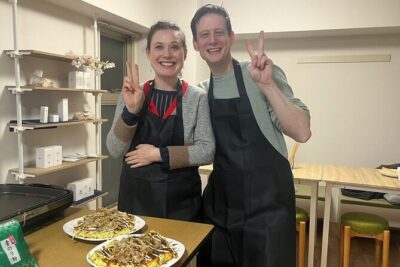
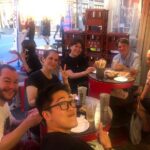
I also appreciated the way the class feels like a group activity rather than a rigid lesson. People get comfortable enough to keep trying, even if their first roll looks less like a perfect log and more like a brave experiment. That’s part of the fun.
Osaka location: meet near Higashishinsaibashi, then keep exploring after
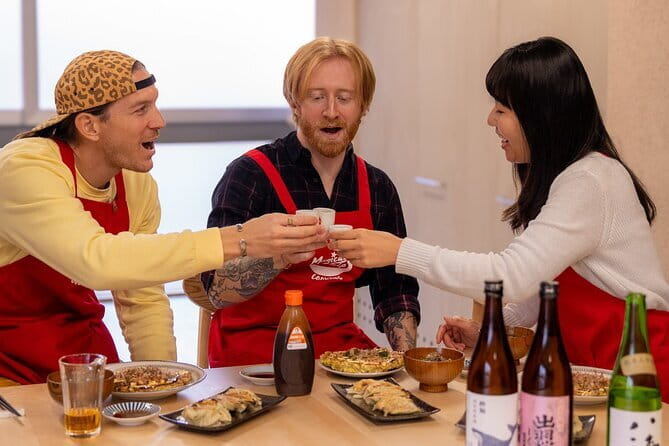
The meeting point is in Higashishinsaibashi, Chuo Ward, a central Osaka area that’s easy to connect to with public transportation. That matters because Japan transit is great, but you still want to minimize time lost to complicated transfers—especially for a short class like this.
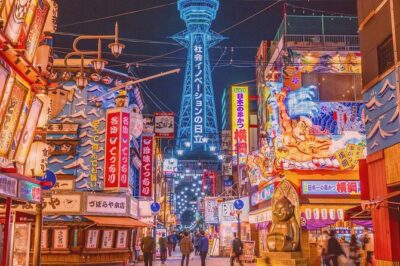
The session ends back at the meeting point, which makes your schedule flexible. After the class, you can tack on nearby sightseeing, or just wander toward Osaka’s food streets and keep the momentum going.
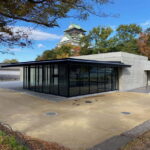
One more detail: at least one reviewer mentioned a great view from the space. You may catch something nice from where the class takes place, but even without that, the location helps you turn the class into part of a bigger Osaka day.
Dietary options and ingredient limits: what you can and can’t control
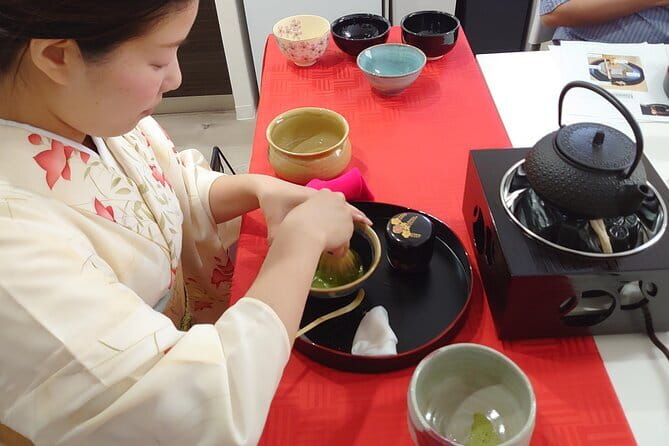
This is one of the more thoughtfully flexible parts of the experience.
You can request several menu styles:
- Standard (gluten-free)
- Vegan / vegetarian
- Halal
- Allergy menu with restrictions: not used include meat, nuts, fruits, dairy
That said, there’s an important constraint: the class notes you can request menu changes, but it does not accept ingredient specifications. So you’re not customizing down to an exact ingredient list. You’re choosing from the available menu categories.
If you have a serious allergy, plan early and communicate carefully at booking. Also double-check that the allergy option matches your needs, since the class lists specific exclusions rather than offering fully open-ended customization.
Price and value: $848.74 per group up to 10
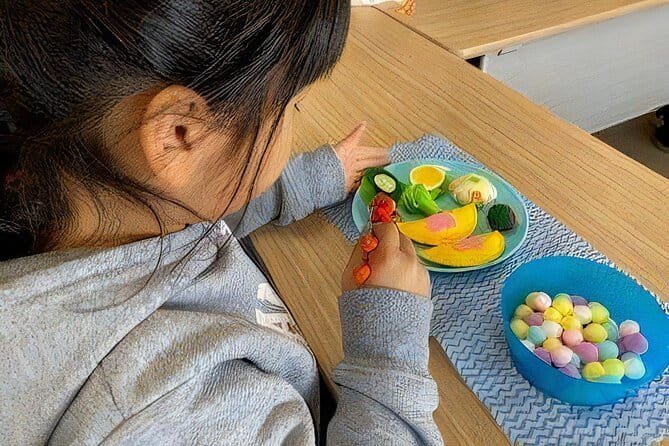
Let’s talk money honestly.
The price is $848.74 per group, with up to 10 people. That means the value depends heavily on how many people you actually bring. If you’re a full group near the max, the effective cost per person becomes much more reasonable. If you book just two or three people, it can feel steep versus public classes.
So the smart play is booking with friends, family, or other travelers you’re meeting up with in Osaka. The private format helps here because you can turn it into a shared activity with a smooth, low-stress setup.
What you’re getting for the price:
- An English-speaking instructor
- Ingredients for the cooking class
- The sushi meal you eat
When I judge value for food classes, I look for two things: enough hands-on time to actually learn, and a meal that makes sense. This class checks both boxes: you make sushi during the session and eat the results afterward.
Also, the experience has strong recognition (Travelers’ Choice Awards Best of the Best Things to Do 2024, plus high TripAdvisor rankings in gourmet and popular Asian activities). Awards don’t guarantee you’ll love it, but they do suggest consistent quality.
Who this class suits best (and who might want another option)
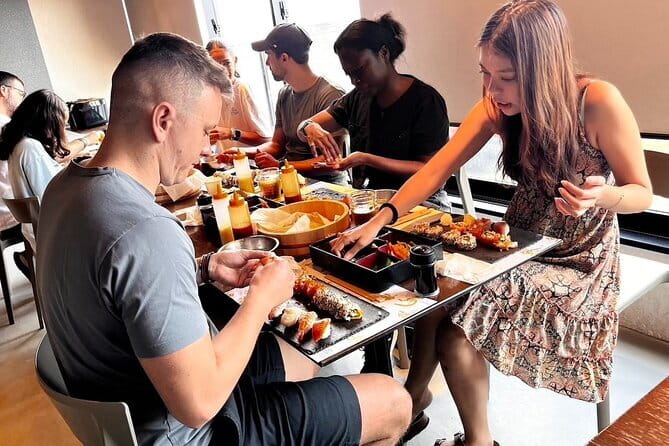
This works well if you want:
- A practical cooking skill in a short time
- English instruction that’s easy to follow
- A private group setting (up to 10)
- A friendly atmosphere where you can ask questions without feeling rushed
It’s also described as fun and suitable for different ages. If you’re traveling with teens or a grandparent who enjoys hands-on cooking, sushi is often a great “learning food.” It’s interactive, but not too complicated to enjoy.
Who might hesitate?
- If you’re coming to Japan for culinary experiences but hate cooking at all, this won’t feel like a fit. This is hands-on by design.
- If you’re a solo traveler, the per-group pricing can be hard to justify unless you can join with others at a similar time.
- If you need very specific dietary control beyond the categories listed, you may feel limited because ingredient-by-ingredient requests aren’t accepted.
Should you book Sushi Making Osaka?
If you want a memorable Osaka food moment that includes real technique, clear English teaching, and a meal built from your own work, I’d book it. The make-and-eat structure, plus the patient energy from instructors like Momoka and the team (Momo and Hiro are named in feedback), is exactly the combo that turns a cooking class into a vacation highlight.
My only “don’t rush” check is price math. If you’re traveling with a larger group who can fill at least a good chunk of the 10-person capacity, it turns into strong value. If you’re booking for just a couple of people, it can still be fun, but you’ll want to be sure you’re paying for the private format and hands-on learning—not just a quick bite of sushi.
FAQ
How long is the sushi making class in Osaka?
The class runs about 90 minutes (approximately 1 hour 30 minutes).
What types of sushi do you learn?
You learn two types: nigiri sushi and maki sushi (roll sushi).
Do you get to eat what you make?
Yes. The class schedule has a portion where you eat sushi during the second half of the experience.
Is the class private?
Yes. It’s a private tour/activity, and only your group participates.
What’s included in the price?
The price includes an English-speaking instructor, plus the ingredients for the cooking class and the meal.
Is hotel pickup or drop-off included?
No. Hotel pickup and drop-off are not included.
Are there dietary options?
Yes. You can choose among menu options including Standard (gluten-free), Vegan/vegetarian, Halal, and an Allergy option that excludes meat, nuts, fruits, and dairy. Ingredient-by-ingredient specifications are not accepted.
Where does the class meet?
The meeting point is Sushi Making Osaka, 1-chōme-16-20 Higashishinsaibashi, Chuo Ward, Osaka, 542-0083, Japan.
Are service animals allowed?
Yes, service animals are allowed.