REVIEW · OSAKA
Deep Dive: Osaka Food Markets from Local to Luxurious!
Book on Viator →Operated by Pinpoint Traveler, Inc · Bookable on Viator
Osaka food markets make the city click fast. You’ll move from a high-end depachika basement hall to classic open-air stalls, guided by someone who can explain what you’re looking at and how to order.
I especially like the mix of local grocery-style stops and food shopping streets, so you see how Osaka eats in real life, not just in photos. And I like the way guides show the logic behind the ingredients, from seafood counters to Korean influences.
One catch: this is not a full meal plan. Snacks and food purchases aren’t included, and you’ll walk enough that comfy shoes matter.
In This Review
- Key highlights to pay attention to
- Why Osaka Markets Feel Like a Shortcut to Local Life
- The Smart Route: Depachika, Wet Market, Korea Town, Kuromon, and More
- Stop 1: Takashimaya Osaka Store and the Depachika Habit
- Stop 2: Pulala Tenma Wet Market for Real Ingredient Shopping
- Stop 3: Tenjinbashi-suji Arcade and the Osaka Supermarket Lesson
- Stop 4: Tsuruhashi Korea Town for Food Crossovers and Shopping Variety
- Stop 5: Kuromon Market Where the Sights Are Famous (and Prices Too)
- Stop 6: Sennichimae Doguyasuji for Knives, Ceramics, and Kitchen Gear
- Stop 7: Namba (Minami) and Dotonbori Orientation to End the Loop
- Price and Value: What You’re Paying For (and What You’re Not)
- Make Your Guide Work for You: Easy Order and Shopping Wins
- Who Should Book This Osaka Markets Tour
- Should You Book? My Practical Take
- FAQ
- Is pickup available for this Osaka food markets experience?
- Where does the tour start and end?
- How long is the tour?
- Are food tastings included in the price?
- Is transportation included during the tour?
- How far in advance should I book?
Key highlights to pay attention to
- Four food-focused stops plus extra market streets for context and options
- Free access areas like the Takashimaya food hall and multiple market/shopping streets
- Guide-led ordering and shopping skills (including translation help when needed)
- Kuromon Ichiba for the famous sights, with realistic pricing expectations
- Doguyasuji kitchenware street if you want practical souvenirs like knives and ceramics
Why Osaka Markets Feel Like a Shortcut to Local Life
Osaka is a city where food culture is part of everyday logistics. Markets aren’t just places to snack; they’re places where people buy, compare, and talk about what’s good today. This tour is built for that mindset: you’re not just seeing markets, you’re learning how to navigate them like a shopper.
The biggest payoff for me is the human layer. Guides (I’ve seen names like Ferdinand, Kevin, Thomas, Lito, Damian, Alejandro, and Oshi come up) tend to handle the sticky parts: explaining what a stall is known for, how ingredients fit together, and what questions to ask. If you’ve ever stood in a shop with your phone out and felt stuck, this kind of guidance is exactly what you need.
You’ll also get a route that shows different “levels” of food culture in one afternoon. That includes budget-leaning shopping patterns in local markets, plus the brighter, design-forward side of department store food halls. It’s the same city, but the vibe changes fast—and that makes you understand Osaka better.
One more practical note: the tour is designed around a 4-hour flow. That means you’re likely buying small things along the way rather than settling into a long sit-down meal. If you want a relaxed pace and an all-included tasting menu, plan differently.
You can also read our reviews of more food & drink experiences in Osaka
The Smart Route: Depachika, Wet Market, Korea Town, Kuromon, and More
This is a “connected neighborhoods” tour. The idea is that you start where Osaka does food merchandising at a high level (a department store basement), then shift into more traditional markets, then cross into a cultural zone (Korea Town), and finally land in famous Kuromon territory before wrapping with kitchenware shopping and Namba/Dotonbori orientation.
The total time is about 4 hours, with several short stops. That helps you avoid the common problem of market tours dragging on because you have to decide everything alone. Here, you’re guided through the decision-making: where to look first, what’s worth considering, and how to compare choices without losing the thread.
Also, it’s a private tour for your group. That’s useful in two ways: you can ask more questions without feeling like you’re slowing everyone down, and your guide can respond to your pace. Some guides have even tailored the tour when kids were interested in specific cravings or interests, which is a big deal for families.
The tour includes a native (or close to native) speaker of your chosen language, plus a mobile ticket. Pickup is offered, and the meeting and ending points are set for an easy handoff into Osaka sightseeing after you’re finished.
Stop 1: Takashimaya Osaka Store and the Depachika Habit
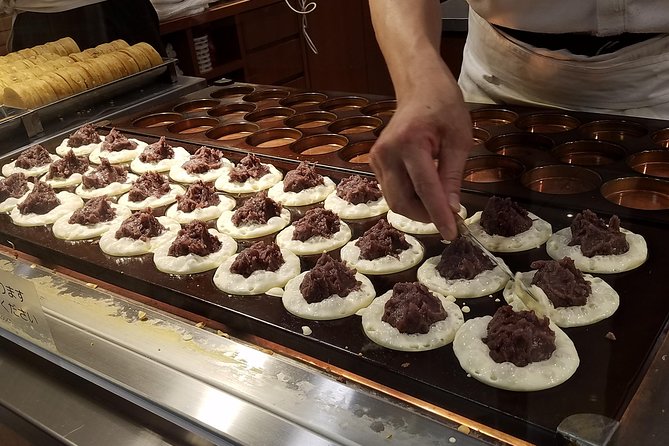
Your first stop is the Takashimaya Osaka Store and its depachika—the famous department store underground food halls. If you’re new to Japan, this is a smart starting move because it teaches you the “shopping brain” quickly. These basements are organized, clean, and packed with options ranging from raw ingredients to ready-to-eat foods.
You’ll spend about 20 minutes here, which is enough time to see how Osaka sells food like a product showcase. Look for the variety: displays that show ingredients up close, Western-leaning sweets and savory items side-by-side with Japanese staples, and staff-driven counters where people know exactly what they’re buying.
Why I like starting at a depachika: it gives you a benchmark. After that, the wet markets and open stalls feel more legible because you’ve already trained your eye on what “good” looks like—quality, freshness, and clear presentation.
Possible drawback: depachika can feel a little less “street-chaos” than you expected. If your dream is standing shoulder-to-shoulder at a loud stall with zero structure, depachika may feel calmer than you want. But it’s a great warm-up, and it helps you shop with confidence.
Stop 2: Pulala Tenma Wet Market for Real Ingredient Shopping
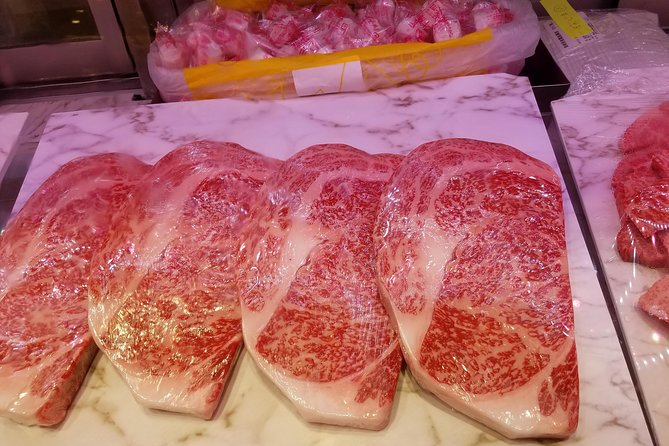
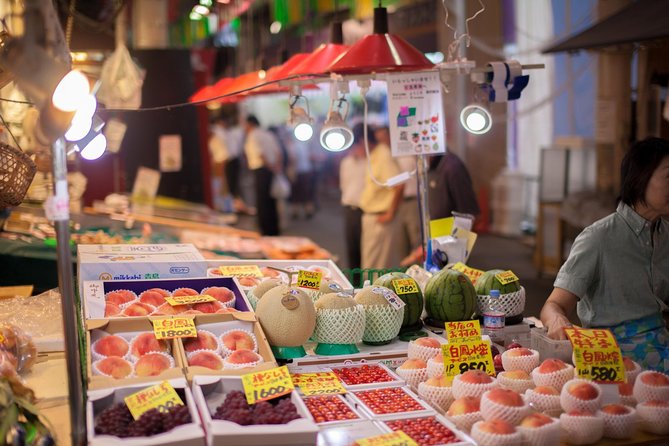
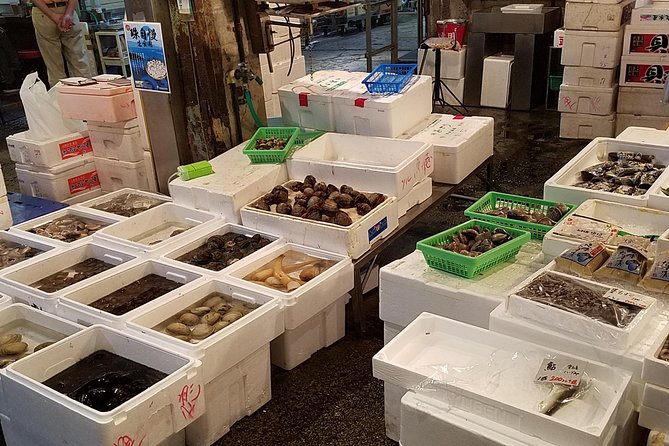
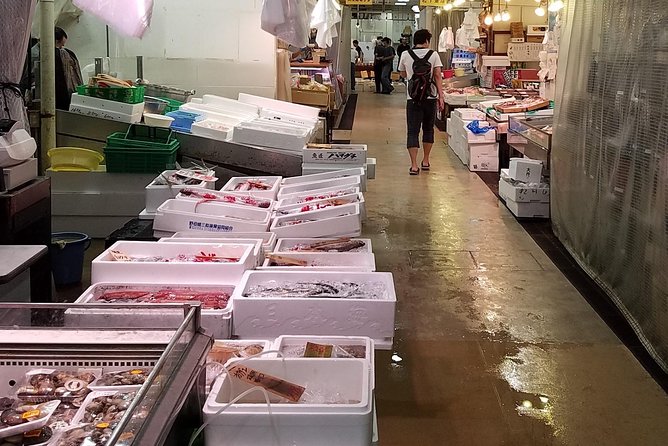
Next you shift into Pulala Tenma, a local wet market. This is where the tour earns its authenticity points. Wet markets are about ingredients as work tools: seafood, meats, vegetables, and the small details that determine taste.
You get about 30 minutes here, and the whole point is to see it up close without the feeling of being swallowed by mass crowds. Expect your guide to connect the dots—how ingredients are chosen, what goes together well, and why different cuts or types matter.
This stop is also where you’ll learn practical questions to ask. Even if you don’t buy much, hearing the names of items and what they’re best for makes later ordering way easier. If you want to shop like a local, wet markets are where that skill starts.
Budget reality: because food samples and snacks aren’t included, you’ll likely buy what you want in small amounts. That’s not a problem if you treat it like a tasting via shopping. But if you arrive hoping the guide will hand you a plate at every stop, set expectations now.
Stop 3: Tenjinbashi-suji Arcade and the Osaka Supermarket Lesson
The Tenjinbashi-suji Shopping Street is the long covered arcade in Japan, and it’s an ideal mid-tour bridge between “market” and “neighborhood shopping.” You’ll spend about 40 minutes, which matters because this is where you slow down and learn context.
The guide explains the history and the current role of the arcade—how it functions as a daily corridor for people and how it fits into Osaka’s shopping habits. You’re also likely to pop into an Osaka supermarket for a quick lesson in how locals buy: what’s packaged, what’s seasonal, and how everyday groceries show up in normal life.
This stop is quietly valuable. It teaches you how to read the city as a shopper, not just as a sightseeing tourist. When you later wander on your own, you’ll spot what locals pick first, which saves time and frustration.
What to watch for: the arcade is covered, but it can still involve steady walking. Wear shoes you can keep comfortable through the whole route, because later stops add more footwork.
You can also read our reviews of more tours and experiences in Osaka

Stop 4: Tsuruhashi Korea Town for Food Crossovers and Shopping Variety
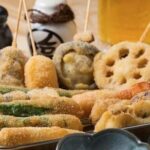
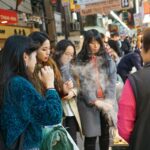
Then comes Osaka Tsuruhashi Ichiba, one of the busiest sections of Korea Town. This is a fun contrast after more strictly Japanese market styles. The tour isn’t only about food: you’ll also see culturally indicative goods, including clothing and other products.
You get about 30 minutes here, and it’s a good chance to buy a snack you genuinely want, because there’s more variety than at many purely food-only locations. Korean-influenced food choices also help you see Osaka as a city of mix-and-match tastes rather than a single-style culture.
One practical tip: because this is a dense shopping area, it helps to decide what you’re looking for early—sweet, savory, seafood, something snack-sized—so you don’t waste your limited time wandering aimlessly.
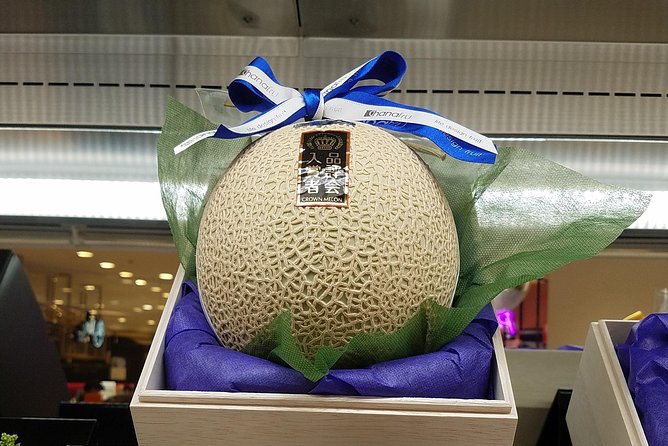
Stop 5: Kuromon Market Where the Sights Are Famous (and Prices Too)
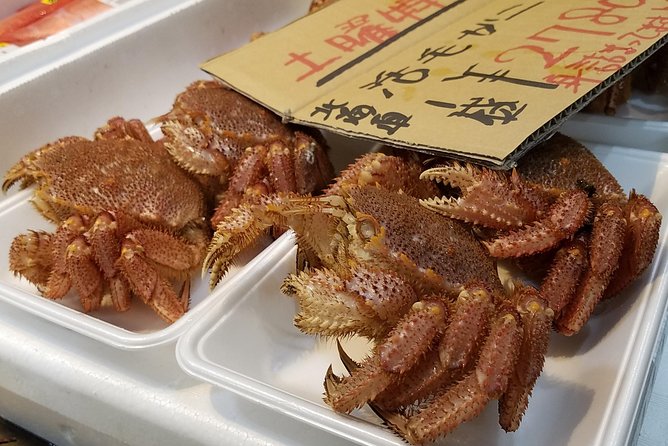
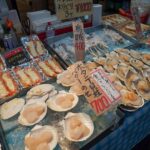
Next is Kuromon Market, the open market that draws a lot of attention in guidebooks and on social media for a reason. You’ll spend around 25 minutes, so it’s intense but not overwhelming.
Here’s what to expect in real-world terms:
- You’ll see the classic market sights—fresh ingredients, stall-front displays, and lots of movement.
- Quality tends to be strong, but prices can be higher than what you might see in smaller local markets.
This is exactly where having a guide helps. Without one, you can end up paying more just because you didn’t know where the best value is for your specific taste. With a guide, you learn what’s worth paying for and what’s better as a quick browse.
Also, quick reality check: street eating isn’t a common everyday practice in Japan. If you’re hoping for constant walk-and-graze eating, plan for a more shopping-and-ordering style of experience. You may still be able to purchase food along the way, but it’s usually more like choosing items to eat on-site or later, rather than sampling dozens of bites in the street.
Stop 6: Sennichimae Doguyasuji for Knives, Ceramics, and Kitchen Gear
After Kuromon, the tour shifts to Sennichimae Doguyasuji Shopping Street, a kitchenware-focused zone. This stop is shorter—about 25 minutes—but it can be a highlight if you like useful souvenirs.
You’ll see:
- kitchenware shops
- Japanese knives (a common goal here)
- ceramics and serving dishes
- even fun items like wax sushi models
- tea cups and lacquer chopsticks
Why this works as a “food tour” add-on: food culture isn’t only eating. It’s tools. If you cook (or want to cook), this is the kind of shopping you’ll still appreciate months later.
Price caution: kitchenware stores include everything from small accessories to serious knives. Bring a budget mindset, because it’s easy to get excited fast.
Stop 7: Namba (Minami) and Dotonbori Orientation to End the Loop
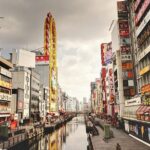
Finally, you move toward Minami (Namba) and the Dotonbori area, with about 20 minutes allocated for top sights. Your tour ends at Ebisu Bridge (near the action), which is a good anchor point if you want to continue exploring after the tour ends.
This timing makes sense. You don’t start at the loudest tourist strip because that’s harder to learn from. You end there because by then, you understand what you were seeing in the markets: a city that treats food as daily life.
If you’re staying nearby, you can turn the last minutes into a simple plan: dinner somewhere you can reach easily from Ebisu Bridge, plus a quick walk for lights and photos.
Price and Value: What You’re Paying For (and What You’re Not)
The tour price is $91 per person. That’s not cheap, so it’s worth judging value in the right way.
Included value:
- A guide in your language (native or close to native)
- A route that hits multiple market styles in one block of time
- Entry tickets that are listed as free at stops like the department store food hall and the market/shopping areas
- A private-group format
- A mobile ticket and an organized start/end
Not included (important):
- Transportation during the tour (you’re looking at roughly 330 yen per adult, and a clarification suggests around 400 yen for the entire tour in typical conditions)
- Food samples, food items, refreshments, souvenirs
- Snacks are your responsibility
So what are you really buying for $91? You’re buying time saved and confusion avoided. Without a guide, you can absolutely explore markets on your own. But you’ll likely lose time on decisions, miss the best value counters, and struggle with ordering and basic shopping questions. A good guide makes the “market skill” click.
Where this tour may feel expensive:
- If your main goal is an all-included tasting feast
- If you hate walking and want long rests
- If you’re looking for a food-only program with no shopping focus
Where this tour feels worth it:
- If you want to learn how Osaka food markets work
- If you want both local wet market style and famous Kuromon energy
- If you care about practical shopping like kitchenware
- If you’re the type who likes asking questions and getting a clear reason for what to buy
Make Your Guide Work for You: Easy Order and Shopping Wins
This tour is at its best when you treat it like a learning session in disguise. You don’t need to be fluent. You just need curiosity and a few smart questions.
Here’s what to do:
- Ask what the stall or shop is best at, not just what’s popular
- Ask how to eat or use an item (especially ingredients)
- If you see something interesting, ask how it compares to similar options nearby
- Tell your guide what you like (seafood? sweet? savory? something mild?), and stick to that theme so you can actually enjoy choices
Some guides also tailor the pacing and focus based on your group’s interests, including kids. If that applies to you, say it early. It helps the tour feel less like a fixed checklist and more like your day in Osaka.
One more practical tip: bring a payment method you can use easily. You’ll be making purchases at multiple points because snacks aren’t included. Also, pack a little patience. Markets are busy and narrow; slow down when you look, and step aside so you don’t block others.
Who Should Book This Osaka Markets Tour
I think this tour fits best when you:
- want a structured way to see Osaka’s food culture in a few hours
- care about markets as shopping, not just sightseeing
- want cultural context along with what you can buy
- like the idea of crossing from Japanese markets into Korea Town and then into Namba/Dotonbori
It may not be the best match if you:
- want a meal-tasting tour where food is fully included
- have very limited mobility or low walking stamina
- expect the guide to provide multiple prepared samples at each stop
Should You Book? My Practical Take
Book it if you want to leave Osaka with market-confidence—the ability to walk into a food hall or market, spot what you want, and order without freezing. The guides are a big part of that, with strong cultural explanations and practical recommendations showing up again and again in the kinds of experiences people report.
Skip it or consider a different style tour if you’re hoping for a “no-thought” afternoon of included tastings. This one is more about guiding your shopping decisions than handing you plates.
If you do book, plan your budget for snacks and small purchases. Also wear shoes for walking, since the route moves through several distinct areas. If you want flexibility, it offers free cancellation up to 24 hours in advance, which gives you breathing room for scheduling.
FAQ
Is pickup available for this Osaka food markets experience?
Yes. Pickup is offered, though the meeting point is listed as McDonald’s in front of Temma Station.
Where does the tour start and end?
It starts at McDonald’s in front of Temma Station and ends at Ebisu Bridge in the Dotonbori area.
How long is the tour?
The duration is about 4 hours.
Are food tastings included in the price?
No. Samples, food items, refreshments, and snacks are not included. You’ll need to purchase what you want to eat along the way.
Is transportation included during the tour?
No. Transportation is not included. A local transit cost is listed (330 yen per adult), and a clarification notes it’s roughly a few hundred yen total depending on how you travel.
How far in advance should I book?
On average, this is booked about 48 days in advance.