REVIEW · OSAKA
Osaka Castle & Dotonbori Lively One-Day Walking Tour
Book on Viator →Operated by KAMNAVI Tours · Bookable on Viator
Osaka’s best contrast in one day. You’ll start with a big-picture look at Osaka Castle and its surrounding museum, then shift to everyday city life on Tenjinbashi-suji and Kuromon Market before finishing in Dotonbori’s nightlife zone. What I like most is the mix of samurai-era context and street-level food-and-shopping time, all guided in a way that keeps the day moving.
Second, I like the small-group setup (maximum five guests) and the fact that you’re traveling by public transit as you go. That means you get a practical feel for how Osaka connects neighborhoods, not just a checklist of stops. Guides such as Chuji, Tomoko, Noriko, and Taka Sakai are repeatedly praised for clear explanations and good pacing, which matters on a day that involves a lot of walking.
One consideration: this is still a walking day. If you prefer a car-heavy tour, you may want to plan around comfort and footwear. Pack comfy walking shoes and expect stairs and lots of on-foot time around the castle area.
In This Review
- Key points worth knowing
- Why this one-day Osaka walk feels practical
- The 9:00 start: hotel pickup and getting oriented fast
- Osaka Museum of History: see the castle before you climb it
- Osaka Castle: samurai-era power, moats, walls, and views
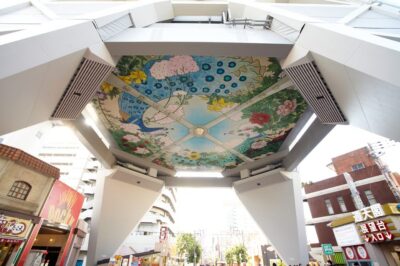
- Tenjinbashi-suji: Japan’s longest arcade for browsing and people-watching
- Osaka Museum of Housing and Living: step into a town from 180 years ago
- Kuromon Market: Osaka food culture, fast sampling energy
- Dotonbori District: neon entertainment and canal energy
- Pace, transit, and group size: walking done with structure
- Price and value check: what you pay for and what you don’t
- Who should book this Osaka Castle and Dotonbori tour
- Should you book this tour or plan your own day?
- FAQ
- How long is the Osaka Castle & Dotonbori one-day walking tour?
- What is the group size for this tour?
- Is hotel pickup included?
- What are the main stops on the itinerary?
- What is included in the price?
- Is food included?
- Where does the tour start and end?
- What’s the cancellation policy if weather is bad?
- Can I cancel for a full refund?
Key points worth knowing
- Max group size of five keeps the day from feeling rushed and helps your guide handle questions.
- Hotel pickup plus public transit makes it easier to hop between neighborhoods without stress.
- Museum tickets are included at Osaka Museum of History, Osaka Castle, and Osaka Museum of Housing and Living.
- Tenjinbashi-suji (2.6 km arcade, 600 shops) is a real local shopping street, not a quick photo stop.
- Kuromon Market and Dotonbori give you both food energy and Osaka’s neon night mood.
- Food & drink are not included, so budget separately for meals and snacks.
Why this one-day Osaka walk feels practical
Osaka can be confusing if you only hit the obvious sights. This tour works because it builds your mental map in layers: first the city’s power center around Osaka Castle, then the older neighborhood rhythms in historic recreations and long shopping arcades, and finally the modern entertainment scene at Dotonbori.
I also like that the day is structured in a way that avoids “museum-only” fatigue. You’ll get a museum window view from the Osaka Museum of History, then switch to streets where you can actually browse, snack, and watch daily life. Even the markets and arcades are useful because they teach you how locals shop and eat when they’re not thinking about sightseeing.
If you like tours that explain what you’re looking at (instead of just where to stand), you’ll likely appreciate how guides keep the story going stop to stop. Names that come up often include Chuji, Tomoko, Noriko, and Satomi, and the common theme is clear communication and efficient planning.
You can also read our reviews of more walking tours in Osaka


The 9:00 start: hotel pickup and getting oriented fast
The tour begins at 9:00 am. If you’re in central Osaka, you’ll get hassle-free pickup from your hotel, which is a big deal when you’d otherwise be figuring out trains with a backpack and a schedule.
Even with pickup, it helps to know the official meeting location: Osaka Station 3-chōme-1-1 in Umeda (Kita Ward). The activity ends back at the meeting point. That loop matters because it keeps the day simple: you’re not trekking across town to a different drop-off point at the end.
Because the tour includes public transportation fare, you’re not stuck paying out of pocket for each hop. And since you’re moving by transit, you’ll likely come away with a better sense of how Osaka links neighborhoods. One guide-led tip that shows up in the experiences with this itinerary is that you learn the subway basics along the way, not just the stop names.
Osaka Museum of History: see the castle before you climb it
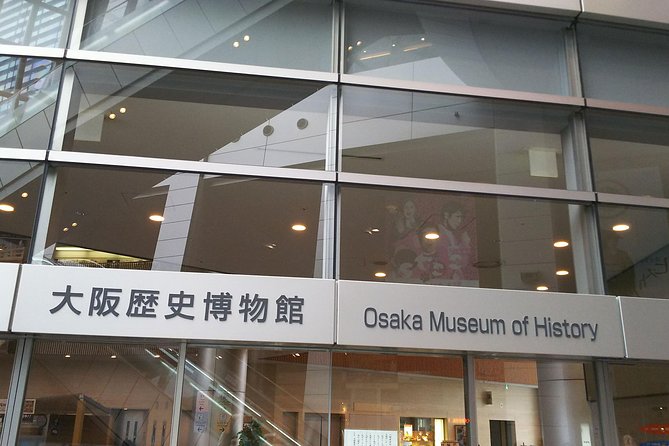
Your first stop is Osaka Museum of History, located in front of Osaka Castle on the site of an ancient palace. You’ll spend about one hour here, including admission.
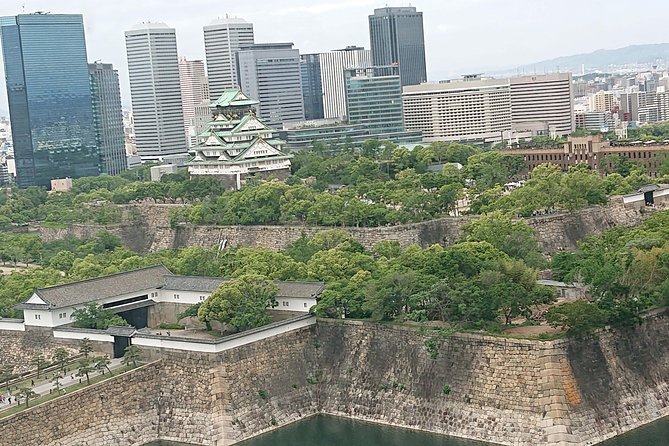
This stop is smart because it gives you context before you commit time to the castle itself. On the 10th floor, you can look out toward Osaka Castle through the windows. That kind of view helps you understand the layout and why the surrounding defenses mattered, so when you later walk the castle grounds, the details don’t feel random.
The museum is also a useful “tempo reset.” Even if it’s warm or rainy outside, you get structured indoor time early in the day, which can prevent energy from dropping halfway through. If you’re the type who likes a story to connect the dots, this first museum stop does that job well.
Possible drawback: if museums are your least favorite thing, this start may feel a bit heavy. Still, the payoff is that it makes the next 90-minute castle visit much more meaningful.
Osaka Castle: samurai-era power, moats, walls, and views
Osaka Castle is your second major stop, and it’s a classic for a reason. Expect about 1 hour 30 minutes, with admission included.
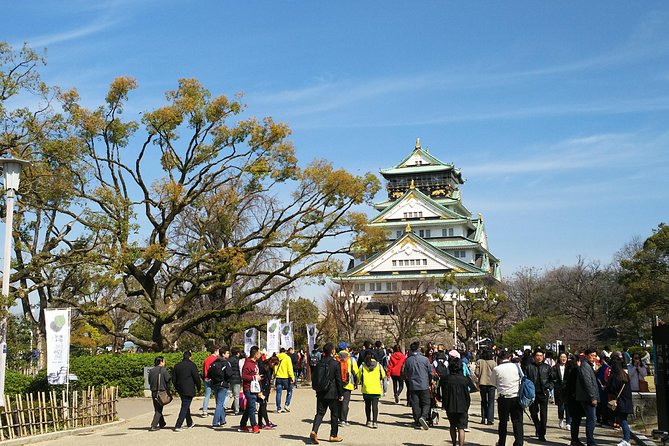
The castle you visit was built in the 17th century by the Tokugawa Shogunate, and the tour focuses on what made it such a stronghold. You’ll hear about the double moats, tall stone walls, and defensive design, which helps explain why castles weren’t just status symbols. They were tools for survival and control.
I also like how the tour frames Osaka Castle as more than a standalone landmark. After the Osaka Museum of History, you’ve already seen the castle from above, so you’re more prepared for what you’ll notice at ground level: scale, fortification features, and the overall presence of the complex.
Tip: since this is a walking tour, wear footwear that can handle long stretches. One common lesson from people who join this day is that boots don’t always feel great over repeated walking. In other words, choose comfort over style.
Tenjinbashi-suji: Japan’s longest arcade for browsing and people-watching
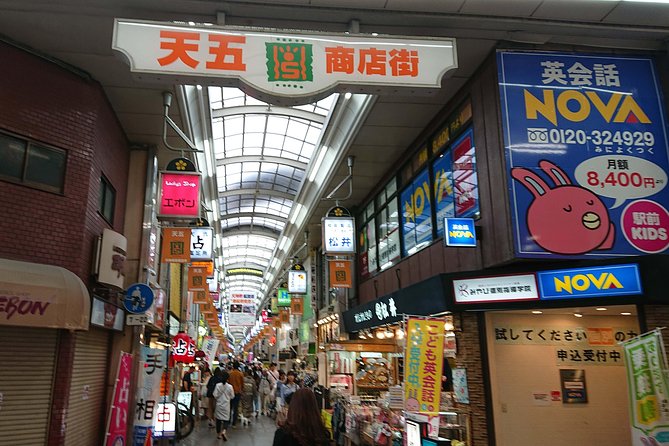
After the castle focus, you shift into street time at Tenjinbashi-suji, Japan’s longest arcade at 2.6 km. You’ll have about 1 hour here, and admission is free.
This isn’t just “shopping for tourists.” Tenjinbashi-suji has around 600 shops, and it stays full of locals moving through daily life. You can snack, browse, and slow down without feeling like you’re missing the one big paid attraction. Even if you don’t buy much, walking the arcade can be a great way to understand Osaka’s retail habits.
What’s useful for your planning: this is a low-pressure stop. If you want souvenirs, you have options. If you just want atmosphere, it’s still worth it. The arcade format also helps when the weather changes, because you’re sheltered under the roof for a big portion of the walk.
Trade-off: because it’s long, this segment can feel like a lot if you’re expecting a quick stroll. The guide’s job is to keep you moving at the right pace while still leaving room to look around.



Osaka Museum of Housing and Living: step into a town from 180 years ago
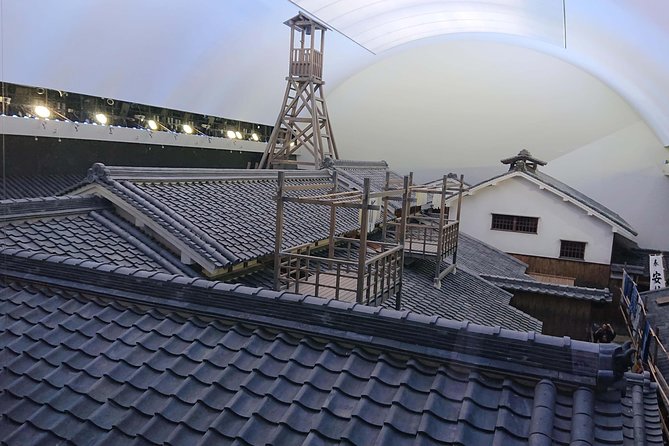
Next up is Osaka Museum of Housing and Living, with about 40 minutes and admission included.
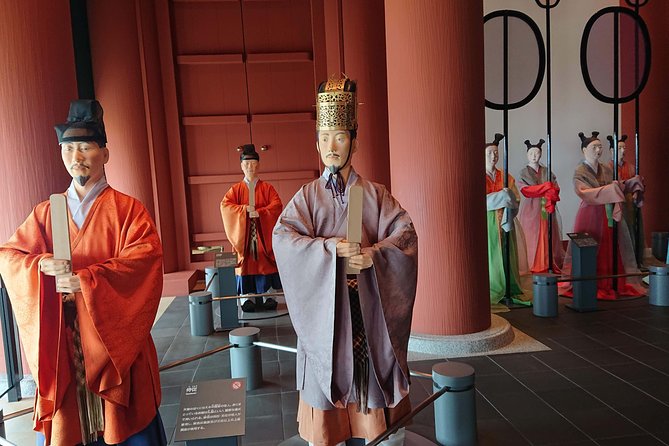
Here’s why this stop is different: the museum reproduces a townscape from roughly 180 years ago in full size. The goal is not just to look at artifacts, but to see how homes and daily commercial life were arranged. You can walk in the recreated streets and experience old-time Japan in a more hands-on way than many traditional museum displays.
I like this because it bridges the gap between history and lived experience. After castle defenses and a long shopping arcade, this gives you something more human-scale: how ordinary people lived, worked, and shopped.
Possible drawback: the time is shorter here (40 minutes), so if you’re the type who reads every label, you might want to treat this as a “find the main highlights” stop. The guide can help you prioritize what to focus on so you don’t lose the day.
Kuromon Market: Osaka food culture, fast sampling energy
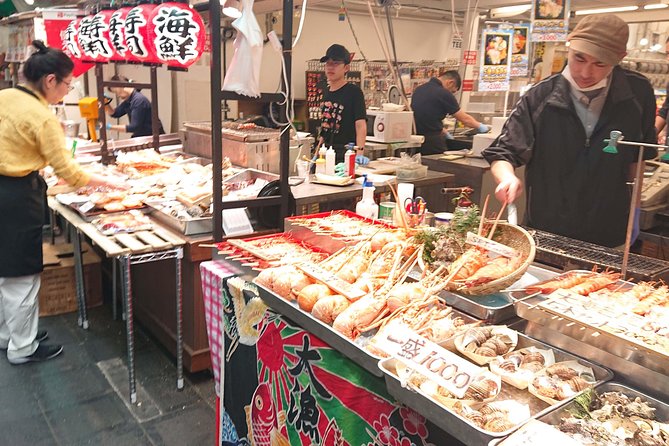
Kuromon Market is next, with about 30 minutes and no admission charge. This stop is all about Osaka’s food culture, and the tour leans into the idea that Osaka earned its reputation by caring deeply about good taste.
Even if you don’t have a big appetite, Kuromon Market is valuable because it shows you how Osaka organizes food shopping and casual eating. It’s also a practical place to buy a snack for later, since food and drink are not included on the tour.
What to expect: lots of stalls, quick decision moments, and the kind of browsing where you might want to plan for cashless options depending on what you buy. The tour guide can also help with what’s easiest to eat and what’s most worth your time if you’re trying to sample without overdoing it.
Trade-off: because this is short, you don’t want to wait until the last minute to decide what you want. If you’re going with a plan, you’ll enjoy it more.
Dotonbori District: neon entertainment and canal energy
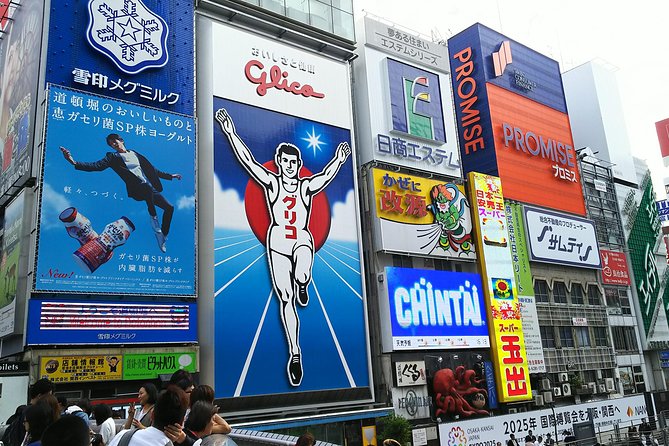
You finish the day in Dotonbori for about 30 minutes, and admission is free. The area started as an entertainment district with theaters lined along the canal. Today it’s famous for restaurants and colorful billboards, and it delivers the modern Osaka vibe people expect.
This is a good closing stop because it’s flexible. If you want photos, you can do that. If you want dinner ideas, you can use the time to scope out what looks good and where you’d want to return later. Since the tour doesn’t include food, Dotonbori is a natural place to transition into your own meal plans.
One practical note: Dotonbori is visually intense. Wear comfortable shoes and don’t feel pressured to speed-walk every step. Let the guide get you oriented, then use the last bit of time to wander at your pace.
If you care about Osaka’s contrast—samurai-era walls by day and neon theater signs by night—this is the moment where the whole itinerary starts to click.
Pace, transit, and group size: walking done with structure
This tour caps at five travelers, and you’ll feel the difference. Small groups usually mean fewer delays at crossings, more time for questions, and easier adjustments when someone wants to slow down or check something nearby.
The day lasts about 7 hours, and the time split across multiple stops creates a rhythm: history museum, castle, long arcade, living-history museum, market, and Dotonbori. That structure matters because it reduces dead time. You’re never stuck wondering what to do next.
Also, since the tour uses public transportation, it’s not a car-only experience. If you like the feel of riding the subway and learning how neighborhoods connect, this fits. One strong theme from people’s experiences is that guides can explain not only the sights but also how to move around Osaka during the day.
If you’re worried about walking distance, don’t be. But do take it seriously. This is not a sit-and-glide tour. Bring shoes you can walk in for hours, and expect that your day will end with legs that know you did something.
Price and value check: what you pay for and what you don’t
The price is $141.23 per person for a 7-hour small-group day. That’s not cheap, but the value can be solid because several major costs are handled for you.
Included costs:
- Professional guide fare
- Public transportation fare
- Admission fees at the Osaka Museum of History, Osaka Castle, and Osaka Museum of Housing and Living
Not included:
- Food and drink
So you’re paying for more than commentary. You’re paying for entry tickets to three core attractions, plus transit between them. For a visitor who otherwise has to buy tickets and figure out routes while also managing a schedule, that bundled approach often pays off.
The best way to judge value for you: if you planned to visit Osaka Castle and at least one museum anyway, this itinerary likely saves time and friction. If you only wanted a quick taste of Dotonbori and a single photo at the castle, you might find you’re paying for parts you would skip.
One more planning angle: tours like this are often booked ahead, with an average booking window of 65 days. If you’re traveling in peak season, earlier booking can help you lock in your preferred date and avoid last-minute surprises.
Who should book this Osaka Castle and Dotonbori tour
Book this if you want:
- A first-time-friendly route that ties together Osaka’s past and present
- A guided day where you get context at each stop, not just locations
- A small group experience that stays organized across multiple neighborhoods
It’s also a good match for couples and solo travelers who want structure but still like freedom at the end of the day in Dotonbori. If you’re traveling with a wider range of ages, you may appreciate that guides can adjust pace, since some experiences note the guide adapting the flow when family members needed a different rhythm.
Skip it or consider a lighter alternative if:
- You hate walking and want mostly vehicle time
- You’re only interested in one or two attractions and wouldn’t visit the markets and arcades
If you’re trying to do Osaka in one day without missing the essentials, this tour gives you a tight circuit that makes the city easier to understand when you go back out on your own.
Should you book this tour or plan your own day?
I’d book it if you want a clean, guided route that handles tickets and transit while keeping the group small. The strongest reason is the balance: Osaka Castle and history museum context early, then real-life shopping and food culture through Tenjinbashi-suji and Kuromon Market, then a satisfying finish in Dotonbori.
If you can only tolerate moderate walking, go for it with the right shoes and a flexible mindset. If your idea of a day trip is mostly sitting and scenic driving, you’ll likely feel the walking pace.
FAQ
How long is the Osaka Castle & Dotonbori one-day walking tour?
It runs for about 7 hours.
What is the group size for this tour?
This tour has a maximum of 5 travelers.
Is hotel pickup included?
Yes. The tour includes hassle-free pickup from your Osaka hotel.
What are the main stops on the itinerary?
The tour includes Osaka Museum of History, Osaka Castle, Tenjinbashi-suji Shopping Street, Osaka Museum of Housing and Living, Kuromon Market, and the Dotonbori District.
What is included in the price?
Included are the professional guide fare, public transportation fare, and admission fees for the listed attractions.
Is food included?
No. Food and drink are not included.
Where does the tour start and end?
It starts at Osaka Station 3-chōme-1-1 Umeda, Kita Ward, Osaka, and ends back at the meeting point.
What’s the cancellation policy if weather is bad?
The experience requires good weather. If it’s canceled due to poor weather, you’ll be offered a different date or a full refund.
Can I cancel for a full refund?
You can cancel up to 24 hours in advance for a full refund. If you cancel less than 24 hours before the start time, the amount paid isn’t refunded.