REVIEW · OSAKA
Kyoto & Nara & Uji: Full Day Sightseeing Tour from Osaka or Kyoto
Book on Viator →Operated by F Trip · Bookable on Viator
Three icons of Japan, one long day.
This full-day route strings together Nara, Uji, and Kyoto’s Senbon Torii gates, with a guide to help you hit the highlights without getting lost in connections.
I especially like the mix of two “need-to-see” temple stops with two lighter, more wanderable breaks. In Nara you get the classic deer-park scene, and in Uji you get that tea-town walking time on the matcha-focused streets.
One thing to weigh: the plan is ambitious, so you’ll be moving on schedule. And with a group (max 45), plus guide-by-guide differences in English clarity, you’ll want to stay flexible and patient.
In This Review
- Key highlights to know before you go
- Getting Your Day Right: 9 Hours from Osaka or Kyoto
- Nara Park Deer Time and Todai-ji’s Big UNESCO Stop
- Uji Park on the River: A Break from Temple-Dense Hours
- Byōdō-in Temple and the Phoenix Hall on the 10-Yen Coin
- Byodo-in Omotesandō and the Matcha Shopping Walk
- Uji River Time: Views with Breathing Room
- Kyoto Fushimi Inari’s Senbon Torii: 30,000 Torii and a Real Walk
- Guide Style, Group Size, and How to Get More from the Bus Day
- Price and Value: What $67 Covers and What Costs Extra
- Who This Tour Fits Best (and Who Should Skip It)
- Should You Book This Kyoto-Nara-Uji Day Trip?
- FAQ
- What is the duration of the Kyoto & Nara & Uji full-day tour?
- Does the tour include a guide and transportation?
- Where does the tour depart from?
- What’s included in the price?
- What are the entrance fees you should budget for?
- Is lunch provided?
- Are any stops free?
- How long do you spend at each major site?
- How big is the group?
- What’s the cancellation policy?
Key highlights to know before you go
- Nara Park deer time plus quick access to Todai-ji’s UNESCO complex
- Uji River area strolls with a park break, tea shopping, and riverside views
- Byōdō-in’s Phoenix Hall tied to the 10 yen coin (built 1053)
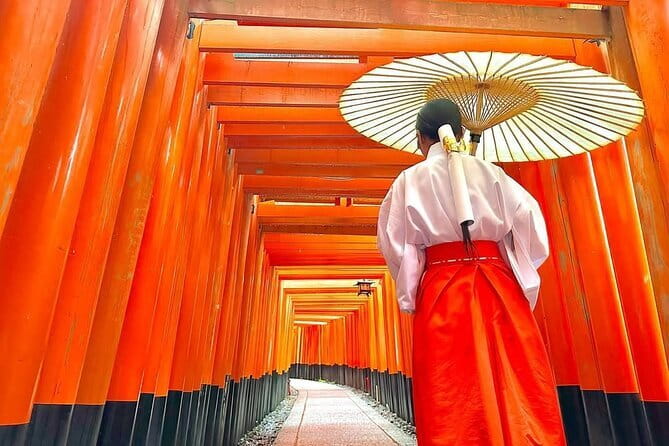
- Fushimi Inari’s Senbon Torii walk with a long 1 hour 20 minute window
- Extra temple fees to budget: Todai-ji and Byōdō-in are paid entries
- Group-bus pacing: easy access, but some stops are short by design
Getting Your Day Right: 9 Hours from Osaka or Kyoto
This is a 9-hour sightseeing day built for people who want three major areas with minimal hassle. You ride in air-conditioned transportation, you travel with a guide, and you get mobile ticket access, which cuts down on ticket-wrangling.
One practical detail: the tour starts from either Osaka or Kyoto (depending on your option). Some days can feel a bit like a “get moving” format—meaning you’ll spend more time on buses between stops, and less time hanging around after a group meeting.
With a maximum group size of 45 travelers, you’re not stuck with a tiny circle, but it’s also not a giant crowd. What matters most for your comfort is that you should plan for a coordinated schedule: meeting points, return times, and getting back to the bus when you’re done walking.
If you care about photos, remember you’ll be on a bus a lot. Bring a small cloth or wipes if you want cleaner window shots, especially if you end up shooting through tinted or smudged glass.
You can also read our reviews of more tours and experiences in Osaka
Nara Park Deer Time and Todai-ji’s Big UNESCO Stop
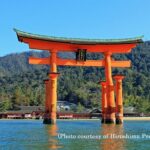
Your Nara portion starts at Nara Park with a generous 50 minutes. This is one of those places where the atmosphere hits fast: free-roaming deer, and that comical moment when they bow like they’re negotiating for treats. The time window is long enough that you can slow down, get a good look at deer herds, and still make it to Todai-ji without sprinting.
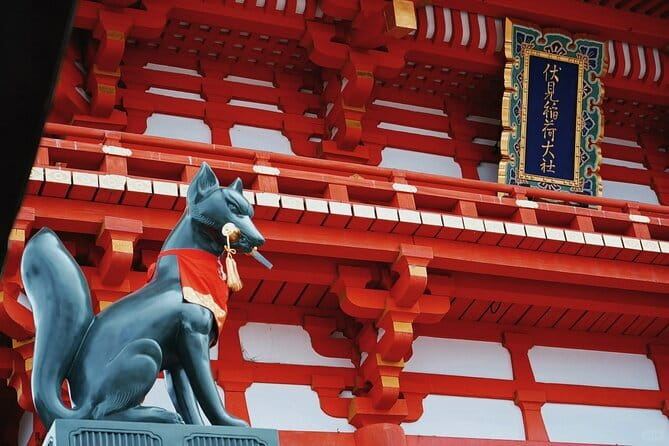
Then comes Todai-ji Temple for 30 minutes. Todai-ji is a UNESCO World Heritage Site listed as part of the Historic Monuments of Ancient Nara, so this is not just a casual stop. It’s one of Nara’s anchor sites, and the tour gives you enough time to take in the overall scale even if you don’t go deep into side halls.
Here’s the drawback: 30 minutes can feel short if you like to wander slowly, take lots of photos from different angles, or you want time to read everything. If that’s your style, treat this as a “see it, appreciate it, and decide what to return for” stop.
Also, for Nara Park: you’ll want to be cautious with deer around you. The deer can come in quickly when people have food, so keep your snack situation tidy and avoid reaching into the middle of a cluster. This is the kind of place where calm movement beats trying to outmaneuver the crowd.
Uji Park on the River: A Break from Temple-Dense Hours
After Nara, you head toward Uji and get Uji Park for 30 minutes. This park is on an island setting along the Uji River, and it connects to the riverbanks by three bridges. That makes it a nice reset: you get movement, open air, and a change of pace from the heavier temple stops.
You’re also getting one of the tour’s underappreciated advantages: Uji is slower and more local-feeling than the biggest Kyoto hotspots. Even with limited time, this stop helps break up the day so you don’t feel like you’re spending all 9 hours in line-standing mode.
If you’re sensitive to walking on uneven ground, Uji Park could vary depending on where you end up strolling. So wear shoes you trust on paths that might not be perfectly flat.
Byōdō-in Temple and the Phoenix Hall on the 10-Yen Coin
Next is Byōdō-in Temple for 30 minutes. This stop is one of the tour’s biggest “why this itinerary works” moments because it connects a famous landmark with an actual, physical place.
Byōdō-in is a national treasure and a UNESCO World Heritage Site, and the centerpiece is the Phoenix Hall, built in 1053. There’s also a neat fact tie-in: Phoenix Hall appears on the obverse side of the Japanese 10 yen coin. So when you see it in person, it feels like you’re stepping from everyday money into real architecture.
The big practical thing to plan for: Byōdō-in admission costs ¥700 and isn’t included in your price. Todai-ji is ¥800 as well. That means the day has predictable extra costs, but they’re limited to these temple entries, plus your lunch.
Is 30 minutes enough? If you stay focused, yes. If you want to linger with lots of reading and extra photo angles, it may feel tight. For me, this is a “hit the icon, notice the details you can, then move on” kind of time block.
Byodo-in Omotesandō and the Matcha Shopping Walk
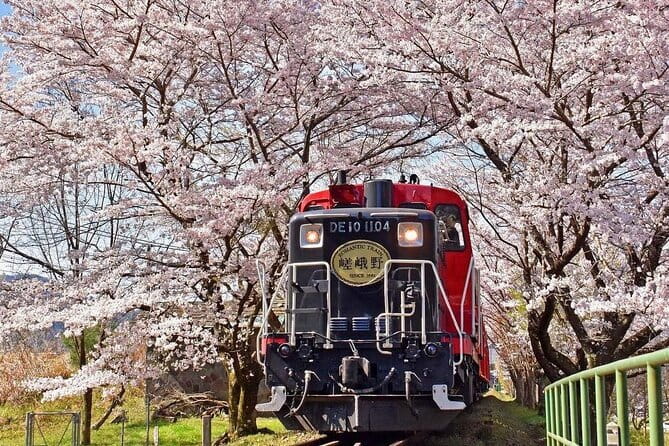
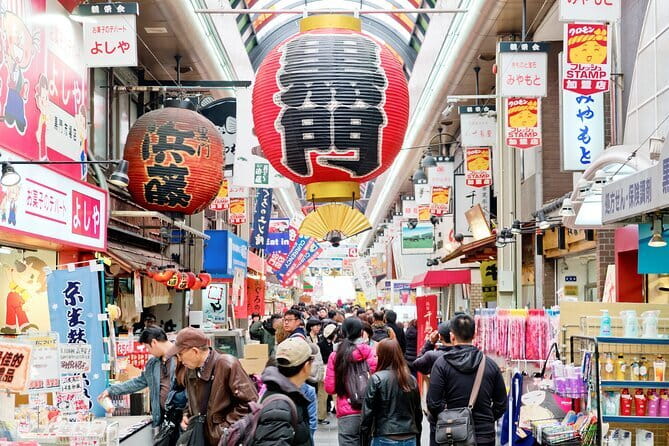
Between the temples, you get Byōdō-in Omotesandō for 40 minutes. This is where the tour shifts from monumental sights to everyday Uji life.
Uji is known for green tea production, and this street is lined with shops focused on tea and tea-related goods. If matcha is your thing, this is often the moment you remember later: browsing, tasting, and picking up small items you can actually use at home.
This stop is also a smart design choice for the day. Shopping streets give you flexibility. Even if your pace in temples is slow, you can spend your energy here—looking at products, walking at your own speed, and fitting your timing to the group.
One consideration: if you’re traveling with kids or you hate crowds in shops, go in knowing it can get busy around popular tasting counters and photo corners. Use your time like this: quick browse first, then commit if something catches your eye.



Uji River Time: Views with Breathing Room
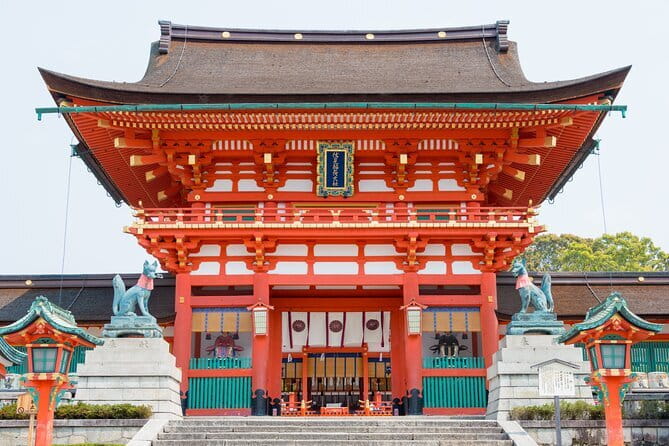
You then get Uji River for 20 minutes. It’s not a long stop, but it plays a useful role: you’re finishing Uji with water views and open air before moving into Kyoto’s walking-heavy torii area.
Because this segment is short, it’s best for a quick reset rather than a “linger and wander” moment. If you want photos, stand where you can get both river and walkway framing without crowd-jostling.
If you’re the type who enjoys taking in surroundings quietly, this stop is your chance. Just don’t let it expand into a time sink, because the final Kyoto segment is where your feet will really matter.
Kyoto Fushimi Inari’s Senbon Torii: 30,000 Torii and a Real Walk
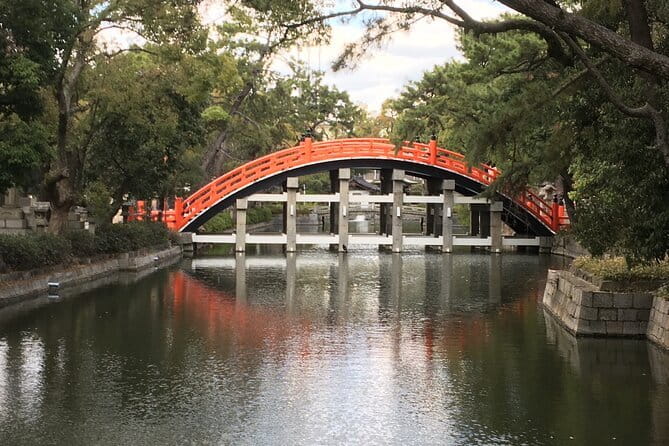
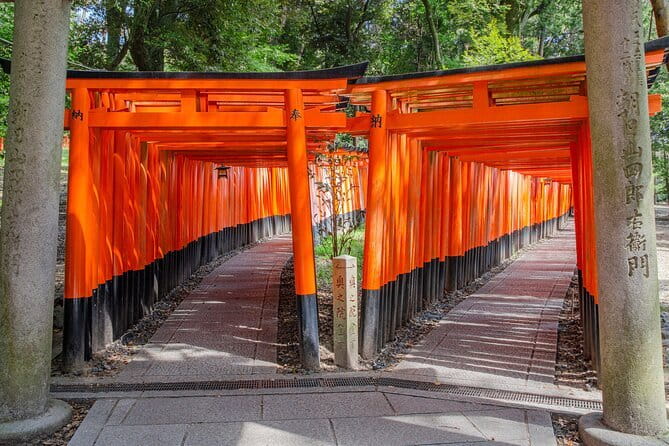
Your last stop is Senbon Torii (the Thousand Torii Gates) at Fushimi Inari Taisha, with 1 hour 20 minutes. This is the longest walking block on the day, and it’s one of the main reasons this tour is satisfying even when other parts feel rushed.
Fushimi Inari Taisha is the head shrine for Inari, the Shinto god of rice. And the famous feature here is the Senbon Torii: thousands of vermilion torii gates. Even before you count anything, the scale is the point—you’re walking through an iconic visual rhythm that looks different every time you turn.
Here’s how to make the most of the 1 hour 20 minutes:
- wear comfortable shoes you can walk in for extended time
- plan to move steadily, then slow down for photos once you’re inside the gate flow
- keep an eye on the return-to-bus timing so you don’t get stuck trying to regroup with the whole group
This is also the stop where your mood will swing the most. If the gates feel magical and you like walking-through-stories sights, you’ll love it. If you dislike crowds or hate the feeling of moving on schedule, you might wish you had more standalone time in Kyoto. But this tour gives you a solid taste.
Guide Style, Group Size, and How to Get More from the Bus Day
The tour includes a guide, and the overall day can feel very smooth when the guide’s communication is clear. In the experiences shared, guide names like Candy, John, Amanda, Amy, Eve, Laura, Joy, Cicy, Bryan, and Steven show up—many praised for making stops understandable and for helping with practical things like safety around deer or regrouping when plans shift.
That said, one real variable is language clarity. Some guides are praised for clear English explanations; others are described as having limited fluency or mixing languages in the same moment. So if you rely on detailed commentary, you’ll want to set your expectations that this is still a group sightseeing day, not a private seminar.
I also think it helps to know this tour can feel partly “guided, then explore.” You’ll get enough direction to find your way and know what’s important, but you’re not always expecting a constant narration in every minute between photo stops.
Bus comfort also matters. You’ll be on an air-conditioned vehicle, but there may not be a restroom onboard. If you think you’ll need one, time your hydration smartly during the day.
And if you’re picky about logistics, confirm which departure city you’re using and show up early. Some people described late starts linked to where the tour actually leaves from, so your best move is to double-check the meeting point details before the day begins.
Price and Value: What $67 Covers and What Costs Extra
At $67 per person, you’re paying for a lot of transportation and planning: air-conditioned transport plus a guide for the route between major sites. That can be strong value when you don’t want to wrestle with schedules across cities and transit lines while also dealing with temple ticketing and walking.
What’s not included is where you can spend extra time budgeting:
- Byōdō-in Temple: ¥700
- Todai-ji Temple: ¥800
- Lunch: not included
So your day likely includes around ¥1,500 in temple admission fees, plus whatever you choose for lunch and snacks. The good news is that these are predictable costs tied to exactly two paid entries. The rest—Nara Park, Uji Park, Byōdō-in Omotesandō, Uji River, and Senbon Torii—are listed as free time/areas.
Where the price really shines is the labor it saves you. You’re packaging Nara + Uji + Kyoto walking into one coordinated day. If you only have a short stay and you want to avoid multi-day planning, paying for guidance is often worth it.
Who This Tour Fits Best (and Who Should Skip It)
This is a good fit if you:
- have one day and want Nara, Uji, and Fushimi Inari all in the same trip
- like a mix of big sights and casual walking streets
- prefer guided access to major temples and don’t want to build the route yourself
- enjoy matcha-focused browsing in Uji
It may be less ideal if you:
- want slow, deep temple study time with lots of reading and wandering
- dislike group pacing or get irritated when announcements aren’t perfectly clear
- plan to linger far from your meeting point at multiple stops
If you’re the type who likes to roam like you’re on foot-tour day with no clock pressure, you might prefer separate half-day visits. But if you’re here to collect highlights efficiently, this itinerary is built for that mission.
Should You Book This Kyoto-Nara-Uji Day Trip?
If your goal is seeing a lot with one easy day plan, I’d book it. The value comes from transport + guide support plus a route that hits two UNESCO temple anchors (Todai-ji and Byōdō-in) and then ends with Kyoto’s iconic Senbon Torii walk.
Before you go, do two things and you’ll enjoy the day more:
1) budget the extra admissions (¥700 + ¥800) and plan for lunch on your own
2) be ready for a fast-paced schedule and keep an eye on regroup times in a group of up to 45
If those trade-offs sound fair, you’ll leave with a strong set of mental images: deer at Nara Park, Phoenix Hall symbolism tied to the 10 yen coin, tea street browsing in Uji, and the long vermilion-gate walk at Fushimi Inari.
FAQ
What is the duration of the Kyoto & Nara & Uji full-day tour?
It runs for about 9 hours.
Does the tour include a guide and transportation?
Yes. The tour includes air-conditioned transportation and a guide.
Where does the tour depart from?
You can depart from Osaka or Kyoto, depending on the option you choose.
What’s included in the price?
The price includes transportation, a guide, and mobile ticket access.
What are the entrance fees you should budget for?
Byōdō-in Temple costs ¥700 and Todai-ji Temple costs ¥800. Lunch is also not included.
Is lunch provided?
No. Lunch is not included, though time is provided for independent dining.
Are any stops free?
Yes. Nara Park, Uji Park, Byōdō-in Omotesandō, Uji River, and Senbon Torii are listed as free admission time/areas.
How long do you spend at each major site?
The stops are timed at roughly: Nara Park 50 min, Todai-ji 30 min, Uji Park 30 min, Byōdō-in 30 min, Omotesandō 40 min, Uji River 20 min, and Senbon Torii 1 hr 20 min.
How big is the group?
The tour has a maximum of 45 travelers.
What’s the cancellation policy?
You can cancel for a full refund if you cancel up to 24 hours in advance of the experience start time.