REVIEW · OSAKA
Make Ramen and Gyoza with Homemade Secret Recipe
Book on Viator →Operated by 株式会社Japanticket · Bookable on Viator
Ramen takes two hours, then a smile. This Osaka class is a full-on hands-on ramen and gyoza session, where you don’t just learn recipes—you physically make them, from noodle rolling to dumpling frying, and then you sit down to eat your work. I love the small-studio feel and the chance to chat about food and Japanese daily life with the chefs (Shohei is especially friendly, with Marie also pitching in).
One thing to consider: this is active cooking, not a sit-and-watch food tour. At $84.70 per person, it’s best value if you want the skill and the meal—not if your main goal is the cheapest bowl in town.
In This Review
- Key Highlights You’ll Actually Care About
- Step Into Matsuyamachi and the Kitchen Before You Blink
- Meet Shohei and Marie: Cooking Lesson with Real Culture Talk
- Choosing Your Ramen Soup Base: Soy, Miso, or Salt
- Homemade Ramen Noodles with the Noodle-Making Machine
- Gyoza Like You Mean It: Filling and Pan-Frying
- Rice, Ramen, and the Half-Rice Twist at the Table
- Small Studio, Big Attention: Why the Size Matters
- Price and Value: What $84.70 Really Covers
- Who Should Book This Ramen and Gyoza Class?
- When It’s a Perfect Fit (and When It Might Not Be)
- Should You Book It?
- FAQ
- What will I cook during this experience?
- How long is the class?
- Where do I meet for the tour?
- What soup bases can I choose?
- Can the class handle allergies or vegetarian requests?
- What’s included in the $84.70 price?
- What if I need to cancel?
- What time slots are available?
Key Highlights You’ll Actually Care About
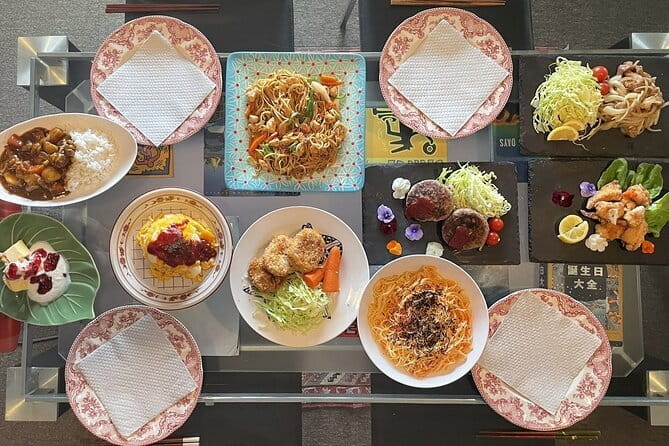
- You choose a soup base: soy sauce, miso, or salt
- You make ramen noodles with a noodle-making machine
- You learn gyoza step-by-step, from filling to pan-frying
- You eat what you cook (including a half-rice ramen style)
- Small group setting with max 15 people for more attention
- Take-home extras: recipes learned plus cooking chopsticks
Step Into Matsuyamachi and the Kitchen Before You Blink
The experience starts at Matsuyamachi Station, and it’s close—about a 5-minute walk to the studio area. You’ll meet up at the station, then head to the cooking space with your host. The vibe is more neighborhood kitchen than big show, and I like that right away because it feels personal, not staged.
There’s also a nice “Japan-in-motion” touch: you walk through a nearby older shopping street area before cooking. It’s a simple way to get your bearings in Osaka without turning the day into a logistics project. And yes, it’s the kind of plan that works really well if your schedule gets messed up by rain, because you’re indoors after the short walk.
You can also read our reviews of more tours and experiences in Osaka.



Meet Shohei and Marie: Cooking Lesson with Real Culture Talk
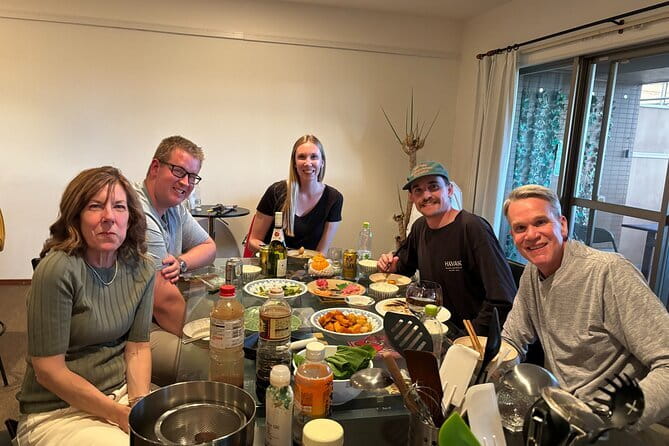
This class has the feel of a private lesson more than a factory line. The group limit is 15 travelers, and in practice it can be very small, with at least one session reported as just two people—so you’re more likely to get hands-on coaching instead of waiting for your turn.
Shohei teaches the main flow, and Marie is mentioned as warm, helpful support with excellent English. That matters more than you might think. If you’re a first-time cook in Japan, the difference between okay English and clear, patient instruction is huge when you’re trying to form dumplings or time a fry.
Also, I like that the conversation isn’t only about food technique. You’ll have time to talk about cooking and Japanese life, which makes the lesson stick in your memory. It’s the difference between collecting photos and actually learning something you’ll use later.
Choosing Your Ramen Soup Base: Soy, Miso, or Salt
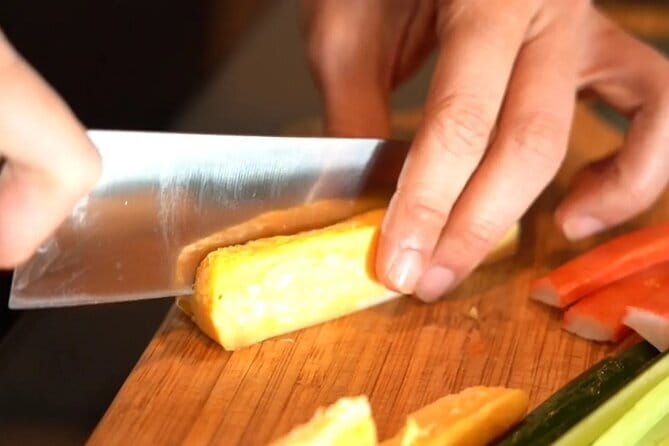
Before you start rolling dough and frying dumplings, you get to make a clear creative choice: your soup base. You pick from soy sauce, miso, or salt. That selection shapes the whole meal, so it’s not just a side detail—it turns the experience into something you can personalize.
From a practical angle, this is also a low-risk way to match your tastes. If you’re new to ramen flavor, soy and salt are approachable. If you like deeper, richer Japanese profiles, miso is the obvious pick. Either way, you’re learning how Japanese cooks think about building flavor around a base.
Homemade Ramen Noodles with the Noodle-Making Machine
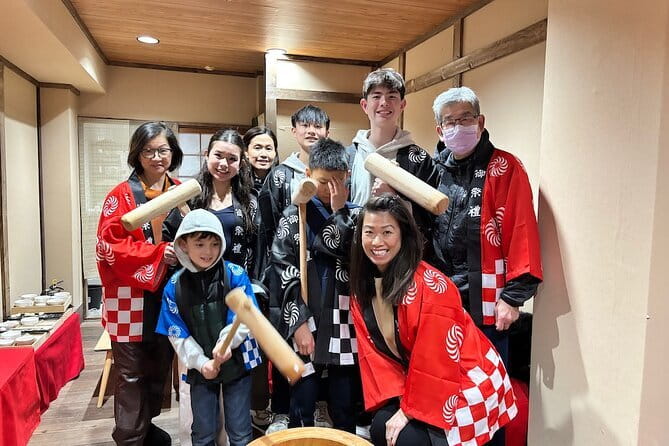
The ramen part isn’t a metaphor. You’ll make noodles using a noodle-making machine, which takes the guesswork out of the most intimidating step. The hands-on part is still yours—shaping and handling the dough—but the machine helps you get consistent results without needing years of practice.
If you’ve ever watched someone make noodles and thought it looked too hard, this is a good reality check. You learn the workflow in an environment where someone corrects your technique before it turns into a sticky mess. And because the class is focused and timed, you’re moving from dough work to soup work without feeling like you’re stuck in a slow cooking maze.
Pro tip: wear clothes you don’t mind getting a little flour dust on. That’s just part of the ramen physics.
Gyoza Like You Mean It: Filling and Pan-Frying
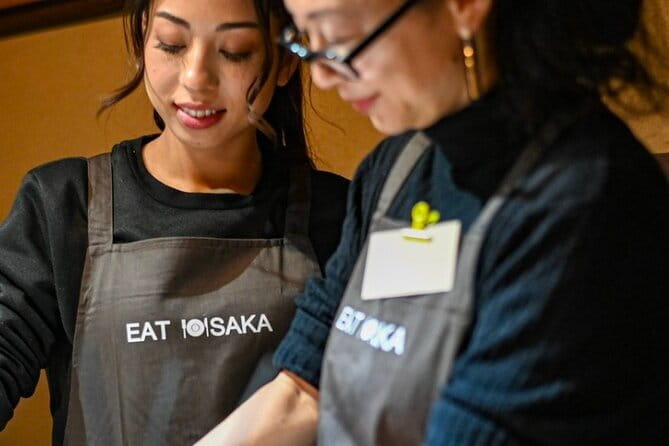
Then you tackle gyoza, the Japanese dumpling that rewards both patience and precision. You’ll go through the full process, from preparing the filling to pan-frying.
This part is where the class gets fun fast, because gyoza has a clear visual goal. You can tell if you’ve sealed things well, and you can see the pan action. The instruction is especially valuable if you’ve only had gyoza at restaurants. Restaurant gyoza tastes effortless; making it teaches you what effort creates that crisp edge and juicy center.
If you have dietary needs, pay attention here. The experience specifically asks you to inform them at booking about allergies or vegetarian requirements. One review highlights that vegetarian gyoza was made for a guest who needed it. So if you want a version you can actually eat, tell them early.

Rice, Ramen, and the Half-Rice Twist at the Table

You also help prepare rice, and then you eat your own version of a “half-rice ramen with gyoza.” It’s a clever way to round out the meal and make sure you leave full, not just impressed by your noodle skills.
Once cooking wraps, you taste what you made. This is the moment that makes the whole class worth it. You’ll also get time to take photos, which is nice if you’re the kind of person who likes proof you took the cooking class, not just memories.
What I like about the food setup is that it isn’t only about ramen as a stand-alone dish. You’re building a plate: noodles, dumplings, and rice in a combination that feels like real eating, not a staged tasting menu.
Small Studio, Big Attention: Why the Size Matters
A class like this can feel either personal or chaotic, depending on group size and how much help you get. Here, the max is 15 travelers, which is a meaningful cap for hands-on cooking.
And because this isn’t a giant class, you’re more likely to get correction while your dumpling edges are still in progress, or while you’re learning how to handle the noodle dough. That kind of feedback is what turns a “cool activity” into a “I can do this at home.”
One more subtle plus: the environment is described as informal, which helps if you’re nervous in cooking classes. You’re not trying to perform for a crowd. You’re working beside people, learning from chefs, and eating together after.
Price and Value: What $84.70 Really Covers
Let’s talk money in plain terms. $84.70 per person sounds like restaurant ramen prices times many bowls. But that’s not what you’re buying. You’re paying for an organized cooking lesson with:
- ingredient and material costs
- the cooking lesson fee
- venue fee (cooking and drinking area)
- tableware and cooking equipment rental
- souvenir fee, including take-home items
What’s not included is also clear: personal expenses like drinks and alcohol and transportation expenses to the meeting point.
So the value case depends on your goal. If you’re the type who wants a fun indoor activity and doesn’t care about learning technique, you might feel like it’s expensive. But if you want the recipes, the skills, and the satisfaction of eating your own ramen and gyoza, it’s a fair trade. In my view, the take-home knowledge is the real payoff.
Also, the class gives you recipes you learned in the course and a take-home gift: cooking chopsticks. That’s how you transform the day from an event into something you’ll try again later.
Who Should Book This Ramen and Gyoza Class?
This works best if you fit one (or more) of these:
- You love Japanese food and want to cook it, not just eat it
- You want an indoor activity in Osaka that’s still hands-on
- You like small-group experiences with time to talk
- You’re traveling with family and want a lesson that feels approachable
- You’re willing to plan ahead so you can get your preferred time slot
The experience is also family friendly, and that’s a big deal when you’re looking for something more substantial than a simple snack stop.
If you’re vegetarian or have allergies, this can still be a great choice. Just be clear when booking so the kitchen can adjust the food you’ll make and eat.
When It’s a Perfect Fit (and When It Might Not Be)
This class shines when you want to leave with skills you can repeat. Noodle-making and gyoza frying teach technique you can actually use at home, even if your kitchen equipment isn’t identical.
It might not be the best fit if you’re looking for a low-effort experience. You’ll be working with dough and a pan. You’ll need to follow instructions closely to get good results and to keep things moving on schedule.
Also, if you’re only comparing it to buying ramen off a menu, it will feel pricey. But if you compare it to a guided cooking lesson with ingredients, equipment, and a meal, the price starts to make sense.
Should You Book It?
Yes—if your idea of a great Osaka day includes hands-on cooking and you want to take home more than photos. The class gives you a full ramen-and-gyoza workflow: choose your soup base, make noodles with a noodle-making machine, learn gyoza filling and pan-frying, then eat what you made with rice. The small group feel and friendly instruction from Shohei (with Marie’s support) make it especially beginner-friendly.
Before you book, check one thing: your diet needs. Tell them about allergies or vegetarian requirements at booking time so you don’t risk missing out on food you can safely eat. If you do that, you’re likely to leave happy, full, and able to cook at least one impressive Japanese meal on your next night in.
FAQ
What will I cook during this experience?
You’ll make ramen and gyoza. The class also includes preparing rice, and you’ll enjoy a half-rice ramen style with your gyoza after cooking.
How long is the class?
The experience runs for about 2 hours 30 minutes.
Where do I meet for the tour?
You meet at Matsuyamachi Station (2 Chome-6 Andojimachi, Chuo Ward, Osaka, 542-0061, Japan). The activity ends back at the meeting point.
What soup bases can I choose?
You can choose a ramen soup base from soy sauce, miso, or salt.
Can the class handle allergies or vegetarian requests?
Yes, but you must inform them at the time of booking about any allergies or vegetarian requirements.
What’s included in the $84.70 price?
The price includes material costs, the cooking lesson fee, venue fee, souvenir fee, and tableware/cooking equipment rental. Drinks and alcohol, plus transportation to the meeting point, are not included.
What if I need to cancel?
This experience is non-refundable and cannot be changed for any reason. If you cancel or ask for an amendment, the amount you paid will not be refunded.
What time slots are available?
There are multiple sessions: 7:30–10:00, 11:00–13:30, 14:30–17:00, and 18:00–20:30.