REVIEW · OSAKA
One-Day Walking Tour : Making Fun Memories in North Osaka
Book on Viator →Operated by KAMNAVI Tours · Bookable on Viator
A great day starts with the right guide. This North Osaka walking tour strings together big sights and offbeat stops, using on-foot time plus short train rides to show how the city works. I love the private attention, and I also love that admissions and transport are built in, so you spend less time figuring out tickets and more time actually looking around.
The one thing to plan for is the pace: it’s about 8 hours and the itinerary is active, so you’ll want moderate fitness and comfortable shoes. If your group has mobility needs, some guides (like Masa) have a track record of adjusting how things go, but you should still expect plenty of walking.
In This Review
- Key highlights worth planning around
- A Full Day of North Osaka (Without the Train Math)
- Cup Noodle Museum Osaka Ikeda: More Than a Photo Stop
- Osaka Museum of Housing and Living: The 1830s Street You Can Walk Through
- Tenjinbashi-suji: Japan’s Longest Shopping Street, the Local Way
- Osaka Museum of History: Castle Views Plus the Big Picture
- Osaka Castle: Moats, Gold Ornaments, and the Human Story
- Walking and Train Time: How to Stay Comfortable for 8 Hours
- Price and Value: What $165.81 Actually Buys You
- Who This Private North Osaka Tour Fits Best
- Should You Book This North Osaka Walking Tour?
- FAQ
- How long is the North Osaka walking tour?
- Where does the tour start and end?
- What is included in the price?
- Is food and drink included?
- What fitness level do I need?
- Is this a private tour?
Key highlights worth planning around
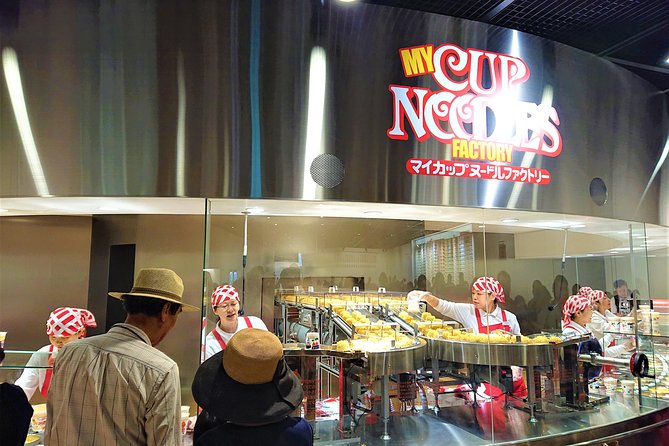
- Cup Noodle Museum DIY moment: paint your own cup container and choose ingredients for your original noodles
- 1830s Osaka street recreation: step into a life-size shopping street scene at the Housing and Living museum
- Tenjinbashi-suji length: stroll Japan’s longest shopping street at about 1.6 miles, with plenty of everyday local food
- Castle-front history perspective: start your Osaka Castle visit with context from the History museum and its 10th-floor views
- All major entries covered: guide fare, public transport, and admission tickets are included in the tour price
- Guides who manage logistics: on-time train navigation and pacing are a big theme in guide feedback, with names like Hisashi and Hasashi standing out
A Full Day of North Osaka (Without the Train Math)
This tour is designed for people who want more than a checklist. You’ll move through north Osaka in a way that feels practical: you walk when it’s easy to absorb the neighborhoods, then take the train when it saves real time.
The best part is how the day is sequenced. You start with a playful, food-focused stop that’s also deeply tied to Osaka’s identity, then you move into everyday commerce at old-street style museums, and only later do you hit the big landmark cluster around Osaka Castle. That order helps the city’s story click.
Because it’s private, you’re not stuck at the mercy of group pacing. Your guide can slow down for questions, speed up when people are ready, and shape the day to match what you find interesting.
You can also read our reviews of more walking tours in Osaka


Cup Noodle Museum Osaka Ikeda: More Than a Photo Stop
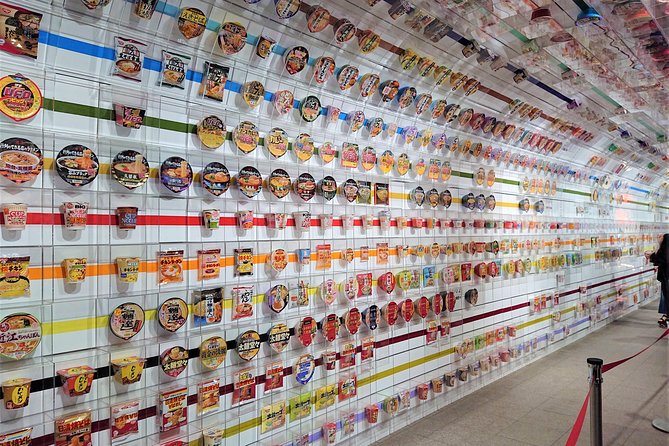
This is where the tour proves it can be fun and meaningful at the same time. You’ll visit the birthplace of instant-cup noodles, including the story of chicken ramen origins in Osaka. It’s the kind of place where the facts land because you’re surrounded by the product’s design logic and history, not just reading signs.
Then comes the hands-on part: you can make your own cup noodles by painting a container and selecting ingredients. Even if you don’t care about the backstory, this section is built for a memorable keepsake. It’s also a great reset during a long day because it’s interactive, not just observational.
One practical note: plan for a bit of time to move through exhibits calmly, not only to reach the workshop area. If you rush, you miss the little design details that make instant noodles such an Osaka phenomenon.
Osaka Museum of Housing and Living: The 1830s Street You Can Walk Through
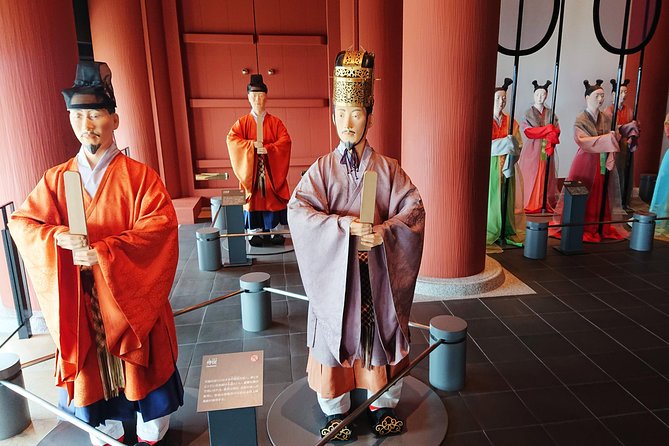
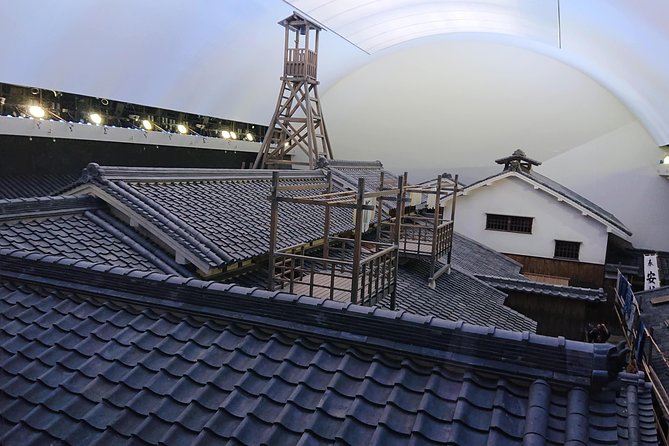
Next you jump into a different kind of Osaka. The Housing and Living museum uses life-size, accurate reproductions to put you inside a day at an old shopping street in the 1830s. It’s not abstract history—you’re walking through an environment that looks like merchants actually lived and worked there.
I like this stop because it adds texture. Osaka is often described through food, but here you get the everyday rhythm of commerce: how shops sat in relation to street life, what a merchant-focused lifestyle might have felt like, and how a moderate but lively existence played out in daily spaces.
Because the museum is time-efficient, it also works well in an 8-hour schedule. You get a complete “step back in time” experience without needing half a day to do it.
Tenjinbashi-suji: Japan’s Longest Shopping Street, the Local Way
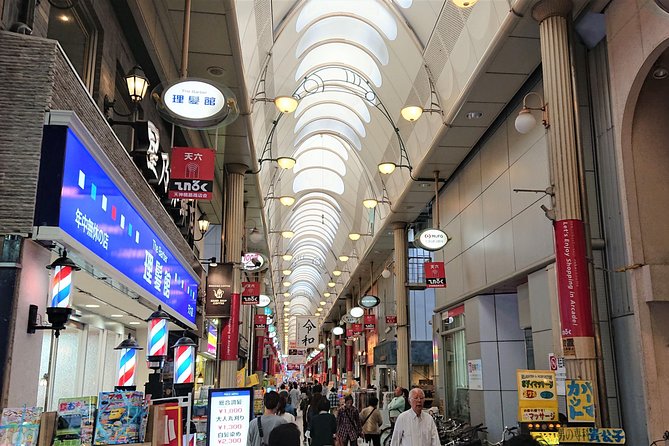
Tenjinbashi-suji is the kind of place where you learn Osaka by walking at human speed. It stretches about 1.6 miles, and it historically served as the main entrance to Tenmangu Shrine—so even today, you’ll see the street’s spiritual and daily life overlap.
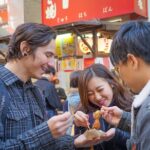
What makes this stop valuable is the mix. You won’t feel like you’re only shopping for souvenirs or hunting for luxury. Instead, you’ll find plenty of mom-and-pop shops and older-style stores, plus local eating options that fit how residents actually snack and browse.
Two smart ways to experience it:
- Walk with curiosity, not a plan. If you try to “optimize,” you’ll miss the small shop rhythms.
- Use your guide. A local-food suggestion from your guide will usually beat random guessing, especially when you’re moving between train and walking segments.
This is also a good stretch to take in street energy without committing to a full meal—just enough to recharge before the museum-and-castle portion.
Osaka Museum of History: Castle Views Plus the Big Picture
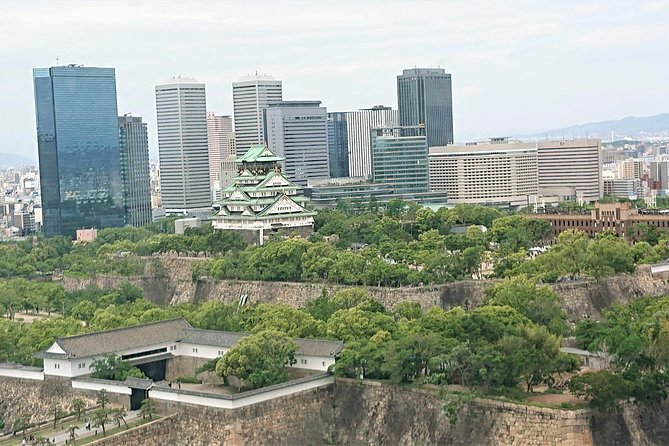
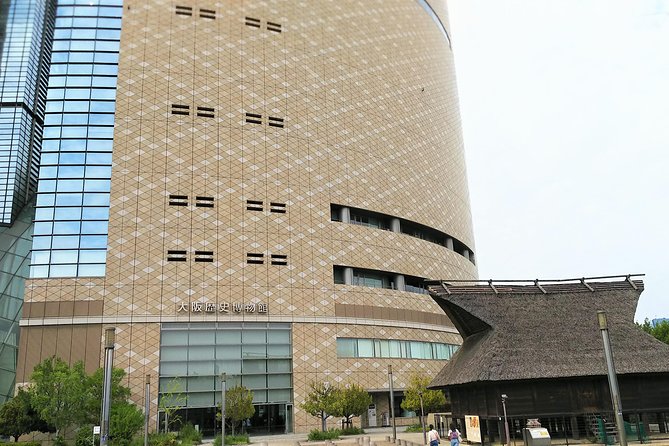
Before you go to the castle grounds, you’ll get framing at the Osaka Museum of History. The museum sits on ruins of ancient palace areas, and it’s located in front of Osaka Castle—so the physical placement matches the storytelling.
Inside, you’ll see reproductions, mannequins, and videos that walk you from earlier Osaka to more modern days. This matters because Osaka Castle is impressive on its own, but you’ll enjoy it more if you understand what you’re looking at and why the site mattered.
The standout detail for many people is the 10th-floor window view. From up there, you get a clear overview of Osaka Castle, which makes the later visit feel less like arriving at a random landmark and more like stepping into the final panel of the story.



Osaka Castle: Moats, Gold Ornaments, and the Human Story
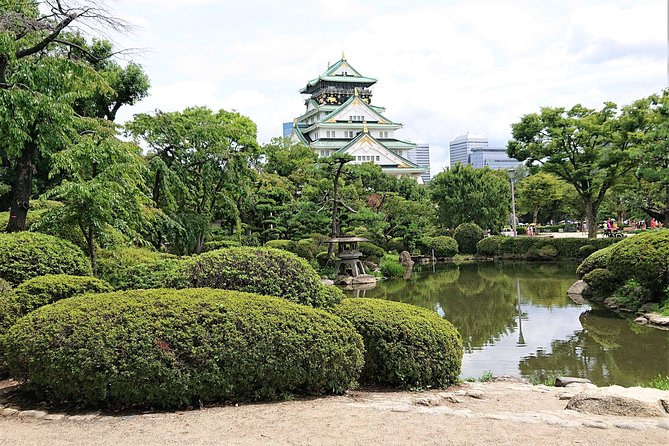
Now you’re at the headline. Osaka Castle was founded in the 16th century, and the defensive design is obvious: wide, deep moats and tall stone walls that make the castle feel built for real resistance. Even if you’re not a castle person, the scale is hard to ignore.
One detail worth noticing is the Main Keep’s decoration. You’ll see gold ornaments harmonizing with the patinated roof, and it gives the building a ceremonial look rather than a purely fortress feel.
What I appreciate most here is the way the visit is set up around a human narrative. The castle experience includes a focus on the life of a samurai warrior hero born into a very poor family who eventually rose to become a leader of the nation. That personal arc helps you connect architecture and power to lived struggle, not just military design.
If you’re short on energy by the time you reach the castle, don’t panic. The History museum’s context earlier usually helps you focus on what’s most meaningful in the castle exhibits.
Walking and Train Time: How to Stay Comfortable for 8 Hours
This tour is built around getting places on foot and by train, and it lasts about 8 hours. That means your clothing and shoes matter more than you think.
Bring comfortable walking shoes with grip. North Osaka has plenty of places where you’ll be moving at a steady pace for long stretches, and you don’t want sore feet to turn museums into a chore.
Also, because it’s private, the guide can adjust pace within reason. In guide feedback, you’ll see examples of accommodation for mobility concerns (including someone’s mother), and that’s a good sign if your group needs gentle pacing. Still, the day is active, so plan accordingly.
Finally, the tour runs best in good weather. If conditions are poor, the experience can be offered on another date or you can get a full refund.
Price and Value: What $165.81 Actually Buys You
At $165.81 per person, you’re not paying only for sightseeing. You’re paying for a guided storyline, plus practical costs that usually add up when you do it on your own.
Here’s what’s included:
- Guide fare
- Public transportation fares for you and your guide
- Admission fees for the stops listed
Food and drink are not included, so you’ll still want to budget for lunch and snacks. But you’re saving time and stress because you won’t be managing every ticket queue yourself across multiple attractions.
This tour tends to be good value when you want three things at once:
1) a curated route that mixes major sites with oddball Osaka (hello, instant noodles),
2) the convenience of trains handled for you, and
3) admissions covered so you can focus on enjoying each stop.
If you like wandering alone with a loose plan, this could feel pricey. If you like walking with meaning and saving navigation time, it can feel like a fair deal.
Who This Private North Osaka Tour Fits Best
This is a strong match for:
- First-time visitors who want a north Osaka route that includes both famous and quirky stops
- People who prefer guided context over “I guess this is cool”
- Families or mixed groups who need steady pacing (guide feedback includes examples of kids keeping up)
- Anyone who dislikes figuring out trains and transfers mid-day
It’s also a good choice if you want to learn Osaka through themes. Instant noodles, merchants’ everyday life, long shopping streets, and a castle with a personal storyline form a coherent picture of the city.
Should You Book This North Osaka Walking Tour?
I’d book it if you want a full-day Osaka experience that balances big architecture with hands-on fun. The Cup Noodle Museum stop alone is a great reason, but the real win is how the day builds from street life to castle context without feeling like random hopping.
Skip it (or choose carefully) if you hate walking for long stretches or you want a totally food-led day with lots of free time for independent exploration. Also, if you’re sensitive to weather, remember this runs best in good conditions.
If you do book, go in with one simple mindset: let the guide set the pace, but keep your eyes open. Osaka rewards curious walking—especially when someone local is pointing out why the places matter.
FAQ
How long is the North Osaka walking tour?
The tour lasts about 8 hours.
Where does the tour start and end?
It starts at Osaka Station 3-chōme-1-1 in Umeda, Kita Ward, Osaka, and it ends back at the meeting point.
What is included in the price?
The price includes the guide fee, public transportation fares, and admission fees for the tour stops.
Is food and drink included?
No. Food and drink are not included.
What fitness level do I need?
The tour recommends a moderate physical fitness level.
Is this a private tour?
Yes. Only your group will participate.