REVIEW · OSAKA
From Kyoto or Osaka: Kyoto Highlights & Nara Park Day Trip
Book on GetYourGuide →Operated by REOTRIP TECHNOLOGY LIMITED · Bookable on GetYourGuide
Kyoto to Nara in one day is a lot. It’s also a fun way to hit the big hitters: Fushimi Inari’s orange torii, Nara Park deer, and the calm of Kinkakuji.
I especially like how the route mixes photo-famous spots with quieter moments, like the slow-walk feel you get around temples and backstreets. One drawback to keep in mind: the day runs on a tight clock, so Nara happens in the afternoon, and your tour still ends in Osaka even if you start in Kyoto.
In This Review
- Key things to know before you go
- How This 10-Hour Kyoto and Nara Route Really Works
- Kiyomizu Temple, Ninen-zaka, Ishibe-koji, and Gion’s Walking Mood
- Fushimi Inari Taisha: Torii Tunnel Walk, Blessings, and Horse Details
- Nara Park Deer Time, Red Leaves, and the Todaiji Temple Option
- Kinkakuji’s Zen Quiet: Why This Stop Feels Different
- Price and Value: Is $69 Worth It for Kyoto, Inari, Nara, and Kinkakuji?
- Logistics That Can Make or Break the Day
- Who This Tour Suits Best (and Who Should Choose Something Else)
- Should You Book This Kyoto and Nara Highlights Day Trip?
- FAQ
- How long is the tour?
- Where does the tour start and where does it end?
- Is the tour guided and in English?
- What is included in the $69 price?
- What’s not included?
- Can my plans change due to weather or traffic?
Key things to know before you go
- Nara Park is afternoon timing (around 3:30 p.m.), so go in expecting deer time, not a full-day deep dive.
- The tour ends in Osaka even if your start point is Kyoto.
- Kiyomizu Temple + classic Kyoto streets set the tone before the big photo stops.
- Fushimi Inari is the centerpiece, with torii gates forming a tunnel-like walkway.
- Optional add-ons show up at key moments, like kimono photo chances and a Todaiji Temple option.
- A live English guide can make the day feel smoother, especially when transitions get crowded.
How This 10-Hour Kyoto and Nara Route Really Works
This is a one-day highlights format. You’re not wandering at your own pace all day. You’re moving—bus ride here, walking loop there, then another transfer—so you can see a lot without planning trains, transfers, and ticket windows.
The structure is basically: Kyoto sightseeing in the first half, then Fushimi Inari, then Nara Park later, followed by the ride back toward Osaka. The total time is 10 hours, which is long enough to feel like a trip, but short enough that you should plan to keep stops moving. If you love lingering, build in your own buffer by choosing fewer detours during each stop.
You’ll be on an English live tour with a guide, which helps a ton with the flow. When you know where to stand for the best photo angles, or when to move your feet forward instead of waiting out the worst crowd pockets, you save energy for the parts you actually came for.
The best part of this setup is that it’s very hard to mess up your day. You don’t need to figure out logistics under pressure. The main “watch-out” is that the schedule is built for highlights, not for maximum time at each attraction—especially Nara, which is timed for afternoon.
You can also read our reviews of more tours and experiences in Osaka
Kiyomizu Temple, Ninen-zaka, Ishibe-koji, and Gion’s Walking Mood
You start with the classic Kyoto experience: temples first, then streets. Kiyomizu Temple is the emotional warm-up. It’s a name you’ve heard, but in person it hits differently because the place invites a slow, look-around approach—stone, viewpoints, and that temple-still feeling even when crowds move through.
After that, the tour moves through the surrounding old-street vibes: Ni-nen-zaka and Ishibe-koji. These lanes matter because they’re where Kyoto feels most like Kyoto—less “big attraction” and more texture. Even if you only have limited time, walking these streets gives you a sense of the city’s older layers.
Then you reach Gion and walk along Hanami-koji. This is the street for atmosphere. You’re not there for museums. You’re there for the feeling: traditional streetscape, that sense of being in a neighborhood rather than a theme park. The tour timing also gives you a chance to get photos before the later crush at some of the photo hotspots.
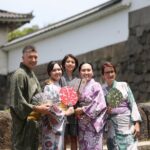
There’s also an optional moment for those who want it: you can change into kimonos and take photos around the Yasaka Shrine area. I like this choice because it’s the kind of experience that makes your photos look like you planned a whole day around it. If you’re on the fence, think about your comfort level—if you want to move quickly and keep your feet light, you might skip the extra dressing time.
If you’re thinking about seasons: this day trip is positioned for fall vibes, including autumn leaves in the Kyoto mountain area. Even when the weather is changeable, you’re still doing the right kind of route for scenic walking.
Fushimi Inari Taisha: Torii Tunnel Walk, Blessings, and Horse Details
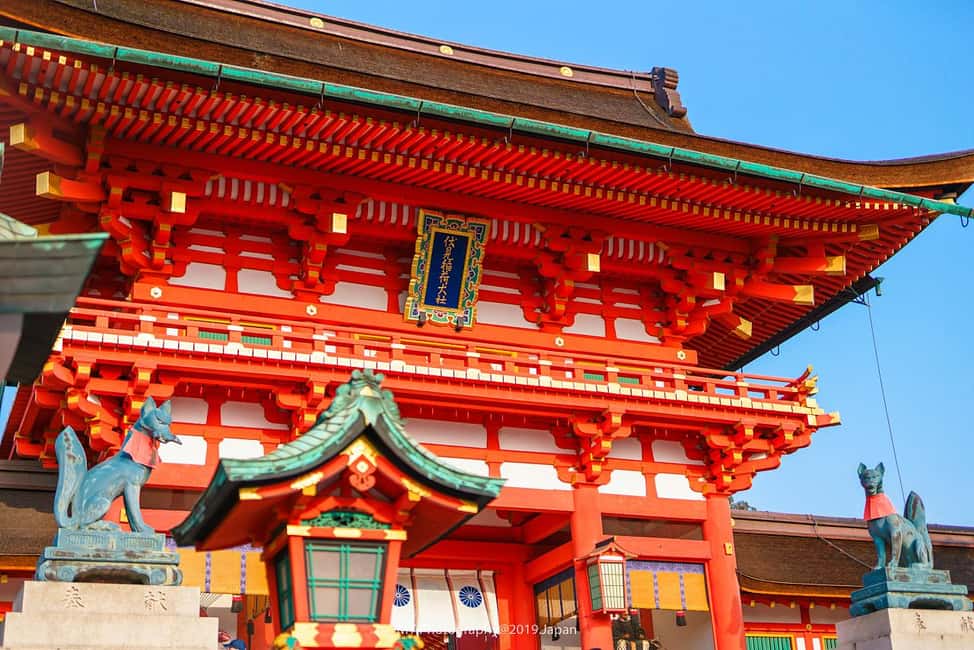
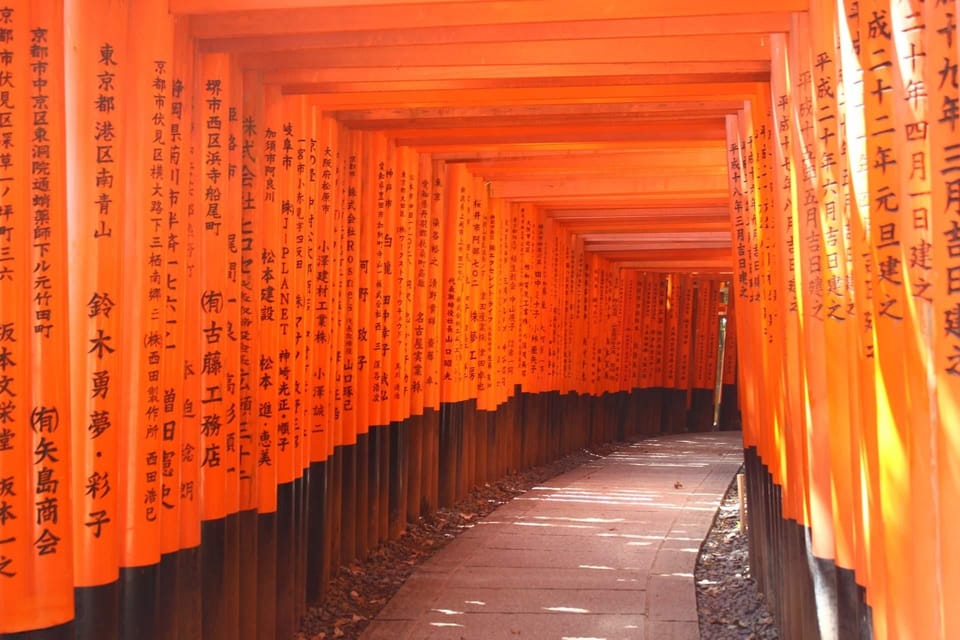
If you only had time for one “wow” stop, it’d probably be Fushimi Inari Taisha. The famous red torii gates don’t just sit there nicely for a postcard. They create a corridor effect as you walk. That’s why the place feels fun even when you’re surrounded by other people: the path itself is the experience.
What I like here is that it’s not just a viewpoint tour. You’re walking through the gates, step by step. You also get a chance to do a small local ritual: sending a blessing for luck for family and yourself. It’s simple, but it gives the stop meaning beyond photos.
Then there are the little details that make Fushimi Inari memorable. The tour mentions the painted horse features and that you can spot graffiti-style marking on them. Whether you love street-style marks or you prefer to keep things classic, it’s one of those “only here” visual quirks that makes the site feel lived-in instead of staged.
One practical note: this stop is often crowded because it’s a top pick for short visits. So go with a mindset of movement. Don’t expect to linger at every angle. Instead, choose a couple of photo moments and enjoy the walk between them. Your feet will do the story—torii after torii after torii.
If you’re aiming for photos, arrive with your plan in mind: where you want to shoot, what you want included (torii depth, not just one gate), and how you’ll handle people in the frame. In a guided group, you’ll also benefit from knowing when to push forward and when to pause.
Nara Park Deer Time, Red Leaves, and the Todaiji Temple Option
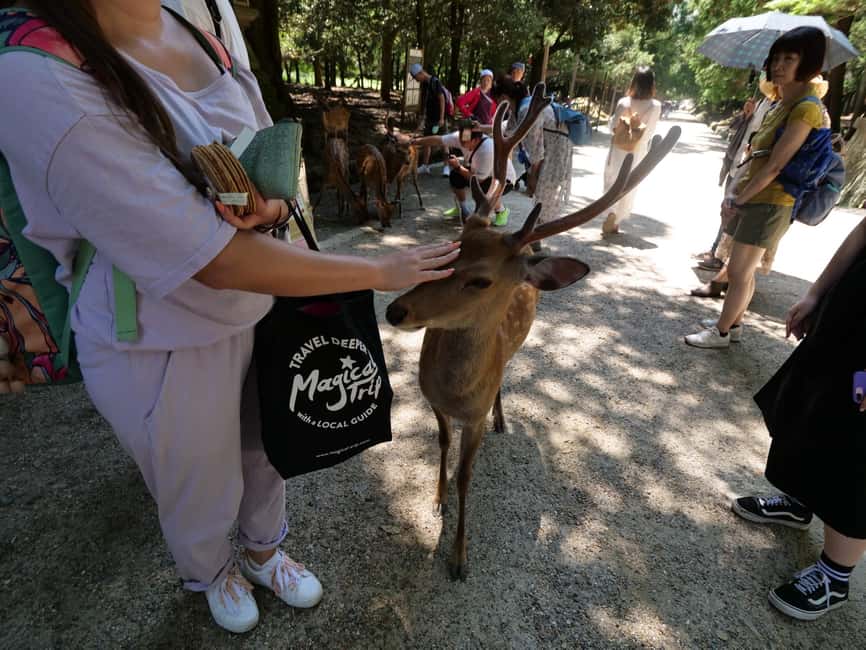
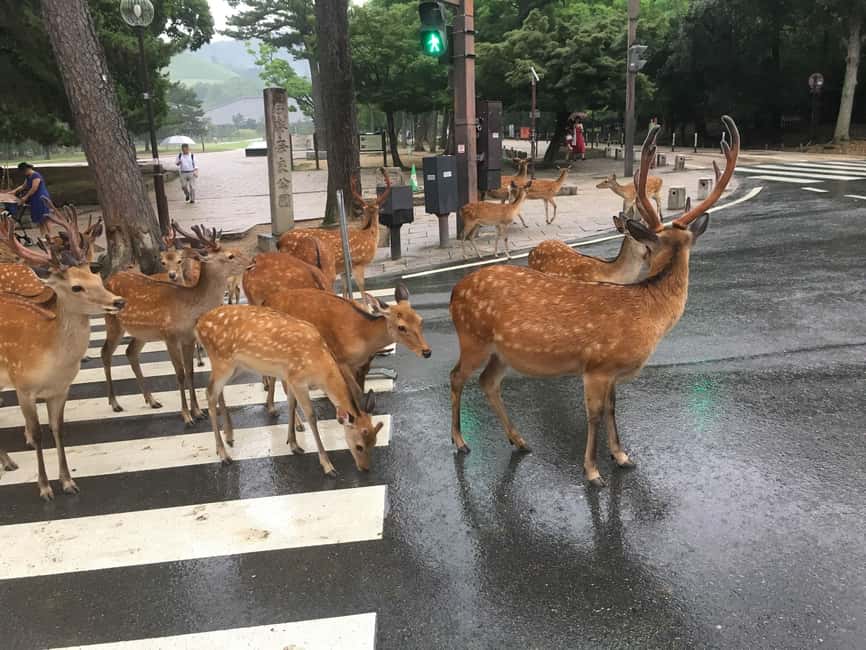
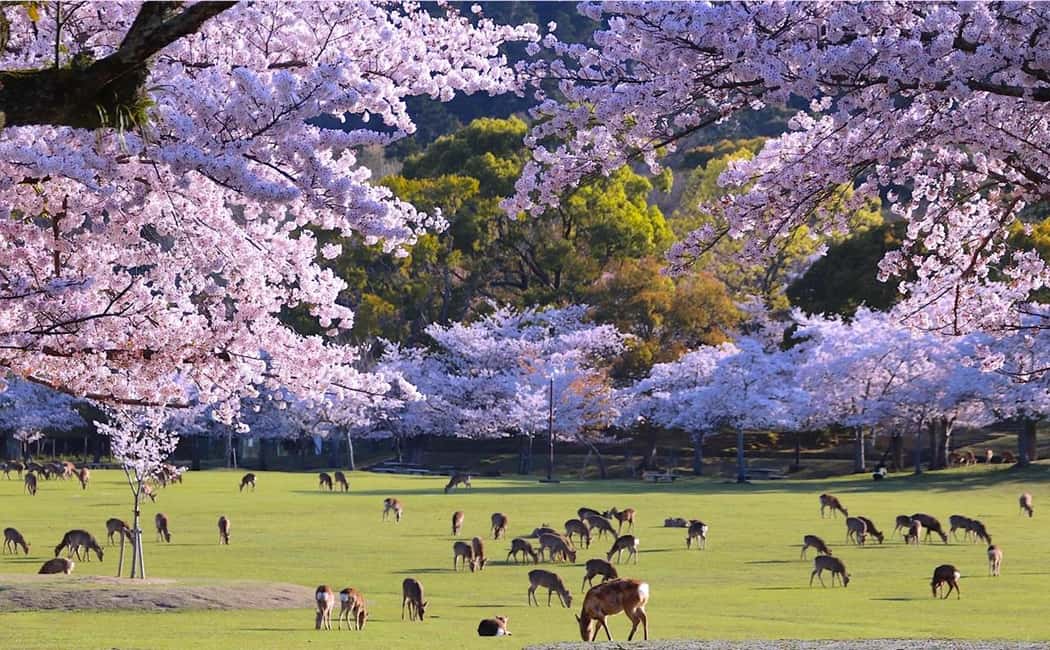
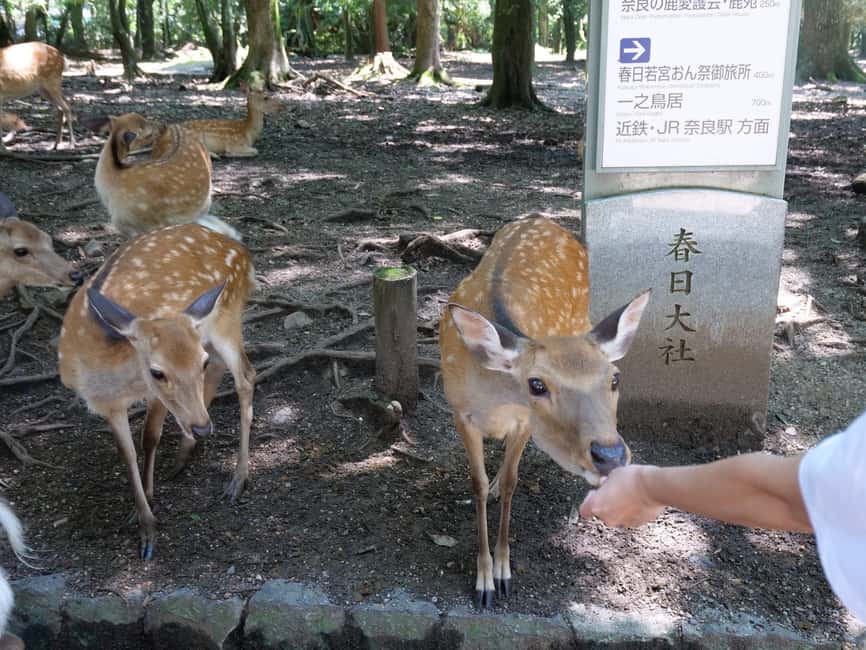
The big switch happens in the afternoon. Around 3:30 p.m., the tour continues on to Nara Park, which is where the day becomes a little more playful. The highlight here is straightforward: freely roaming deer and the chance to feed them up close.
This is one of those experiences that can feel either magical or chaotic depending on your expectations. I recommend going in calm and practical. Keep your hands steady, follow your guide’s cues, and don’t assume you’ll have long stretches with the deer far away. They’re there, and they’re interested.
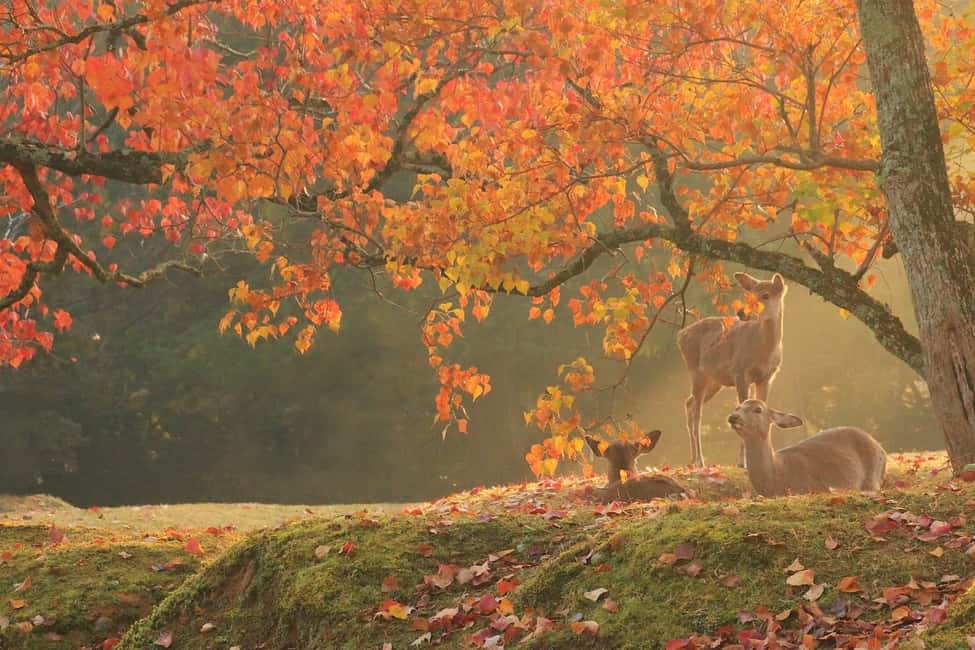
The tour also points out fall scenery, including colorful red leaves around the park area. Even with shorter timing, the afternoon light and seasonal colors can make deer interactions feel more special than just a quick animal encounter.
There’s also a choice for history lovers: you can opt to visit Todaiji Temple. This is a smart add-on if you want your deer stop to connect with something deeper. If you prefer to keep it simple and focus on the park atmosphere, you might skip it. Either way, the guide can help you decide based on time pressure during the day.
Why the timing matters: because you’re arriving in the afternoon, you’re more likely to get the deer experience at peak energy than a slow, quiet museum-style visit. That can be exactly what you want. If you were hoping for a full Nara day (temples, gardens, longer wandering), this format won’t replace that. But it does a very good job delivering the signature Nara moment without you managing transport.
Kinkakuji’s Zen Quiet: Why This Stop Feels Different
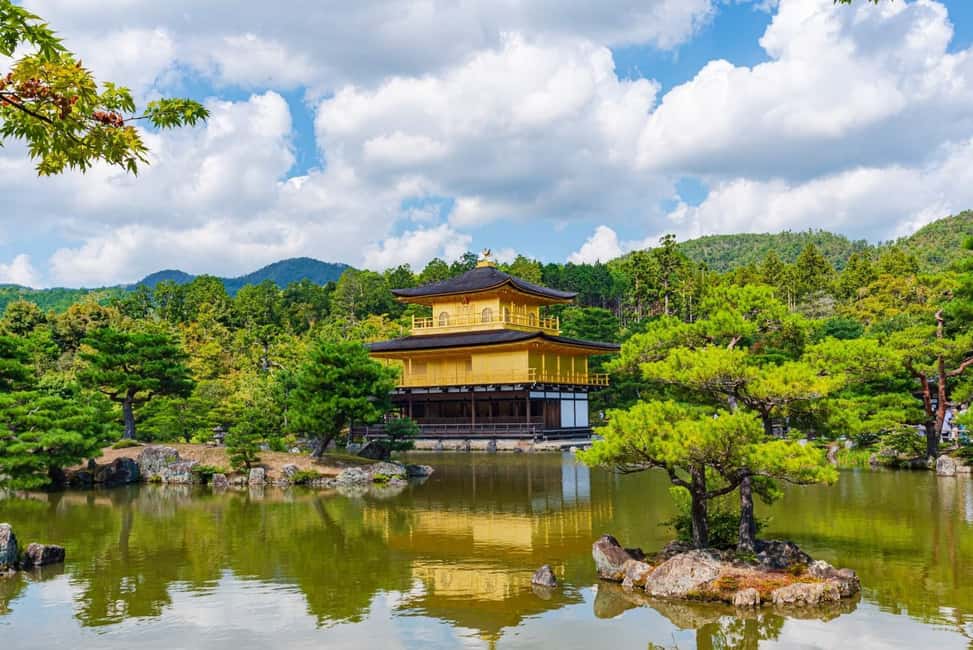
The tour includes a visit to the famed Zen temple of Kinkakuji. Even if you’ve seen photos before, this is one of those places where the mood changes the pace of your walk. It’s quieter in how it asks you to look—less about marching forward and more about noticing the stillness.
Kinkakuji also works well as a contrast after the busier, more photogenic stops like street lanes and torii gates. The day starts with lively walking and iconic visuals, then shifts toward a temple experience where the atmosphere does more of the work for you.
If you’re the type who loves architecture, reflections, and the “pay attention” kind of sightseeing, this stop is a payoff. If you’re more of a checklist visitor, it still lands because it’s a famous temple for a reason. Either way, it gives the tour structure a nicer emotional arc: busy → iconic photos → animal fun → calm.
I’d treat Kinkakuji as your moment to slow down. Don’t rush through it just to get back to the bus. You’ll enjoy the day more if you give this one stop your full attention.


Price and Value: Is $69 Worth It for Kyoto, Inari, Nara, and Kinkakuji?
At $69 per person, you’re paying for a day organized around time-saving transportation and a live English guide. That price includes roundtrip transportation (with drop-off in Osaka), plus toll fees, parking fees, and fuel fees.
What’s not included is where your budgeting needs to kick in: food and drinks and attraction admissions. That means you should plan to add some spending for meals during the day and any entrance fees you decide to pay.
Is it good value? For many people, yes, because you’re buying three things at once:
- a guided plan so you don’t spend the day figuring routes
- transportation that links Osaka or Kyoto with multiple out-and-back stops
- someone to manage the timing so you see the key sights without losing hours
Where it might not be worth it is if you already know the transit system well and you prefer solo pacing with unlimited time at each site. Also, if you’re the type who wants to fully explore Nara beyond deer and one temple option, you may feel the schedule is too compressed for the price.
Overall, the cost makes sense for a “greatest hits” day—especially if you’re traveling with limited time and want your sightseeing choices to be guided, not improvised.
Logistics That Can Make or Break the Day
This tour comes with a few practical rules you’ll want to keep in your head.
First: pickup happens from either Osaka or Kyoto, depending on the option you book. Second: the tour ends in Osaka no matter what. So if your onward plan is something like leaving Japan from Kansai later that day or catching a separate night train, double-check your schedule so you’re not scrambling.
Meeting points may vary, and the provider sends an email the day before with pickup location details, guide contact info, and the bus license plate number. That email is not optional reading. It’s the kind of thing that prevents a stressful morning.
Third: timing can shift. Schedules may change due to traffic, weather, holidays, or crowd levels. And if delays or cancellations happen for those reasons, refunds may not be requested. In other words: treat it like a normal day in Japan where buses can get stuck, crowds can surge, and everyone moves a little slower than the ideal schedule on paper.
One more reality check: this route moves fast by design. If you’re hoping for lots of downtime or shopping time, plan for that in your evenings, not in this 10-hour block.
Who This Tour Suits Best (and Who Should Choose Something Else)
This day trip fits best if you want:
- a guided, high-effort sightseeing day without transit planning stress
- the signature hits: Fushimi Inari, Nara deer, and Kinkakuji
- fall-season scenery, including autumn leaves timed into the route
- English guidance so you know what you’re looking at and why it matters
It’s also a good option if you have limited time in Kansai. If your trip is short and you want to sample both Kyoto and Nara with one organized plan, this does the job.
You might want a different format if:
- you want a long Nara day with multiple temples and slow roaming
- you dislike “afternoon arrives late” situations (because Nara is timed for later)
- you need the flexibility to end the tour somewhere other than Osaka
On the guide side, the experience can be noticeably smoother when your guide is strong with transitions and helpful in the moment. One English guide named Jack was specifically mentioned as being helpful, and that kind of guidance matters on a day with multiple stops and walking.
Should You Book This Kyoto and Nara Highlights Day Trip?
I’d book it if you want a practical, guided sampler that hits the big names: Kiyomizu area streets, Fushimi Inari’s torii tunnel, Nara Park deer time, and Kinkakuji’s Zen calm—all stitched into a 10-hour plan.
I’d think twice if you’re the kind of traveler who plans their entire day around Nara, or if your personal schedule depends on an end location other than Osaka. In that case, you’ll probably enjoy a slower, more flexible itinerary.
If you do book, do one thing before your trip: read that email the day before about pickup and bus details. Then come with comfortable shoes and the mindset that your reward is the variety of stops—not long lingering at each one.
FAQ
How long is the tour?
The tour runs for 10 hours.
Where does the tour start and where does it end?
It can start in Kyoto or Osaka, depending on the option booked, but it ends uniformly in Osaka.
Is the tour guided and in English?
Yes. The tour includes a live English-speaking guide.
What is included in the $69 price?
The price includes roundtrip transportation (with drop-off at Osaka), a tour guide, toll fees, parking fees, and fuel fees.
What’s not included?
Food and drinks and attraction admissions are not included.
Can my plans change due to weather or traffic?
Yes. Schedules may change due to traffic, weather, holidays, or crowd levels. If delays or cancellations happen due to those factors or other uncontrollable causes, refunds cannot be requested.