REVIEW · OSAKA
Kyoto and Nara Day Tour From Osaka with Deer Sightings
Book on Viator →Operated by QHTravel · Bookable on Viator
Deer encounters start this Osaka day trip. You’ll tour Nara Park for close-up shika sightings, then glide into Kyoto for the torii at Fushimi Inari and the temple stage at Kiyomizudera. It’s one of those days where the big sights are famous for a reason, and you don’t waste time figuring out trains and transfers.
Two things I like a lot: the included air-conditioned vehicle and driver service make the day feel easy, and the core stops are free to view from the outside—so you can control costs with optional entry tickets. One thing to keep in mind is that the driver’s English is described as basic, so if you want deeper culture explanations, you’ll rely on signage and your own reading rather than a lecturer in the van.
In This Review
- Key points you should know before you go
- A “big icons” day that’s built for convenience
- Price and what you really get for $69
- Morning logistics: starting at Kintetsu-Nippombashi and keeping the day on track
- Nara Park deer sightings: cute, close, and a little mischievous
- Fushimi Inari Taisha: the torii gates walk that never gets boring
- Kiyomizudera: UNESCO views, plus a smart ticket strategy
- Todai-ji: the optional add-on you can pay for (or skip inside)
- Shinsaibashi-suji in Osaka: the easy way to end the day
- Who this Kyoto and Nara day trip is best for
- A few practical considerations so your day stays fun
- Should you book this Osaka-to-Kyoto-and-Nara day tour?
- FAQ
- What time does the tour start?
- Where is the meeting point?
- How long is the day tour?
- What are the main places you’ll visit?
- Is admission included for the temples and shrines?
- Do I need to pay for lunch?
- What’s included in the tour price?
- Is the deer encounter guaranteed at Nara Park?
- How big is the group?
- What if the weather is bad?
Key points you should know before you go

- Wild deer at Nara Park are the star attraction, and they can be right up in your space.
- Fushimi Inari’s red torii corridor is an iconic walk you’ll see with limited stress.
- Kiyomizudera inside tickets are optional, but the outside views still deliver.
- Shinsaibashi-suji shopping street gives you a real payoff back in Osaka after temple time.
- Group size stays capped at 45, which helps keep things from turning into chaos.
A “big icons” day that’s built for convenience
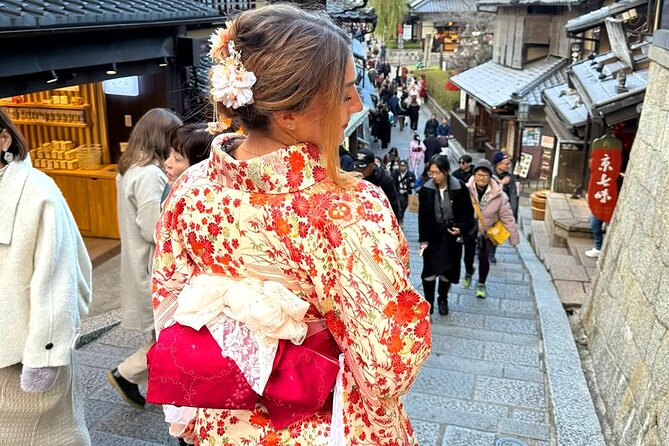
This is a classic Osaka-based one-day loop: you start early, hit Nara and Kyoto in the same day, then end back near where you started. The structure matters. Nara Park and Kyoto’s Higashiyama area can each chew up half a day on their own. Bundling them together only works when transport is handled for you, and that’s exactly what you’re paying for.
The tour runs about 10 hours and starts at 8:30 am from Kintetsu-Nippombashi Station. You’ll ride in an air-conditioned vehicle with a driver service fee included. That means you’re not doing a constant train shuffle while you’re trying to enjoy deer and temple photos in daylight.
Also, there’s a mobile ticket. That’s a small thing, but on a day like this—where you’re moving between several key places—it helps you avoid last-minute paper hunts.
You can also read our reviews of more tours and experiences in Osaka.

Price and what you really get for $69

At $69 per person, this tour is priced like a “time-saver,” not a luxury experience. What you’re getting is the vehicle and a driver, plus the routing that strings together Nara Park, Fushimi Inari, and Kiyomizudera. Those stops are major sights with lots of walking and crowds. Paying for an organized ride is what makes the day feel smooth.
Now the cost caveat: lunch isn’t included, and there are optional admission fees if you want to go inside certain buildings. Kiyomizudera entry is listed at ¥400 per person, and Todai-ji entry at ¥600 per person. The good news is that you can visit from the outside without paying those ticket prices.
So the value equation looks like this:
- If you keep tickets optional and eat on your own, you control spending.
- If you want to enter multiple temple interiors, your final cost rises—but you’ll still have the benefit of transport and a planned day.
If you hate surprises, bring a little extra cash just in case you decide you want inside access.
Morning logistics: starting at Kintetsu-Nippombashi and keeping the day on track

The meeting point is Kintetsu-Nippombashi Station (1-chōme-18-14 Nipponbashi, Chuo Ward, Osaka). Starting at 8:30 am matters because it’s how you get a better shot at comfortable sightseeing. Nara Park gets busy, and Fushimi Inari’s long torii walk is much nicer when you’re not sweltering through midday crowds.
The tour ends back at the meeting point. That’s another underrated benefit. You’re not stuck calculating how to get yourself back to Osaka at the end of a long temple-heavy day.
The tour caps at 45 travelers, so it’s not a huge bus party. Still, you’re on a shared day. You’ll want to stay aware of the meeting times at each stop and keep your group-finding instincts switched on—especially around the deer area where paths can get busy.
Nara Park deer sightings: cute, close, and a little mischievous
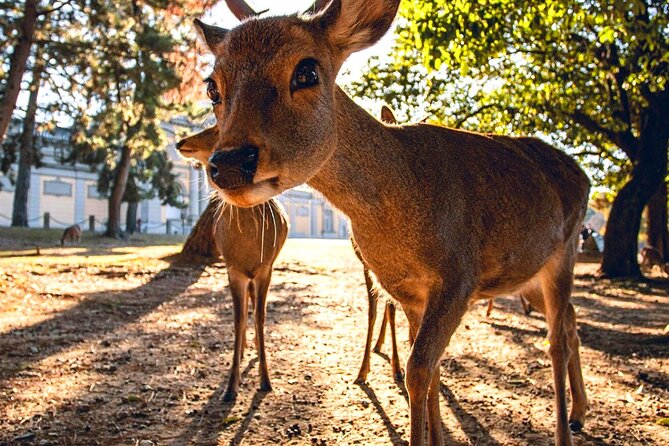
Nara Park is famous for the shika deer herd—about 1,300 wild deer roaming freely. You’re not visiting a zoo setup. You’re walking through a park where deer behave like they own the place. That’s exactly why it’s so memorable.
The best way to enjoy Nara without stress is to treat it like a shared public space, not a petting experience. You’ll likely see deer hanging around lawns, paths, and viewpoints, and they can come right up when they think food might be involved.
Some of the most charming moments come from how calm and responsive the deer can be. People often describe deer that bow or nod when they receive small snacks, and that reaction can feel surprisingly interactive. If you plan to buy deer crackers or similar snacks on site, keep it simple: hold calmly, don’t wave food around like a parade float, and give the deer a moment before you step in close for a photo.
A practical tip: wear shoes you’re comfortable walking in. Nara’s park paths are spread out, and you’ll spend more time on your feet than you might expect for “just a deer stop.”
Also, don’t forget that the park itself is part of the experience—trees, open spaces, and the sense that the city’s culture and nature blend together in one place.
Fushimi Inari Taisha: the torii gates walk that never gets boring
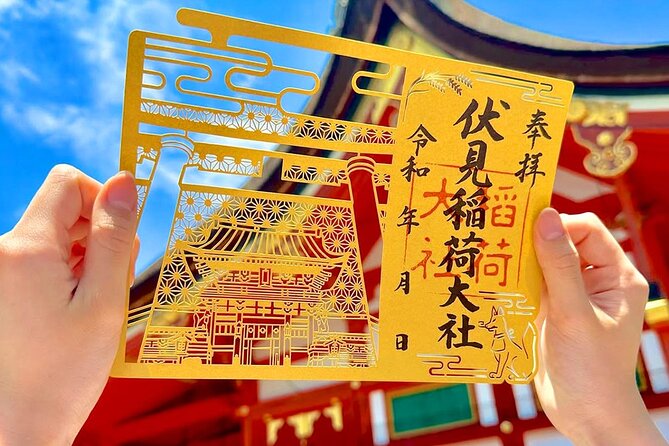
After Nara, you’ll head to Fushimi Inari Taisha in Kyoto. This shrine is all about Inari worship, and the visual signature is the famous red torii gates. Even if you’ve seen photos before, seeing it in person hits different because you’re moving through the corridor, not just looking at it.
You’ll spend about 1 hour 20 minutes here. That’s enough time for the core “wow” areas without turning the walk into a marathon. If you’re short on energy, focus on getting far enough along the gates for that feeling of being inside the tunnel of red rather than aiming for the farthest points on the hill.
One more thing: Fushimi Inari is popular for a reason. It can be crowded, and people naturally stop to take pictures in bottleneck spots. If you want smoother walking, start calmly, pause when it makes sense, and keep an eye on where the crowd is thickest.
Since the driver’s English guidance is described as basic, you’ll get the biggest benefit if you treat this as a self-guided experience. Use signage for the story beats and let the architecture do the talking.

Kiyomizudera: UNESCO views, plus a smart ticket strategy
Kiyomizudera Temple is the Kyoto stop people plan their whole trips around. The main hall area is famous for its dramatic stage-like structure, and it’s also a place where you’ll naturally slow down and look for angles.
You’ll have about 3 hours at Kiyomizudera. That time is generous enough to:
- wander through approach streets and temple grounds,
- take photos without feeling rushed,
- and still step back to enjoy the views from different points.
Admission is optional. The outside visit is free, and the listed entry ticket for going inside is ¥400 per person. Here’s the practical way to decide:
- If you mainly care about the iconic temple silhouette and the viewpoint energy, you can enjoy a satisfying visit without paying for inside access.
- If you want to experience the interior areas and not just the exterior, budget for the ticket.
I also like how Kiyomizudera fits the pacing of the day. It’s a big moment after Nara’s deer chaos and before the shopping stretch back in Osaka. If you want one stop where you don’t constantly think about schedules, this is it.
And a useful note from past traveler experiences: some days on this kind of Kyoto route may include extra sight time in addition to the headline temple visit. If Kinkaku-ji (the Golden Pavilion) is on your wish list, it’s worth asking how timing is handled on your specific day—just don’t count on it as a guarantee.
Todai-ji: the optional add-on you can pay for (or skip inside)

Todai-ji is mentioned with an admission fee of ¥600 per person, which usually means you have the choice to go inside rather than only viewing from outside. The tour info also notes that you can visit from the outside without paying.
So treat Todai-ji like a pick based on your travel style:
- Want maximum wow factor and don’t mind extra walking and ticket cost? Go inside.
- Prefer to conserve time and energy, or you’re already hitting the big Kyoto temple highlights elsewhere? You can still enjoy exterior viewing.
Since your schedule is already packed, I’d suggest keeping this decision flexible. If your feet feel okay and you still have curiosity after Kiyomizudera, Todai-ji can be a nice complement. If you’re tired, prioritize comfort and don’t force it.
Shinsaibashi-suji in Osaka: the easy way to end the day
Back in Osaka, the tour includes time at Shinsaibashi-suji Shopping Street in downtown Osaka. This is the right kind of finale for a day like this. Temples are great, but you also need a place to decompress, snack, and buy small things without a lot of planning.
Shinsaibashi-suji is a shopping street, so the vibe is practical and lively. It’s also where you can turn your “what should I eat tonight?” question into an easy walk-up decision, because there are plenty of options clustered in one area.
If you’re traveling with family, this is usually where everyone relaxes. The earlier parts of the day are about awe and walking. The last part is about choice and convenience.
One small strategy: if you want souvenirs, do it here. If you try to shop earlier, you’ll feel time-pressure while you’re in places where crowds and walking are the main event.
Who this Kyoto and Nara day trip is best for
This tour works best for you if:
- You have limited time in Kansai and want the big-hits in one day.
- You’d rather spend your energy sightseeing than managing transfers.
- You enjoy deer encounters and don’t mind sharing space with wild animals.
It’s also a strong option if you value predictable pacing. The stops are structured with set time windows: about 1.5 hours at Nara Park, about 1 hour 20 minutes at Fushimi Inari, and about 3 hours at Kiyomizudera, with remaining time for transit and the Osaka shopping finish.
A note for different travel styles: this isn’t positioned as a deep culture lecture. Drivers provide basic English guidance and are not described as offering in-depth explanations of attractions and culture. If you love understanding every detail, you might enjoy adding your own reading ahead of time or using on-site informational materials.
A few practical considerations so your day stays fun
Wear comfortable shoes. This is not “sit and look” sightseeing.
Bring a light layer. Even in a day-trip format, weather shifts can happen between Osaka, Kyoto, and the outdoors of Nara Park.
Plan your food. Lunch isn’t included. With free time on a long schedule, you’ll want to treat food as a planned break rather than a frantic search.
Use a simple camera routine. Fushimi Inari and Kiyomizudera deliver photo angles fast, but crowds can slow you down at chokepoints. Move with the flow, stop when you see an opening, and don’t try to capture everything in one breath.
If you’re traveling with someone older: the tour info states that elders over 70 should be accompanied by a family member. Since walking is involved at multiple stops, it’s wise to judge pace honestly.
Should you book this Osaka-to-Kyoto-and-Nara day tour?
I’d book this tour if your priority is a smooth, time-saving route from Osaka that still includes the must-see icons: Nara Park deer, Fushimi Inari’s torii gates walk, and Kiyomizudera’s temple stage atmosphere—plus a real ending in Shinsaibashi-suji for dinner and shopping.
Skip it (or consider a slower plan) if you want lots of guided cultural depth, because the guidance is described as basic. Also, if you hate optional ticket decisions, be aware that Kiyomizudera and Todai-ji inside entry cost extra.
Overall, this is good value for people who want maximum sightseeing per day with minimal logistics stress.
FAQ
What time does the tour start?
It starts at 8:30 am.
Where is the meeting point?
The meeting point is Kintetsu-Nippombashi Station (1-chōme-18-14 Nipponbashi, Chuo Ward, Osaka, 542-0073, Japan).
How long is the day tour?
The duration is about 10 hours.
What are the main places you’ll visit?
You’ll visit Nara Park, Fushimi Inari-taisha Shrine, and Kiyomizudera Temple, with additional time that includes Shinsaibashi-suji Shopping Street in downtown Osaka.
Is admission included for the temples and shrines?
Many parts are free to visit from the outside. Kiyomizudera inside entry is ¥400 per person, and Todai-ji inside entry is ¥600 per person, if you choose to enter.
Do I need to pay for lunch?
Lunch is not included, so you’ll need to pay for it yourself.
What’s included in the tour price?
Included items are an air-conditioned vehicle and the driver service fee.
Is the deer encounter guaranteed at Nara Park?
Nara Park is known for a herd of wild deer, and the tour includes time at Nara Park for deer sightings.
How big is the group?
The tour has a maximum of 45 travelers.
What if the weather is bad?
The experience requires good weather. If it’s canceled due to poor weather, you’ll be offered a different date or a full refund.