REVIEW · OSAKA
Discover Osaka Cuisine through Cooking Class Experience
Book on Viator →Operated by Cook, Taste and Enjoy Osaka · Bookable on Viator
Osaka’s street snacks become real food in 90 minutes. This cooking class is led by an Osaka mom who has lived in the city for over 60 years, and she shares how to make classic dishes the traditional way, plus what makes them matter locally. Two dishes are on the menu depending on your choice: takoyaki and okonomiyaki are the big stars here, with yakisoba as the third Osaka option.
I like that it is hands-on and interactive, not a sit-and-listen experience. I also like the small group setup, capped at 8 people, so you get real attention while the instructor walks you through the food and the Osaka context (including what to look for beyond the obvious tourist spots). One consideration: it is food-first. This specific class does not include a separate traditional culture component, and drinks other than bottled water cost extra.
In This Review
- Key Highlights Worth Marking on Your Map
- Osaka Soul Food With a Real Local Point of View
- What You Actually Cook: Takoyaki, Okonomiyaki, and Yakisoba Choices
- Takoyaki: Golden balls, octopus core
- Okonomiyaki: The savory Osaka pancake
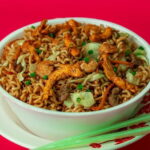
- Yakisoba: Third option if your heart goes noodles
- The 90-Minute Class Flow (And Why the Time Works)
- Nishishinsaibashi Meeting Point: Easy to Start, Easy to Continue
- Price and Value: What $65.04 Buys You in Osaka
- What Makes the Instruction Special (And What to Ask)
- Small Group Size (Max 8) Changes the Whole Experience
- Who This Osaka Cooking Class Is Best For
- A Few Practical Tips Before You Go
- Should You Book? My Quick Decision Guide
- FAQ
- What dishes can I make in this class?
- How long is the cooking class?
- Where does the class meet?
- Is the class group size limited?
- What’s included in the price?
- Are drinks other than water included?
- Do I need a physical ticket?
- How does confirmation work?
- What is the cancellation policy?
Key Highlights Worth Marking on Your Map
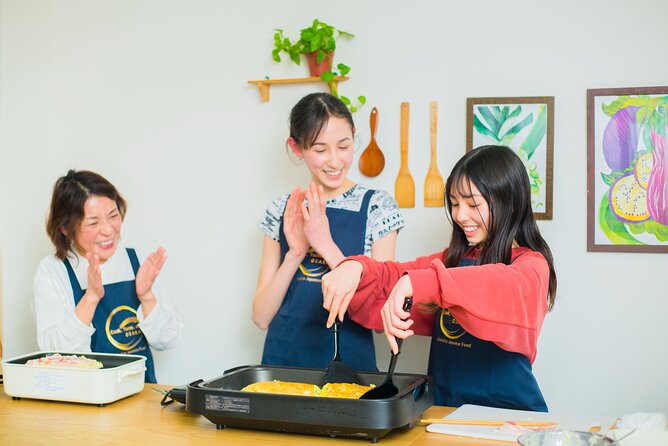
- Local instructor with decades of Osaka living, teaching the why behind the flavors
- Hands-on cooking where you make two of Osaka’s three main soul foods
- Takoyaki filling choices, so you can customize your batch
- Small group limit of 8, which keeps questions from getting lost
- Bottled water included, with other drinks charged in class
- Nishishinsaibashi location close to public transportation for an easy start
Osaka Soul Food With a Real Local Point of View
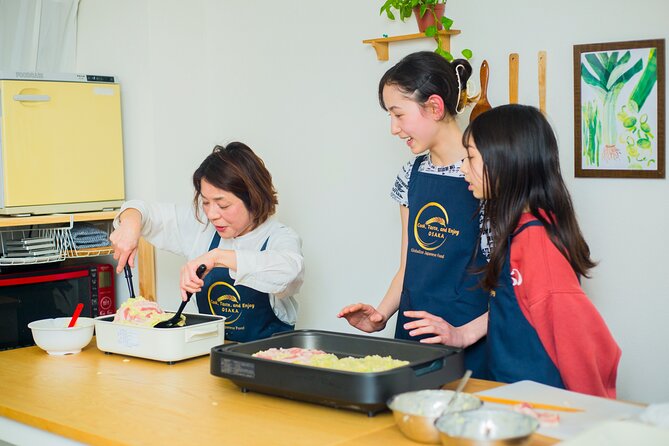
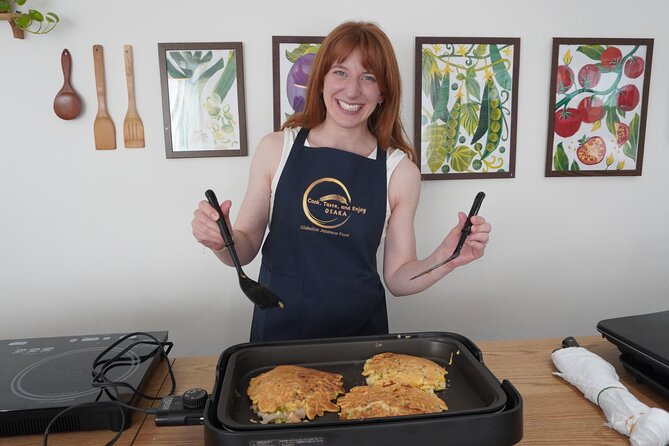
If you want Osaka to make sense fast, eat like a local. This class is built around the idea that the city’s food culture is not just what you try, but how you learn to make it. The instructor is an elderly mother who has lived in Osaka for more than 60 years, and that matters. She is not repeating a script. She is teaching you how Osaka street food fits into daily life and local taste.
What you get is a compact, focused experience: around 1.5 hours, small group, and lots of direct instruction as you cook. It also helps that the class structure is kept affordable because it focuses on cooking (instead of bundling in a separate traditional culture activity). You should expect an emphasis on technique, timing, and background stories, not a long walking tour.
In the reviews, people consistently call out how kind and welcoming the staff are and how much they learned even when they already knew Japanese food well. That is the sweet spot you want from a class like this: you are not paying for the novelty of cooking in Japan. You are paying for guidance from someone who knows Osaka in detail.
You can also read our reviews of more cooking classes in Osaka
What You Actually Cook: Takoyaki, Okonomiyaki, and Yakisoba Choices
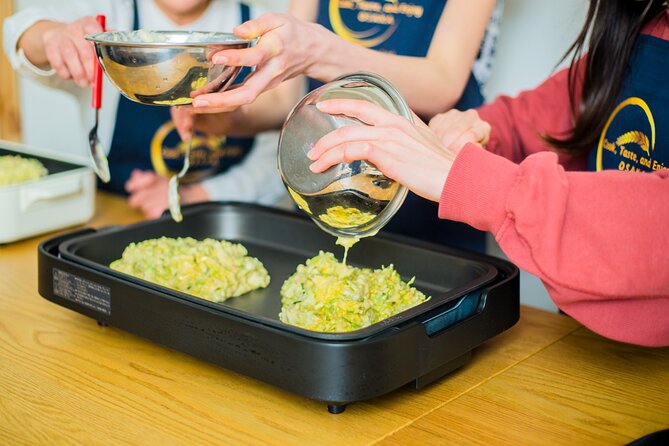
This is a two-dish class, not a three-dish marathon. The experience lets you make two of the three Osaka soul foods: takoyaki, okonomiyaki, and yakisoba. In practice, the most commonly paired picks are takoyaki and okonomiyaki, and that matches the vibe of Osaka’s street-food world.
Takoyaki: Golden balls, octopus core
Takoyaki is the instant Osaka identifier. Think golden, lightly fried batter balls with a filling center. One review describes it as the kind of snack you see everywhere at stalls, with golden outsides and succulent octopus inside. In class, you get to work on takoyaki directly, and you can choose your fillings. That small detail is more important than it sounds. It turns takoyaki from a preset dish into something you can personalize, which makes the lesson feel more yours.
Okonomiyaki: The savory Osaka pancake
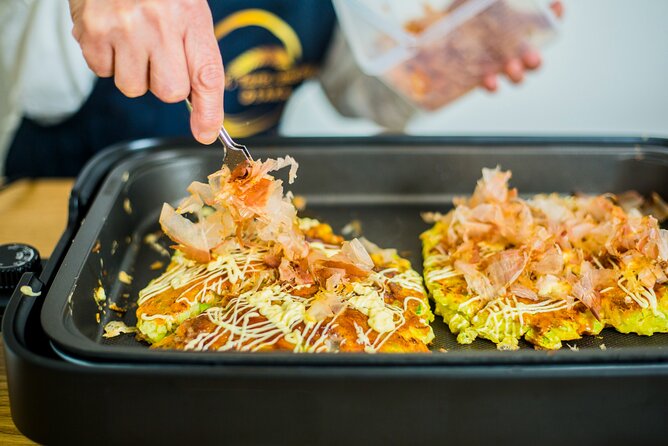
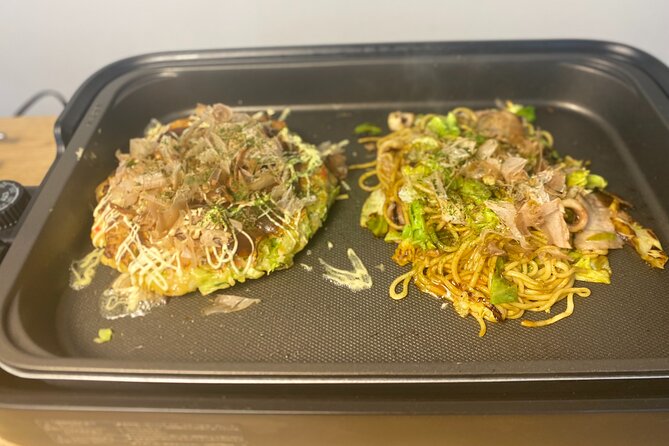
Okonomiyaki is the other classic you’ll likely cook here. It is often described as a comfort food made in a way that feels very Osaka: a thick, savory base with toppings and mixing that create that signature texture. The teaching style is the point. You do not just watch. You learn how it comes together and what makes it taste right.
Yakisoba: Third option if your heart goes noodles
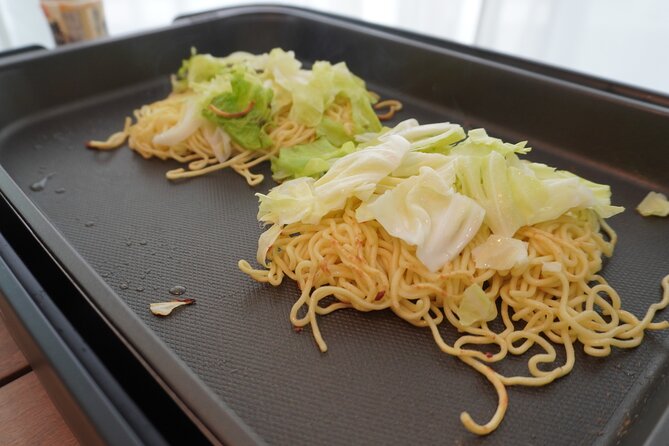
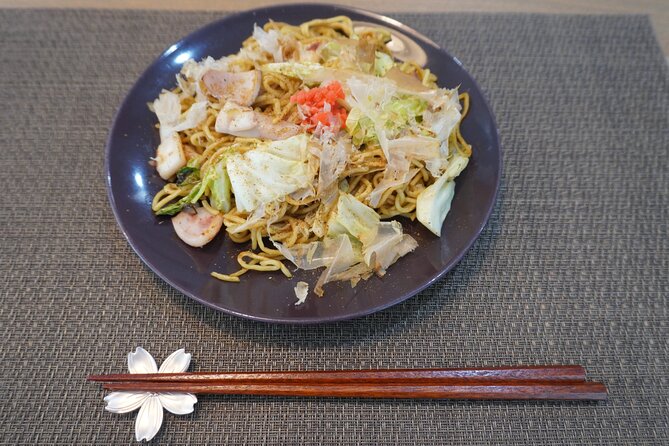
Yakisoba is the third Osaka soul food included in the choice set. The class does not promise yakisoba for every booking, since the format is two dishes. If you are a noodle person and want yakisoba included, you will want to plan your selection carefully when you book.
Practical tip: If you are only here for a short time, I’d choose based on how you like to eat. Takoyaki is snack-sized and fun. Okonomiyaki is filling. If you want both street-fried texture and a more satisfying meal feel, pick takoyaki plus okonomiyaki.
You can also read our reviews of more tours and experiences in Osaka


The 90-Minute Class Flow (And Why the Time Works)
This experience is designed to be short enough that it fits into a busy Osaka schedule, but long enough that you are not just doing a quick demo. You’re looking at about 1 hour 30 minutes total.
Here is what that usually means in practice for a class like this:
- You start by meeting the instructor at the Nishishinsaibashi area and getting set up.
- You receive careful explanations on how to make the dishes, plus background on the food itself.
- You cook the dishes you chose, with guidance as you go.
- You wrap up with the finished results and a chance to ask food questions.
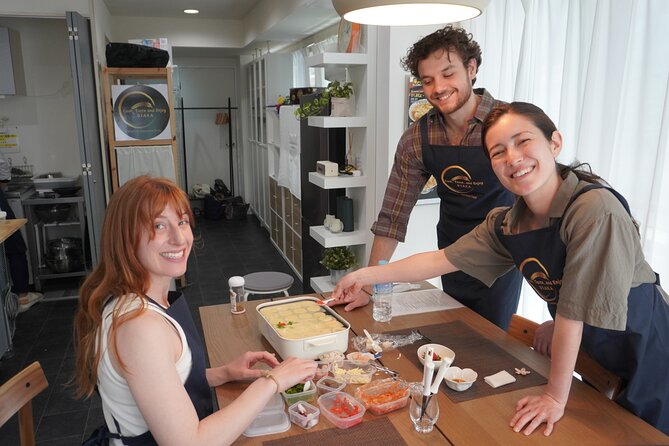
The pacing is important. With food classes, the difference between enjoyable and frustrating is whether the instructor has time to correct small mistakes. The small group size helps a lot with this. When the group is capped at 8, your questions are more likely to get answered on the spot, and you do not spend the whole time waiting your turn.
One more thing I appreciate: the instructor is described as knowing a lot about Osaka, and the class can turn into a mini Q&A about what to look for around town, including less obvious places. That turns your lesson into a useful planning tool, not just a plate of food.
Nishishinsaibashi Meeting Point: Easy to Start, Easy to Continue
The meeting point is in Nishishinsaibashi, Chuo Ward at 2-chōme-13-16 (Osaka 542-0086). That area is convenient for a simple reason: it is the kind of part of the city where you can move on quickly after the class. You are also told that it is near public transportation, which matters because a cooking class does not feel good when you are rushing through the last train.
This is also an end-back-at-the-start setup, meaning the experience returns you to the same general meeting area. That reduces the risk of ending your class somewhere inconvenient right before your next stop.
If you’re mapping your day, I’d treat this as a “food anchor.” Do it before a big evening plan so you can use your new Osaka food knowledge immediately while you wander for more snacks.
Price and Value: What $65.04 Buys You in Osaka
The price is $65.04 per person, and it is an item that tends to get booked about 48 days in advance on average. That is not just a popularity trivia point. It suggests the class fills because it is small and focused.
So is it good value? In my view, it is solid if you want:
- an actual cooking lesson from a local Osaka instructor,
- hands-on time to make two dishes,
- and a small group experience where questions get answered.
It is also not overpriced for what is included. You do get bottled water, and you are guided through Osaka’s soul foods with an instructor who can explain both technique and the local meaning behind the food.
The main value trade-off is what is not included. Drinks beyond bottled water cost extra. Also, this class is explicitly not bundling a separate traditional culture experience. That is exactly why the price is set where it is. If you want hands-on food plus a long cultural add-on, you may want a different product. If you want food learning you can use in Osaka right away, this fits.
What Makes the Instruction Special (And What to Ask)
The standout theme from the experience is the teaching vibe: warm, kind, and welcoming. People also note that the staff teach clearly and can communicate well even for those who know Japanese food already. That tells me the instructor knows how to teach different comfort levels, not just one type of student.
Even if your Japanese is limited, it helps that English support seems to be available for many participants. That said, I would not count on perfect understanding every minute. Food instructions often include speed and specific terms. A helpful mindset is to watch closely, ask when something is unclear, and treat this like a practical lesson, not a language test.
What should you ask? Since the instructor has a broad Osaka perspective, these are good targets:
- What makes takoyaki taste like Osaka and not like a generic snack?
- How do locals think about okonomiyaki toppings and mixing?
- Where should you go next for more Osaka food that you might not stumble into without advice?
- What should you eat if you like a specific texture or spice level?
This is where the class can pay off beyond the kitchen. You leave with an Osaka framework for choosing your next bite.
Small Group Size (Max 8) Changes the Whole Experience
A cap of 8 travelers is not a random detail. It affects how the class feels.
With a group that small, you’re more likely to:
- get correction while you cook,
- hear explanations without constant repetition,
- and ask follow-up questions when the instructor is right there.
You also avoid that awkward “stand in the back and hope you can see” feeling. For hands-on food learning, visibility and feedback matter. This format makes those things more likely.
If you’re coming with a friend, couple, or family group, this size also keeps the class from turning into a chaotic crowd. It stays social but still practical.
Who This Osaka Cooking Class Is Best For
This class is a good match when you want a local-led food experience that stays short and focused.
I’d especially recommend it if:
- You love Osaka street food and want to understand the basics behind it.
- You learn best by doing, not by watching.
- You want the comfort of a small group.
- You’re pairing this with shopping or sightseeing in central Osaka, since Nishishinsaibashi is easy to reach and easy to continue from.
It may not be ideal if you specifically want a deeper traditional culture workshop with more historical or regional activities. This class is mainly about making the dishes and learning the food context.
A Few Practical Tips Before You Go
- Decide which two dishes you want before you book. Takoyaki plus okonomiyaki is a classic combo, especially if you want the full Osaka pancake-and-snack experience.
- Plan your day so you can arrive with time to settle in. Cooking classes feel stressful when you’re already behind schedule.
- Since only bottled water is included, think about how you handle thirst and taste preferences. If you want something other than water, expect an extra cost.
- Bring curiosity. Ask about what to eat next around Osaka. The instructor’s Osaka knowledge is part of the value.
Should You Book? My Quick Decision Guide
Book this class if you want a small-group, hands-on Osaka food lesson led by a local Osaka mother who can explain both technique and food culture. The price is fair for what you get: two Osaka soul foods in about 90 minutes, with a teaching style that tends to be welcoming and clear.
Skip it if your priority is a broader traditional culture experience beyond cooking. This one is focused on takoyaki and okonomiyaki-style learning, and you will get the best results if you treat it as a food course first.
If you’re trying to pick one Osaka food experience that gives you both real skills and local context without eating up your whole day, this is a strong option.
FAQ
What dishes can I make in this class?
You can make two of the three Osaka soul foods: takoyaki, okonomiyaki, and yakisoba.
How long is the cooking class?
The experience runs for about 1 hour 30 minutes.
Where does the class meet?
The meeting point is at 2-chōme-13-16 Nishishinsaibashi, Chuo Ward, Osaka 542-0086, Japan.
Is the class group size limited?
Yes. The maximum group size is 8 travelers.
What’s included in the price?
Bottled water is included.
Are drinks other than water included?
No. Other beverages are charged at class.
Do I need a physical ticket?
You receive a mobile ticket.
How does confirmation work?
Confirmation is received at the time of booking.
What is the cancellation policy?
You can cancel for a full refund up to 24 hours in advance of the experience start time. If you cancel less than 24 hours before, the amount paid is not refunded.