REVIEW · OSAKA
Authentic SUSHI Course Cooking Class
Book on Viator →Operated by Sakura Cook · Bookable on Viator
Sushi is easier when someone shows your hands. This Osaka cooking class keeps it small-group (up to 14, with sessions running as small as 8), so you’re not watching while others cook. I like that you start with sushi rice from scratch using your own tub and paddle, then move on to a full set of classic dishes rather than one “demo roll.” One thing to note: the end-of-class recipe materials can feel a bit on the light side if you want ultra-detailed written steps.
You get to learn real technique, not just assemble food. The menu is built like a mini Japanese meal: sushi rice, tamagoyaki-style egg sushi, dashi and miso soup, nigiri and roll sushi, plus chicken yakitori. It ends the way you want it to end, with everyone eating what they made and a seasonal dessert after.
In This Review
- Key things that make this class worth your time
- Osaka Sushi Course Cooking Class: What You Actually Learn
- Meeting at Banix Kitahorie and Getting Rolling at 5:30 pm
- Your Own Sushi Rice Setup: Wooden Tub, Paddle, and Hand Skills
- Rolled Egg, Dashi, and Miso Soup: The Comfort-Broth Trio
- Nigiri, Gunkan-Maki, and One Rolled Sushi: Building a Full Plate
- Chicken Yakitori: Skewers, Marinade, and Grilling
- The End of Class Meal: Itadakimasu, Chopsticks, and Seasonal Dessert
- Price and Value: Is $99.08 a Fair Deal?
- Who This Class Fits Best in Your Osaka Itinerary
- Should You Book This Osaka Sushi Course?
- FAQ
- How long is the sushi course cooking class?
- Is there a choice between lunch and dinner?
- What dishes will I make during the class?
- What is the group size?
- Does the price include ingredients and dessert?
- Where is the meeting point?
Key things that make this class worth your time
- Hands-on sushi rice practice: each participant uses a wooden tub and paddle to season and shape properly
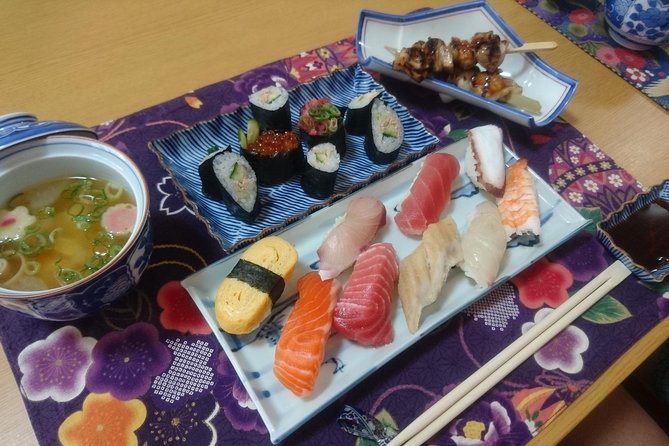
- A full course menu: nigiri, gunkan-maki, rolled sushi, plus miso soup and yakitori
- Egg sushi with a rectangular pan: learn the layered tamagoyaki-style approach for cleaner rolls
- Dashi to miso soup, not shortcuts: you make broth first, then build the miso soup with tofu and decorative veg
- Eat at the end, not later: chopsticks, your finished plates, and a seasonal sweet to close it out
Osaka Sushi Course Cooking Class: What You Actually Learn
This isn’t a “watch and snack” class. The whole point is that sushi is a hands-and-timing skill. When you’re learning rice seasoning, pressing, rolling tension, and knife-free shape work, you want real feedback in the moment. That’s why I like this course’s structure: it starts with the base (rice), then teaches the supporting cast (egg, dashi, miso), and finally pulls it together into the sushi and yakitori you can be proud of.
You also get context, not just instructions. In feedback, people mention explanations around umami and bonito flavors. That matters, because it helps you understand why dashi and seasoning taste the way they do, instead of just copying numbers from a recipe card.
The class includes all ingredients, and it’s designed to leave you confident enough to try again at home. If you’ve ever struggled with rice that’s either too sticky, too dry, or unevenly seasoned, you’ll understand fast why doing it under guidance helps.
You can also read our reviews of more cooking classes in Osaka
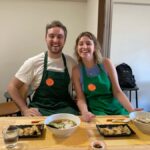
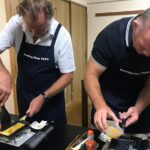
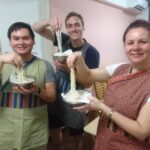
Meeting at Banix Kitahorie and Getting Rolling at 5:30 pm
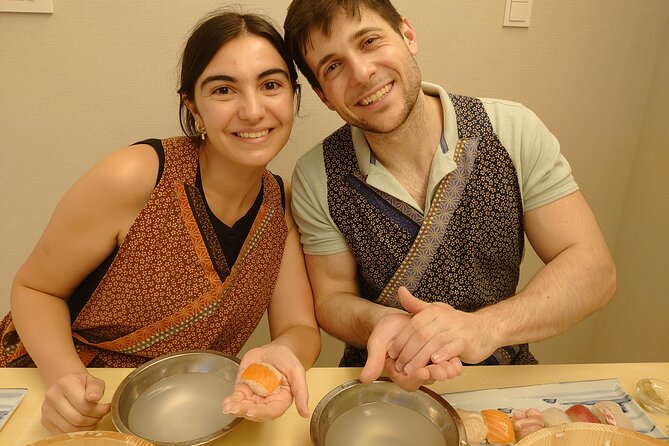
You meet at Banix北堀江Japan in Nishi Ward, Kitahorie (System Gallery area). The listed start time for this option is 5:30 pm, and the activity ends back at the meeting point. You’ll also use a mobile ticket, which is handy when you’re juggling trains and dinner plans.
What’s practical here is the timing. A 5:30 start gives you an evening “anchor.” It’s far easier than scrambling for dinner after a long day of walking. Also, the meeting point is near public transportation, so you won’t burn time hunting the exact street.
Bring basic flexibility. Cooking takes focus, and you’re moving through multiple dishes. If you’re the type who likes a slow stroll through neighborhoods after dinner, plan for a busy evening because you’ll finish full and ready to unwind.
Your Own Sushi Rice Setup: Wooden Tub, Paddle, and Hand Skills
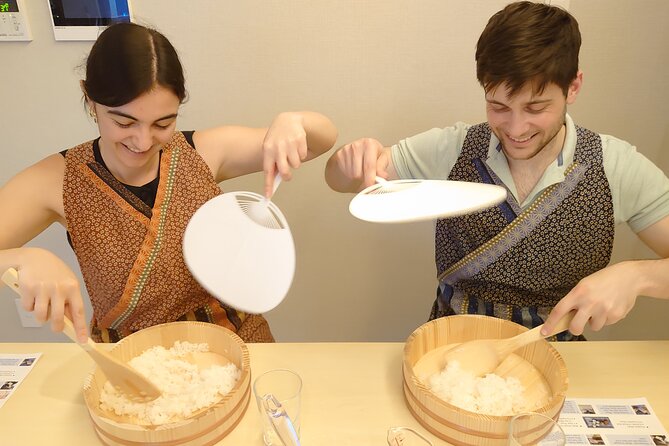
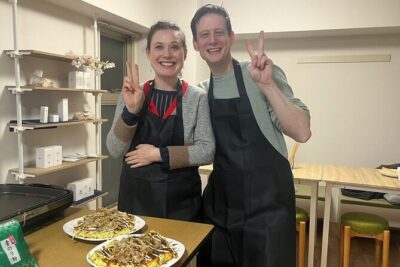
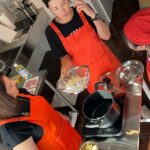
The class begins with you putting on an apron and getting to work on making sushi rice. The key detail I’m glad you’ll have: each participant gets a wooden tub and paddle. That’s not just cute gear. It helps you learn the rhythm of mixing rice seasoning properly and cooling it at the right pace.
Sushi rice is one of those things that sounds simple until you do it. You’re balancing temperature, texture, and seasoning distribution. Done wrong, you can end up with rice that clumps, falls apart, or tastes bland no matter how good the fish filling might be later.
In this class, you practice from the beginning, which means your skills start forming early. You also learn the hand work for seasoning and shaping. One review specifically highlights learning how to season and roll the sushi rice using bare hands, which is exactly what you need if you want results at home.
This is also where you learn what “proper” feels like. When an instructor corrects the way you mix, you don’t have to guess for the next step. That’s the real value of going in a guided class rather than trying to follow a video after your vacation ends.
Rolled Egg, Dashi, and Miso Soup: The Comfort-Broth Trio
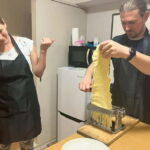
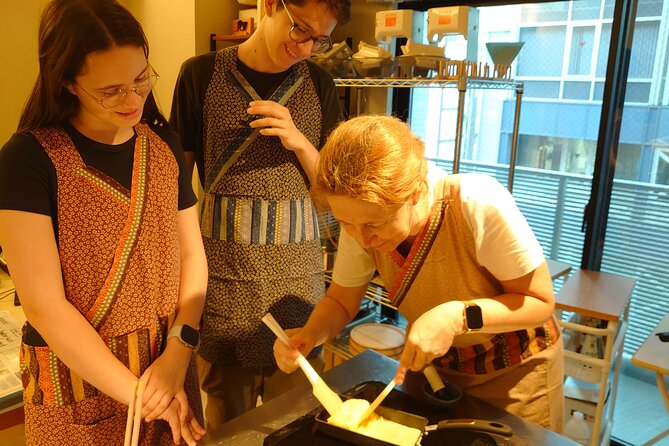
After the rice, the class shifts into a group rhythm. You make rolled eggs for egg sushi using a rectangle-shaped frying pan. This part is fun because tamagoyaki-style egg teaches you structure. The pan shape makes it easier to form neat layers, so your roll ends up tighter and more consistent.
Then you move to broth. You make dashi first, and then use it to build miso soup. You’re not just dumping ingredients into hot water and hoping it tastes right. Dashi is the flavor base of so many Japanese dishes, and when you make it yourself, miso soup stops being a random bowl and becomes a process you understand.
The miso soup also includes tofu and vegetables cut into fancy shapes. That’s a small detail that makes a difference. It signals that the class aims for real Japanese meal presentation, not just “edible by the end.”
One of the most common themes in feedback is that people loved learning miso soup from scratch. If you’ve only had miso soup in restaurants, you’ll notice the difference in depth when you understand the steps.
Nigiri, Gunkan-Maki, and One Rolled Sushi: Building a Full Plate
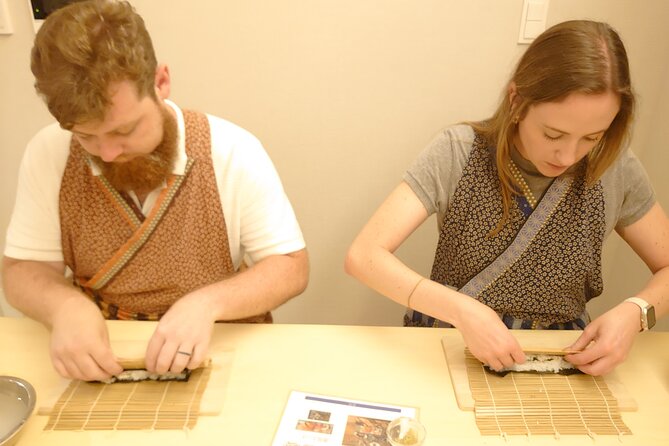
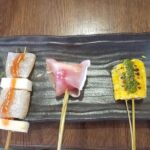
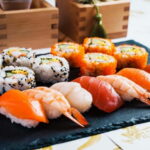
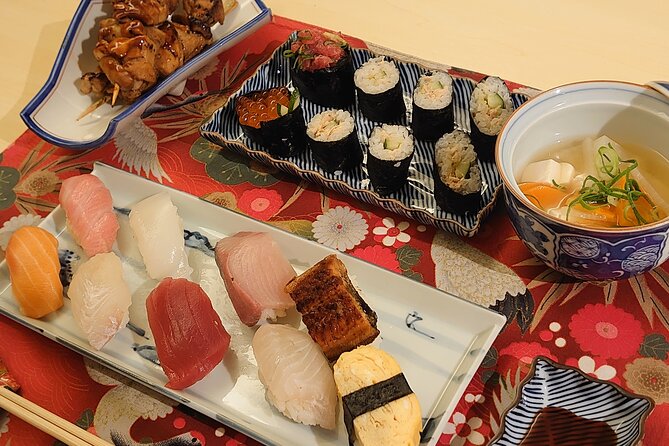
Now comes the part sushi fans wait for. The course includes learning how to make three types of sushi: nigiri, gunkan-maki, and a rolled sushi. The class description lays out a specific production menu: 9 nigiri-sushi, 2 gunkan-maki, and 1 rolled-sushi.
Even if you’ve had sushi a hundred times, the structure changes when you make it. Nigiri requires good texture and careful shaping. Gunkan-maki has its own challenge, because it’s all about getting the right amount of filling and the right wrap so it holds its shape. Rolling sushi adds another layer of technique, especially in keeping tension even without crushing the ingredients.
What I like is that you’re not stuck doing one style only. You get exposure to multiple forms, which makes it easier to remember what works for each texture. If your goal is to feel capable, not just entertained, this “variety within one class” helps.
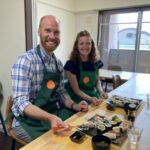
And yes, the instructors keep everyone involved. Multiple reviews highlight how teachers made each person successful, including people who went solo. That’s a big deal in Japan, where learning styles can feel strict when you’re used to a casual vacation pace. Here, you get encouragement and patient step-by-step guidance.
You can also read our reviews of more tours and experiences in Osaka


Chicken Yakitori: Skewers, Marinade, and Grilling
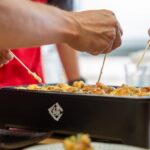
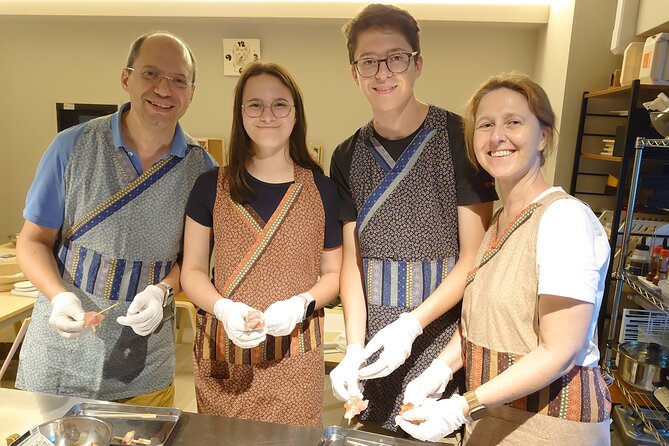
While sushi is the headline, yakitori is where you get a different kind of cooking confidence. You skewer chicken and make yakitori alongside the sushi course. The class includes the ingredients, and you learn how to work the chicken into skewers and grill it properly.
Yakitori also gives you a break from seafood-based technique. If you’re traveling with friends or family who don’t care about sushi as much, yakitori keeps the meal from feeling one-note.
There’s also a practical side: grilling yakitori as part of the class creates a full dinner arc. You’ll see how a Japanese meal moves between warm savory bites (miso soup and chicken) and the more delicate, structured bites of sushi.
The End of Class Meal: Itadakimasu, Chopsticks, and Seasonal Dessert
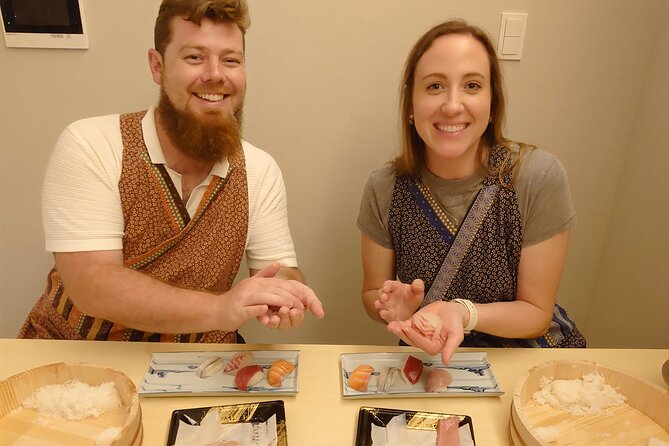
At the end, you plate the dishes and eat together. You’ll use chopsticks and say Itadakimasu, then enjoy the meal you cooked. A seasonal dessert comes included, and a few reviews mention desserts strong enough that people packed extra sweet bites or even kept one for travel.
This ending matters more than it sounds. In cooking classes, there’s a difference between making food and actually tasting it while the process still feels fresh in your hands. Here, you finish the course close to the moment you made everything, so the flavors make sense.
Also, you’re not left wondering if your miso soup is “good enough.” You eat it, you compare texture and taste to what you’ve had in Japan, and you leave with real satisfaction rather than a takeaway box of mystery.
Price and Value: Is $99.08 a Fair Deal?
At $99.08 per person, this class isn’t the cheapest cooking option in Osaka. But it also isn’t a “one dish for one hour” deal. You’re getting:
- A small-group format (often up to 8, with the overall cap noted as 14)
- All ingredients included
- Multiple dishes across the meal: sushi rice, egg sushi, dashi, miso soup, nigiri, gunkan-maki, rolled sushi, and yakitori
- Seasonal dessert included
That combination is where the value lands. In many cooking classes, the price covers a kitchen and a teacher for a short block. Here, you get a structured dinner that teaches multiple techniques. If you care about learning, it’s easier to justify than if you only want to eat.
One more value angle: cancellation is free if you cancel at least 24 hours ahead of the start time. That’s not about saving money, it’s about reducing stress while you’re planning your Osaka nights.
Who This Class Fits Best in Your Osaka Itinerary
This class fits best if you want an evening activity that’s hands-on and genuinely Japanese. It’s ideal if you’re:
- A sushi fan who wants to understand rice, not just toppings
- Traveling solo or with a group and want an experience where you’re not stuck waiting your turn
- Booking dinner plans in one stop, since you’ll eat what you make
It’s also a good pick for families with teens. Feedback mentions a family of four with two teenagers who enjoyed every bit and still found the pace manageable.
Two practical considerations:
- If you’re very sensitive to strong smells from cooking (garlic, grilling smoke), yakitori will add scent to the room.
- If you expect a heavily detailed printed recipe with every step, one review noted the provided recipes can feel a little light. You’ll still learn a lot in real time, but don’t rely only on the handout.
If you want a quick taste tour, you might prefer something shorter. But if you want to leave with a skill set, this one makes sense.
Should You Book This Osaka Sushi Course?
Yes, you should book it if you want a small-group cooking class that builds sushi skills from rice to finished plates, and you also want the rest of the meal. I’d especially recommend it if you like the idea of learning miso soup and dashi from scratch and then grilling yakitori while the class is moving.
Skip it only if you’re looking for a super laid-back, no-cooking experience. This is active, hands-on, and focused. Also, if you’re a paper-recipe person who needs ultra-detailed written steps, you may want to take extra photos during the class so you can recreate the process later.
If you’re okay paying for an instructor-led evening that ends with you eating your own work, this is a strong Osaka night out.
FAQ
How long is the sushi course cooking class?
The class lasts about 2 hours 30 minutes.
Is there a choice between lunch and dinner?
Yes. You can choose a lunch- or dinnertime class to match your schedule.
What dishes will I make during the class?
You’ll make sushi rice, rolled egg for egg sushi, dashi and miso soup, nigiri, gunkan-maki, rolled sushi, and chicken yakitori.
What is the group size?
The tour is designed to be small. The description notes a maximum of 14 participants, and the additional info lists a maximum of 8 travelers for this activity.
Does the price include ingredients and dessert?
Yes. All ingredients are included, and there are some sweets and a seasonal dessert included to enjoy afterward.
Where is the meeting point?
You meet at Banix北堀江Japan, 550-0014 Osaka, Nishi Ward, Kitahorie, 3-chōme62 システマギャラリー, and the class ends back at the same meeting point.