REVIEW · OSAKA
Osaka Dotonbori: Hand Roll Sushi Experience
Book on GetYourGuide →Operated by 株式会社DONOJAPAN · Bookable on GetYourGuide
Hand-rolled sushi in Dotonbori feels hands-on, not staged. I love the real wasabi tasting and the tatami room with Dotonbori River views. One thing to consider: you may not get full control over which fish shows up in your rolls, so if you have strong dislikes, think twice.
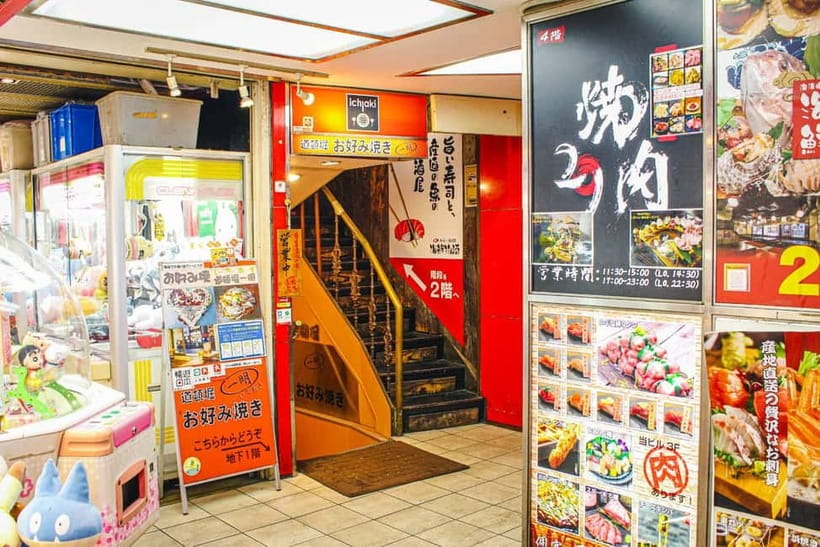
The experience is set in the middle of Osaka’s Dotonbori district, yet you step into a calmer space on the 2nd floor of the Nico Building (entrance is on the main street). If you arrive through the right door, it’s easy: first floor is a game arcade, then you head up to the tatami rooms to start cooking.
You’ll have about 2 hours per session (12 pm or 2 pm), taught in English. You’ll learn rice, taste wasabi, and then make your own hand rolls with all tools and ingredients provided—plus a soft drink. I recommend this class if you want a skill, not just a plate of sushi.
In This Review
- Key things to know before you go
- Dotonbori’s tatami setting: where the class actually happens
- The 2-hour flow: from sushi basics to your final hand roll
- Sushi rice: the lesson that makes everything taste right
- Wasabi tasting: real aroma and heat, not a mild paste
- Hand-rolled sushi: what you’re really learning with each roll
- What you’ll do during the hands-on section
- What to expect with eating
- Price and value: is 8,000 yen a fair deal?
- Who should book this hand-roll sushi class?
- Practical tips: how to make your 12 pm or 2 pm session smoother
- Should you book this Osaka hand-roll sushi experience?
- FAQ
- What is included in the Osaka Dotonbori hand roll sushi experience?
- Where is the experience located?
- How long is each session?
- When do the sessions run?
- What languages are available?
- What does it cost?
- What should I bring?
- Is there a drink included?
- Is transportation provided?
- What is the cancellation policy?
Key things to know before you go
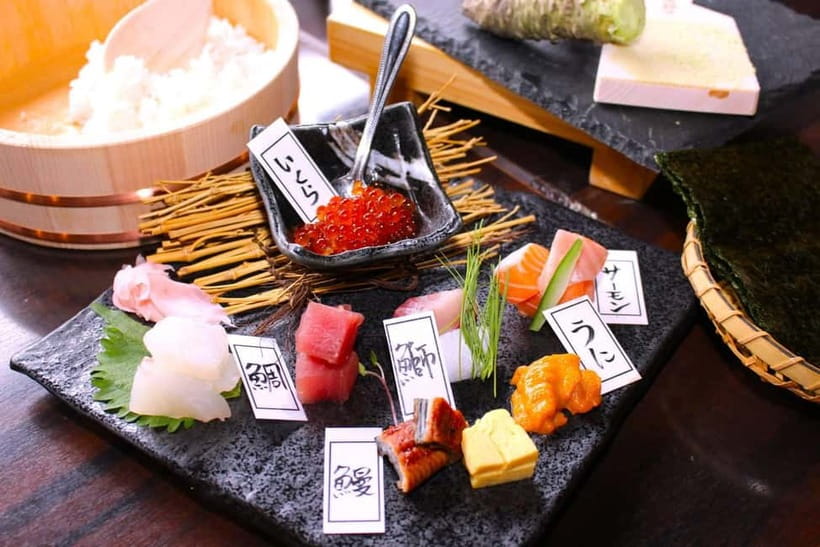
- Tatami seating with Dotonbori River views while you get oriented for cooking
- Wasabi tasting focused on real aroma and heat, not mild imitation
- Sushi rice lesson on flavoring rice with vinegar and understanding Japanese rice
- Hands-on hand-roll building with all materials and tools included
- Food flow while you cook so you taste your work as it comes together
- English instruction with a chef-led style and helpful support
Dotonbori’s tatami setting: where the class actually happens
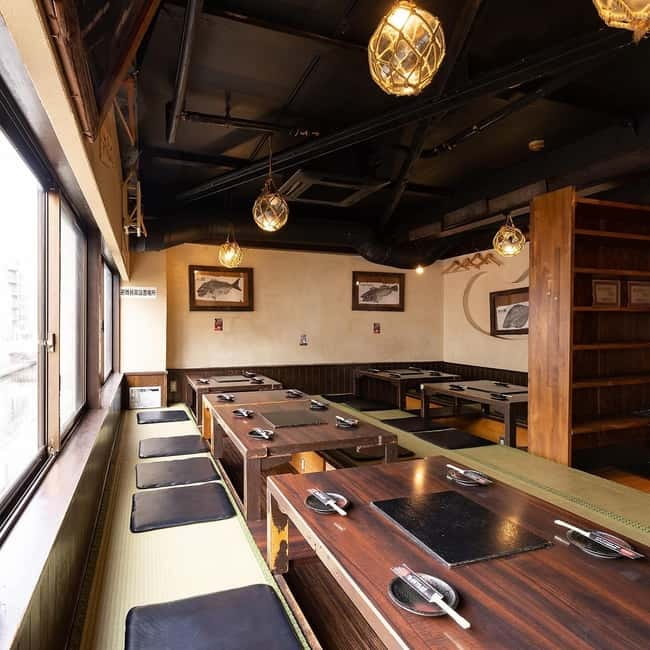
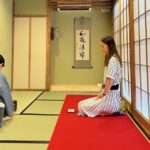
This is one of those Osaka experiences where the location matters. The class takes place at Kaisen Monogatari Dotonbori in the Nico Building, 2nd floor, at 1-6-12 Dotonbori, Chuo-ku. You’ll see the Dotonbori energy outside, then you move upstairs into a tatami room that looks out toward the river.
That river view isn’t just decoration. It changes the whole feel of the lesson. You’re not standing over a counter while the city blares around you—you’re seated, relaxed, and focused. For people traveling with kids or anyone who gets tired of “standing tours,” this seating makes the 2-hour format easier to enjoy.
Finding it is also straightforward if you follow one rule: the entrance is on the main street. The first floor has a game arcade, which gives you a visual landmark. From there, you go up to the tatami rooms and get started.
You can also read our reviews of more tours and experiences in Osaka.


The 2-hour flow: from sushi basics to your final hand roll
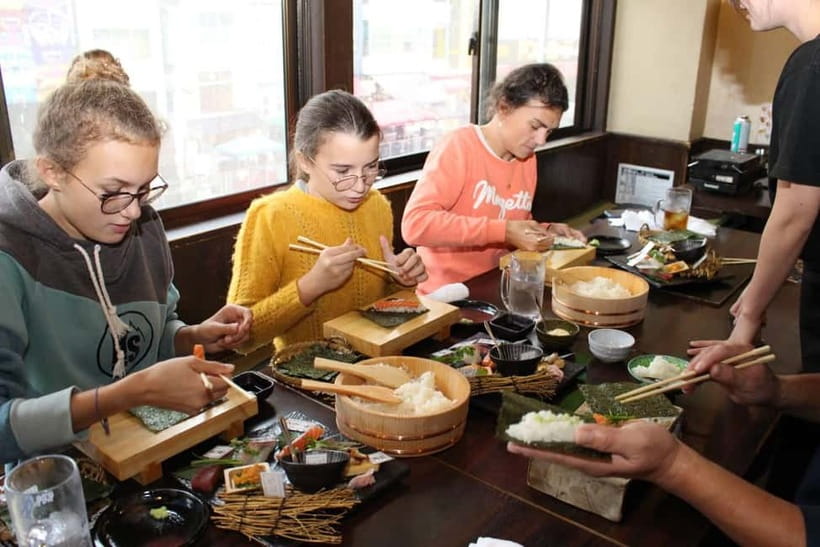
The class follows a simple, learn-by-doing structure. You begin with a sushi introduction—enough background to help your later steps make sense. Then you move into the rice work, followed by a wasabi tasting, and finally the hands-on hand-rolling stage.
Here’s what each part means for you in practical terms:
1) Sushi basics (setting the foundation).
You’ll get the idea of what makes sushi rice and hand rolls work together: texture, temperature, seasoning, and how fillings behave when wrapped in nori.
2) Sushi rice session (the heart of the class).
This isn’t just theory. You learn how Japanese rice gets seasoned and how vinegar mixing affects flavor. Even if you’re not cooking at home right away, you’ll leave understanding why sushi tastes the way it does.
3) Wasabi tasting (the moment people remember).
This part tends to be the highlight. Wasabi isn’t treated like a garnish. You taste it for aroma and heat—how it hits and how it changes as you experience it.
4) Hands-on hand-roll sushi (your payoff).
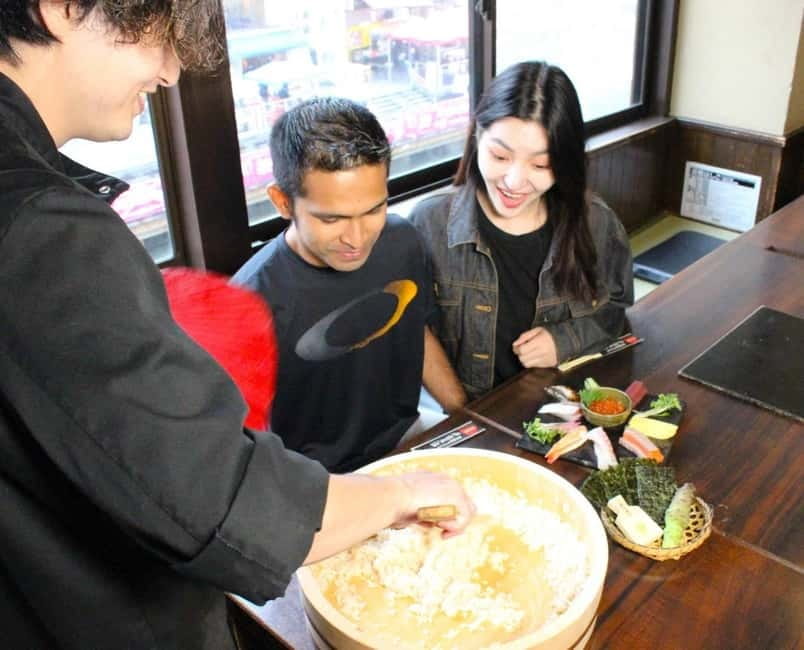
This is where your skills turn into food. You’ll roll, shape, and build your own hand roll using fresh ingredients and guidance. And yes—you’ll eat what you make during the experience, so you get a “learn, cook, taste” loop instead of waiting for a big final platter.
One small consideration: some people are looking for a tray featuring every roll they built. The way the class is structured, pieces can be served as they’re made. If your dream is a full end-of-class sushi lineup you can photograph all at once, adjust expectations.
Sushi rice: the lesson that makes everything taste right
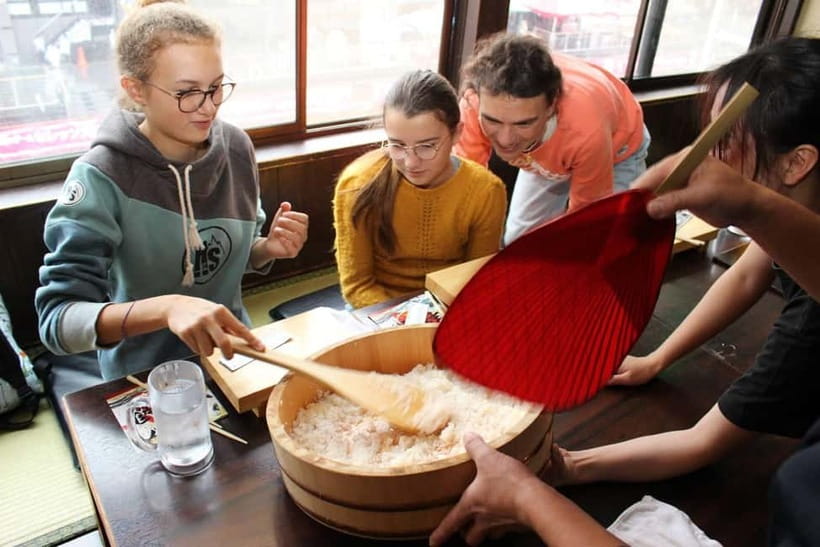
Sushi rice is where most “sushi at home” attempts go off track. The class helps you avoid the common mistakes by focusing on two things: the character of Japanese rice and the art of seasoning with vinegar.
You learn about the unique flavor of Japanese rice, which matters more than you might think. Texture and stickiness affect whether your rice holds onto the roll and whether it feels pleasant rather than gummy. Then you learn the mixing approach for vinegar seasoning. It’s not just adding vinegar—it’s about turning that vinegar into an even, balanced flavor so the rice tastes like sushi rice, not like seasoned rice.
For me, the value here is that you can take the idea home even if you don’t repeat the exact recipe. You’ll understand what you’re trying to achieve:
- flavor that spreads through the rice
- seasoning that doesn’t overpower the filling
- a rice feel that stays cohesive in a hand roll
If you’ve ever eaten sushi and thought, I wish I knew why the rice was so different, this is the part that answers that question.
Wasabi tasting: real aroma and heat, not a mild paste
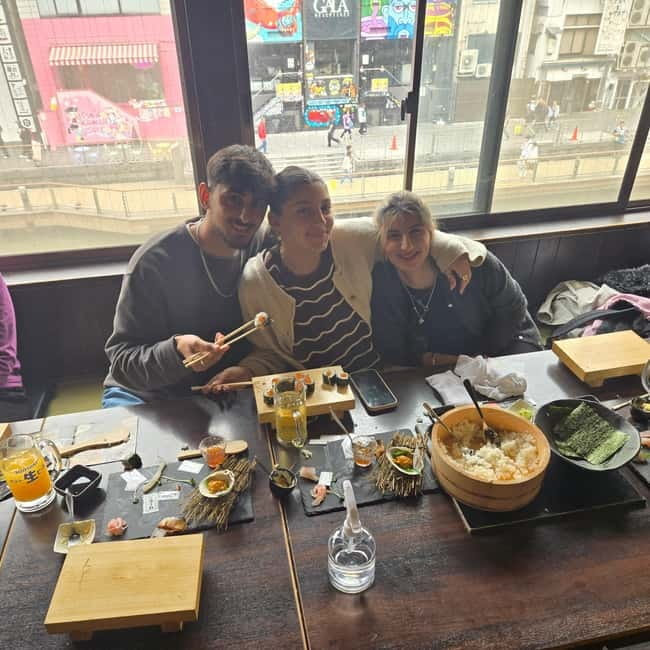
This is one of the most distinctive parts of the class, and it deserves its own section. The wasabi tasting is built around real wasabi—its aroma and spiciness—so you get a sense of how it changes on the tongue.
A lot of people are used to wasabi that tastes like something close to horseradish or just a green hit of heat. Here, the focus is on the nose and the timing of heat. You’ll notice the character of the real thing: the smell comes first, then the heat arrives, and it shifts as you keep tasting.
What I like for practical reasons: it trains your palate. After this, you’ll taste wasabi more intentionally with sushi, instead of using it only for heat. You also get better at noticing how soy sauce and wasabi interact with rice and seafood.
There’s another plus: the chef may share a special homemade soy sauce for pairing. That pairing idea matters because sushi flavor is usually a triangle—rice, soy sauce, wasabi—each one shaping the others.
Hand-rolled sushi: what you’re really learning with each roll
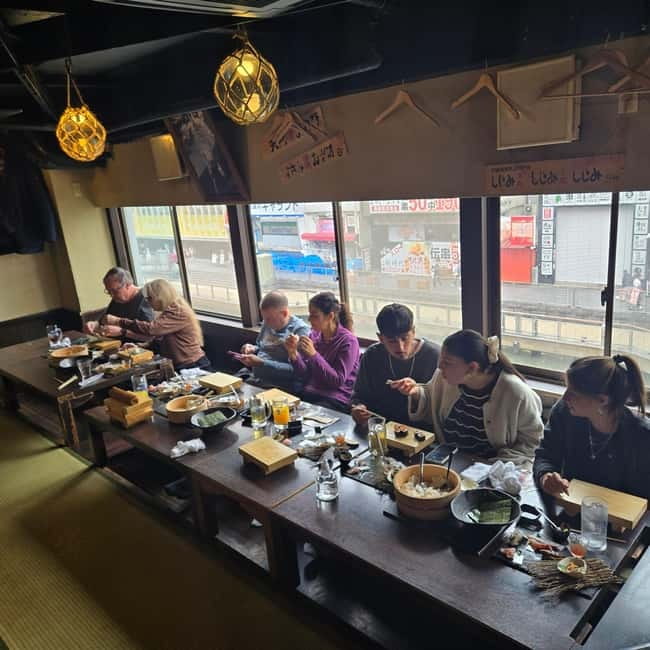
Hand rolls are deceptively tricky. They look casual, but the technique is real: nori needs to stay crisp enough, rice needs to be the right amount, and filling needs to sit in a way that doesn’t leak or fall apart.
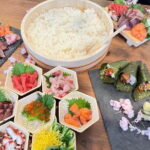
In this class, you get hands-on time to learn the process step by step. All materials and tools are provided, so you’re not trying to hunt for gear in Osaka. The chef and assistant give guidance while you roll, and the atmosphere stays friendly and supportive.

What you’ll do during the hands-on section
You’ll build your hand roll by combining:
- sushi rice
- nori
- seafood fillings and seasonings
You’ll also likely get choices for roll components—so it’s not always one fixed combo. Still, one consideration that comes up: you may not be able to choose fish in the way you expect. If you’re extremely picky or allergic, treat this as something to confirm beforehand with the operator.
What to expect with eating
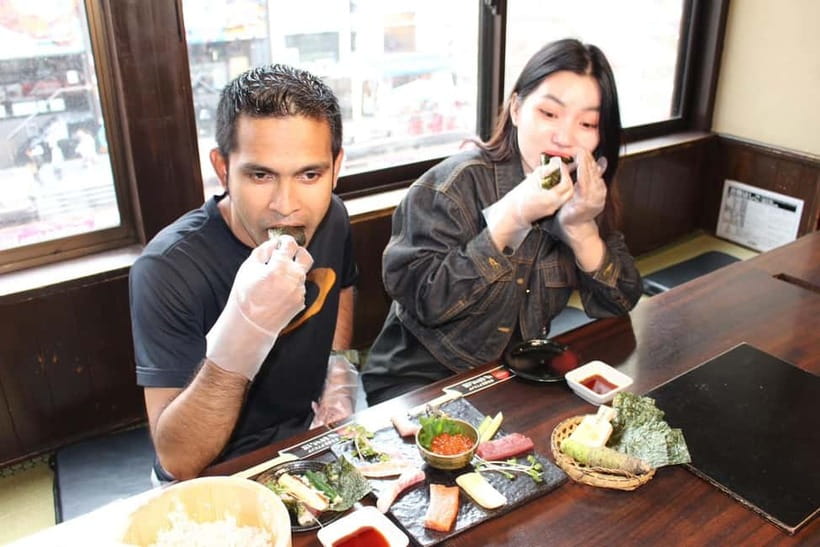
In this format, you taste as you go. That’s a good thing, because you can adjust your understanding immediately: Wasabi hits differently with each piece. Soy sauce changes the balance. Rice texture changes as you handle the roll.
Also, you’ll leave fed. The class includes a soft drink, and the food amount tends to be more than a tiny “taste” portion.
Price and value: is 8,000 yen a fair deal?
At 8,000 yen per person (tax included), about $54, this isn’t the cheapest sushi you can find in Osaka. But it’s also not trying to be. You’re paying for time with a chef, guided instruction in rice seasoning, a wasabi tasting, and a hands-on rolling session where tools and materials are handled for you.
For value, I look at three things:
1) Instruction time.
You get about 2 hours in total. That’s plenty of time to learn rice seasoning and actually practice rolling, not just watch.
2) Included components.
This isn’t just cooking. It includes sushi introduction, sushi rice session, wasabi tasting, and hand-roll making, plus one soft drink.
3) Setting and location.
A tatami room with a Dotonbori River view isn’t something you get with every casual cooking activity. You’re also doing this in the center of Dotonbori, so you’re not commuting far across the city.
If you compare it to buying sushi alone, the trade-off is obvious: you’ll eat during the lesson, but you’re paying more than a simple meal cost. If you compare it to other classes that only teach theory or offer minimal hands-on time, 8,000 yen starts looking reasonable—especially with English instruction and included tasting.
Who should book this hand-roll sushi class?
This is a strong match if you want:
- a skill you can repeat (especially sushi rice seasoning ideas)
- a focused food experience in Dotonbori without a long tour day
- an experience with real wasabi that teaches you what you’re tasting
It can also work well for families. One advantage of the structure is the seated tatami room and step-by-step coaching. If you’re traveling with kids who can handle a 2-hour activity, it can be a fun way to turn curiosity into a hands-on food memory.
Who might want a different option:
If you need to pick every seafood ingredient yourself, or you’re dealing with strong aversions, you should know that fish selection may not be fully customizable. Also, if you’re hoping for a hands-on class where you don’t eat during the process, adjust expectations because you’ll taste your work as you go.
Practical tips: how to make your 12 pm or 2 pm session smoother
The experience runs twice per day at 12:00 pm and 2:00 pm, and each session lasts two hours. Plan your Dotonbori walking day around that. This is an activity that’s easiest when you’re not rushing from one booking to another.
Bring what they ask for:
- hat
- camera
- water
- comfortable clothes
Even though the class is indoors, Osaka walking time is real. A hat and water help you get to the meeting point without getting worn out first.
One more practical note: since the entrance is on the main street and the activity is on the 2nd floor of the Nico Building, give yourself an extra few minutes at arrival. The first floor game arcade is a helpful landmark, but you still want time to get oriented calmly.
Should you book this Osaka hand-roll sushi experience?
Yes, if you want a Dotonbori experience that’s not just sightseeing but also cooking and tasting. The combination of sushi rice instruction, a real wasabi tasting, and hands-on rolling makes it worth it for food people and curious first-timers alike.
Book it especially if you like learning through touch and small steps. You’ll walk away with a clearer idea of why sushi rice tastes the way it does and how wasabi changes the bite.
If you’re very picky about seafood and need full choice over ingredients, check in before you go—or consider whether this format fits your needs. Otherwise, 8,000 yen buys you a guided, seated, river-view cooking class that’s simple to enjoy and fun to remember.
FAQ
What is included in the Osaka Dotonbori hand roll sushi experience?
It includes an introduction to sushi, a sushi rice making session, a wasabi tasting, and a hands-on experience making hand-rolled sushi. All materials and tools are provided, and you also get one drink service (soft drink).
Where is the experience located?
It is located on the 2nd floor of the Nico Building at 1-6-12 Dotonbori, Chuo-ku, Osaka, in the Kaisen Monogatari Dotonbori area.
How long is each session?
Each session lasts two hours.
When do the sessions run?
The experience takes place twice a day, at 12 pm and 2 pm.
What languages are available?
The experience is available in English.
What does it cost?
The cost is 8,000 yen per person (tax included), which is listed as about $54 per person.
What should I bring?
You should bring a hat, camera, water, and comfortable clothes.
Is there a drink included?
Yes. You receive one drink service, a soft drink.
Is transportation provided?
No. Transportation to and from the activity location is not included.
What is the cancellation policy?
You can cancel up to 24 hours in advance for a full refund.