REVIEW · OSAKA
90 min Shared Handmade Udon Experience
Book on Viator →Operated by Udonzin Beat · Bookable on Viator
Udon can be surprisingly physical. In Osaka, you’ll make handmade Sanuki udon at a Michelin-listed restaurant, then eat the noodles with special broth right after. It’s guided step-by-step, and the class is friendly enough for kids, too.
I especially like the foot-kneaded dough method, which helps create that firm-yet-soft texture you don’t get from store noodles. I also like that instructors such as Keiko and Nozomi don’t just run you through motions; they explain the why behind the process and serve your udon in broth built from kombu, shiitake, and katsuobushi. The main drawback to plan for is mess and timing: you’ll want clothes you don’t mind getting splattered, and the class can’t drag because the restaurant moves on to regular customers after you finish.
In This Review
- Key Points at a Glance
- Where This Osaka Udon Class Happens (and Why That Matters)
- Sanuki Udon With Your Feet: The Signature Skill
- How the Lesson Flows: Make, Learn, Then Eat
- The Broth Lesson: Kombu, Shiitake, and Katsuobushi
- Hot or Cold Tasting: Choosing Your Noodle Mood
- Photos and a Home Recipe: Getting Something Useful Back
- What About Drinks and Side Dishes?
- Price and Value: $52.85 for a Skill, Not Just a Meal
- Small-Group Energy (and Why That’s Good)
- Vegetarian, Wheat, and Kids: Fit Check Before You Go
- Logistics That Keep the Experience Smooth
- Should You Book This 90-Minute Udon Class?
- FAQ
- What’s the duration of the handmade udon experience?
- Where does the class meet in Osaka?
- Is alcohol included in the price?
- What’s included in the lesson?
- Is there a vegetarian option?
- Is it safe for someone with a wheat allergy?
Key Points at a Glance
- Foot-kneaded Sanuki dough for a texture that feels different from packaged udon
- Michelin-listed restaurant (featured in the Michelin Guide from 2018 to 2023)
- Additive-free broth made with kombu, shiitake, and katsuobushi
- Cooked and served to you immediately after you make the noodles
- Free instructor photos plus a recipe you can actually use at home
- Small-group feel with a max of 20 people, often mixed with other families
Where This Osaka Udon Class Happens (and Why That Matters)
This is a 90-minute, hands-on udon-making experience in Osaka at UDONZIN美糸, in Shinmachi (Nishi Ward). The meeting point is specific, and it’s near public transportation, which makes it easy to plug into a day that already includes food stops and neighborhood wandering.
Why does location matter? Because this isn’t a big, factory-style cooking show. The restaurant is small and cozy, and you’ll feel that the whole setup is built for teaching. In practical terms, that usually means you get more attention when you’re kneading dough (especially if you’re bringing kids or you’re doing this for the first time).
Also, the class has a time rhythm that fits the restaurant business. You’ll start at your scheduled time and then move through the lesson with the understanding that regular customers come next. That’s good news if you hate long waiting. It’s also why you should arrive on time and keep your schedule realistic.
You can also read our reviews of more cooking classes in Osaka

Sanuki Udon With Your Feet: The Signature Skill
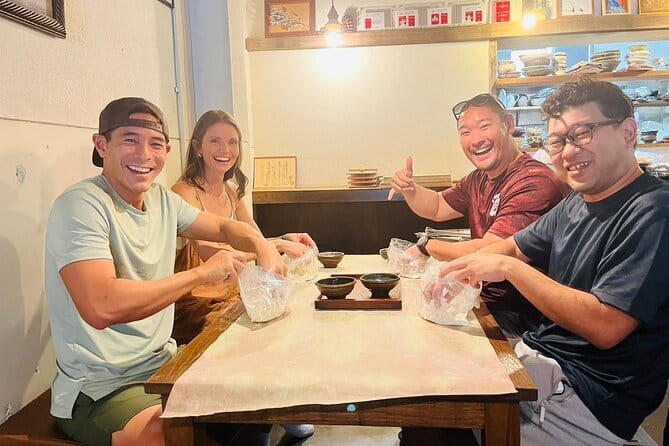
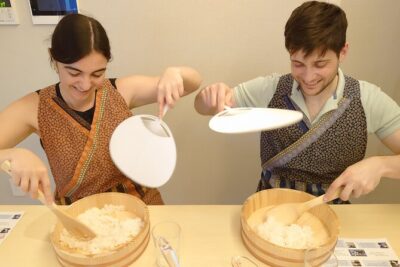
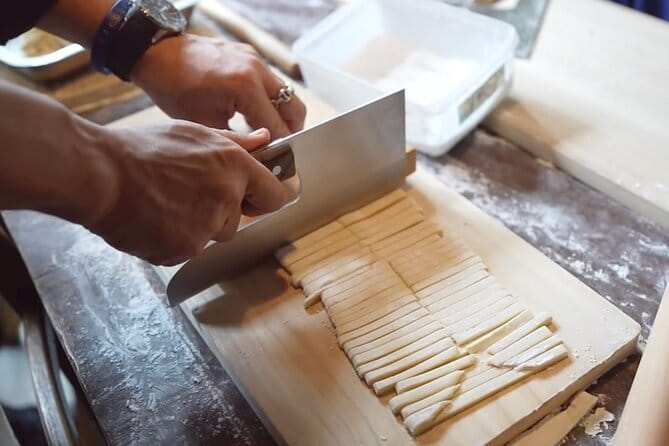
The headline is the Sanuki udon method, where the dough is kneaded with your feet. That detail isn’t gimmicky. It’s the core technique that helps build the right feel and bite.
Sanuki-style udon dough ends up smoother than what many people are used to, and it creates a texture that’s both firm and soft. In other words, it’s not just about making noodles. It’s about understanding how texture forms during kneading. You’re learning a method that’s tactile and repeatable, which is exactly what you want from a cooking class.
If you’re worried about skill level, don’t be. This class is designed for people with no cooking experience. And it’s a rare activity where both adults and kids can participate in the same hands-on way. The physical part (feet on dough) makes it memorable, but the teaching part keeps it grounded.
One more thing: wearing the right clothes matters here. You’ll want something you don’t mind getting messy, because dough and flour do what they do. If you’re the kind of person who hates getting food on your outfit, choose a backup top before you go.
How the Lesson Flows: Make, Learn, Then Eat
Your experience isn’t only about shaping noodles. It’s structured so you learn along the way and then enjoy what you made immediately.
Here’s what you can expect in broad strokes:
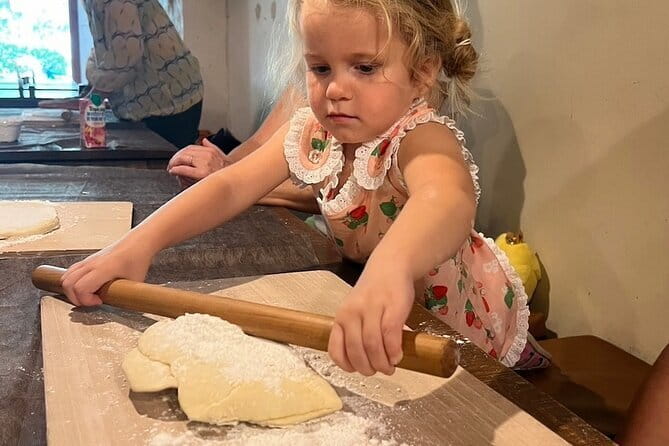
You’ll join the class, get guidance from the instructor, and work on making the udon dough using the Sanuki approach. During the session, the teaching includes context about udon—its culture and what makes this style special. In the same small, friendly setting, you’re guided step-by-step rather than being left to guess.
Then the pace shifts to the best part: eating. Your chef cooks your noodles and serves them to you right after the class. That means you get the satisfaction of making the dough while avoiding the stress of being the one who has to time everything perfectly.
This structure is a big value point. Many cooking classes put you in the driver’s seat for the whole process. Here, you focus on the technique you’re there to learn, and the chef handles the cooking and final serving. It keeps your experience fun, not frantic.
The Broth Lesson: Kombu, Shiitake, and Katsuobushi
The noodles are only half the story. The other half is the broth, and it’s a standout reason this class feels like more than a basic meal-making workshop.
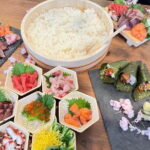
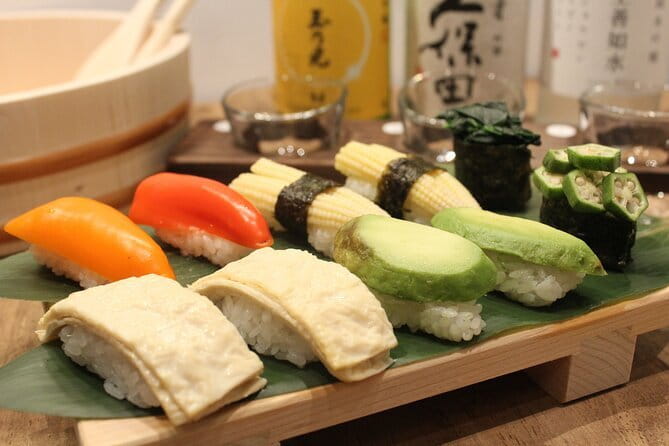
You’ll be served your udon with a special broth made from ingredients listed as all-natural and additive-free: kombu, shiitake mushrooms, and katsuobushi (bonito stock). You also get it in beautiful bowls, which sounds like a small detail until you realize it affects how the meal lands. Food tastes better when it’s presented well and you’re not eating standing up.
Why this matters for you, as the cook at home later: when you get a flavor base you can name, you can recreate it. The recipe handed out with the class gives you a clearer path back to your own kitchen. It’s not just a list of steps—it’s a way to think about udon flavor.
If you’re vegetarian, you’re welcome. The class asks you to let them know dietary restrictions in advance, so they can adjust options. The data here doesn’t specify exactly how the broth is handled for vegetarian guests, but it does clearly state vegetarian options are available.
Hot or Cold Tasting: Choosing Your Noodle Mood
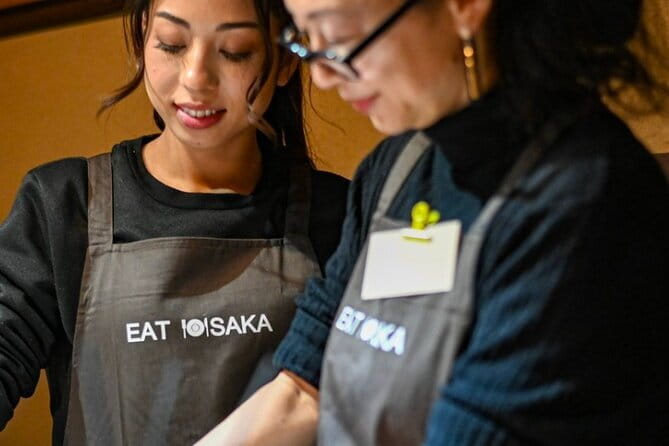
After the class, you’ll taste your udon—hot or cold. Having both options is useful because it lets the meal fit your day.
- If you want comfort and warmth, go hot.
- If the day’s humid or you just prefer something lighter, cold udon can feel more refreshing.
Either way, the timing works in your favor. You’re eating the product of your effort while it’s fresh, which makes the lessons feel real. You’re not learning a recipe in theory—you’re learning it in the moment, and then you take the recipe home to repeat.
Also, because the chef serves your noodles, you’re tasting what the restaurant considers the finish line. That gives you a better target when you try again later.



Photos and a Home Recipe: Getting Something Useful Back

One of the easiest ways to judge a cooking class is whether you leave with something you can use again. This experience gives you two practical takeaways:
First, you get free photos taken by the instructor during the class. That matters if you’re traveling with family or friends and you want evidence that you actually did something besides eat. It also helps you remember the steps and the setup next time you cook.
Second, you receive a recipe for making udon at home. That’s where the value really solidifies. Without a recipe, the class can feel like a fun memory but not a skill. With the recipe, you can test your learning and improve over time.
So you’re not just paying for 90 minutes of entertainment. You’re paying for a repeatable method plus a guide you can follow later.
What About Drinks and Side Dishes?
You can enjoy the class while sipping Japanese sake or beer, but alcoholic beverages aren’t included in the fee. That means you can keep it simple and focus on the lesson, or add drinks if you want to make it a slightly more festive meal.
Side dishes like tempura or extra udon are also available, but they’re not included in the price. This is normal for a restaurant-run experience, and it’s still good value if you treat the class as the main event and add sides only if they genuinely appeal.
Cost-wise, here’s the honest way to think about it: the base price covers the lesson, tasting, photos, recipe, and local taxes. Your total spend will rise mainly if you choose alcohol and extra food.
Price and Value: $52.85 for a Skill, Not Just a Meal
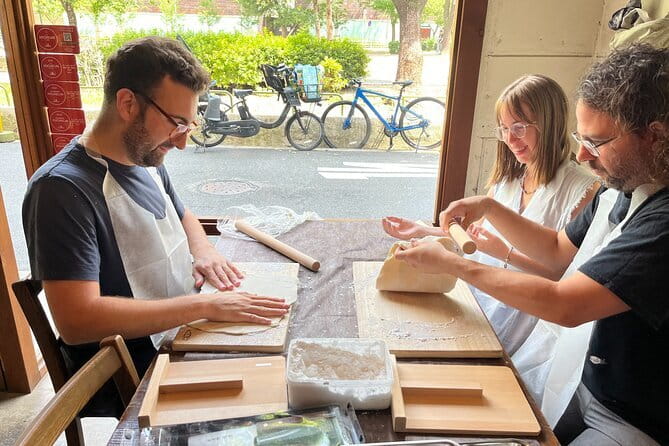
At $52.85 per person, this class might look pricier than grabbing lunch plus a street snack. But it isn’t competing with lunch. It’s competing with other cooking experiences where you pay for instruction, ingredients, and guidance.
Here’s what you get for that money:
- Handmade udon lesson (including the signature dough work)
- Udon tasting (hot or cold)
- Recipe for making udon at home
- Free photos taken during class
- Local taxes included
If you break it down, you’re paying for trained instruction plus the equipment-and-restaurant setup needed to run a class in a Michelin-listed space. And because you eat what you make right after, you’re not ending on a dry instruction-only note.
This is also a strong option for groups and families. One of the hardest things to do in Osaka is find an activity that keeps adults happy while kids aren’t bored after 20 minutes. The feet-on-dough part naturally holds attention, and the tasting keeps energy high.
Small-Group Energy (and Why That’s Good)
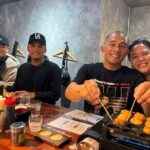
This experience caps at 20 travelers, and you might be grouped with other participants. That can actually be a plus: it keeps the class from feeling like a production line and it creates a social, friendly atmosphere.
In practice, mixed groups can work well because the activity has a clear structure. Even if you’re not with your own friends, you’re doing the same steps, learning the same technique, and sharing a meal at the end.
That said, if you prefer total privacy or you’re traveling as a tight family unit, you should keep your expectations flexible. Also note the class requires a minimum of two participants, so single-adult bookings may need coordination in advance.
Vegetarian, Wheat, and Kids: Fit Check Before You Go
This class is welcoming to families, and kids aged 2 and above can participate. The fee for children is ¥5000. That makes it more manageable than some workshops that charge adult rates for young kids.
Vegetarian options are available, but you should inform the team in advance about dietary restrictions. If you have allergies, read carefully: it’s not recommended for travelers with a wheat allergy. That’s a key point, because udon dough typically involves wheat.
Also, if you’re trying to plan around picky eaters, don’t assume every child will love broth on sight. But since you get to choose hot or cold tasting and the noodles are served right after making them, it usually feels like a fun meal rather than a lecture.
Logistics That Keep the Experience Smooth
A few practical notes can make or break how much you enjoy it.
- Arrive on time. The restaurant resumes serving regular customers after your class, so late arrivals can disrupt the flow.
- Wear messy-friendly clothes. Dough and flour are part of the deal.
- Bring a good attitude about sharing. You might be in a group setup, which can be great if you’re open to meeting new people.
You’ll also use a mobile ticket, which is convenient if you don’t want to deal with paper.
If you want an extra gentle planning tip: schedule this around your day thoughtfully. It’s an active cooking class, so you’ll likely want a calmer plan afterward rather than racing to something demanding.
Should You Book This 90-Minute Udon Class?
You should book if you want a hands-on Osaka food activity that’s more than eating. The foot-kneaded Sanuki dough part is genuinely different, and the class teaches a method you can actually try later using the provided recipe. Add the broth made from kombi, shiitake, and katsuobushi, plus immediate hot-or-cold tasting and free instructor photos, and you get a strong mix of skill and fun.
Skip or think twice if you have a wheat allergy, hate getting messy, or need a totally private experience. Also, if you’re only looking for a quick snack, this is probably longer and more structured than you want.
If you’re traveling with kids, it’s one of the better bets in Osaka. It gives them something physical and engaging, while adults still come away with real technique and a recipe worth keeping.
FAQ
What’s the duration of the handmade udon experience?
It lasts about 1 hour 30 minutes.
Where does the class meet in Osaka?
The meeting point is UDONZIN美糸1-chōme-16-17 Shinmachi, Nishi Ward, Osaka, 550-0013, Japan.
Is alcohol included in the price?
No. Sake or beer can be enjoyed, but alcoholic beverages are not included in the fee.
What’s included in the lesson?
You get a handmade udon lesson, udon tasting (hot or cold), a recipe for making udon at home, free photos taken by the instructor, and local taxes.
Is there a vegetarian option?
Yes, vegetarian options are available. Let the team know your dietary restrictions in advance.
Is it safe for someone with a wheat allergy?
This experience is not recommended for travelers with a wheat allergy.