REVIEW · OSAKA
Osaka: Sashiko Japanese Craftsmanship Workshop
Book on GetYourGuide →Operated by Junale · Bookable on GetYourGuide
Hand stitching in Osaka feels quietly satisfying. In this Sashiko workshop, I love the guided practice on geometric coasters and the calm small-group pace, but you should consider that you are responsible for getting to the venue yourself.
You’ll learn the basics of Japanese “little stabs” stitching, then work on a project you can actually use at home. The tools are provided, and you’ll leave with a handmade memento, which is a better souvenir than yet another keychain.
In This Review
- Key points at a glance
- A two-hour taste of Edo-period stitchwork in Osaka
- Meet your instructor: small group, calm pace, real attention
- From little stabs to a geometric coaster you’ll actually use
- Pattern symbolism: why the stitches mean more than decoration
- The setting: a workshop you can settle into
- Price and value: what $67 buys (and what it avoids charging you for)
- What you take home: skills, confidence, and a real memento
- Who this Osaka Sashiko workshop fits best
- Should you book this Osaka Sashiko workshop?
- FAQ
- How long is the Sashiko workshop in Osaka?
- What is the price per person?
- Is the workshop beginner-friendly?
- What will I take home?
- Are the tools and materials included?
- What languages are used during the workshop?
- How big is the group?
- Can I get help meeting at the station?
- Is it wheelchair accessible?
- What if I’m traveling alone?
Key points at a glance
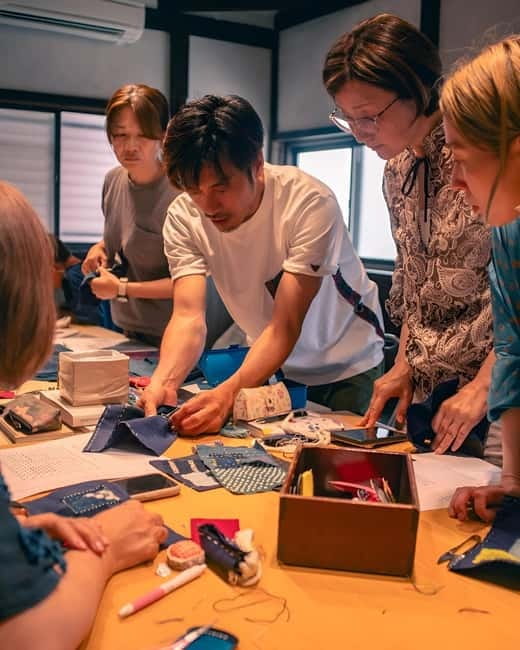
- Geometric coaster project with step-by-step stitch guidance
- Small group (up to 8) for patient teaching and slower pace
- English and Japanese instruction for mixed-language groups
- Edo-period context plus pattern symbolism so it feels more than craft-for-craft’s-sake
- Take-home finished piece you made, not just watched
A two-hour taste of Edo-period stitchwork in Osaka
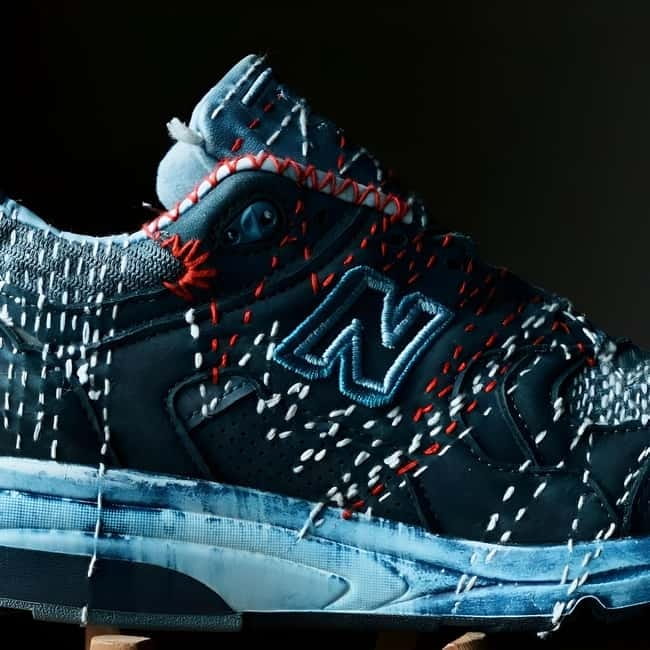
A Sashiko workshop is one of those rare Japan activities where the main event is slow, repeatable craft. You’re not rushing through photo stops. Instead, you’re learning a practical stitching language that started as repair-and-insulation work, and later turned into a respected art form.
This class keeps things friendly and doable. Even if your handwork skills are rusty, the session is structured around simple fundamentals first, then practice on an item that ends up as a useful coaster. For me, that matters: you get skills you can reuse, and you also get an object that makes sense in everyday life.
The timing is also smart. Two hours is long enough to learn the pattern logic and get comfortable with the needle rhythm, but short enough that you can still enjoy Osaka afterward.
You can also read our reviews of more tours and experiences in Osaka


Meet your instructor: small group, calm pace, real attention
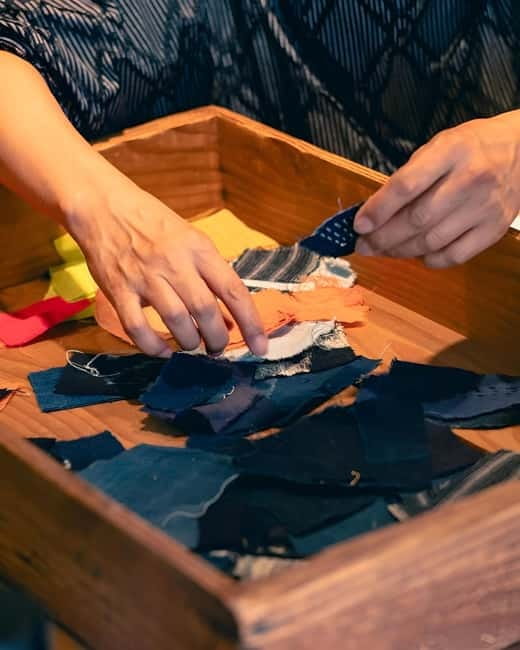
The workshop is run by JunAle, and you may be taught by the instructor listed for the session (June) or by a host/teacher such as Jun or Nene, depending on the date. Either way, what stands out is the teaching style: patient, supportive, and built for people with different comfort levels.
Instruction runs in English and Japanese, which helps a lot in mixed groups. You’ll get demonstrations, and you’ll have time to try. That small-group limit of 8 participants isn’t just a number. It changes the feel: you can ask questions without feeling like you’re interrupting a machine-like class.
If you’re going with teens or another group with varied ages, this setup tends to work well. The craft is approachable, and the pace stays manageable.
From little stabs to a geometric coaster you’ll actually use
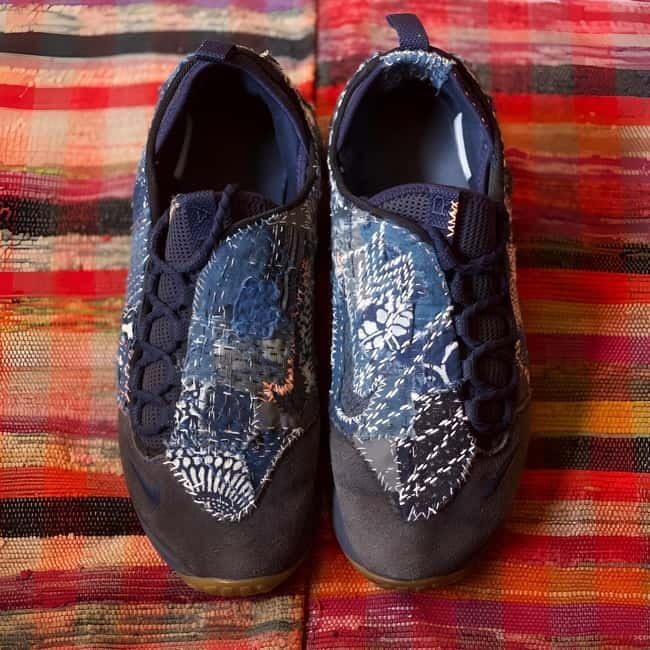
Sashiko is named for the quick, small stitches—those repeated, evenly spaced marks that build structure. In this workshop, you start with a short explanation, then move into a demonstration of the basic stitches before you practice.
From there, you work on a coaster-sized piece using geometric patterns. The goal is not to make perfect stitches on the first try. The goal is to learn how to place them consistently, follow the pattern, and end with something finished you can take home.
Here’s what makes the coaster project especially practical:
- It forces you to learn pattern alignment and stitch spacing on a manageable surface.
- You end up with a piece that belongs on a table, not only in a drawer.
- When you look at it later, you’ll remember how you built it, which makes the souvenir feel personal.
Pattern symbolism: why the stitches mean more than decoration
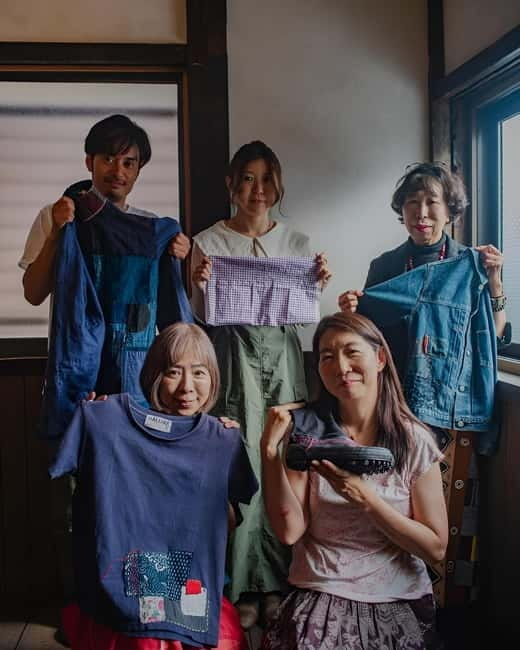
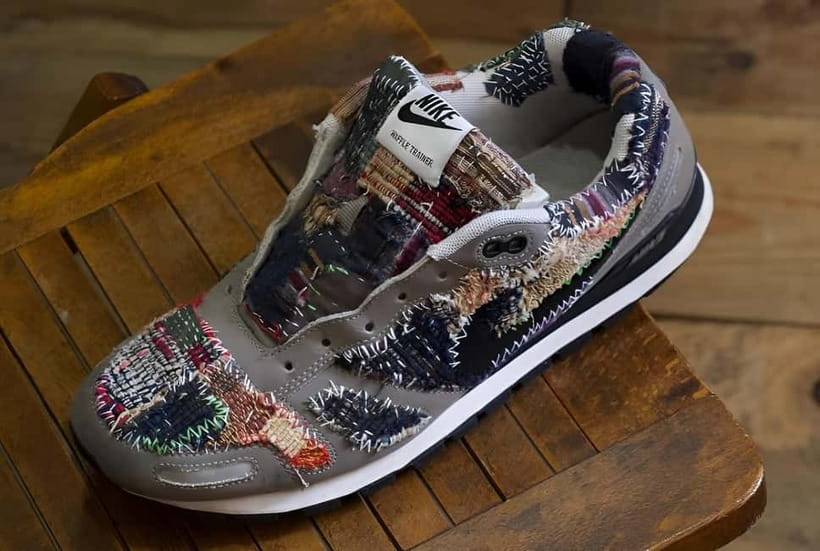
One reason Sashiko became a cultural craft (not just a hobby) is that patterns carry meaning. In the workshop, you’ll hear about the history and how different regions developed their own motifs over time, often tied to cultural symbolism.
You’ll also learn some of the “why” behind the designs. It’s not just about making marks that look nice. Many patterns evolved as ways of reinforcing clothing—improving durability and providing extra warmth. Later, as the technique spread, those functional marks became visual language.
So when you stitch a geometric motif in this class, you’re participating in a tradition that began with farmers and fishermen working to keep clothes usable through harsh conditions. That context changes how you view the work. Even if you don’t care about cultural background, you’ll probably still notice how the pattern logic makes the stitching feel more guided than random.
The setting: a workshop you can settle into
A good craft workshop has one job: help you slow down and focus. This one does that. Participants often describe the space as homely and historically interesting, with details like old-house character and visible wood structure.
That kind of environment matters more than it sounds. Sashiko isn’t a loud activity. Your hands need time. Your eyes need steadiness. When the room feels old and lived-in rather than sterile and rushed, the whole experience clicks into place.
You can also browse a small shopping corner near the workshop area. If you want to keep the momentum after class, it’s there for you: JunAle-original goods, sewing kits, hand-dyed threads, and clothing are available. There may be discounts for cash payments, which is worth asking about if you plan to buy supplies.

Price and value: what $67 buys (and what it avoids charging you for)
At $67 per person for a 2-hour session, the value comes from three things you’re not left to figure out alone.
First, you get all the materials and tools: fabric, needles, threads, and Sashiko-specific supplies. If you’ve ever tried to start a craft on your own while on vacation, you know how often you end up paying twice—once for the supplies and then again for confusion.
Second, you get structured guidance from the instructor. The class isn’t just a seat at a table. It’s teaching: history basics, stitch demonstration, and hands-on practice so you know what you’re doing while you do it.
Third, you take home a completed piece, often a coaster. That means you’re not paying only for the experience. You’re buying the chance to make something and keep it. If you’re the type of traveler who likes souvenirs that don’t clutter your suitcase, this is a strong match.
One practical note: your price does not include getting to the venue. The meeting point can include help with pickup from Kyobashi station if you give advanced notice, but transportation is still your responsibility in general. Build that into your plan so you’re not sprinting to class on train time.
What you take home: skills, confidence, and a real memento
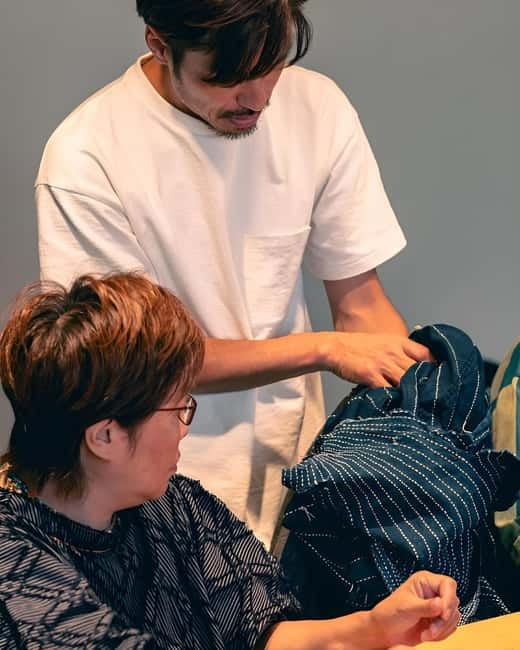
The finished item is the obvious takeaway, but the quieter win is what your hands learn. By the end, you should have a clearer sense of:
- how to keep stitch spacing consistent
- how to follow a geometric pattern without losing your place
- how Sashiko stitches create both texture and structure
You also leave with cultural context and pattern symbolism, so the craft doesn’t feel random. It feels intentional.
And because it’s a small, personal project, you’re likely to keep using it as a reminder. Many people carry on at home with their own stitching because the method feels simple enough to repeat, but structured enough to produce satisfying results.
Who this Osaka Sashiko workshop fits best
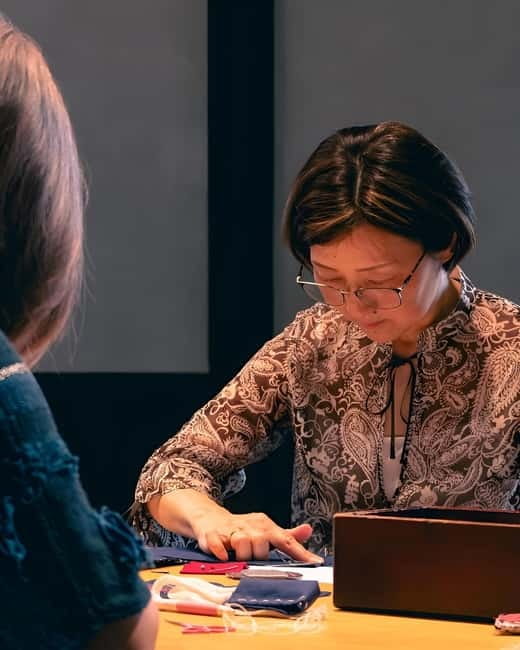
This is a good pick if you want hands-on Japan without the pressure to be artistic. It works particularly well for:
- Beginners who want a clear starting point
- Handwork lovers who enjoy embroidery and stitch-based crafts
- People who like calm activities during a busy trip
- Families with older kids or teens who can handle steady, small-movement work
If you’re looking for high-energy entertainment, this isn’t that. It’s craft time. Quiet time. Needle time. That’s the point.
Should you book this Osaka Sashiko workshop?
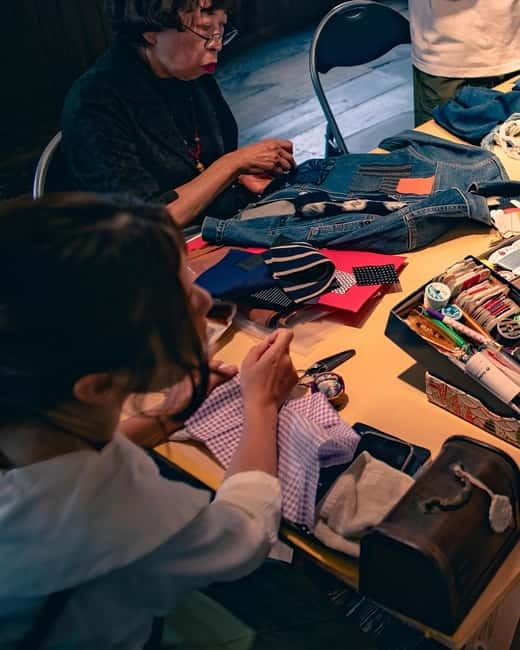
I’d book it if you want a souvenir with actual skill behind it, and you like the idea of learning a technique that connects function and art. The combination of guided instruction, small group size, and a take-home coaster project makes it a strong value for the money.
I’d think twice only if you’re worried about travel logistics to the venue or you need something highly interactive beyond stitching. Otherwise, this is the kind of experience that leaves you with a practical new skill and a handmade piece you’ll genuinely be glad you made.
FAQ
How long is the Sashiko workshop in Osaka?
The workshop runs for 2 hours.
What is the price per person?
The price is $67 per person.
Is the workshop beginner-friendly?
Yes. It’s designed for both seasoned craft enthusiasts and complete beginners.
What will I take home?
You’ll take home a completed Sashiko project, such as a coaster.
Are the tools and materials included?
Yes. Fabrics, needles, threads, and other Sashiko-specific tools are provided.
What languages are used during the workshop?
Instruction is available in English and Japanese.
How big is the group?
The group is small, limited to 8 participants.
Can I get help meeting at the station?
With advanced notice, you can be met at Kyobashi station.
Is it wheelchair accessible?
Yes, the workshop is wheelchair accessible.
What if I’m traveling alone?
The tour aims not to charge more for solo travelers, but if the minimum of 2 guests is not met, you’ll be offered one of these options: an alternate date, a 3000 yen solo supplement, or a full refund.