REVIEW · OSAKA
Private Day Tour of Historic Osaka
Book on Viator →Operated by Nara Guide · Bookable on Viator
Osaka’s past walks right up to you. In one day, you’ll see Sumiyoshi-taisha Shrine (with 1,800 years behind it) and then swing into Osaka Castle for a samurai-era feel, all guided so the sights connect instead of feeling like a checklist. I also love the way this tour is paced for first-timers: walking + public transport, with time at each major stop. The only real catch to plan for is that lunch, local transport, and entrance tickets aren’t included.
One guide keeps the story straight, and you get the bonus of real language help. In at least one recent experience, the guide Mouloud worked in French alongside English, and his Japanese showed up in how he framed Osaka’s history on the ground. If you hate switching train lines or you need fully guided door-to-door logistics, you’ll want to budget extra attention to transit and keep a moderate walking pace.
In This Review
- Key Highlights You’ll Actually Feel During the Day
- A Private, 8-Hour Historic Osaka Route Using Real Transit
- Sumiyoshi-taisha Shrine: 1,800 Years of Shinto Architecture
- Shitennoji: Buddhism Lands in Japan and Changes the Scene
- Osaka Castle: Samurai-Era Power, Plus a 1931 Rebuild
- Shinsekai and Tsutenkaku: Retro Osaka After the Temples
- Budget Check: Lunch, Local Transit, and Entrance Tickets
- Pace and Practical Tips for a Smooth Day
- What Makes the Guidance Matter (And Why It Shows Up Fast)
- Who This Private Historic Osaka Day Tour Fits Best
- Should You Book This Private Day Tour of Historic Osaka?
- FAQ
- How long is the Private Day Tour of Historic Osaka?
- What time does the tour start, and where do we meet?
- Where does the tour end?
- What are the main stops during the day?
- Are entrance tickets included for the shrine, temple, and castle?
- Is lunch included in the tour price?
- Is transportation included?
- Is this tour really private?
- Can I cancel and get a full refund?
Key Highlights You’ll Actually Feel During the Day
- 1,800-year Sumiyoshi-taisha Shrine as your first stop, before the city noise gets loud
- Shitennoji Temple (since 593) and the story of Buddhism’s arrival in Japan
- Osaka Castle with late-16th-century origins and a 1931 rebuild that changed how you see it
- Shinsekai + Tsutenkaku for a retro Osaka snapshot that contrasts the temples and castle
- A true private format so your questions and timing can match your group
- Mouloud-style multilingual guiding (French plus English) that helps everything click
A Private, 8-Hour Historic Osaka Route Using Real Transit
This is a private day tour, meaning it’s just your group, not a mixed herd. That matters in Osaka, where getting from one historic site to another is easiest by public transport, and where small detours can make a huge difference in how tired you feel by midday.
You start at 9:00 am near Tennojiekimae Station and end in Shinsekai near Magic Cafe & Bar. Expect about 8 hours total, spread across four main stops, with walking at each location. The day is designed for people with moderate stamina—not a sprint, but not a “sit on a bus” program either.
You can also read our reviews of more private tours in Osaka

Sumiyoshi-taisha Shrine: 1,800 Years of Shinto Architecture
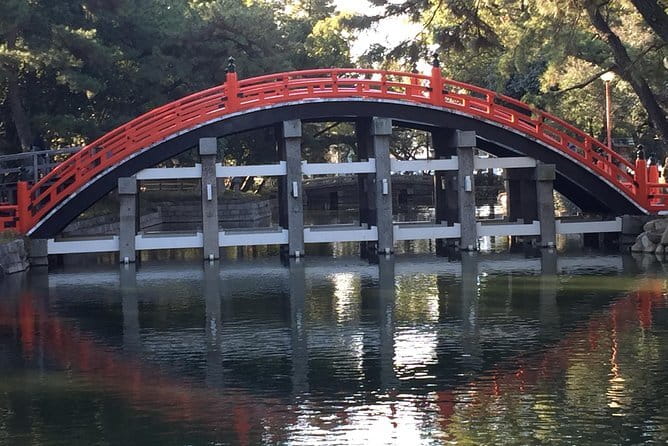
You begin with Sumiyoshi Taisha Shrine, one of Japan’s older Shinto sites, dating back to 211. That age alone gives the stop weight, but what I like most is the experience of seeing tradition laid out with purpose—before you rush into later eras of Osaka.
You’ll get around 2 hours here, so it’s not just a quick pass through the gates. Look for the classic shrine architecture and take your time with the setting. When you start the day with a site like this, later history—temples, castles, even the feeling of Osaka neighborhoods—makes more sense because you’re seeing Japan’s timeline from a longer view.
Admission isn’t included, so plan on paying your shrine ticket separately. If you’re the type who likes quiet spaces and clear rules of etiquette, this stop tends to be a good reset before you move into the more crowded sights.
Shitennoji: Buddhism Lands in Japan and Changes the Scene
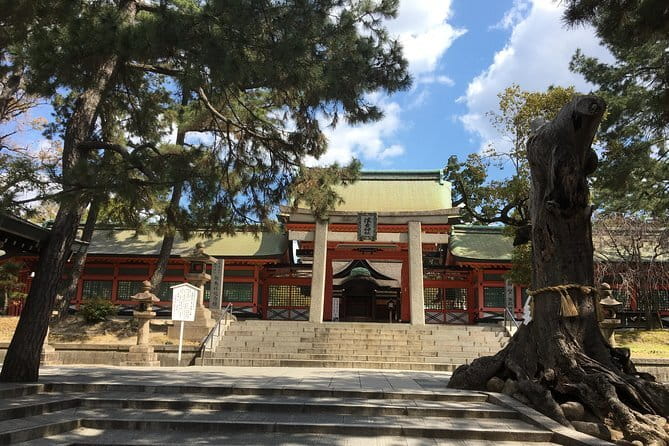
Next is Shitennoji, dated to 593—a huge milestone because it’s tied to the arrival and spread of Buddhism in Japan. This is one of those places where the guide’s role becomes more than translation. You’ll get context that helps you notice what you’re actually looking at.
You’ll spend about 1 hour here, which is short enough that you’ll want to prioritize. Ask your guide what elements matter most so you don’t waste time trying to figure it out alone. Since the tour doesn’t include the entrance fee, you’ll likely spend a bit of that hour managing ticket entry plus exploring.
A practical tip: this is a sacred site, so keep your pace calm and your camera ready but not intrusive. If you treat it like a museum stop only, you may miss the atmosphere that makes Shitennoji feel historically “alive.”
Osaka Castle: Samurai-Era Power, Plus a 1931 Rebuild
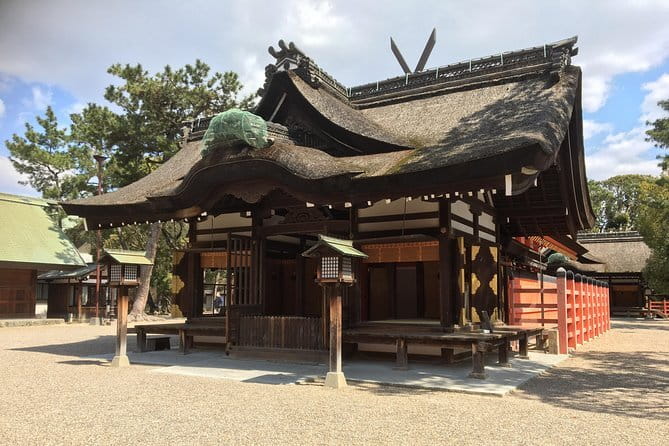
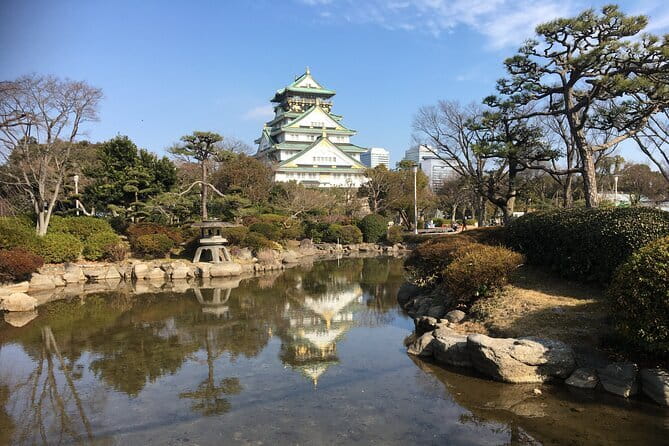
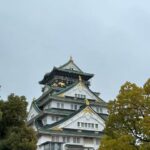
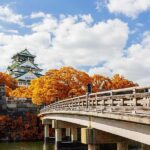
Then the day shifts hard into Osaka Castle, built at the end of the 16th century and later rebuilt in 1931 after a long history of damage and change. That “origin + rebuild” mix is exactly why this stop works on a tour day: you get both the big narrative and the reality that cities evolve.
You’ll have around 2 hours here. That’s enough time to take in the castle grounds and still move through what’s inside, even if there are lines. Entrance tickets aren’t included, so you’ll budget extra for that.
What I find useful about pairing Osaka Castle with the earlier temple and shrine is contrast. Shitennoji and Sumiyoshi-taisha point toward religious foundations and cultural continuity. Osaka Castle points toward power, conflict, and political identity. By the time you arrive at the castle, you’re not just seeing architecture—you’re seeing Osaka’s role in the story of Japan’s samurai era.
If your group likes photos, go slow on the first overlooks. Castle views can tempt you to rush, then you realize you missed a smaller detail that your guide pointed out. Slow down early and you’ll thank yourself later.
Shinsekai and Tsutenkaku: Retro Osaka After the Temples
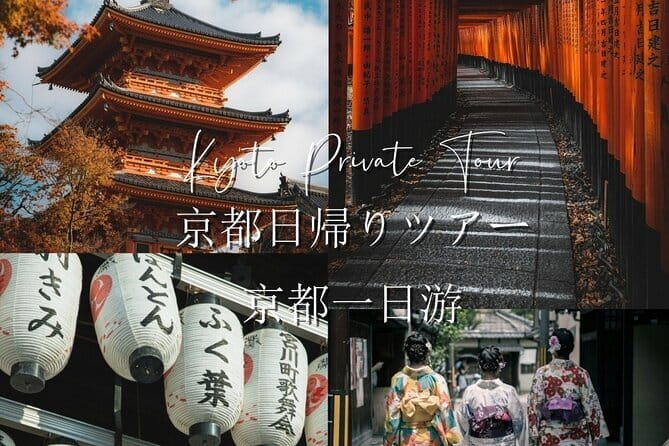
After the heavy hitters—shrine, temple, and castle—the tour takes you to Shinsekai, including Tsutenkaku Tower. This is where Osaka switches genres. Instead of centuries-old sacred sites and fortress history, you’re looking at a neighborhood mood with a retro 1970s flavor.
Plan for about 1 hour here. It’s the perfect length for strolling, grabbing a quick bite if you’re in that mood, and taking in the atmosphere without exhausting yourself. Entrance fees aren’t the point here; the draw is street life, signage, and the way Shinsekai carries a different Osaka identity than the historic sites.
If you’re trying to understand a city beyond landmarks, Shinsekai is often where the “okay, I get it” moment lands. It’s also a nice landing spot for the day since the tour ends near Magic Cafe & Bar, which is handy for your next steps.
You can also read our reviews of more historical tours in Osaka
Budget Check: Lunch, Local Transit, and Entrance Tickets
Price is listed at $220.96 per person, and that’s for a private guided day. Here’s the value math I think about with a tour like this:
- You’re paying for a guide to handle sequencing, timing, and context across four major historic areas.
- You’re also paying for the private format, which reduces friction if your group has different interests or questions.
But you should still budget extra money during the day. Lunch isn’t included, and the suggested cost is about 2,500 JPY per person. Local transport isn’t included either, with an estimate of 2,000 JPY per person/day. Entrance tickets at the shrine, temple, and castle are also not included based on the tour info.
So the real question isn’t only what you pay at checkout. It’s whether you like paying for a guide so you don’t spend your day figuring out how to connect these sites efficiently. If you’d rather plan trains, tickets, and timing yourself, this might feel pricier. If you want the day handled and explained—especially with multilingual help when available—it can feel like a smart shortcut.
Pace and Practical Tips for a Smooth Day
This tour mixes two kinds of time: sacred/quiet time and transit/energy time. That’s why it’s important to come with the right expectations.
A few practical moves I’d recommend:
- Wear comfortable shoes you can walk in for most of the day. The itinerary is spread across four neighborhoods and sites.
- Bring a small water bottle. Even if the day is structured, Osaka’s walking adds up.
- Save your biggest appetite for lunch. Since lunch isn’t included, you’ll likely decide where to eat once you’re already in motion.
Moderate physical fitness is the guideline, so it’s not a wheelchair-first plan or a no-walking plan. Service animals are allowed, so if you travel with one, you can bring them confidently within the tour rules.
Also note the tour uses a mobile ticket, so set up your phone access before you head out. It helps when entry or meeting moments are time-sensitive.
What Makes the Guidance Matter (And Why It Shows Up Fast)
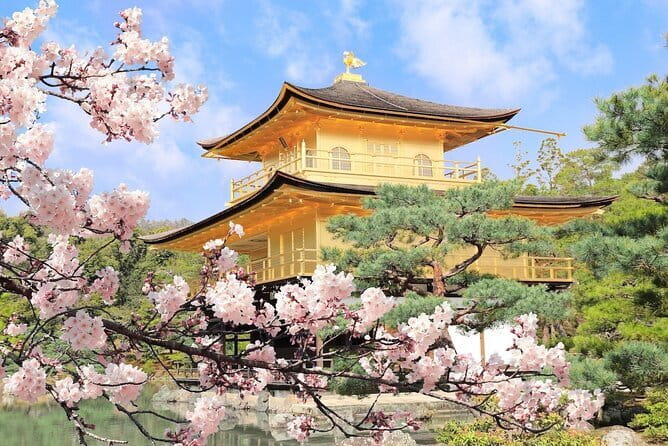
The most praised part of the experience is the guide. In one recent instance, Mouloud stood out for speaking French alongside English, plus using strong Japanese in explanations and directions. The result is that you’re not just collecting photos—you’re collecting meaning.
That matters most at the stops where people often feel lost:
- Shitennoji (593): the guide helps you connect the site to the wider story of Buddhism’s arrival.
- Osaka Castle: the guide helps you understand why the rebuild in 1931 matters, not just the original late-16th-century idea.
- Sumiyoshi-taisha: you get a framework for what to notice in traditional shrine architecture and why its age (dating to 211) is such a big deal.
If you’re traveling solo or as a couple and you want to avoid sounding out history facts one question at a time, this type of guiding pays off quickly.
Who This Private Historic Osaka Day Tour Fits Best
This tour is a good fit if you:
- Are visiting Osaka for the first time and want a tight historic overview in one day
- Like guided context, not just standing in front of landmarks
- Want a private group experience so your pace and questions can stay yours
- Appreciate a guide who can work in more than one language (French/English, when available)
It’s also a decent fit for history lovers because the stops are chosen for timeline coverage: ancient Shinto, early Buddhism, samurai-era power, then modern nostalgia.
It may be less satisfying if you want long museum-style time in one place or you don’t want any extra spending for entrances, lunch, or transit.
Should You Book This Private Day Tour of Historic Osaka?
My take: if you want your Osaka day to feel organized, meaningful, and easy to understand, this is an excellent option—especially at the private-group level. The tour covers four iconic areas in about 8 hours, and the guidance (including multilingual ability like Mouloud’s French + English) turns each stop into a clear piece of a bigger Osaka story.
Book it if you’re happy paying a guide to handle sequencing and explanations, and you’re willing to budget extra for lunch (~2,500 JPY), local transit (~2,000 JPY/day), and entrance tickets. Skip it if you prefer total DIY freedom, or if you want every stop to come with unlimited time.
FAQ
How long is the Private Day Tour of Historic Osaka?
The tour lasts about 8 hours.
What time does the tour start, and where do we meet?
The start time is 9:00 am. The meeting point is Tennojiekimae Station (1 Chome-5 Abenosuji, Abeno Ward, Osaka).
Where does the tour end?
The tour ends at Magic Cafe & Bar Shinsekai (3-chōme-2-27 Ebisuhigashi, Naniwa Ward, Osaka).
What are the main stops during the day?
The tour visits Sumiyoshi-taisha Shrine, Shitennoji Temple, Osaka Castle, and the Shinsekai district including Tsutenkaku.
Are entrance tickets included for the shrine, temple, and castle?
No. Entrance tickets are not included.
Is lunch included in the tour price?
No. Lunch is not included (about 2,500 JPY per person is suggested).
Is transportation included?
No. Local transport is not included (about 2,000 JPY per person per day is suggested).
Is this tour really private?
Yes. Only your group participates.
Can I cancel and get a full refund?
Yes. You can cancel for a full refund up to 24 hours before the experience’s start time.