REVIEW · OSAKA
Ramen and Gyoza Cooking Class in Osaka Dotonbori
Book on Viator →Operated by Cooking Sun · Bookable on Viator
Ramen noodles by hand in Dotonbori. This cooking class is built around two big wins: you learn ramen and gyoza from scratch, and the small class size keeps things personal with an English-speaking instructor. You’re in the food-heart of Osaka, so even the pre-dinner vibe feels right.
I especially like that the teaching focuses on how to customize. The class encourages you to adjust gyoza filling and ramen toppings to match different tastes and dietary needs, and instructors like Miki and Jun are repeatedly praised for step-by-step clarity and patience.
One important heads-up: there’s no gluten-free option, so it’s not recommended if you have gluten intolerance.
In This Review
- Key Things That Make This Class Worth Your Time
- Dotonbori Location: Why This Area Fits a Food Class
- Finding Cooking Sun Japan: The 8th-Floor Apartment Reality Check
- The Main Event: Ramen Noodles and Broth From Scratch
- Gyoza Workshop: Filling Customization and Folding Technique
- Custom Dietary Notes: Vegetarian, Pescatarian, and No-Fish Requests
- What the Class Gives You (And What It Doesn’t)
- Price and Value: Is $71.35 a Good Deal?
- Small Group Energy: Step-By-Step, Patient Coaching
- Your Best Use of This Experience Back Home
- Who Should Book This Ramen and Gyoza Class?
- Should You Book This Tour?
- FAQ
- How long is the cooking class in Dotonbori?
- What time does the class start?
- Where do I meet for the class?
- Is the class in English?
- Is this a small group class?
- Is there a mobile ticket?
- Are vegetarian or pescatarian options available?
- Can I request no-fish ramen?
- Is there a gluten-free option?
- What’s included in the price, and do I need to buy extra food?
- Canceling
Key Things That Make This Class Worth Your Time

- Ramen noodles and broth from scratch: you knead the noodles by hand and make the soup base yourself
- Small group, max 8 people: more hands-on attention and easier pacing for a 3-hour session
- Custom gyoza and ramen choices: you can tailor flavors and toppings, including vegetarian and no-fish requests
- Restaurant-style results: gyoza turning out like what you’d order sets up the payoff fast
- Recipes you can take home: you leave with written instructions for remaking it later
Dotonbori Location: Why This Area Fits a Food Class
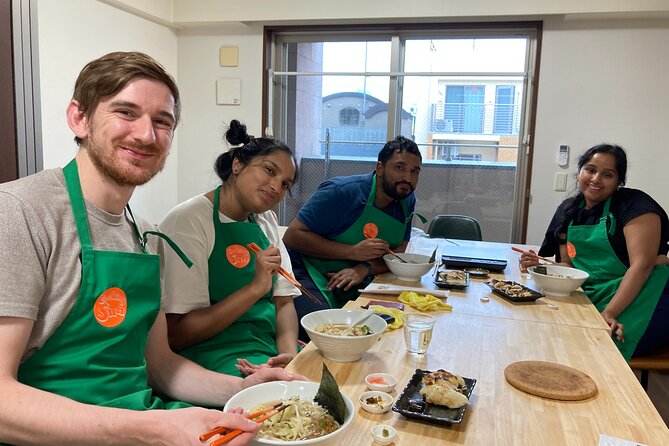
Osaka’s Dotonbori is where you go for big food energy: late-night lights, crowds, and a constant stream of what’s frying and simmering. This class plants you right in that orbit, so it doesn’t feel like a random activity dropped into town. You start in the heart of Osaka, and you also end there, which makes it easy to stitch the experience into the rest of your day.
A big practical benefit: you’re not dealing with a long commute to some distant suburb. The meeting place is near public transportation, so you can move from sightseeing into cooking without turning the day into a logistics puzzle. For a 1:30 pm start, that matters.
You can also read our reviews of more cooking classes in Osaka

Finding Cooking Sun Japan: The 8th-Floor Apartment Reality Check
The meeting point is Cooking Sun Japan, located at 542-0082 Osaka, Chuo Ward, Shimanouchi, 2-chōme 914, 807号室. It’s not a street-corner restaurant. It’s a building setup, and you’ll likely take an elevator up to reach the room.
In other words, don’t trust a fuzzy map label. If you’re walking and your GPS seems confused, use the actual address to get you to the right building, then follow the instructions from there. Once you’re inside, the kitchen is described as clean and modern, and the class runs in an organized way rather than a chaotic “someone’s home kitchen” vibe.
Timing tip: class starts at 1:30 pm and many people finish around 3:30 pm. That’s right after a typical lunch window, but it can still leave you hungry if you eat too late or skip food. If you like a comfortable pace, eat a small lunch first so you can focus on cooking instead of counting the minutes.
The Main Event: Ramen Noodles and Broth From Scratch
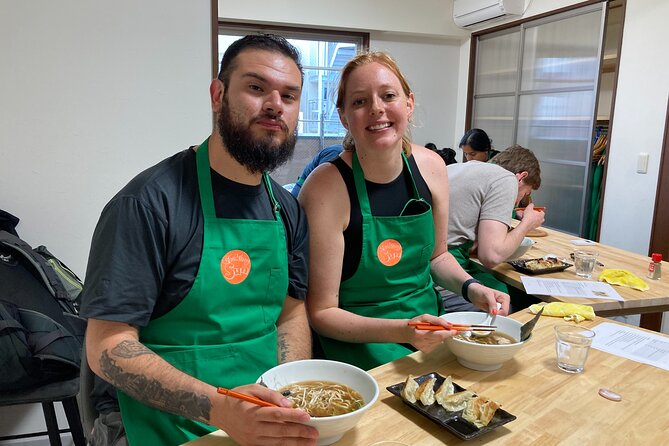
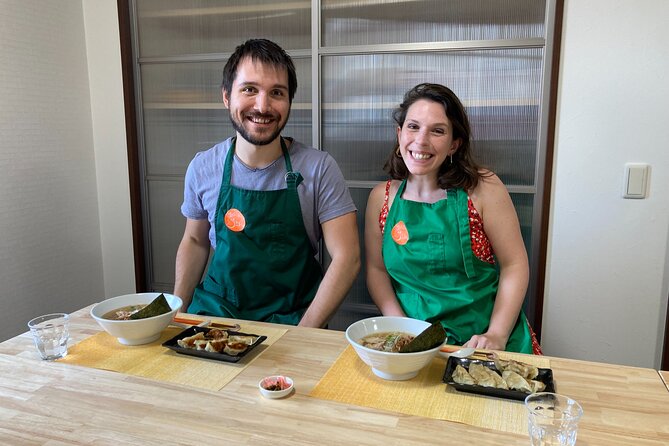
This is not a watch-and-eat class. The core of the experience is hands-on ramen. You make both the noodles and the soup base from scratch, including kneading the noodles by hand. That sounds simple until you’re doing it. But that effort is also why the final bowl tastes earned.
Here’s what you’re learning, skill-wise, not just recipe-wise:
- Texture control for noodles: getting the dough to the right feel is the foundation for how the noodles eat in soup.
- Broth building: ramen soup isn’t just seasoning. It’s about creating a base with depth, then balancing it.
- Timing and flow: ramen has multiple steps that can’t all happen at once. The instruction keeps you moving without rushing.
A notable detail: the ramen base may include fish and chicken. Some people who aren’t fans of fish still found the base works well, and the class allows you to leave a note upon booking for no-fish options. If you care about this, put it in writing early so the kitchen can plan.
Even beyond flavor, there’s teaching value in what you learn about ingredients. One review highlights that the instructors explain different fish flakes (like bento-style flakes), differences among soy sauces, and why miso types vary. That kind of context helps you recreate the dish later, not just repeat steps.
Gyoza Workshop: Filling Customization and Folding Technique
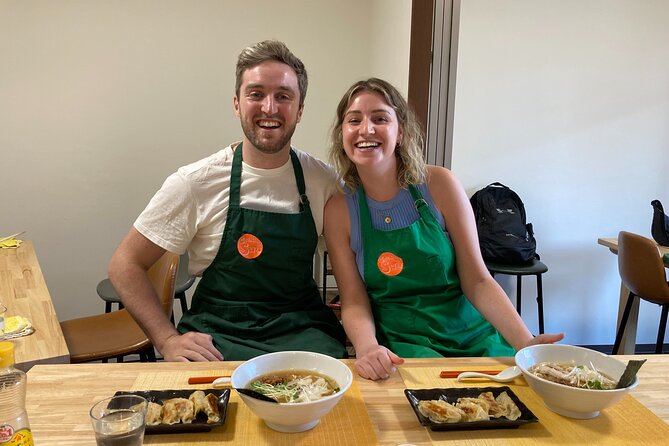
After ramen noodles and broth get going, you shift gears to gyoza. You’ll make the filling from chopped ingredients and fold the dumplings. One review notes that the wrappers are premade, and you handle the filling and folding, which is a sensible setup for a 3-hour class. You get technique without turning this into a weeknight project that requires buying wheat and rolling it thin.
What I like here is the customization angle. The class is built to let you adjust the filling and then match your ramen toppings to your tastes. That matters because gyoza can go in different directions: more savory, more garlic-forward, or toned down for someone who prefers lighter flavors.
The best part is the payoff. Multiple reviews describe gyoza that turn out very close to restaurant versions. That’s the difference between a class that teaches you cooking theory versus one that gives you enough technique to succeed in the bowl you eventually eat.
Custom Dietary Notes: Vegetarian, Pescatarian, and No-Fish Requests
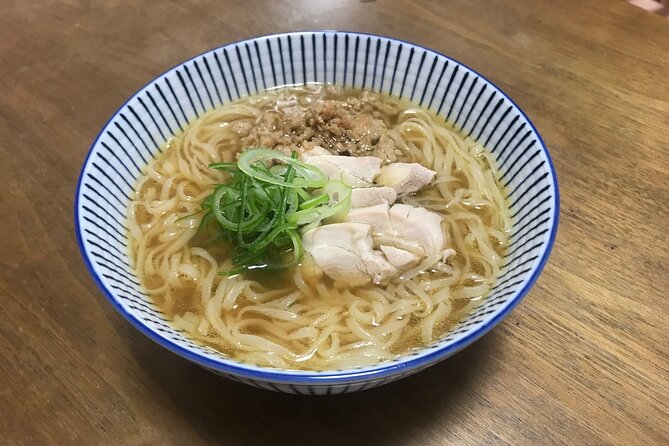
The class can accommodate vegetarian and pescatarian options and supports no-fish adjustments if you leave a note when you book. That’s a big deal for a dish like ramen, where fish-based elements can be common.
But there’s one hard limit: gluten-free option is not available, and it’s explicitly not recommended if you have gluten intolerance. So if you need gluten-free cooking, this isn’t the class to book.
For everyone else, what you’ll take away is the idea that Japanese dishes can be built with intent. You’re not just copying flavors; you’re learning which parts drive the taste and how to adjust toppings and fillings based on preferences.
You can also read our reviews of more tours and experiences in Osaka


What the Class Gives You (And What It Doesn’t)
Included:
- All ingredients and utensils
- Hands-on ramen and gyoza instruction
- English-speaking instructor
- Recipes to take home
- All fees and taxes
Not included:
- Extra food or beverages not listed
This is the kind of pricing structure that helps you avoid surprise add-ons. You’re paying for the cooking time, the teaching, and the materials to make ramen and gyoza. You also get recipes to bring back, which is where the value really locks in if you enjoy cooking at home.
Price and Value: Is $71.35 a Good Deal?
At $71.35 per person for about 3 hours, the value depends on what you want from a class. If you’re expecting a casual cultural snack tour, it’ll feel too serious. If you want a real skill you can repeat, it’s priced like one.
You’re paying for:
- A small group setting (maximum 8 people)
- Step-by-step instruction and active cooking
- Ingredients for full ramen and gyoza production
- English support
- Take-home recipes
And because ramen involves multiple steps (dough work plus broth plus noodles), this price can make sense compared with trying to buy everything and then learning by trial and error at home.
Small Group Energy: Step-By-Step, Patient Coaching
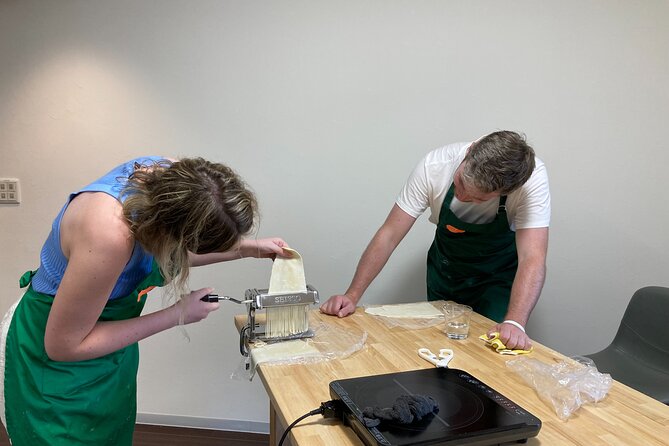
The class’s biggest quality theme is pacing. Reviews highlight instructors and staff who are kind, efficient, and very patient, even when mistakes happen. The teaching method is described as step-by-step, which is exactly what you want in a dish with lots of stages like ramen and gyoza.
It also helps that you’ll likely have a team of instructors working together for a small group. That’s why people report a calm experience even with multiple tasks happening at once.
And yes, there’s a social element, but it’s not loud. Cooking tends to bring people together naturally because everyone is busy with the same few tasks.
Your Best Use of This Experience Back Home
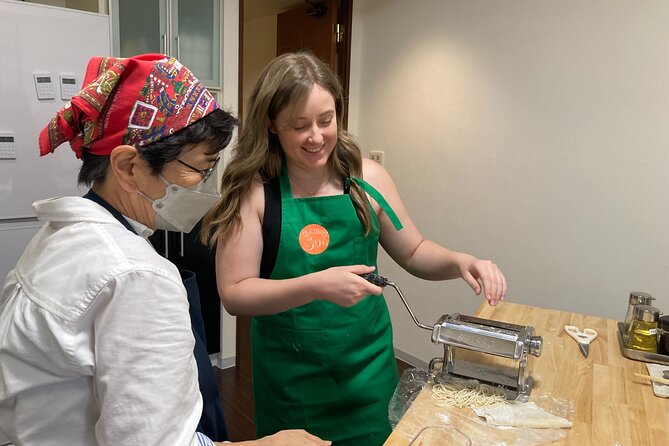
To get real value after the class, focus on the parts that translate to your kitchen:
- Noodle method: you’ll want to remember the feel and process that led to the right texture.
- Broth logic: you’ll be able to think in layers (base first, then balance).
- Topping strategy: customizing toppings is easier than you think once you’ve seen how toppings change the bowl.
- Gyoza mindset: filling ratios and folding technique are the practical skills you’ll repeat.
The take-home recipes are important because they reduce the guesswork when you’re shopping later. And because the class explains differences in ingredients like soy sauce types and miso types, you’ll have more than one way to adapt the recipes without losing the overall idea.
Who Should Book This Ramen and Gyoza Class?
This fits best if you:
- Want a hands-on cooking skill, not just a meal
- Enjoy Japanese flavors and want a ramen base you can actually rebuild
- Prefer small-group instruction with English support
- Plan to cook at home again
I’d think twice if you:
- Need gluten-free cooking (not available)
- Are looking for a super quick food stop (this is a true class, about 3 hours)
Should You Book This Tour?
If you want ramen and gyoza that feel authentic and repeatable, this class is a strong pick. The combination of from-scratch ramen, guided noodle and dumpling work, and take-home recipes makes the money feel tied to real learning.
Just be strict about dietary limits. If gluten is an issue, skip it. If you have fish-related preferences, write the request when you book, since vegetarian/pescatarian/no-fish notes are supported.
If you’re ready to cook, taste, and leave with a plan for making it again, book it.
FAQ
How long is the cooking class in Dotonbori?
The class lasts about 3 hours.
What time does the class start?
Start time is 1:30 pm.
Where do I meet for the class?
You’ll meet at Cooking SunJapan, 542-0082 Osaka, Chuo Ward, Shimanouchi, 2-chōme 914 807号室.
Is the class in English?
Yes. There is an English-speaking instructor.
Is this a small group class?
Yes. The maximum group size is 8 travelers.
Is there a mobile ticket?
Yes. The class uses a mobile ticket.
Are vegetarian or pescatarian options available?
You can leave a note upon booking for a vegetarian option or pescatarian option.
Can I request no-fish ramen?
Yes. You can leave a note upon booking for a no-fish option.
Is there a gluten-free option?
No. Gluten-free option is not available, and it’s not recommended for travelers with gluten intolerance.
What’s included in the price, and do I need to buy extra food?
The price includes all ingredients and utensils, the hands-on class, English-speaking instruction, recipes to take home, and all fees and taxes. Extra food or beverages not listed aren’t included.
Canceling
You can cancel for free up to 24 hours in advance for a full refund. Changes within 24 hours aren’t accepted.