REVIEW · OSAKA
Ramen Craftsman Experience in Osaka
Book on Viator →Operated by Menya SHU · Bookable on Viator
Ramen class, but with real chef time. This hands-on Osaka workshop rents out a real ramen shop kitchen run by Shu, so you’re not just watching from the sidelines. I like the small group format (up to four), and you’ll learn the role of key ingredients before you cook and eat.
You’ll also get the full setup: tools, aprons, and gloves, plus thorough step-by-step guidance while you boil noodles and finish your bowl. The likely drawback is simple: it uses a gas stove, so it’s not suitable for infants (about age seven and up is fine).
In This Review
- Key Points You Should Know Before You Go
- A One-Hour Ramen Chef Workshop at Menya SHU
- Four Osaka Ramen Choices: Pick Your Flavor and Toppings
- The Kitchen Orientation: Tools, Utensils, and Ingredient Explanations
- Boiling Noodles and Preparing Soup: The Hot Steps That Matter
- Your Bowl, Your Toppings: Presentation and Taste
- Price and Value: Is $42.94 Worth It in Osaka?
- Logistics That Matter (And the One Thing to Watch)
- Who Should Book This Ramen Craftsman Experience?
- Should You Book This Ramen Class in Osaka?
- FAQ
- What is the duration of the Ramen Craftsman Experience?
- How much does the ramen class cost?
- How many people are in each class?
- What ramen options can I choose from?
- Is lunch included?
- Are cooking tools and gear provided?
- Is transportation included?
- Is it suitable for small children?
- What happens if I arrive late?
Key Points You Should Know Before You Go
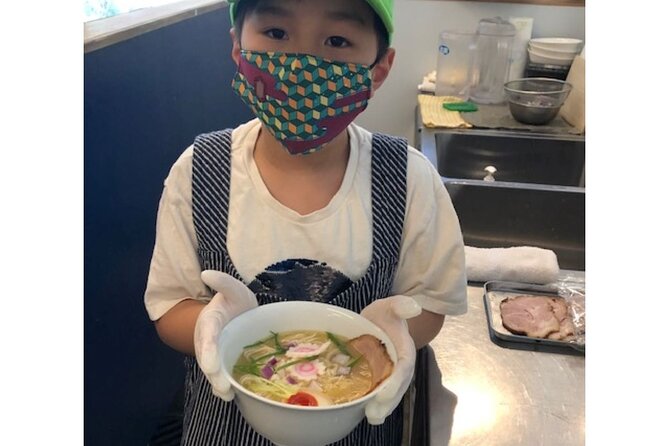
- Up to 4 people for a very hands-on experience in a working shop kitchen
- Choose one of four ramen types, including chicken, seafood chicken with clam broth, Chinese soba, and sea bream dashi salt
- Chef-led instruction starts with ingredients and utensils, not just cooking
- Everything for cooking is provided, so you just show up hungry
- Soup takes days to make, so you’ll focus on the hot, finishing steps like noodles, presentation, and tasting
A One-Hour Ramen Chef Workshop at Menya SHU
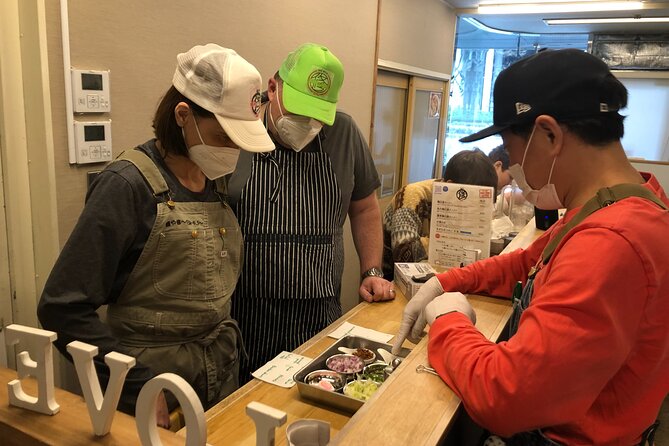
This experience is built around a simple promise: you’ll learn ramen by doing the parts that matter most during service. You rent out the kitchen of Menya SHU, a ramen shop in Tennoji Ward, Osaka, and you’ll be guided as if you’re helping fulfill an order.
It lasts about one hour, and the pacing is tight in a good way. You start with explanations, then you move quickly into practical cooking steps—boiling noodles over a gas stove, preparing soup, presenting your bowl, and eating it.
The setting feels authentic because you’re in a shop kitchen that runs as a ramen shop. One review noted you can even take photos and video, which is rare for hands-on classes that happen in tight spaces. If you want the real rhythm of ramen making—heat, timing, and plating—this format delivers.
You can also read our reviews of more tours and experiences in Osaka.



Four Osaka Ramen Choices: Pick Your Flavor and Toppings
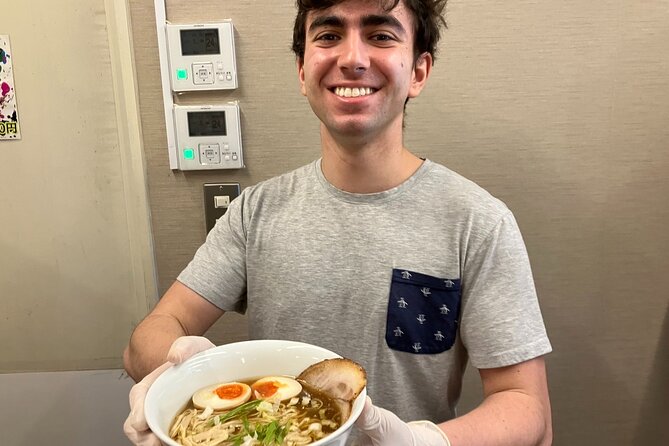
One of the best parts is control. You choose a ramen you like, then you build around that choice. The menu options listed are:
1) Chicken white soup ramen
2) Seafood chicken white soup ramen (clam broth)
3) Chinese soba (soy sauce ramen)
4) Sea bream dashi salt ramen
What you’ll learn is how different bases lead to different flavor directions. Even if you’re a ramen beginner, the ingredient explanations make it easier to connect cause and effect—why one broth feels lighter, why another tastes more savory, and how the ramen style changes the whole bowl.
In the reviews, people repeatedly praise the way the ramen tastes unique, not like a generic class meal. That matches the experience design: the soup base is prepared ahead (because it takes several days), while you do the live steps that get your noodles and bowl to the right moment.
The Kitchen Orientation: Tools, Utensils, and Ingredient Explanations
You don’t need to bring anything. Cooking utensils, aprons, and gloves are included. That matters more than it sounds. In a small kitchen, having the right tools ready means you spend your time cooking, not figuring out where things are or whether you packed the right gear.
The process begins with a clear explanation of:
- the ramen ingredients
- the utensils you’ll use
- the order of steps so you don’t get lost during the heat-and-timing phase
This is also where names show up in a human way. Shu runs the session, and you may also meet Amanda as part of the hosting team. Multiple reviews mention Shu’s friendly, energetic teaching style and strong communication in English, which helps a lot if you’re not fluent in Japanese.
One practical upside: because soup prep takes days, the class isn’t trying to cram everything into an hour. That can be a relief if you’re worried you won’t learn much beyond boiling noodles. Instead, you learn how the hot finishing steps turn pre-made components into a bowl that tastes like it belongs in a shop.
Boiling Noodles and Preparing Soup: The Hot Steps That Matter
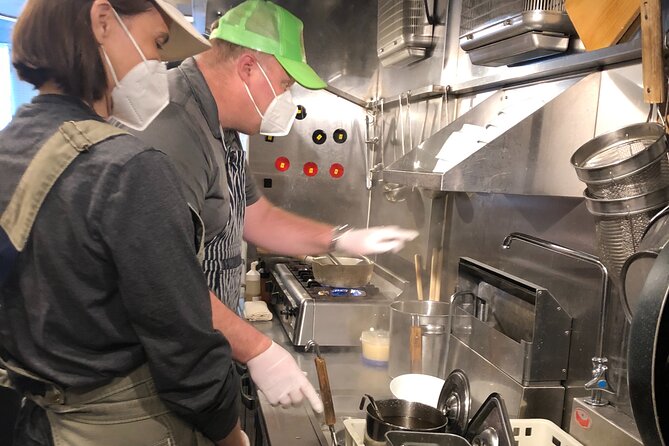
Here’s where the experience becomes hands-on. After the ingredient briefing, you’ll experience:
- boiling the noodles
- preparing the soup
- presentation
- eating your ramen
The noodles are boiled on a gas stove. This is also the main limitation for families: infants can’t participate, though small children about 7 years old can.
From a learning perspective, this part is smart. Ramen is all about timing. If the noodles are over or under, the texture changes. If the bowl isn’t assembled with the right flow, the experience stops being “chef-assisted” and turns into “kitchen chaos.”
Also, this session focuses on what ramen shops actually do during service. One review pointed out the workshop may feel more like experiencing the steps to fulfill an order using prepared ingredients rather than making everything from scratch. If you expect flour-to-noodles-at-home DIY, you might feel slightly underwhelmed. If you want the real shop workflow, you’ll likely love it.
Your Bowl, Your Toppings: Presentation and Taste
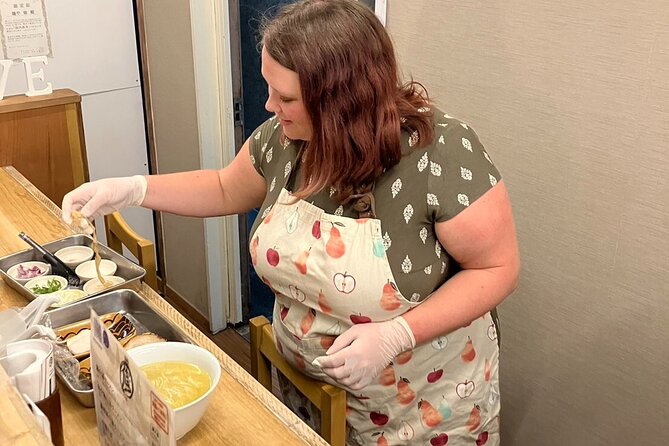
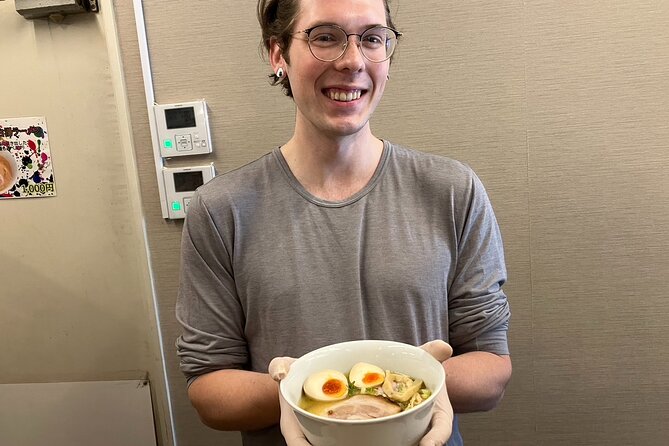
After noodles and soup come together, you’ll build and present your ramen. This is the moment where the class stops being a lesson and starts being a meal you’re proud of.
You choose your ramen flavor and toppings, then you get guided toward a finished bowl. The goal isn’t just to feed you. It’s to teach you how ramen is assembled so that the parts you learned about actually show up on your plate.
In reviews, people highlight two things:
- the bowls they made were extremely tasty
- the instruction was paced so everyone got real participation, not just watching
Because it’s a small charter (up to four people at a time), it’s easier to get help if your hands are doing the wrong thing with the wrong timing. That one-on-one attention is exactly what turns a cooking class into a confidence builder.
Then you eat. Simple, but important. A lesson where you never taste the result is theory class. Here, you taste right after you assemble, which is when the comparisons make sense.

Price and Value: Is $42.94 Worth It in Osaka?
At $42.94 per person, you’re paying for more than lunch. You’re buying:
- guided chef instruction
- a small-group workshop (up to four)
- all cooking gear (utensils, aprons, gloves)
- a complete ramen lunch from the style you choose
If you were just grabbing ramen in Osaka, you’d spend money on food. This class adds something tougher to price: time with a chef, explanations of ingredients, and hands-on work in a shop kitchen. For many people, that’s the real value.
Also, the shop uses pre-made soup bases that take days to create, which means the class doesn’t waste your limited time on slow production tasks. You get to focus on the steps that affect texture, aroma, and final satisfaction.
One note on planning: it’s commonly booked about 10 days in advance on average, so if you want a specific time, don’t wait until the last minute.
Logistics That Matter (And the One Thing to Watch)
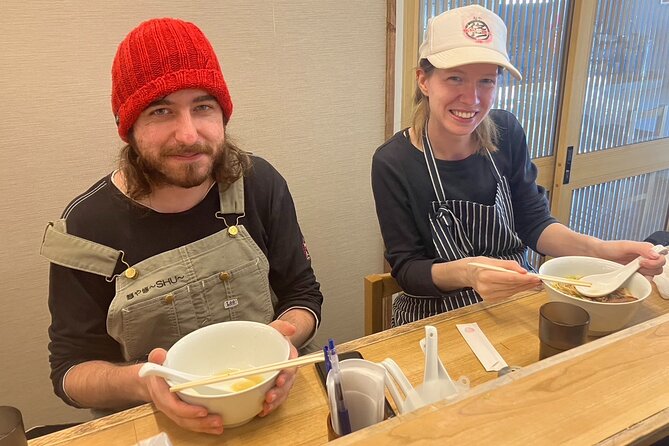
This is a charter-style workshop in a working ramen shop kitchen, so you should treat it like a timed kitchen experience, not a flexible tasting walk.
Two practical points:
- Start-time punctuality is important. If you can’t meet within 15 minutes of the reservation start time, it’s cancelled. Tell them if you’re running late.
- Infants aren’t suitable because boiling uses a gas stove. Small kids around age seven can participate.
If you’re traveling with kids, this is one of the rare food experiences where the chef seems genuinely set up to teach, not just feed. Reviews mention Shu being great with children and creating a comfortable atmosphere.
Who Should Book This Ramen Craftsman Experience?
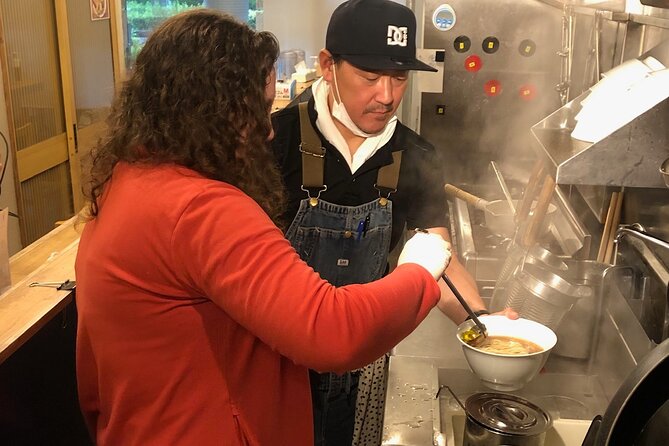
This is a great fit if you:
- love ramen and want to understand what makes different bowls taste different
- want hands-on cooking rather than a sit-and-watch class
- prefer small group experiences where you can actually participate
- enjoy food learning that happens in real local kitchens, not staged demo rooms
It’s less ideal if you want a full ramen-from-scratch workshop. The soup base is prepared in advance because it takes several days. So your learning is focused on live ramen service steps: noodles, hot assembly, and the finishing flow.
If you’re a nervous cook, that’s also fine. Everything needed is provided, and the teaching is step-by-step. Shu and the hosting team are repeatedly described as friendly and welcoming, with clear explanations and good energy.
Should You Book This Ramen Class in Osaka?
If you’re serious about ramen and you want a real chef-led workshop in a small group, book it. The combination of up to four people, ingredient explanations, hands-on noodle and bowl finishing, and a meal you eat immediately after assembly is hard to beat for the price.
I’d especially recommend it if you’re spending time around Tennoji and you want one activity that feels more local than sightseeing. This is a food experience that teaches you how ramen gets made, not just how it tastes on a menu.
Just remember the key tradeoff: it’s not for infants, and it’s more about experiencing the order-making workflow than creating every element from scratch. If that sounds like what you want, this is one of the best ways to spend an hour in Osaka with your hands (and then your chopsticks).
FAQ
What is the duration of the Ramen Craftsman Experience?
The experience is about 1 hour.
How much does the ramen class cost?
The price is $42.94 per person.
How many people are in each class?
The maximum group size is up to 4 travelers.
What ramen options can I choose from?
You can choose from: Chicken white soup ramen, Seafood chicken white soup ramen (clam broth), Chinese soba (soy sauce ramen), or Sea bream dashi salt ramen.
Is lunch included?
Yes. Lunch is included.
Are cooking tools and gear provided?
Yes. Cooking utensils, aprons, and gloves are provided.
Is transportation included?
No private transportation is included.
Is it suitable for small children?
Infants cannot participate because a gas stove is used. Children about age 7 can participate.
What happens if I arrive late?
If you cannot meet within 15 minutes of the reservation start time, the reservation will be cancelled.