REVIEW · OSAKA
Osaka Abeno Harukas 300 Observatory ETicket
Book on Viator →Operated by Royal Smart Tourism · Bookable on Viator
Osaka looks different from 300 meters up. In HARUKAS 300 (floors 58–60 in Abeno Harukas), you get a 360° glass viewing deck plus open-air space, all with Osaka spread out below. It’s the kind of viewpoint that makes planning your day feel instantly worth it.
I really like the mix of experiences: the open-air plaza on the 58th floor with tranquil outdoor gardens, and the chance to enjoy the skyline in both daylight and at night. I also like that there’s more to do up there than just stand and stare—there’s a small museum/exhibits and a restaurant option on the higher floors.
One consideration: the elevator ride can feel slow at busy times, and crowd flow isn’t perfect. If you hate lines, build in a little buffer before your time slot and be ready for a slower-than-expected upload to the top.
In This Review
- Key highlights worth aiming for
- Harukas 300 in Osaka: what 300 meters changes
- From your e-ticket to the admission counter (and why ID matters)
- Floors 58–60: open-air gardens before you lock in the skyline
- The 60th-floor glass deck and the day-to-night strategy
- What to do besides standing still: museum, exhibits, and calm breaks
- Price and value: is $14 worth it?
- Getting there from Tennoji: easiest metro moves
- Who should book this, and who might want to skip
- Quick FAQ
- FAQ
- What is HARUKAS 300 Observatory?
- Which floors are included?
- How long should I plan to spend there?
- Is the admission ticket included in the price?
- Do I need to print anything?
- When will I receive the e-ticket?
- Do I need to exchange my voucher?
- Is food included?
- What do I need to bring to enter?
- What if the weather is bad?
- Should you book HARUKAS 300?
Key highlights worth aiming for

- 360° glass viewing deck (60F): Big panorama views with a clear, enclosed viewing area for Osaka’s skyline.
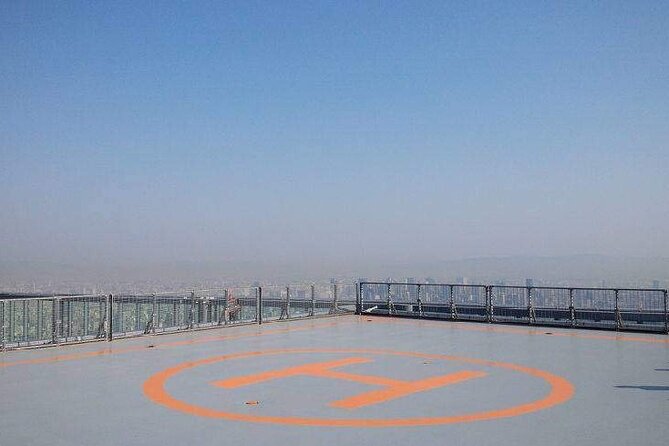
- Open-air plaza and gardens (58F): Fresh air plus calm outdoor space, not just indoor sightseeing.
- Day-to-night timing: You can catch both the sunset look and the night light show with music.
- Sky Garden 300 restaurant on-site: Eat while you’re still in the viewpoint mood.
- Museum and small exhibits: A quiet break that adds context instead of repeating the same view angle.
- E-ticket + voucher exchange: Show your phone, then exchange at the information desk on the building’s 16F.
Harukas 300 in Osaka: what 300 meters changes
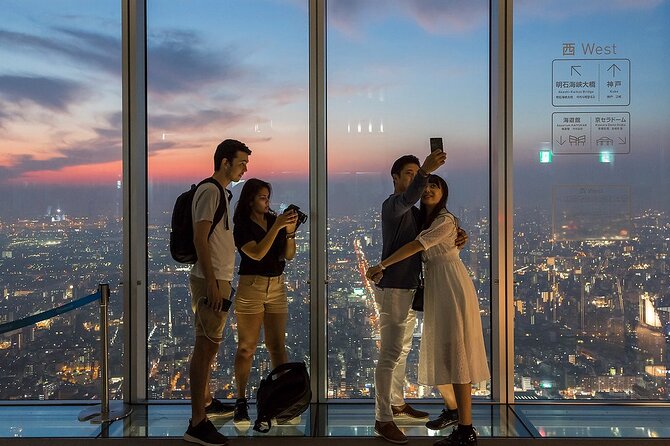
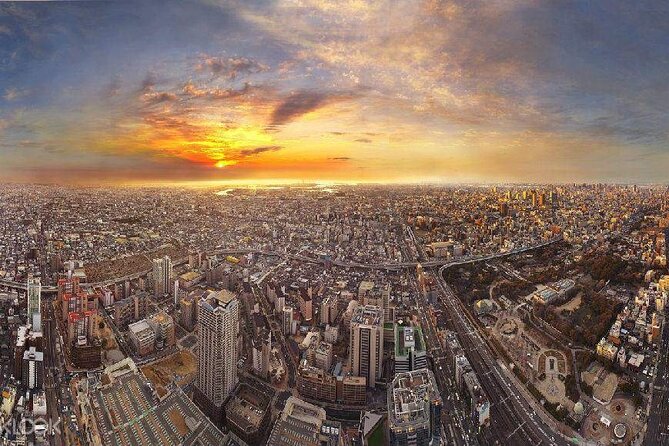
Osaka can look flat and familiar at street level, like you’re just navigating neighborhoods. Up at HARUKAS 300, it flips. Roads become lines, landmarks become reference points, and the whole city starts reading like a map. That’s the main value here: you’re not only seeing Osaka—you’re understanding it from above.
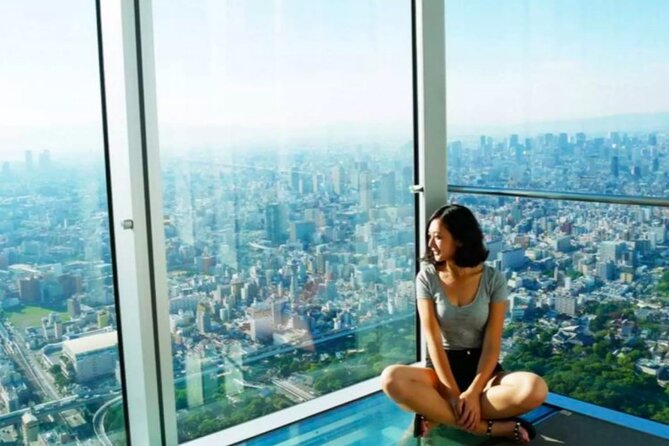
The big draw is the 60th-floor observation deck. You’ll step into a 360° glass enclosed deck setup, which is great if you want easy photo angles without constantly fighting wind or weather. And because the viewing deck sits high above the rest of the building, you also get the feeling that you’re watching Osaka unfold rather than merely looking at it.
What surprised me is how well the layout supports different moods. The 58th-floor open-air plaza gives you a breather with outdoor space and gardens, so you don’t feel locked into glass the whole time. That matters because you’re typically up there for about 1 to 3 hours, and the experience needs variety to stay enjoyable rather than repetitive.
You can also read our reviews of more tours and experiences in Osaka.


From your e-ticket to the admission counter (and why ID matters)
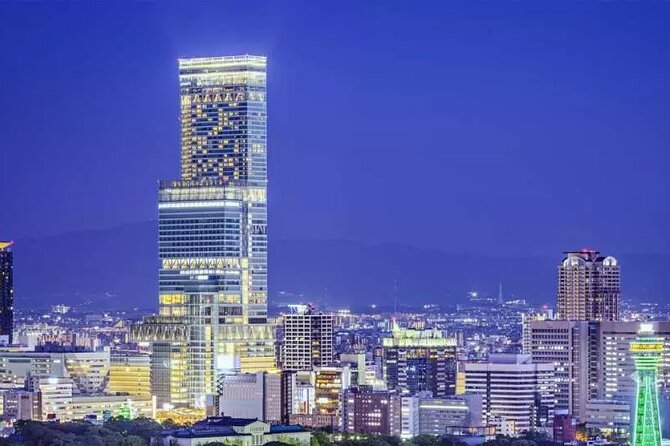
This is one of those experiences that’s easy to buy and simple to use—if you know the steps. You’ll receive your e-ticket by email one day before your selected date. You don’t need to print it. You can show it from your smartphone.
Here’s the key move: you still exchange the mobile voucher for the actual admission ticket at the information desk on 16F of Abeno HARUKAS. So don’t rush straight to the elevator with only your phone—plan two minutes for that desk stop.
Bring a valid photo ID or passport, since identity proof is required at the entrance. It’s the kind of rule that can cause an annoying delay if you forget. Also note: your ticket is valid for the specific date and time you selected, and the identity proof is tied to entry timing.
One more thing that affects your day more than you’d think: no-show rules are strict. If you don’t show up on time, there’s no rescheduling or refund. So when you book, treat the time slot like a real appointment, not a suggestion.
Floors 58–60: open-air gardens before you lock in the skyline
A visit here feels like two stages. First comes the slightly calmer, slower part on the 58th floor, then the big visual payoff at the top.
On the 58th floor, you’ll find an open-air plaza and outdoor gardens. This is where you can pause without turning everything into a photo shoot. It’s also a good place to reset your eyes if you’re coming from crowds or nonstop walking. The outdoor setup makes the space feel less like a museum box and more like a public terrace in the sky.
If you want a food option that stays connected to the view, the Sky Garden 300 Restaurant sits on this level. You can plan around it if you’re hungry, or treat it as a landmark to help you orient yourself as you move upward.
At this stage, you’ll also be surrounded by the wider building world—shops, hotels, restaurants, and places you can explore. That’s useful if you have time before your time slot or want a low-stress plan if the sky isn’t perfect.
The 60th-floor glass deck and the day-to-night strategy
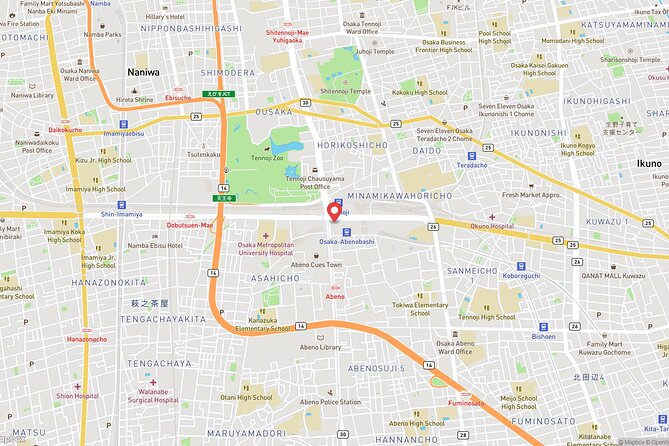
The main event is the 60th-floor observation deck with the 360° glass enclosed deck. Once you step out, Osaka spreads across you—dense blocks, wide roads, and the city’s geometry laid bare. It’s an easy win if you like skyline views but don’t want to commit to a long tour day.
Timing is everything here. If you can, aim for just before sunset. That’s when you can squeeze in two different looks: the clearer, warmer daytime view and then the night transformation. And once it gets dark, there’s a light show with music. That combo is why people keep adding HARUKAS 300 to short Osaka lists: it turns a standard observation stop into a small event.
Also, if weather is iffy, check it ahead of time. The experience is very dependent on visibility, and clear skies make a huge difference for what you can actually see from a height.
One practical tip from real-world patterns: elevator lines can be a slow point. If you arrive at peak time, expect some waiting. Once you’re up there, the view usually makes up for the earlier delay—but you’ll enjoy it more if you don’t feel rushed.
What to do besides standing still: museum, exhibits, and calm breaks
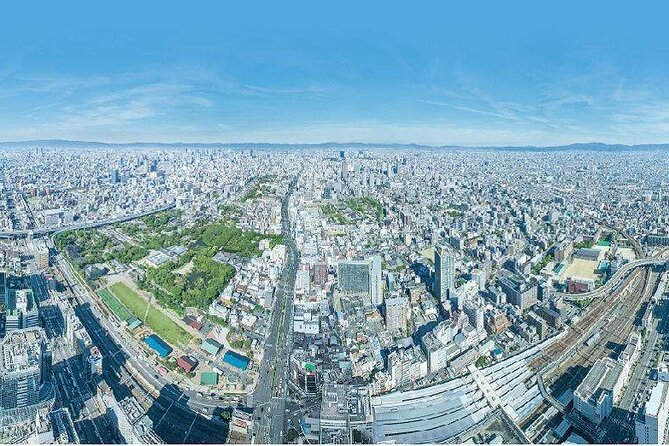
Not everyone wants the same motionless routine at the top. One reason this stop works well is that the upper floors include a small museum and observatory space as well as exhibits. That gives you something to do while you’re up there, especially if you want a break from photos every five seconds.
From the layout, it also helps you manage time. You can spend the “early part” walking through calmer indoor bits, then shift to the outdoor and deck views when the sky looks best. If you’re traveling with someone who gets tired of standing, this variety can save the day.
And don’t underestimate the value of quiet time. The best moments here aren’t always the loud, crowded ones. The outdoor plaza and the slower interior spaces make it easier to step away for a minute, breathe, and then return to the deck when you’re ready.
If you like having options, there’s also a cafe mentioned on the higher levels in firsthand notes. Even if you just grab a drink, it’s a nice way to slow down instead of treating the observation deck like a quick checkbox.


Price and value: is $14 worth it?
At about $14 per person, this isn’t a budget-buster, especially for a 300-meter observation experience in one of Osaka’s most prominent towers. The value comes from two things you typically don’t get together elsewhere:
1) You’re paying for the admission to access HARUKAS 300’s viewing areas.
2) The building gives you enough extras—open-air space, a museum/exhibits, plus places to eat—to stretch that 1 to 3 hours into something more rounded.
It’s not the cheapest thing you can do in Osaka. But compared with paying for multiple separate attractions, you’re essentially buying one ticket that covers a whole vertical neighborhood: deck views, outdoor terrace time, and indoor stops.
Also, consider what’s not included. Food and drinks aren’t included, and transportation isn’t included. That means you’ll likely spend more if you plan to eat upstairs. Still, having restaurant options right there is convenient, and it can keep your day from turning into a logistics puzzle.
If you’re only doing one “big view” stop in Osaka, this is one of the strongest ways to make that count.
Getting there from Tennoji: easiest metro moves
This is near public transportation, so you don’t need a car or complicated transfers. The most straightforward approach is by train to one of these stations:
- Kintetsu Railway to Osaka Abenobashi Station
- JR to Tennoji Station
From there, you’ll reach the Abeno Harukas complex in the Tennoji district. Once you’re there, the experience is very walk-up friendly, because the main entry is tied to the building and the elevator access is part of the structure.
One reason this matters: when you’re going up to a timed ticket experience, the closer you are to the building, the less stressful your arrival becomes.
Who should book this, and who might want to skip
This works well if you:
- Want a high-impact skyline viewpoint without a full day commitment
- Like planning around sunset and night views
- Prefer an experience that’s not just one room and done, because you can spend time in the open-air plaza, deck, and upstairs indoor stops
It might feel less ideal if you:
- Dislike waiting in lines (the elevator queue can be slower at busy moments)
- Want zero weather dependence. Visibility matters, and the experience is better when the sky is clear.
Good news: it’s described as something most travelers can participate in. So it’s rarely a question of whether you can physically do it—it’s more about your tolerance for crowds and timing.
Also, bring your sense of humor: you’re spending money for the city view at height, so it’s worth acting like a photographer even if you mostly just like taking a few photos. You’ll be glad you did when the light show starts.
Quick FAQ
FAQ
What is HARUKAS 300 Observatory?
It’s the observation area inside Abeno HARUKAS in Osaka, located on floors 58 to 60, including an open-air plaza and the 60th-floor glass viewing deck.
Which floors are included?
HARUKAS 300 spans the 58th to 60th floors of Abeno HARUKAS, with the main observation deck on the 60th floor.
How long should I plan to spend there?
Plan for about 1 to 3 hours.
Is the admission ticket included in the price?
Yes. Admission is included, and you only need the ticket for entry to the observation areas.
Do I need to print anything?
No. E-tickets are sent by email, and you can show your ticket from your smartphone.
When will I receive the e-ticket?
You’ll receive the e-ticket by email one day before your selected date.
Do I need to exchange my voucher?
Yes. You present the mobile voucher at the information desk on 16F and exchange it for the admission ticket.
Is food included?
No. Food and drinks are not included.
What do I need to bring to enter?
Bring a valid photo ID or passport, since identity proof is required at the entrance.
What if the weather is bad?
The experience requires good weather. If it’s canceled due to poor weather, you’ll be offered a different date or a full refund.
Should you book HARUKAS 300?
If your Osaka plans have room for one high-impact skyline stop, I’d book HARUKAS 300. The price is reasonable for what you get, and the combination of the open-air 58th floor, the 60th-floor 360° deck, and the sunset-to-night plan makes it feel more like an event than a quick look.
The only real reason to hesitate is timing: if you hate lines or you’re traveling with rigid schedules, pick your entry time carefully and give yourself a little breathing space for the elevator. Otherwise, this is one of the easiest ways to get an organized, photo-friendly view of Osaka without turning your day into a complicated puzzle.