REVIEW · OSAKA
Osaka: LGBTQ+ Life Past and Present
Book on Viator →Operated by Pinpoint Traveler, Inc · Bookable on Viator
Osaka has more LGBTQ+ life than you expect. This evening tour pairs Shinsekai’s older, more secretive roots with Doyama’s modern nightlife, and it does it with an English-speaking guide from the LGBT community. I love how the plan isn’t just sightseeing; it’s conversation-heavy, with context you can actually use when you’re out on your own.
Two more things I like: you get a light meal plus two drinks (one at a local restaurant, one at an LGBT-oriented bar), and transit between the two areas is covered. One consideration: the whole experience is built around nightlife timing, and the minimum age (and legal drinking age) is 20, so it won’t work for younger visitors.
In This Review
- Key highlights you should know
- Osaka’s LGBTQ+ life past and present, in two neighborhoods
- Price that includes real evening costs (not just a “walking tour” fee)
- 6:30 pm flow: meeting point, timing, and how the night moves
- Stop 1: Shinsekai—beyond neon snacks and into secret spaces
- Stop 2: Doyamacho—modern gay culture and a drink in the mix
- Why the English-speaking LGBT guide makes the evening work
- Drinks, dinner, and how to make it fit your comfort level
- Practical tips for a smooth night out in Osaka
- Who this tour suits best (and who might skip it)
- Should you book Osaka: LGBTQ+ Life Past and Present?
- FAQ
- What’s the duration of the Osaka LGBTQ+ Life Past and Present tour?
- Where does the tour start and where does it end?
- What time does the tour begin?
- How much does it cost?
- What’s included in the price?
- What are the age requirements?
- Is cancellation free?
- Written for real travel planning
Key highlights you should know
- Shinsekai then Doyama: two neighborhoods, two different eras and vibes
- English-speaking LGBT community guidance: you get explanations, not just directions
- All-in value at night: light dinner, 2 drinks, and transit are included
- An entry ticket in Shinsekai: you’ll have a paid component at the first stop
- Kevin is a standout guide name: praised for making it feel like friends walking together
- A guided drink at an LGBT-oriented bar: you’re not left guessing what to order or where to go
Osaka’s LGBTQ+ life past and present, in two neighborhoods
If you only think of LGBTQ+ life in Japan as a Tokyo story, Osaka can surprise you fast. This tour is designed specifically to correct that idea by taking you beyond one district and showing you how LGBTQ+ culture can look totally different block by block.
The basic rhythm is simple: you start in Shinsekai in the south, then head north by train to Doyamacho. What makes it interesting is that the tour frames those places as two chapters. Shinsekai is often associated with loud food spots and neon sights, but the tour focuses on what lived behind the flash—stories of how gay men navigated private life when public visibility wasn’t the default. Then Doyama shifts the mood into something newer and openly social, where people go out, meet friends, and spend time together without constantly hiding the point.
You’ll also feel the difference in how the guide talks about each area. In Shinsekai, the tone is more historical and reflective. In Doyama, it turns practical and social—think where to go, how to spot the scene, and how to feel comfortable joining it.
You can also read our reviews of more tours and experiences in Osaka
Price that includes real evening costs (not just a “walking tour” fee)
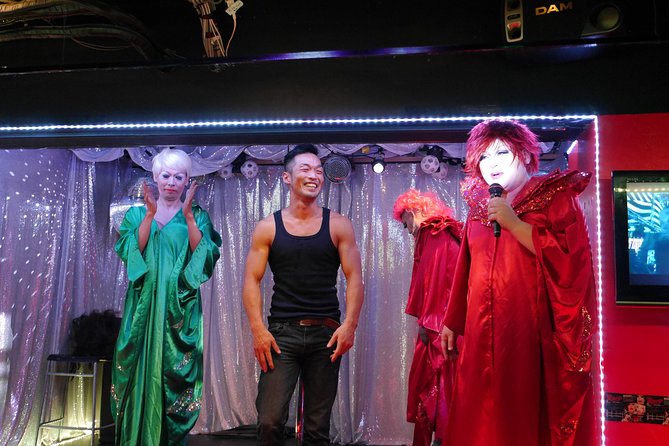
At $96.79 per person, this is priced like an experience, not like a barebones tour. The good part is what’s bundled: a light dinner, two drinks across the evening, and transit cost between the two LGBTQ+ hubs.
That matters because the biggest hidden expense in nightlife tours is usually getting yourself around—plus paying for your first meal and your first bar drink. Here, you don’t need to do mental math at every step. You can focus on the evening and get your bearings in both neighborhoods, guided by someone who knows the terrain and the culture.
A small nuance: the dinner drink can be alcoholic or non-alcoholic, but the second included drink is described as an alcoholic beverage. If you prefer non-alcoholic options the whole time, it’s worth checking when you book so you’re not stuck deciding late.
6:30 pm flow: meeting point, timing, and how the night moves
You meet at Dobutsuen-Mae Station (in Nishinari Ward) at 6:30 pm, and the tour ends in Doyamacho (Kita Ward). The timing is ideal if you want to experience Osaka’s night energy without burning your whole evening.
The tour runs about 3 hours, with about 2 hours in Shinsekai and 1 hour in Doyamacho. That structure is deliberate. It gives you time to absorb the Shinsekai context—especially the stories about how gay life was organized in earlier eras—before switching to a shorter, more active block of bar-hopping-style orientation in Doyama.
You’ll also appreciate that the start location is walkable from major stations like Osaka Station (JR) and Umeda (Hankyu and subway lines). That makes it easier to combine with dinner plans earlier in the day, even if you’re staying farther out.
Stop 1: Shinsekai—beyond neon snacks and into secret spaces
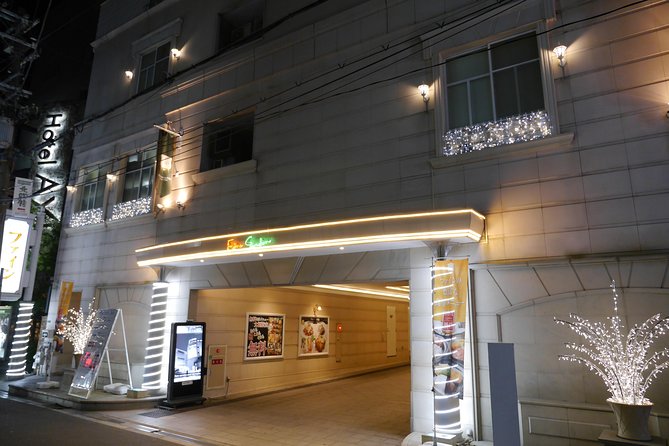
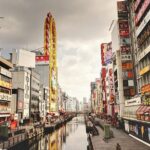
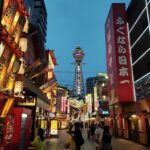
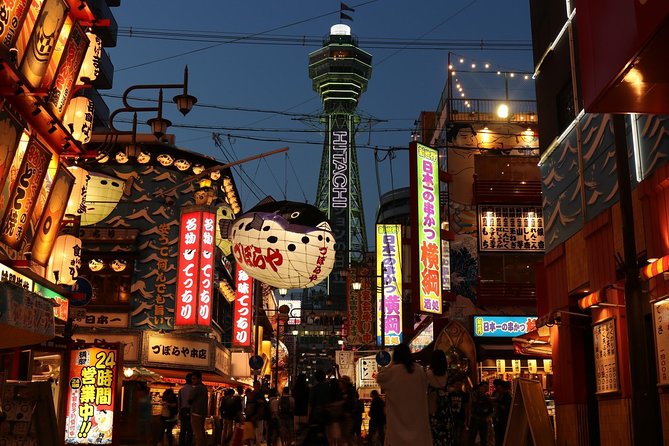
Shinsekai is where many visitors first go for Osaka’s food and loud visuals. You’d be forgiven for assuming it’s only that. This stop changes the lens.
The tour frames Shinsekai as a place with layers. It points to older LGBTQ+ life where gay men often handled their public and private identities separately. The guide talks about a time when many gay men dutifully married women, had children through the life they were expected to live, and then kept their real romantic and sexual life in secret membership bars and gay saunas. The idea is not that this was simple or easy, but that it was organized—hidden networks that helped people find each other.
What I like about this approach is that it doesn’t reduce the story to sadness. The tour also acknowledges that some people today still carry that tension: one foot out, one foot in, navigating visibility in a modern city. You’re learning how a neighborhood can hold more than one truth at once.
In practical terms, this is also where the tour includes an admission ticket. While the exact attraction details aren’t spelled out here, you should assume the first stop is more than just passing storefronts. You’ll likely get a specific entry component that supports the themes you’re being taught.
Potential drawback here: Shinsekai is a big nightlife-food area, so it can feel crowded and noisy. If you’re sensitive to noise, go in with the mindset that this stop is lively—and the meaning is in what you learn as you walk through it.
Stop 2: Doyamacho—modern gay culture and a drink in the mix
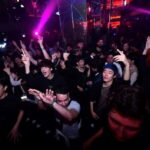
A short train ride later, the evening switches gears in a way that feels intentional. Doyamacho is described as modern gay culture in Japan: not hidden, not performative, just social. The vibe is aimed at youth energy and the people who support them, with a sense of community that shows up in bars and dance venues.
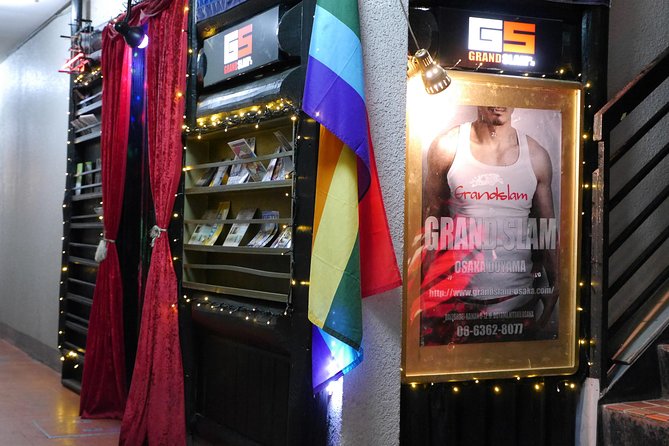
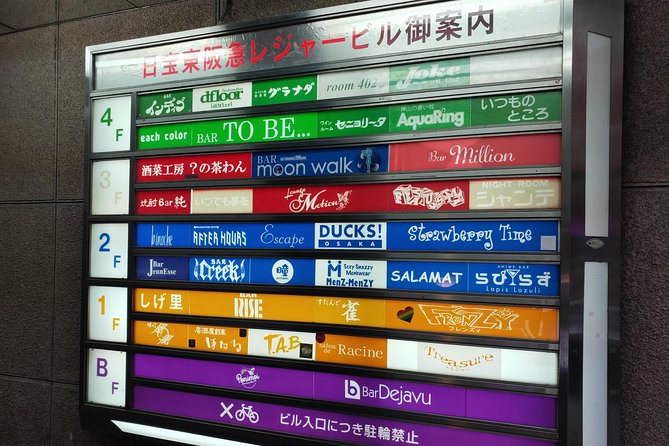
This part of the tour is also built around volume—there are said to be over a hundred bars and other venues in the area, ranging from tiny spots to full clubs. That can sound overwhelming on your own. With a guide, it becomes manageable. You get a “what to look for” orientation, so you don’t waste your first night in Doyama guessing what each place is like.
The tour includes a bar drink at an LGBT-oriented venue after you’ve had a walkabout. That included drink is one of the best parts for first-time visitors because it buys you an entry point. You’re not standing outside with a blank face wondering if you should go in. The guide helps you with context and makes the group feel welcome in the social flow.
The second stop is 1 hour, and the tour ends in Doyamacho. That’s perfect if you want to continue on your own afterward. The guide’s direction at the end is meant to help you choose the next stop without feeling lost.

Why the English-speaking LGBT guide makes the evening work
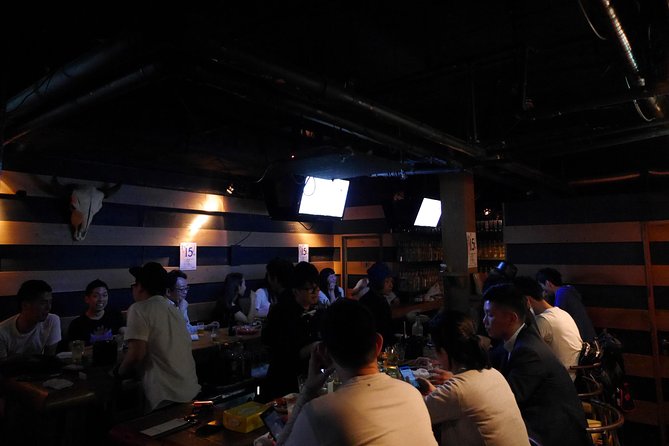
A walking tour can still feel awkward if the guide can’t translate the culture behind what you’re seeing. This one leans hard into guidance from the LGBT community, led in English.
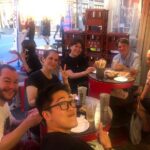
In the past accounts of this experience, the name Kevin comes up as a guide who makes the night feel relaxed and friend-like. People appreciated that he didn’t run it like a stiff lecture. The tone was described as impassioned and fun, with lots of real context and answers on the spot.
Another praise point that matters for you as a visitor: navigating Osaka isn’t always straightforward. Stations have many exits, and street routes can vary by a few turns. One account highlights that Kevin actually came to find someone who didn’t know the exits well. That kind of practical help is worth its weight when you’re trying to start the evening on time and keep your confidence.
If you enjoy nightlife but also want language and context, this is the kind of tour where that combo makes everything smoother.
Drinks, dinner, and how to make it fit your comfort level
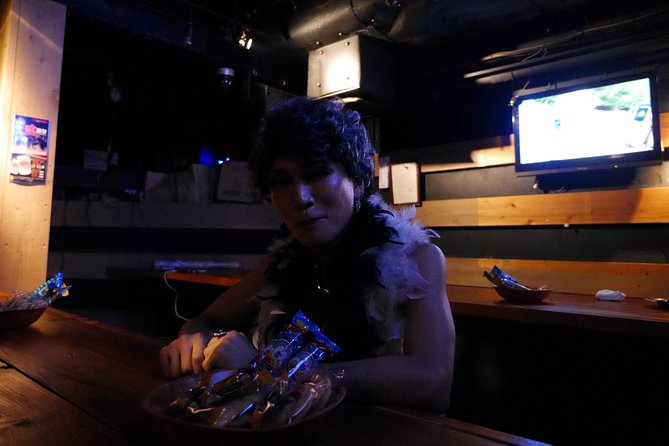
The tour is all-inclusive for the scheduled items. You’ll have a light dinner at a local restaurant, plus a drink with it (alcoholic or non-alcoholic). Then you’ll have one more included drink at an LGBT-oriented bar in Doyama.
Here’s how to think about it so it matches your comfort level:
- If you want to stay social without getting too buzzed, you can aim for the non-alcoholic option at dinner (since it’s explicitly offered).
- If you’re unsure about the second drink, confirm whether non-alcoholic substitutions are possible. The plan calls it an alcoholic beverage, but policies can vary, and it’s better to ask up front than decide at the bar.
- Because the tour ends after a short Doyama stop, pacing matters. Save a bit of energy for whatever you do next after the tour.
Practical tips for a smooth night out in Osaka
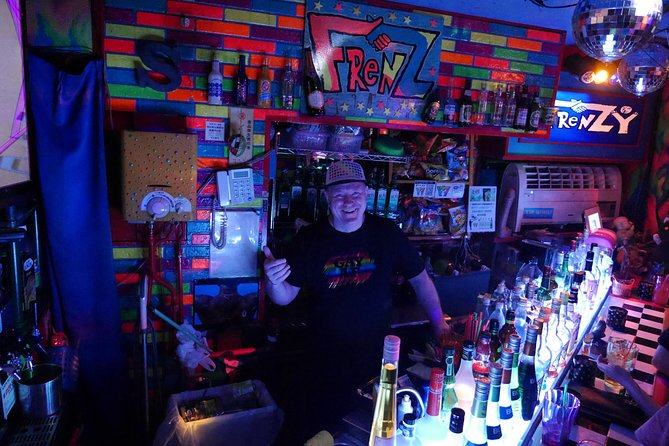
This is a nightlife-centered tour, so a few practical things will make it feel easy instead of stressful.
Wear comfortable shoes. Shinsekai and Doyama are the kind of areas where you’ll want to keep moving, and you’ll likely be walking around more than you expect.
Bring a flexible mindset. Part of the value is the mix of themes: secretive past, modern visibility, and how identity shows up in places. That can mean you’ll hear heavier stories before the mood lightens again.
Keep your phone charged. You’ll get mobile ticket access, and you may use your map later to continue exploring in Doyama after the tour ends.
Also remember the age rule: minimum age is 20, and Japan’s legal drinking age is 20. If you’re close to that limit, double-check your ID requirements when you arrive.
Who this tour suits best (and who might skip it)
This tour fits best if you want a guided introduction to LGBTQ+ life in Osaka that’s more than a quick photo stop.
You’ll like it most if:
- you want past + present in the same evening
- you prefer to meet someone who can explain the scene in plain English
- you’re going out later anyway and want dinner and drinks handled
- you’d rather start with guidance than wander Doyama confused by the sheer number of bar options
You might consider skipping if:
- you want an all-day daytime sightseeing plan
- you dislike nightlife noise and bar settings
- you’re not comfortable with alcohol-oriented environments (even though the dinner drink can be non-alcoholic)
Should you book Osaka: LGBTQ+ Life Past and Present?
I’d book this if you’re coming to Osaka expecting Tokyo-level LGBTQ+ visibility—and you want a more accurate picture. The structure makes sense: spend time learning how Shinsekai’s older, secretive gay life shaped networks, then switch to Doyama where modern social culture is easier to access.
It’s also a solid value play. The price covers dinner, two drinks, and transit, plus an English-speaking guide tied to the LGBT community. That combo is hard to replicate on your own without either spending more or going in blind.
If you do decide to book, go with a simple plan: treat it as your first orientation in Osaka’s LGBTQ+ scene. After the tour ends in Doyamacho, you’ll have enough context to choose where to go next with confidence.
FAQ
What’s the duration of the Osaka LGBTQ+ Life Past and Present tour?
It runs about 3 hours total, with roughly 2 hours in Shinsekai and about 1 hour in Doyamacho.
Where does the tour start and where does it end?
You start at Dobutsuen-Mae Station and end in Doyamacho (Kita Ward, Osaka).
What time does the tour begin?
The start time is 6:30 pm.
How much does it cost?
The price is $96.79 per person.
What’s included in the price?
Included are a light dinner, 2 drinks (one with dinner and one at an LGBT-oriented bar), and transit cost between the two areas. The guide’s English-speaking services are also included.
What are the age requirements?
The minimum age is 20, which matches Japan’s legal drinking age.
Is cancellation free?
Yes. You can cancel for a full refund up to 24 hours before the experience start time.
Written for real travel planning
If you’re trying to understand LGBTQ+ life in Osaka with less guesswork and more context, this is a strong way to start your night. It doesn’t ask you to guess. It gives you a path through two neighborhoods—past and present—and then hands you back the city with fewer blind corners.