REVIEW · OSAKA
Osaka: Local Foodie Tour in Dotonbori and Shinsekai
Book on GetYourGuide →Operated by MagicalTrip · Bookable on GetYourGuide
Osaka night eats hit different with a guide. This 3-hour Osaka Foodie Tour pairs classic Shinsekai retro scenes with the real taste of Dotonbori, so you get both flavor and local context without wandering in circles. I love that the stops are planned around what’s actually local to Osaka, and I also love how the guide keeps the pace friendly while you sample multiple specialties.
One important consideration: this tour is not for vegans and it can’t accommodate gluten-free needs. If you’re vegetarian, you can request that option, but at the kushikatsu stop dashi (pork broth) is still used—so tell them in advance if that affects you.
In This Review
- Quick hits
- Meeting point outside Dobutsuen-mae Station
- Shinsekai at street level: retro alleys and Tsutenkaku’s shadow
- Kushikatsu stop: 6 pieces of crispy comfort
- The 1.2-meter alley and a temple pause before Dotonbori
- Dotonbori: Japan’s kitchen story, then okonomiyaki and takoyaki
- Food and drinks included: what you’re really paying for
- The tour pace: eating well without feeling stuffed too early
- Guides you might meet: Mich, Yuma, Tea, Taku, and more
- Small groups and private options: why it changes the experience
- Practical logistics you should plan for
- Who this tour fits best (and who should skip it)
- Should you book Osaka: Local Foodie Tour in Dotonbori and Shinsekai?
- FAQ
- What is the duration of the Osaka food tour?
- Where do I meet the tour guide?
- What foods are included in the price?
- Are drinks included?
- Is transportation between Shinsekai and Dotonbori included?
- Does the tour offer vegetarian options?
- Can this tour accommodate vegan diets or gluten-free needs?
- If I’m vegetarian, is dashi included?
- What if I have allergies?
- What happens if I arrive late?
Quick hits
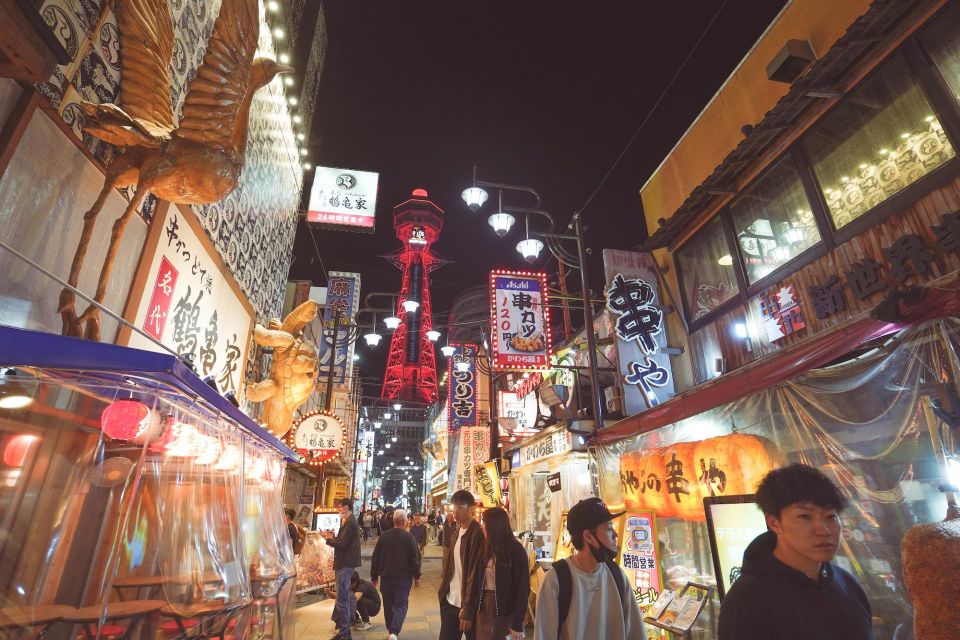
- Shinsekai first: Jan-Jan Yokocho alley, Billiken, and Tsutenkaku Tower set the retro tone
- Crispy kushikatsu: you get 6 pieces, right in the neighborhood
- A 1.2-meter museum-like alley: narrow walls, old-photo energy, and history you can feel
- Temple stop between neon: a quiet reset before you hit Dotonbori
- Okonomiyaki and takoyaki in Dotonbori: a proper Osaka “nation’s kitchen” finale
- Small-group vibe is common: people describe it as fun, relaxed, and laughter-heavy
Meeting point outside Dobutsuen-mae Station
You’ll meet in a very easy-to-find spot: in front of FamilyMart Sanno Dobutsuen-mae, right outside Exit 1 of Dobutsuen-mae Station. Your guide will be holding a sign saying MagicalTrip.
Why I like this start: it’s grounded in public transit. You don’t need a complicated rendezvous or a scavenger hunt with screenshots. Also, the tour is designed to run on schedule, so show up a bit early and you’ll feel the day stay calm instead of rushed.
You can also read our reviews of more tours and experiences in Osaka
Shinsekai at street level: retro alleys and Tsutenkaku’s shadow
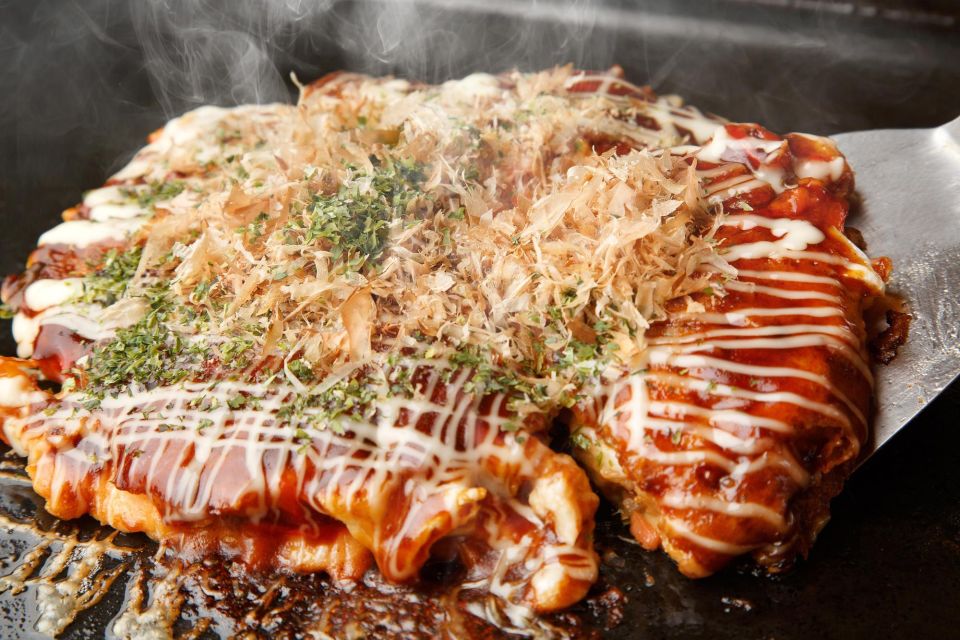
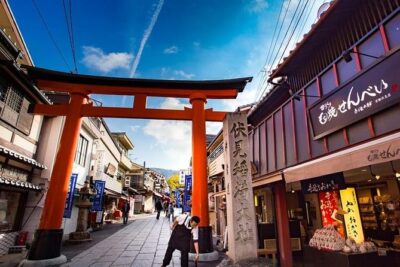
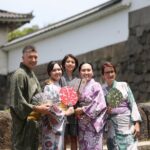
From the moment you walk into Shinsekai, you’re stepping into an older Osaka vibe—one that’s about character, not just photo spots. You’ll pass Jan-Jan Yokocho alley, check out the Billiken statue, and notice the nostalgic shuttered arcades that make the whole area feel like it’s paused in time. And overhead, Tsutenkaku Tower keeps watch as you move from lane to lane.
What makes this part worth your attention is the mix of old and lived-in. This isn’t a museum-only district. It’s a neighborhood where people still snack, stroll, and hang out. Your guide also explains how to read the area as you go, including the etiquette and cultural context that turns what could be random wandering into an Osaka story you understand.
A heads-up: the tour description leans into the idea of escaping crowds by choosing walking routes and stops where you can actually enjoy the food. In practice, that usually means you’re moving with purpose, not stopping to fight for space.
Kushikatsu stop: 6 pieces of crispy comfort
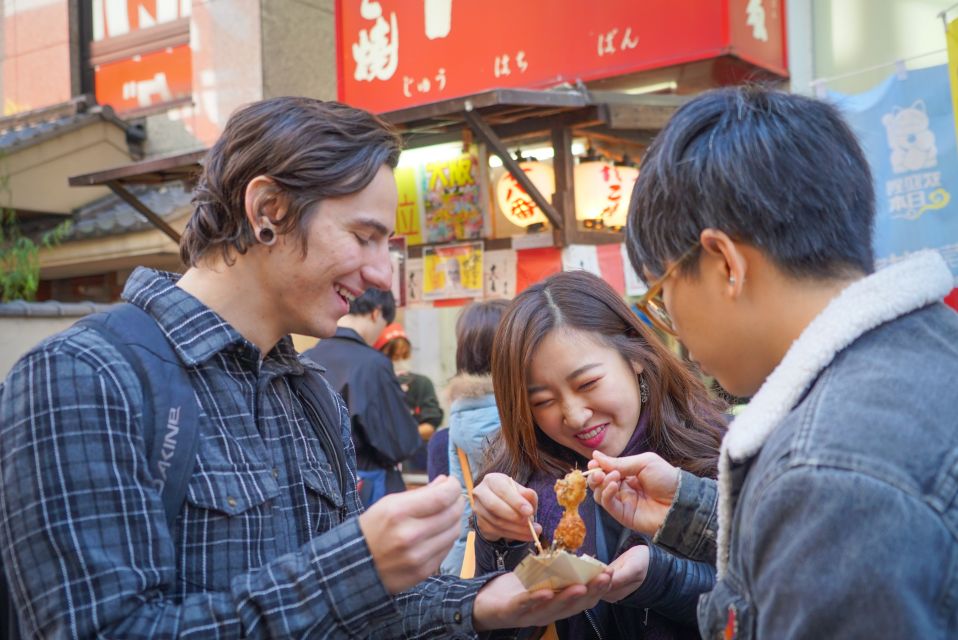
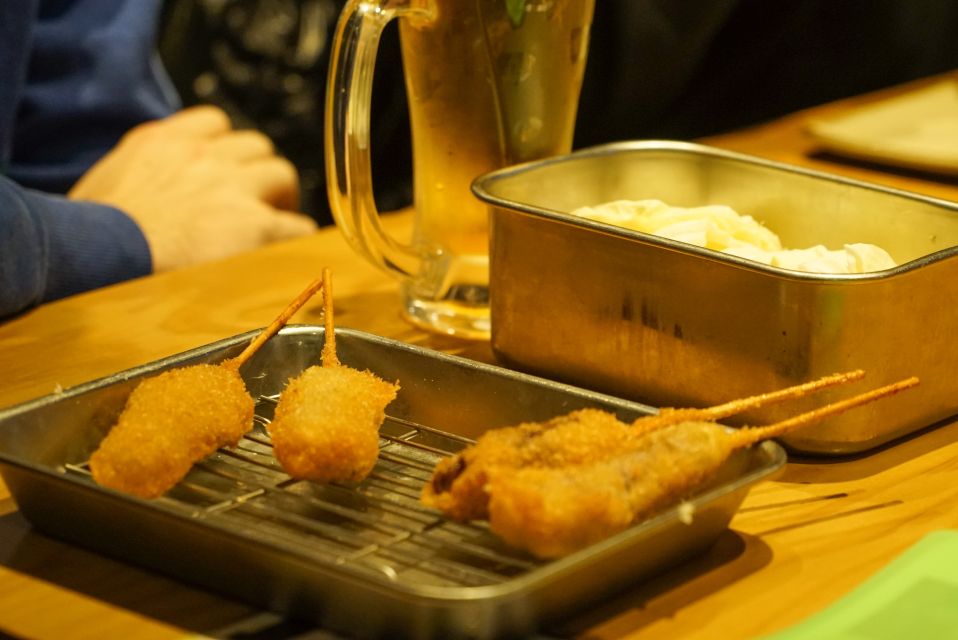
Next comes the star snack: kushikatsu, deep-fried skewers. You’ll get 6 pieces here, and you’ll be eating them in the heart of Shinsekai rather than as a distant, generic set menu.
This is one of the best value moments in the tour, because it’s the kind of food that can be easy to mess up if you order blindly. Having a guide helps with what to eat and how much to pace it—especially since you’ll keep eating later in Dotonbori.
Diet note that matters: the vegetarian option still involves dashi (pork broth) at the kushikatsu spot. If you don’t eat pork products or broths, you’ll want to tell them at least one day ahead so they can prepare other vegetarian dishes.
The 1.2-meter alley and a temple pause before Dotonbori
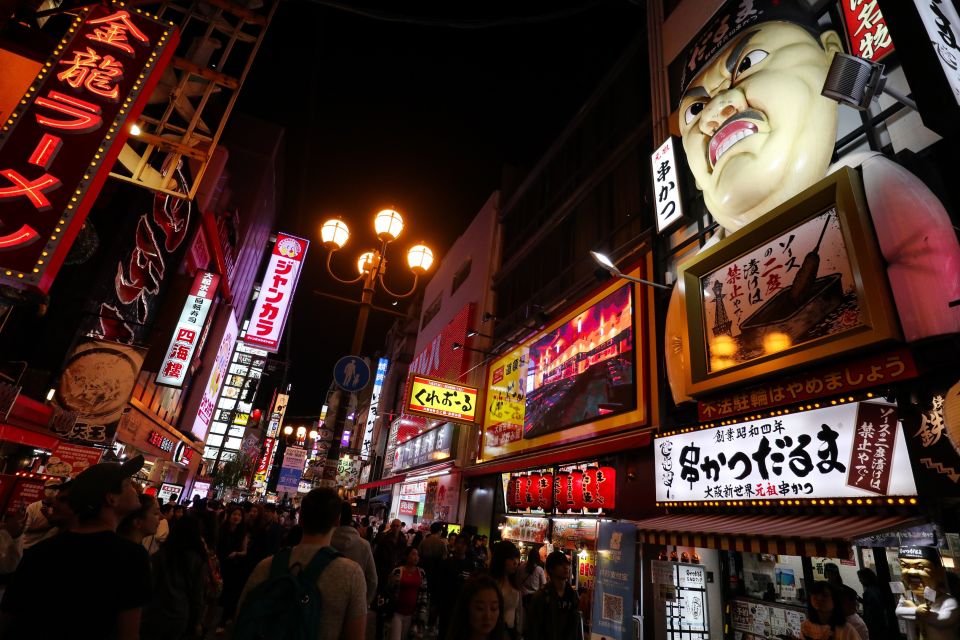
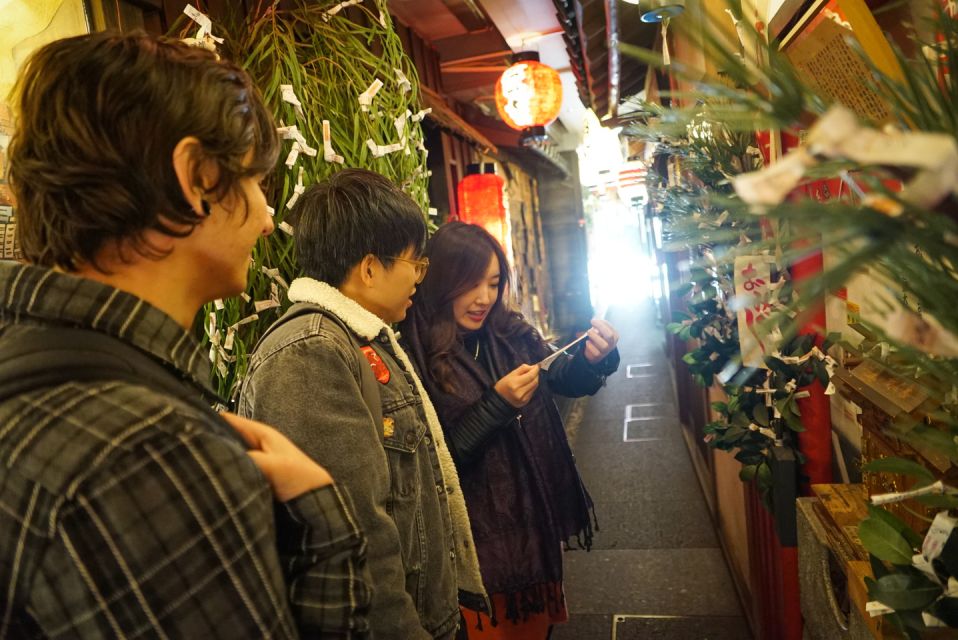
After you’ve had your first big hit of fried goodness, the tour shifts gears into something surprisingly thoughtful. You’ll walk through a narrow, 1.2-meter-wide alley that feels “museum-like,” with old artwork covering the walls. It’s the kind of place where your brain finally slows down and you notice how much history can fit into a tiny corridor.
Right after that, you’ll step into a quaint temple tucked between Namba’s neon and the shopping action. This temple stop functions like a reset button: it breaks up the sensory overload and gives you a moment to absorb Osaka beyond food.
What’s useful here is the rhythm. You’re not just bouncing between restaurants. You get a small piece of spiritual and historical context, then you head back into the neon food energy of Dotonbori.
Dotonbori: Japan’s kitchen story, then okonomiyaki and takoyaki
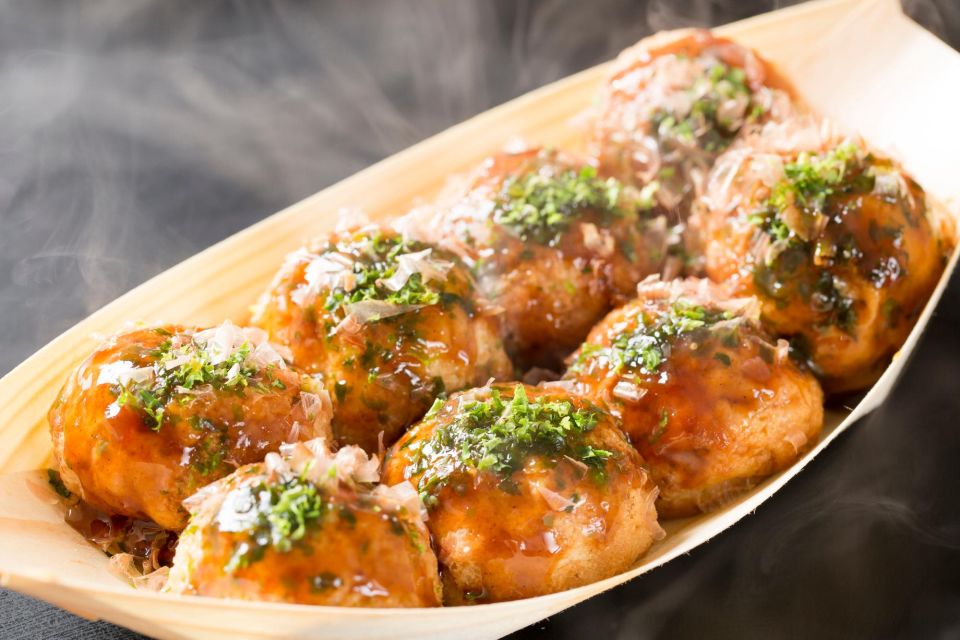
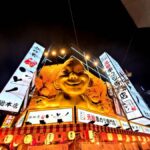
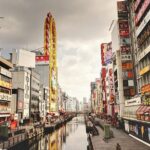
Dotonbori is why people come to Osaka in the first place. The area has a long reputation tied to trade and food culture—during the Edo period it grew as a key center for the rice trade, which is why it’s often described as the nation’s kitchen. Today, it stays lively, loud, and delicious, and your guide takes you through it like you’re in on the shortcut.
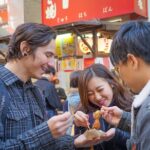
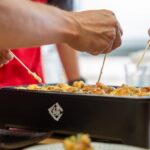
You’ll eat an okonomiyaki portion (you get 1 piece included), and the tour ends with takoyaki—served as a box of takoyaki included. Many guests especially liked the hands-on element of cooking their okonomiyaki at the table, so if you see a setup for that, don’t be shy. It’s part of the fun and it also makes the meal feel more personal.
Also, you’re not only following a route. You’re getting recommendations for spots around the places you visit, so even after the tour ends, you’ll know where to go for a second round.
Food and drinks included: what you’re really paying for
Let’s talk value, because $108 sounds like a lot until you list what you actually get. This tour includes:
- 6 pieces of kushikatsu
- 1 piece of okonomiyaki
- A box of takoyaki
- 3 drinks (alcohol and non-alcohol available)
That’s a lot of food for a 3-hour walk, and it’s precisely why I’d consider this tour more than a “light snack tour.” It’s structured like a meal that happens in stages, across two iconic neighborhoods.
One extra cost to plan for: transportation between Shinsekai and Dotonbori is ¥190 and isn’t included. It’s not huge, but budgeting matters so the total doesn’t surprise you.
The tour pace: eating well without feeling stuffed too early
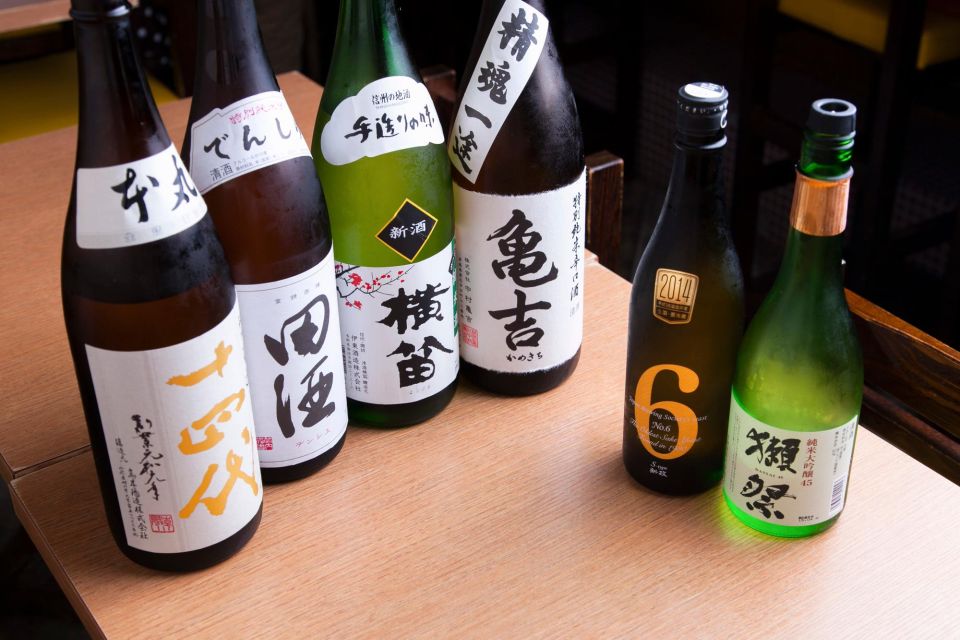
The pacing is one of the things people consistently mention in their feedback. You’re walking between areas, then stopping to eat, then walking again—so your legs stay awake and your stomach has time to catch up.
You’ll be in motion through the night energy of Shinsekai and Dotonbori, with a guide who manages the timing so you don’t spend 10 minutes deciding what to do next. In small-group situations, that also means you get more attention and easier photo breaks.
I also like that the tour includes drinks. Food is one thing, but Osaka food culture is also about pairing flavors and keeping the whole experience social. If you prefer non-alcoholic drinks, that’s part of the included option set.
Guides you might meet: Mich, Yuma, Tea, Taku, and more
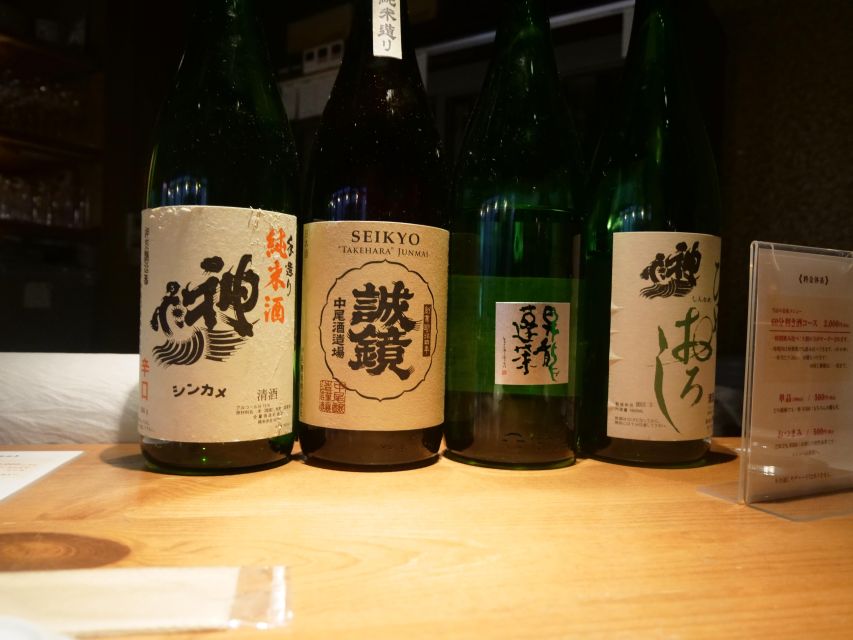
A big reason this tour earns a 4.7 rating is the guide factor. Guests mention names like Mich, Yuma, and Tea, and also highlight guides such as Taku for keeping families comfortable and moving at a great pace. People also talk about guides being fun and attentive, with enough local context to turn food choices into mini lessons about Osaka.
You may also see names like Yoshi, Eri, Nick, and Peco showing up in the guides’ mix. Different personalities, same goal: get you eating, walking, and understanding what you’re seeing.
If you’re the type who loves asking questions, this tour tends to be a good match. People describe the guides as supportive when explaining etiquette around temples and how to navigate Osaka through the tour walk.
Small groups and private options: why it changes the experience
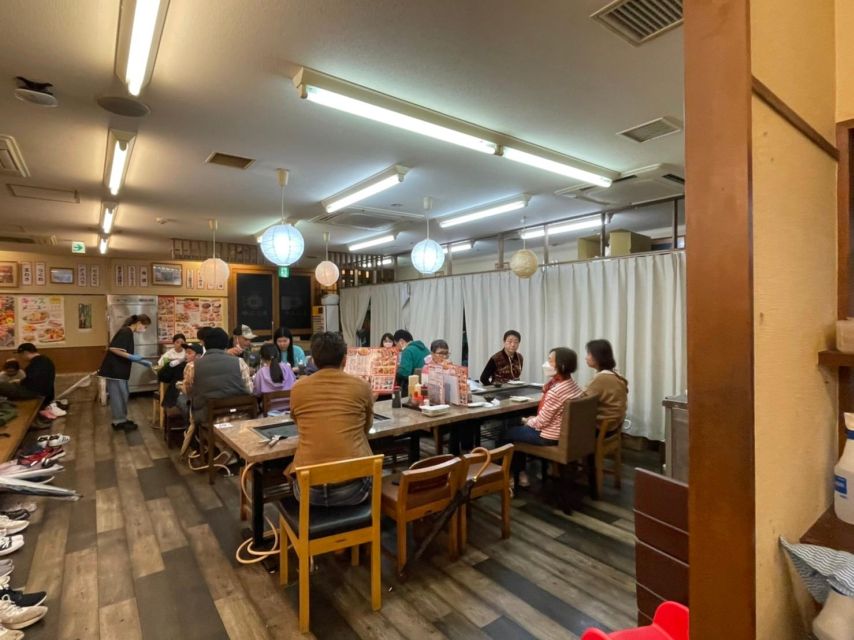
This tour offers private or small groups. In the stories I read, that made a difference. When the group is just a few people, you tend to get more breathing room, more conversation, and fewer “wait your turn” moments at the tables.
It’s also just easier to enjoy the food. Kushikatsu, okonomiyaki, and takoyaki all reward you when you’re relaxed enough to pay attention to texture and flavor. A calmer table pace means you’re actually tasting, not rushing through a checklist.
Practical logistics you should plan for
The tour starts on time. If you arrive late and miss the group, you won’t be able to join later, and there’s no refund or reschedule if you fall behind the start.
Also plan for what you’re eating. This is not the tour for timid snacking. Come hungry, pace yourself, and remember that you’ll have multiple stops and multiple included dishes.
Finally, dietary limits are strict. Gluten free and vegan can’t be accommodated. Vegetarian options exist, but with the kushikatsu dashi detail. If you have allergies, you must inform them at least one day ahead, and even then the tour can’t guarantee allergy-free meals because the food is prepared in kitchens not operated by the tour.
Who this tour fits best (and who should skip it)
This is a great pick if you want classic Osaka street food with less friction. It’s especially well-suited for:
- First-timers who want to learn how neighborhoods work fast
- Food lovers who want a structured plan without hunting for restaurants
- Travelers who enjoy history and culture mixed in with eating
- Families and groups that want a guided night out (people described it as comfortable and fun)
Skip it if:
- You need gluten-free meals
- You’re vegan
- You can’t do dashi (pork broth) and can’t communicate that in advance
Should you book Osaka: Local Foodie Tour in Dotonbori and Shinsekai?
Book it if you want an efficient, guided way to experience Osaka’s two most famous food districts in just 3 hours. The included set of kushikatsu + okonomiyaki + takoyaki plus drinks is the big win, especially when you add the value of having a guide connect the food to the places—Shinsekai’s retro streets, that tiny 1.2-meter alley, then Dotonbori’s “nation’s kitchen” energy.
Don’t book it if your dietary needs are strict (gluten-free, vegan) or if you might ignore the dashi detail and hope for the best. In that case, you’ll have a better time choosing a tour designed for your restrictions.
If you’re flexible and you’ll come hungry, this is one of those Osaka tours that makes your night feel organized and delicious at the same time.
FAQ
What is the duration of the Osaka food tour?
The tour lasts 3 hours.
Where do I meet the tour guide?
Meet in front of FamilyMart Sanno Dobutsuen-mae, right outside Exit 1 of Dobutsuen-mae Station. The guide will be holding a sign saying MagicalTrip.
What foods are included in the price?
You get 6 pieces of kushikatsu, 1 piece of okonomiyaki, and a box of takoyaki.
Are drinks included?
Yes. Three drinks are included, with alcohol and non-alcohol options available.
Is transportation between Shinsekai and Dotonbori included?
No. The transportation fee from Shinsekai to Dotonbori is ¥190.
Does the tour offer vegetarian options?
Yes, a vegetarian option is available, but you must choose it upon booking or request it in advance. Requests made on the tour day can’t be accommodated.
Can this tour accommodate vegan diets or gluten-free needs?
No. Gluten free and Vegan cannot be accommodated on this tour.
If I’m vegetarian, is dashi included?
At the kushikatsu spot, dashi (pork broth) is still used even in the vegetarian kushikatsu. You should inform the provider in advance if you cannot consume dashi.
What if I have allergies?
You should inform the provider at least one day before the tour about allergies or dietary requests. The tour cannot guarantee allergy-free meals or substitutions because food is prepared in kitchens not operated by them.
What happens if I arrive late?
The tour starts on time. If you arrive late and miss the group, you won’t be able to join, receive a refund, or reschedule.