REVIEW · OSAKA
Osaka Local Foodie Walking Tour in Dotonbori and Shinsekai
Book on Viator →Operated by MagicalTrip Inc. · Bookable on Viator
Osaka has two faces, and this walk shows both fast. You’ll eat your way from Shinsekai up to neon-bright Dotonbori, with temple stops, alleyway wandering, and the kind of food order that feels like someone’s actually taking care of you.
What I like most is the lineup of Osaka classics—kushikatsu, takoyaki, and okonomiyaki—served in a route that makes sense geographically, not just as a list of restaurants. The other big win is the small-group feel: you get personal attention instead of getting shoved along like a human Roomba.
One heads-up: this is a walking tour, and the pace can be quick. Also, if you need gluten-free or vegan, this specific tour can’t accommodate that, so you’ll want to pick a different option.
In This Review
- Key highlights to look for
- Osaka’s Shinsekai-to-Dotonbori route in plain English
- Meeting point and walking reality: shoes, timing, and group size
- Stop 1: Tsutenkaku and Jan-Jan Yokocho kushikatsu
- Stop 2: Shinsaibashi-suji stretch for old-Osaka street flavor
- Stop 3: Dōgu-ya-suji and the Dotonbori souvenir street rhythm
- Stop 4 and 5: Hozen-ji Temple, Ukiyo Alley snacks, then the Glico sign
- Stop 6: Sennichimae Doguyasuji and your okonomiyaki finish
- What the $111.42 price really buys (and how to judge the value)
- Diet rules, allergies, and climate: the stuff that matters
- Guides make the experience, and some names stand out
- Who should book this Osaka foodie walking tour
- Should you book this Osaka Local Foodie Walking Tour?
- FAQ
- How long is the Osaka Local Foodie Walking Tour?
- Where do you meet and where do you end?
- What food is included?
- Are drinks included?
- Is the tour suitable for vegetarians?
- Can this tour accommodate gluten-free or vegan diets?
- What should I know about allergies?
- Is transportation included in the price?
- Is there free cancellation?
Key highlights to look for
- Tsutenkaku + Jan-Jan Yokocho: start under Osaka’s most recognizable tower with crisp kushikatsu
- Dōgu-ya-suji shopping streets: knife-shop browsing (like Hōchō-ya) fits the food-and-culture story
- Hozen-ji Temple and Ukiyo Alley: snack time paired with a proper temple stroll
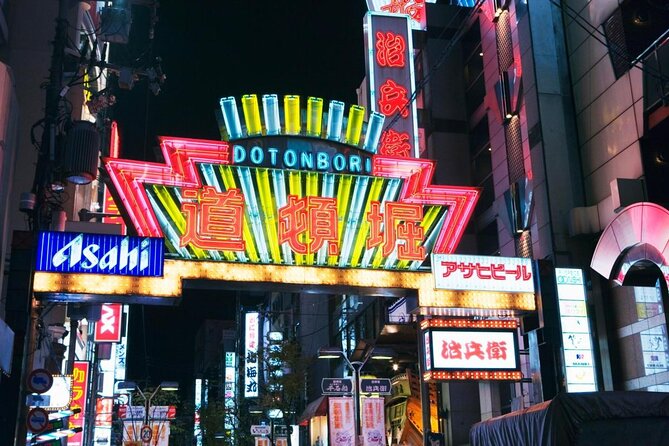
- Glico sign photo stop: you’ll get the classic Dotonbori picture moment without hunting it down alone
- Sennichimae Doguyasuji okonomiyaki: a satisfying finish with a local favorite and included drinks
Osaka’s Shinsekai-to-Dotonbori route in plain English
This tour is built for one simple goal: tasting the foods Osaka is known for, while walking between two neighborhoods with totally different vibes.
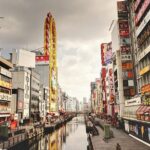
Shinsekai is old-school Osaka attitude—tighter streets, loud signs, and that “this place has been here forever” energy. Dotonbori is the neon, food-advertisement overload side of Osaka, where you can practically smell sauces from blocks away. Seeing both on foot is the point. You’re not just eating; you’re learning how food is tied to neighborhood identity here.
You’ll also notice the rhythm of Japanese sightseeing: temple textures, shrine-like pauses, then back to eating. That mix matters because Osaka food isn’t only about taste. It’s about habit—what locals do after work, what families share, and what you grab while walking.
You can also read our reviews of more walking tours in Osaka

Meeting point and walking reality: shoes, timing, and group size
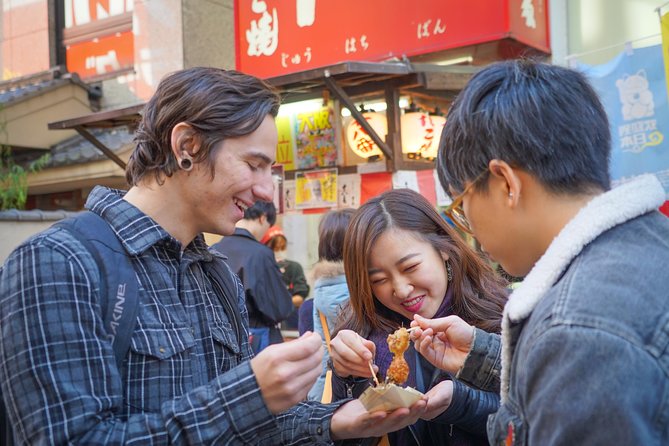
You start at FamilyMart in Nishinari Ward (Sannō, near the address listed on your ticket). The tour ends at the Glico Sign area in Dotonbori, so you’ll finish right where you want to keep wandering afterward.
Two practical notes that can make or break the experience:
1) It starts on time. Late arrivals can miss the start and won’t be able to join, and there’s no reschedule. Plan to arrive a few minutes early.
2) Expect real walking. The whole thing runs about 3 hours and stays active. Comfortable shoes are not optional.
Group size is capped at 7 travelers, which is why you should feel like you’re being guided instead of herded. A smaller group also means the guide can slow down to answer questions—when the schedule allows.
Stop 1: Tsutenkaku and Jan-Jan Yokocho kushikatsu
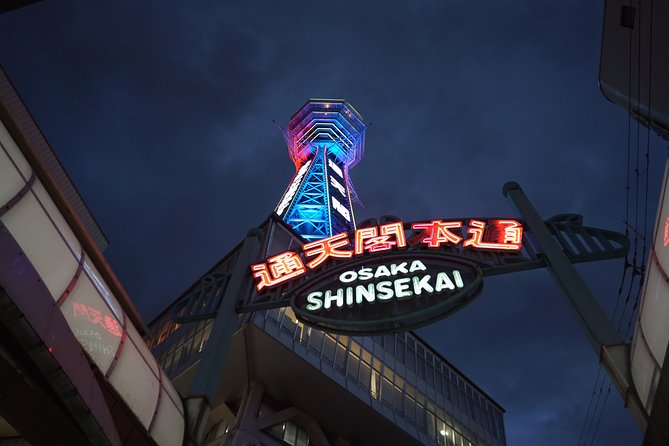
You’ll kick off near Tsutenkaku Tower, the landmark that basically acts like Shinsekai’s town clock. From there, you’ll walk into Jan-Jan Yokocho, a narrow alley packed with that cozy, smoky, “locals live here” atmosphere.
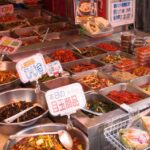
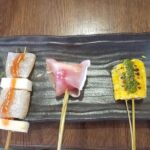
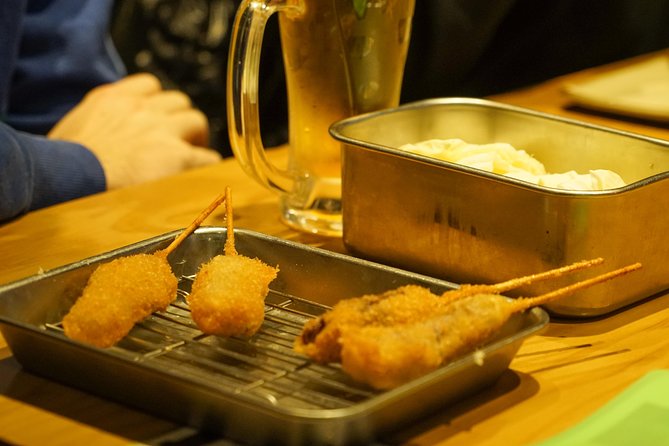
The featured bite is kushikatsu: deep-fried skewers. It’s one of Osaka’s signature casual meals, and it’s a great first tasting because it’s easy to understand and immediately delicious. Expect 6 pieces included.
If you’re choosing vegetarian food, read the fine print before you go. At the kushikatsu stop, dashi (pork broth) is still used even in the vegetarian version. If you can’t have it, tell the operator in advance so they can prepare alternatives.
Practical tip: kushikatsu is best eaten while it’s hot. So don’t plan on chatting for 20 minutes with your first skewer—follow the guide’s timing.
Stop 2: Shinsaibashi-suji stretch for old-Osaka street flavor
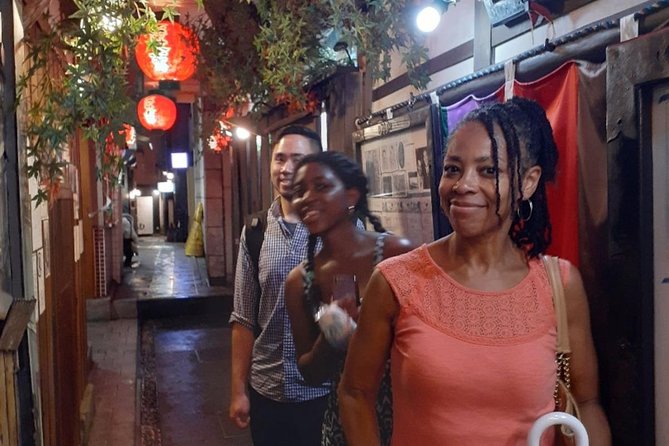
Next you’ll move into Shinsaibashi-suji Shopping Street, the kind of “street museum” experience where the architecture and feel can make you feel like you stepped into an earlier Osaka. This part is shorter (around 20 minutes) and leans more on atmosphere than food.
You’ll pass through areas tied to Shinsekai and the route includes iconic photo anchors like the Billiken statue, plus the broad movement from older streets toward Dotonbori energy.
Why this stop matters: it sets context for how people moved around town historically. Osaka’s eating culture isn’t random—it’s connected to how neighborhoods built commerce and foot traffic.
If you hate shopping interruptions, don’t worry too much. This segment is more about a guided walk than heavy retail time, but you will still be near storefronts.
Stop 3: Dōgu-ya-suji and the Dotonbori souvenir street rhythm
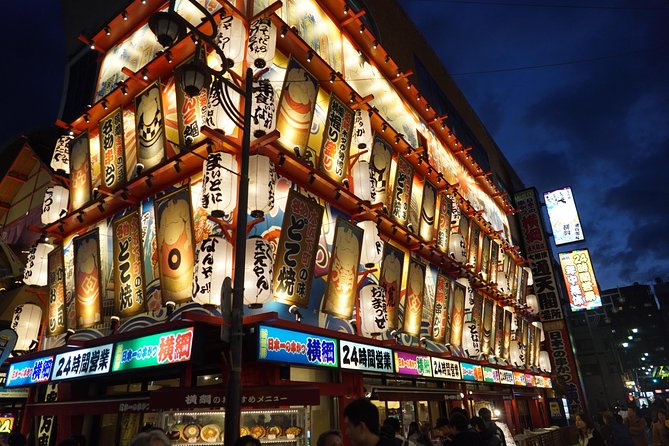
The tour then shifts into the Dōgu-ya-suji area, including a notable stop for browsing at Hōchō-ya, a knife shop. You’re not required to buy anything, but this is a smart place to look at what Osaka sells beyond food: tools, goods, and the kinds of souvenirs people actually carry home from Japan.
Dōgu-ya-suji is also part of that “food and shopping are neighbors” Osaka reality. You’ll see how people snack, shop, and walk—often in the same block.
A consideration here: if your main goal is only eating (and you’re not interested in shops), this segment can feel like a pause in the food parade. It’s still useful for orientation and for learning why these streets look the way they do.
You can also read our reviews of more tours and experiences in Osaka

Stop 4 and 5: Hozen-ji Temple, Ukiyo Alley snacks, then the Glico sign
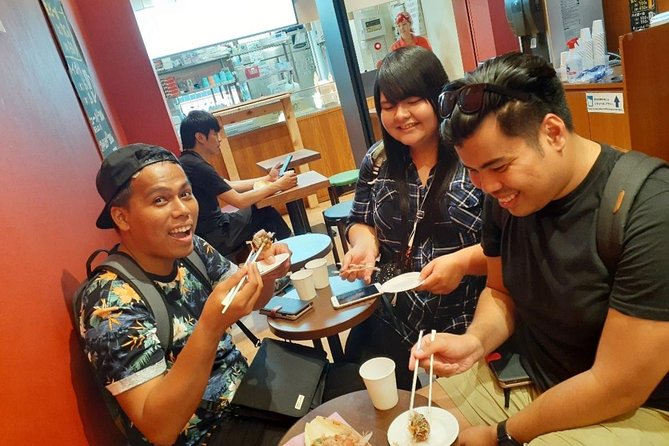
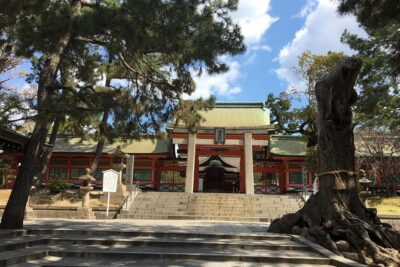
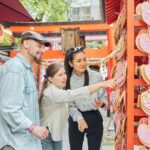
This is where the tour slows down in a good way. You’ll visit Hozen-ji Temple, then stroll through Ukiyo Alley (Ukiyo-koji).
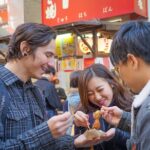
Here’s the takeaway: you get a temple-side pause, then the tour gives you more bite-size tasting again. The snack portion at this stage is planned to be roughly ¥500 worth of treats, including takoyaki plus sweets and other small items.
Takoyaki on a temple day feels extra right. You’re eating street food while surrounded by old stone and the kind of quiet that makes the neon later hit harder.
After that, you’ll do a classic photo moment at the Glico sign in Dotonbori. It’s short—about 10 minutes—but it’s worth it. This is one of those Osaka icons that looks better in person, with the street energy behind it.
If you’re the type who hates standing around for photos, treat it like a quick stop: get your picture, keep walking.
Stop 6: Sennichimae Doguyasuji and your okonomiyaki finish
The final food stop is Sennichimae Doguyasuji Shopping Street, and the highlight bite here is Okonomiyaki, Osaka’s savory pancake.
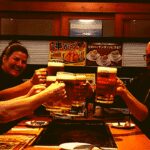
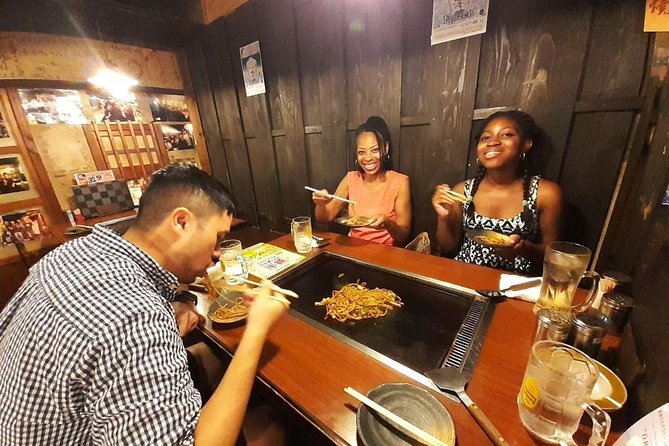
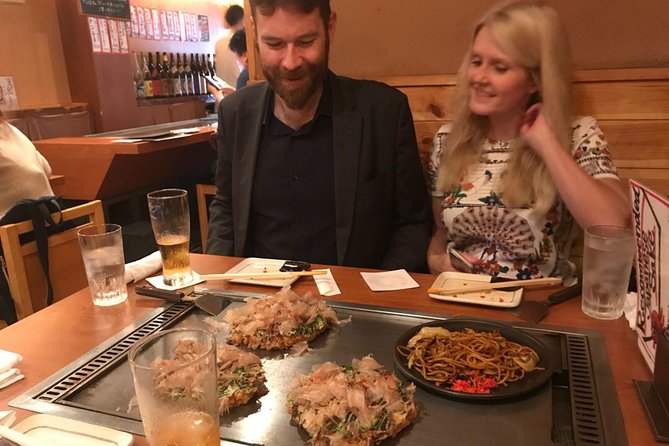
This is the meal that feels like a finish line instead of a snack station. You’ll get 1 piece of okonomiyaki included, and the tour also provides 3 drinks total across the walk (alcohol and non-alcohol options are available).
Some guides run the experience in a hands-on way. On at least some tour runs, the okonomiyaki portion has included a chance to grill or cook your own at the pancake spot. You might get that kind of participation depending on the venue and the day, but either way, the ending is meant to be satisfying—not just another bite.
The tour closes after this stop near the Dotonbori area, so you’ll be positioned well if you want to keep exploring on your own.
What the $111.42 price really buys (and how to judge the value)
At $111.42 per person, this isn’t the cheapest way to eat in Osaka. The value comes from three things you’re paying for:
- Guided route across two major neighborhoods (not just a single-restaurant meal)
- A planned tasting set: 6 kushikatsu, 1 okonomiyaki, 1 box of takoyaki
- Drinks included: 3 total, with both alcohol and non-alcohol available
Add those up and you’re not only buying food—you’re buying convenience, timing, and a guide who understands where to stand, what to order, and how to move between spots without wasting your time.
A small pricing reality check: transportation is not included. You should budget 190 JPY for local transit if you need it. Also, the walking pace and shop browsing mean some time goes to sightseeing and street context, not only eating.
If you’re the kind of foodie who wants a huge number of different dishes and lots of micro-portions, you might want to compare with tours that add more tasting stops. This one is focused on Osaka’s best-known comfort foods and the neighborhoods that made them famous.
Diet rules, allergies, and climate: the stuff that matters
This tour has clear limits, so don’t ignore them:
- Gluten-free and vegan cannot be accommodated.
- A vegetarian option may be available if you choose it during booking or request it at least by the day before.
- Even for the vegetarian kushikatsu option, dashi (pork broth) is still used at the kushikatsu spot.
If you have allergies, tell the operator at least one day before. The food is prepared in kitchens the tour doesn’t control, so allergy-free meals can’t be guaranteed. If you can’t eat something specific, you need to communicate it early so they can plan alternatives.
One more practical thing: Japan’s weather can get extreme. Plan for summer temperatures that can reach up to 40°C (110°F) and winter lows down to -5°C (20°F). Bring water, and dress for walking.
Also note: the route may pass places where smoking is allowed, and the venues may not be changeable.
Guides make the experience, and some names stand out
A big part of the experience is the guide. This tour is led by a MagicalTrip Certified Guide, and the company highlights that their guides have earned strong recognition (including Tripadvisor Best of the Best).
In particular, guides like Aika, Yuma, Mich, Kent, Justin, Emi, Naru, Hiro, and Michiko (Mich) come up with consistent praise for friendly, practical explanations and for making the food feel connected to everyday Osaka life.
You should also know that guide styles can vary. Some guests love the storytelling and food teaching. Others want more direct food details and slower walks. So if you’re picky about pacing, arrive early, stay close, and ask questions when you have them.
Who should book this Osaka foodie walking tour
This tour is a good match if you want:
- First-timers in Osaka who want the biggest food hits without planning
- People who like walking + photos + snacks as one plan
- Visitors who enjoy Shinsekai and Dotonbori as two distinct atmospheres
- Families (the tour says all ages are welcome)
It may be less ideal if you:
- Need gluten-free or vegan options
- Are looking for lots of tiny samples at many different stalls
- Strongly prefer sit-down dining over street-food style tastings
- Hate shopping streets at all (there is souvenir browsing time built in)
Should you book this Osaka Local Foodie Walking Tour?
If your goal is to taste Osaka’s most famous comfort foods in the right neighborhoods—kushikatsu, takoyaki, and okonomiyaki—this is a smart way to do it. The tour also does a good job mixing street food with orientation: you finish at the Glico sign zone and end in the middle of the action.
My main reasons to book: the amount of included food is clear, drinks are included, and the small-group size keeps the walk from feeling impersonal.
My main reasons to pause: dietary limits are strict, and the walking/shopping rhythm may not match someone who wants only food stops and zero street wandering.
If you’re flexible, bring good walking shoes, and message your dietary needs early, you should get a fun, street-level Osaka night-and-food experience instead of a generic restaurant tour.
FAQ
How long is the Osaka Local Foodie Walking Tour?
The tour runs for about 3 hours.
Where do you meet and where do you end?
You start at FamilyMart Japan, 557-0001 Osaka, Nishinari Ward, Sannō, 1-chōme176 ザ・ウエストサイド and end at the Glico Sign in Dotonbori (1-chōme-10-3 Dōtonbori, Chuo Ward).
What food is included?
You get 6 pieces of kushikatsu, 1 piece of okonomiyaki, and 1 box of takoyaki.
Are drinks included?
Yes. The tour includes 3 drinks total, with both alcohol and non-alcohol options.
Is the tour suitable for vegetarians?
Vegetarian options can be requested when booking, or by contacting the operator at least one day in advance. Note that dashi (pork broth) is still used in the vegetarian kushikatsu spot.
Can this tour accommodate gluten-free or vegan diets?
No. Gluten-free and vegan cannot be accommodated on this tour.
What should I know about allergies?
You should inform the operator at least one day before. The tour can’t guarantee allergy-free meals because the food is prepared in kitchens it doesn’t control.
Is transportation included in the price?
No. You may need to budget around 190 JPY for transportation.
Is there free cancellation?
Yes. You can cancel up to 24 hours in advance for a full refund.