REVIEW · OSAKA
Samurai Training Experience KENDO in Osaka
Book on Viator →Operated by Samurai Training Experience KENDO in Osaka · Bookable on Viator
Two hours is enough to feel Kendo’s rhythm. In Osaka, you get hands-on instruction in a real dojo while wearing authentic protective gear and practicing with a bamboo sword. It’s beginner-friendly, taught in English, and built around form, safety, and that classic match-style moment.
I especially like the small-group size (max 12), because the coach can actually watch what you’re doing and correct you before mistakes turn into bad habits. I also love the souvenir approach: you’ll receive digital photos and videos of your training, so you can remember the stance, the sparring, and the suit-up glow later.
One possible drawback: even though you start from zero, the armor and the footwork can make it feel like a real workout. If you’re expecting something lightweight or purely ceremonial, plan for movement and effort.
In This Review
- Key Highlights You Should Know
- A Real Dojo Moment in Central Osaka
- Suit-Up Like a Kendo Beginner: Armor, Shinai, and Basics
- The Two-Hour Flow: Samurai Context, Stances, Strikes, and Control
- Sparring Safely With the Sensei Team (Toshi and Kumiko)
- Photos, Video, and the Dojo Museum Detail You’ll Actually Use
- Price and Value for 2 Hours of Real Kendo Work
- Who Should Book This Osaka Kendo Class
- Should You Book Samurai Training Experience KENDO in Osaka?
- FAQ
- How long is the Kendo training session in Osaka?
- Is this class beginner-friendly?
- Is the instruction offered in English?
- Do I get photos or videos from the training?
- What gear is included?
- Is there sparring or match-style practice?
- Where is the meeting point?
Key Highlights You Should Know
- Small class size (max 12): you get close attention instead of being left to figure it out.
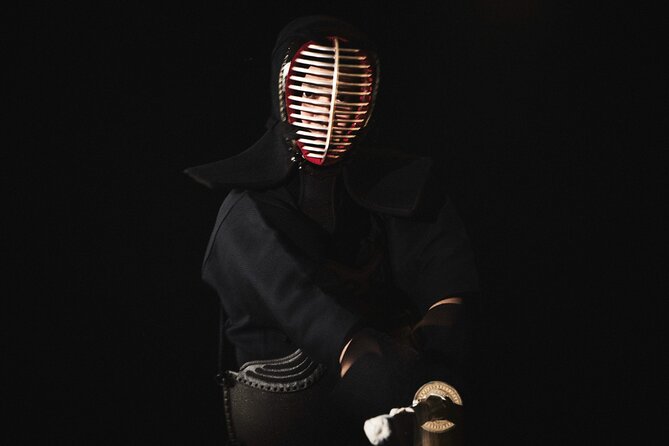
- Uniform and protective armor included: you train in the real gear, not a costume version.
- English instruction with support: you learn the why and the how, not just rote steps.
- Safe match-style practice: you try controlled sparring under professional guidance.
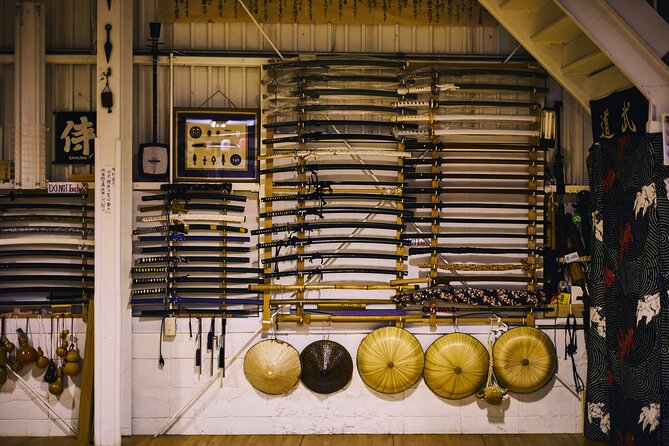
- Dojo doubles as a museum: Samurai artifacts and memorabilia add context beyond the sword work.
- Digital photo and video souvenir: you walk away with visual proof, not just sore legs.
A Real Dojo Moment in Central Osaka
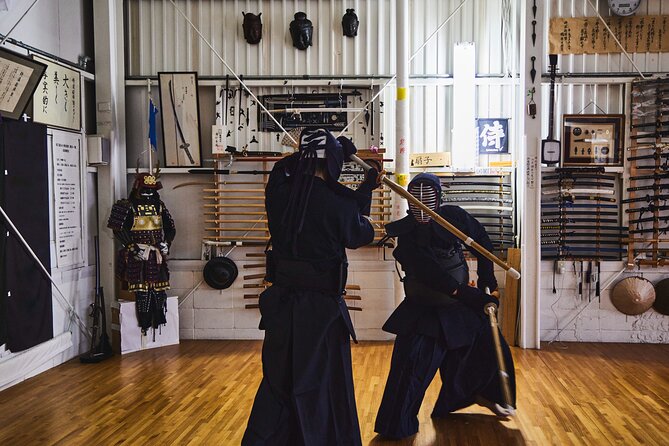
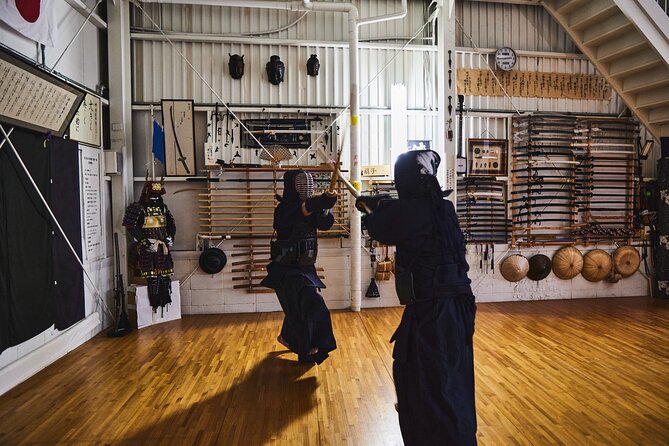
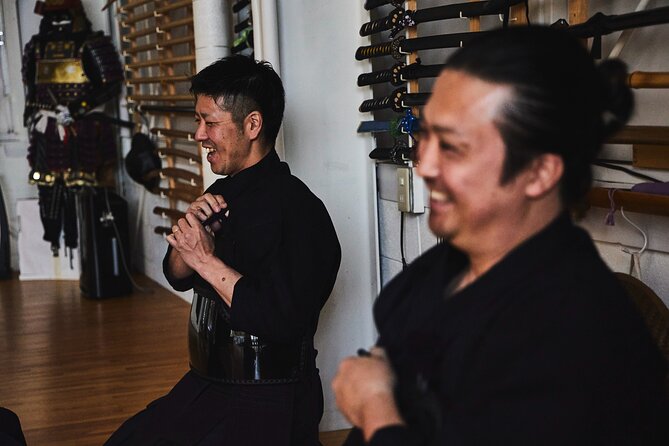
The first thing you’ll notice in this Kendo experience is that it doesn’t feel like a photo set. You’re stepping into a maintained dojo space that’s treated like a living training environment, with Samurai artifacts and memorabilia around the room. That matters, because Kendo isn’t only about hitting something. It’s a whole system of posture, discipline, and respect.
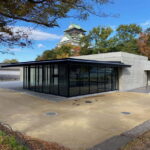
The location is in central Osaka (Kita Ward), and the activity is near public transportation, which helps if you’re juggling a full day of sightseeing. Also, the “mobile ticket” detail is the kind of practical touch that keeps things smooth once you arrive.
Then there’s the overall vibe: structured but friendly. The instructors are known for being patient and encouraging, including with people who feel awkward at first. In one common theme from participants’ comments, the training manages to be serious about technique while still keeping the mood upbeat. That balance is a big deal if you’re nervous about trying a martial art in a foreign language and a foreign culture.
If you’re the type who likes your Japan experiences to have substance—something you can talk about afterward—this dojo setting gives you that foundation fast.
You can also read our reviews of more tours and experiences in Osaka.

Suit-Up Like a Kendo Beginner: Armor, Shinai, and Basics
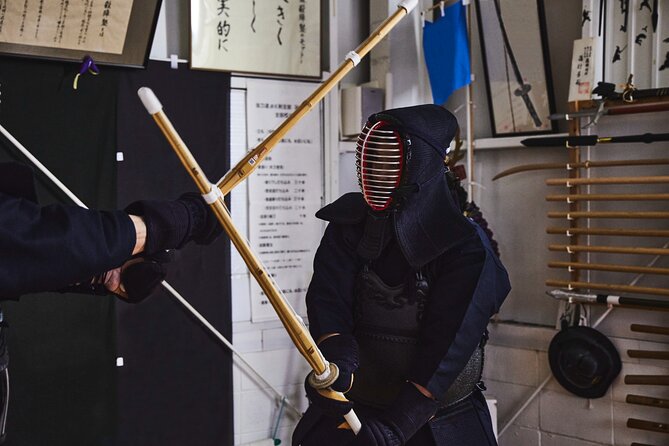
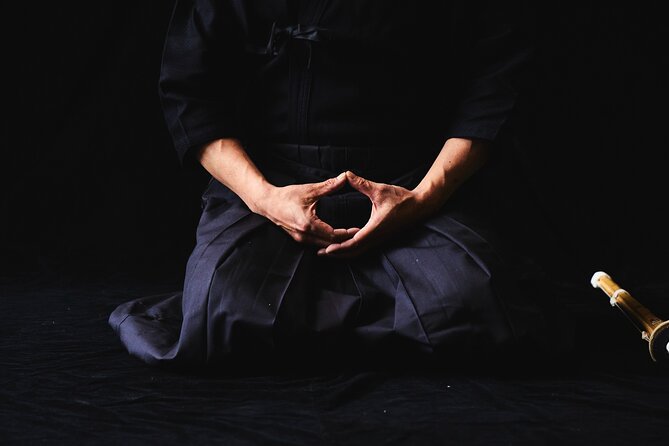
This is not a walk-in, watch-from-the-side situation. You change into authentic Kendo uniforms and protective armor, then train with a bamboo sword (a Shinai). The set-up is one of the biggest confidence builders for first-timers. Once you’re in gear, you understand why Kendo is practiced the way it is: the equipment supports safer training while still demanding correct technique.
You’ll also use the dojo’s changing rooms, and the facilities include showers, plus air conditioning and heating. That combo is more useful than it sounds. Kendo can be physical, and having a place to freshen up afterward makes the rest of your day easier. It also helps if you’re visiting Osaka in warmer or cooler seasons.
For families, this is also a helpful detail. For children aged 3–5, the focus is on wearing the uniform and armor and taking photos safely, rather than pushing full training mechanics. That means you can enjoy the experience together without forcing kids into the same pace as adults.
One thing to keep in mind: protective armor can feel bulky at first. It’s normal to have a learning curve in how you move, breathe, and keep balance. That’s where good instruction matters—because you’re not just learning moves, you’re learning how to move safely in the equipment.
The Two-Hour Flow: Samurai Context, Stances, Strikes, and Control
The session is about two hours, and the structure moves in a smart order: context first, then technique, then sparring-style practice. You start with an introduction to Kendo, Samurai culture, and Bushidō. This is where the experience earns its cultural depth. Kendo has a philosophy behind it, and you’re given enough background to understand what the movements are trying to express.
Then you’ll practice basic Kendo techniques using the Shinai. In practical terms, that usually means learning how to center yourself, set a stance, and execute foundational strikes and combinations. Beginners tend to think this will be complicated, but the way the lesson is taught is designed for quick progress. You’re not expected to be fast. You’re expected to be correct, then controlled, then more challenging.
A key part of the teaching style is that instruction adapts to your level. If you’re brand new, the coach will slow things down and shape your form. If you pick things up quickly, you’ll get pushed farther within the session. That adaptability is a reason the class works so well for mixed groups—solo travelers, couples, and families.
Toward the end, you shift into a safe match-style session. This isn’t about chaos or showboating. It’s guided practice that gives you a taste of the real duel structure while keeping safety at the front. The result is that you leave with more than a few poses. You leave understanding how Kendo feels when it turns into a back-and-forth exchange.
Sparring Safely With the Sensei Team (Toshi and Kumiko)
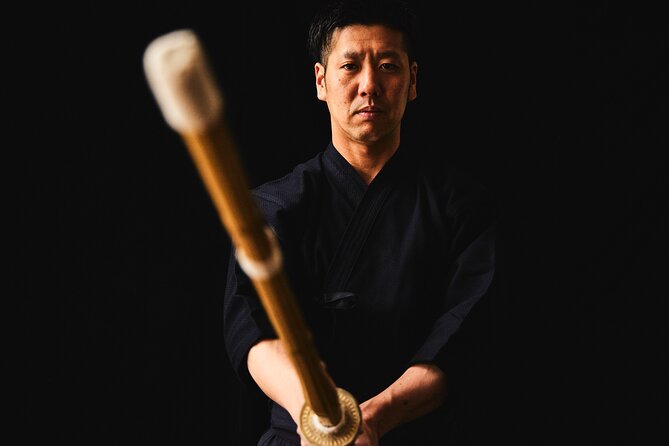
One of the most praised parts of this experience is the instruction approach from the main instructors, including Toshi and Kumiko. People repeatedly highlight that they’re patient, friendly, and professional, and that they take questions during the session. There’s also mention of Nao as an assistant/translator, which helps explain things in English clearly.
That English support matters more than you might expect. Kendo includes both physical technique and mental timing—when to move, when to wait, how to read distance. If you get only the movements without the timing concept, it can feel random. The way this is taught helps you connect the physical actions to the idea behind them.
The match-style practice is the moment most beginners remember. Once you’re suited up and coached through the basics, you’ll spar in a controlled way against another participant (or in guided match situations). The instruction is designed to let you try without turning it into a risky situation. And if you want to appreciate the skill level of the instructors, it’s worth being open to more intense practice when offered, because watching a sensei move at speed is an eye-opener.
A small humorous truth: the first time you wear Kendo armor and swing at speed, you often don’t realize you got hit until a second later. That’s not a drawback—it’s part of why training can feel surprising. The gear and the technique aim for controlled impact and learning, not bruising.
Bottom line: if you want a Kendo experience that’s action-based but responsible, this one is built for that.
Photos, Video, and the Dojo Museum Detail You’ll Actually Use
This dojo experience includes digital photos and videos, which is more than a nice-to-have. When you’re learning a new technique, your brain fills in gaps automatically. Seeing the results later helps you fix your stance, understand what your arms did in a strike, and remember how the footwork connected.
That’s especially useful in martial arts, where your posture can feel fine in the moment but look different on camera. Digital souvenirs let you review what you learned without needing to bring a friend to film your whole session.
You’ll also capture images during the training. Since the dojo includes Samurai artifacts and memorabilia, you’re not just taking a quick selfie in a corner. You can get photos with authentic cultural context around you, including the chance to step into full Samurai gear. That museum-like setting makes those images feel more meaningful.
Some participants also note that the hosts provide snacks and drinks afterward, which is a friendly touch after a sweaty two hours. It’s the kind of detail that helps you transition back into sightseeing without crashing.

Price and Value for 2 Hours of Real Kendo Work
At about $131.32 per person for roughly two hours, this isn’t the cheapest thing you can do in Osaka. But it also isn’t a basic walking tour. You’re paying for a real dojo environment, authentic uniforms and protective armor, instruction in English, and guided match-style training—plus digital photos and videos afterward.
Here’s the value breakdown that matters for your decision:
- Equipment and setup are included. That reduces the hassle (and cost) of sourcing anything yourself.
- You’re trained in a small group (max 12). Close attention is hard to buy in bigger classes.
- You get more than observation. You strike with the Shinai and participate in match-style practice.
- Souvenirs are part of the price. Photo/video delivery adds real cost value if you care about remembering the experience.
If you’re the type who enjoys hands-on activities—cooking classes, workshops, or language classes—this fits that mindset. If you only want light entertainment, you might decide it’s more effort than you want. But if you want a skill-based cultural experience you can talk about and show later, the price starts to make sense.
In Osaka, there are plenty of ways to spend $130. The difference here is that you’re leaving with training footage and a physical memory of what Kendo feels like.
Who Should Book This Osaka Kendo Class
This Kendo session is a strong fit if you’re:
- a first-time martial arts tryer who wants structure and safety
- a culture-focused traveler who likes Samurai context beyond legends
- traveling as a couple or family and wants an active shared experience
- a solo traveler who doesn’t want to be stuck watching only
It also works well for people who feel a little awkward at the start. Multiple participants highlight that the instructors keep things welcoming while still teaching seriously. You’re not pushed to be athletic. You’re coached to learn correct movement.
For families, it’s particularly relevant if your kids are interested in Samurai themes. For kids ages 3–5, the session is adjusted toward wearing gear and taking photos safely. For older kids and adults, you’ll spend more time practicing techniques and doing controlled sparring. So it’s easier to book without worrying the experience will be a mismatch for every age group.
One small planning thought: since it’s about practice time, it’s best to schedule it when you can give it your attention. If you’ve got major commitments right before or after, you’ll appreciate having time to shower and reset.
Should You Book Samurai Training Experience KENDO in Osaka?
Yes, if you want an authentic Kendo experience with real instruction, real protective gear, and a clear path from basics to match-style practice. The combination of small-group coaching, Samurai context (Bushidō and culture), and photo/video souvenirs is the heart of why people keep calling this a top Osaka activity.
You might skip it if you’re looking for something strictly passive, or if you don’t want any physical workout component at all. Armor can feel heavy, and the stance work is demanding even when you start slowly.
If you’re on the fence, here’s the simplest decision rule: book it if you want to leave with technique, stories, and footage. Skip it if you only want a costume-like snapshot.
FAQ
How long is the Kendo training session in Osaka?
It runs for about 2 hours.
Is this class beginner-friendly?
Yes. The experience is designed for people with no prior Kendo experience.
Is the instruction offered in English?
Yes, it’s conducted in English, with support from an assistant/translator.
Do I get photos or videos from the training?
Yes. You receive digital photos and videos as a souvenir.
What gear is included?
You change into authentic Kendo uniforms and protective armor, and you practice with a bamboo sword (Shinai).
Is there sparring or match-style practice?
Yes. After learning basics, you participate in a safe, match-style Kendo session under professional guidance.
Where is the meeting point?
The meeting point is at 1-chōme-18-2 Honjōhigashi, Kita Ward, Osaka, 531-0074, Japan, and the activity ends back at the meeting point.