REVIEW · OSAKA
Private Osaka Tour with Government Licencsed Guide and Vehicle (Max 7 persons)
Book on Viator →Operated by Japan Guide Agency · Bookable on Viator
Osaka feels easier with the right driver. This private tour pairs a government-licensed English guide with a vehicle, so you spend less time wrestling subway transfers and more time seeing real Osaka. You choose 3 to 4 stops from the day’s menu, and your guide helps build the order based on what you want to eat, see, or slow down for.
I especially like two things: the custom plan (not a one-size-fits-all checklist) and the way the route mixes big-ticket sights with classic Osaka street life. From Dotonbori food streets to Osaka Castle, plus market and shrine/temple stops, you get variety without the usual scramble.
The one drawback to think about is time pressure. At 6 hours, it can feel a bit tight—especially if you cram in multiple landmarks, want extra photo stops, or add lots of shopping.
In This Review
- Key points to know before you book
- A government-licensed guide plus your own vehicle
- Choosing 3–4 stops makes the day feel real
- Dotonbori: where your camera and stomach both win
- Shinsaibashi-suji: shopping arcade without the headache
- Kuromon Market: quick seafood context and smarter eating
- Osaka Castle: big landmark time, with practical pacing
- Sumiyoshi Taisha and Shitennoji: spiritual breaks in the middle of the day
- Shinsekai and Tsutenkaku: retro Osaka and blowfish vibes
- Umeda Sky Building and NMAO: height and art when the streets tire you out
- Sennichimae Doguyasuji: the kitchen-tool street stop people love
- Price and logistics: how $781.89 per group can make sense
- Who this private Osaka day is best for (and who should rethink)
- Should you book this private Osaka tour?
- FAQ
- How long is the Osaka private tour?
- What’s the maximum group size?
- Is this a private tour or shared with other people?
- What’s included in the price?
- Are entrance fees included?
- Can I customize which sights I visit?
- Is pickup available?
- Are car seats or boosters available for children?
- What is the cancellation policy?
Key points to know before you book
- Private vehicle support: helps if the subway feels stressful or walking is an issue.
- Choose 3–4 stops: you’re not forced to hit everything listed.
- Guide style matters: past guide experiences highlight patience and steady pacing, like Kaori’s calm approach and Yuji’s fun, fact-filled explanations.
- Food-forward Osaka: Dotonbori plus market time can be your best payoff if you plan meals well.
- Some major admissions aren’t included: Osaka Castle and a few museum/observation stops typically require separate tickets.
A government-licensed guide plus your own vehicle
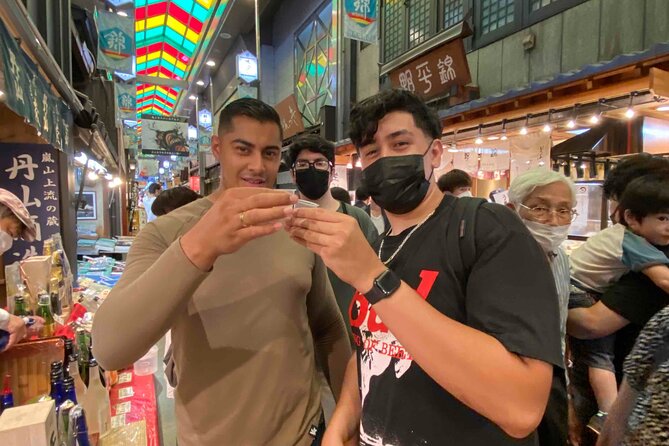
This is the kind of Osaka day that makes sense if you want control without the map anxiety. Your guide speaks English and stays with you through the chosen stops, while the vehicle helps you reposition quickly between areas.
The big value here is how the day adapts. Once you book, the guide reaches out to plan your personalized order. If you don’t know where to start, you can ask for their recommended route, then fine-tune it around your pace and interests.
Group size is also part of the appeal. Maximum is 7 people, and it’s private, so you don’t share the experience with strangers. That makes it easier to ask questions, request slower walking, or shift the order when crowds get thick.
You can also read our reviews of more guided tours in Osaka

Choosing 3–4 stops makes the day feel real
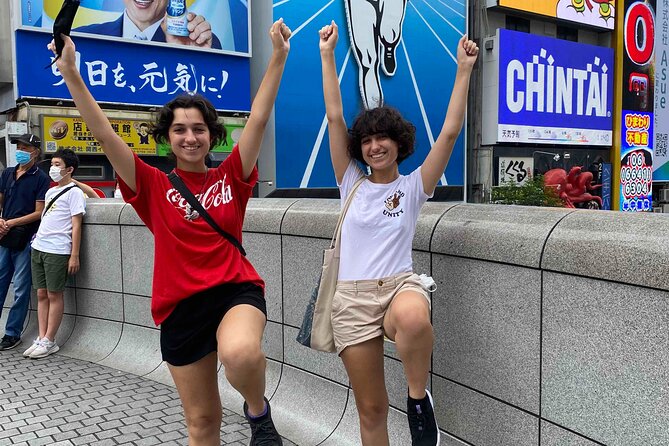
Instead of a long buffet of sights, you pick the highlights that match your energy level. If you love photos and major landmarks, you’ll likely prioritize places like Osaka Castle or the Umeda area. If you care more about food and everyday street scenes, you’ll lean toward Dotonbori, Kuromon Market, and Osaka’s shopping streets.
This choice also helps with timing. With only about 6 hours total, you can avoid the “checkmark sprint.” I like that the plan can stay flexible, because Osaka is all about walking—but you still get vehicle help between districts.
One practical note: admission tickets are not included. That matters most for Osaka Castle and other paid stops like the temple/museum/observation options in the list.
Dotonbori: where your camera and stomach both win
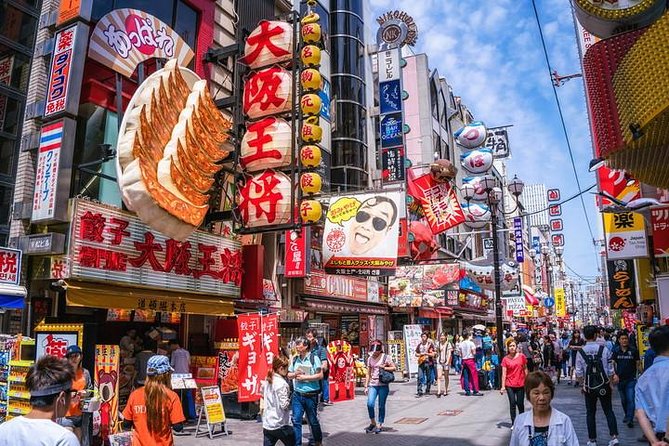
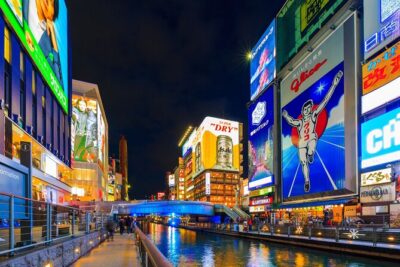
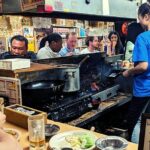
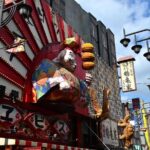
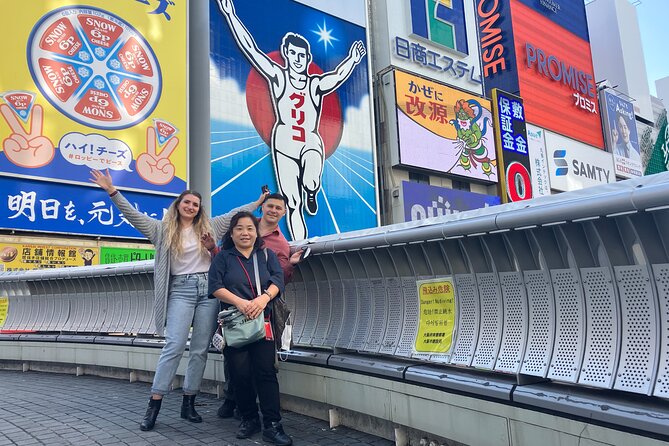
Dotonbori District is Osaka’s loud, neon-bright food street zone. Expect huge signage, crowded restaurant fronts, and lots of people doing the same thing you’ll want to do: hunt for the next snack.
If your plan includes this stop, it’s a great place to focus on one or two specific items rather than trying to taste everything. Takoyaki and okonomiyaki are the headline choices here, and your guide can help you pick places that fit your comfort level—busy but exciting, not confusing.
What I find useful is that the guide doesn’t just point; they explain what you’re looking at. Even a short walk through Dotonbori can turn from random wandering into a “now I get it” experience.
Shinsaibashi-suji: shopping arcade without the headache
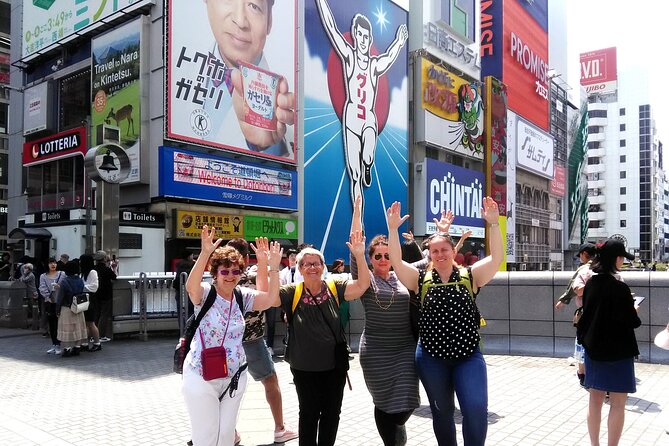
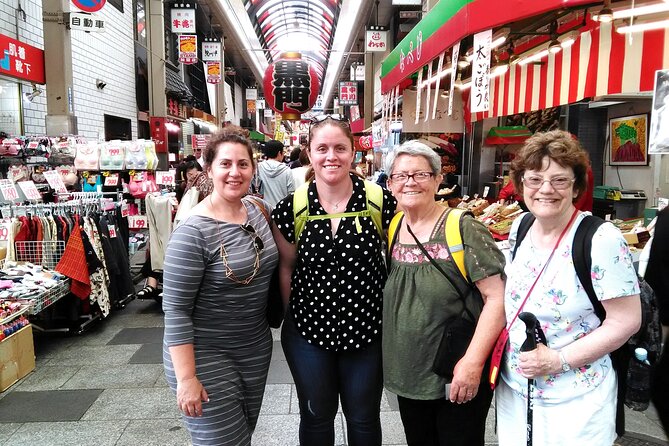
Shinsaibashi-suji Shopping Street is a long covered arcade that’s easy to explore on foot. It’s about 600 meters and connects shopping + casual dining + people-watching.
This stop works best as a pause between heavier sights. After the food-street intensity of Dotonbori, the arcade feels like a calmer way to walk, browse, and reset.
If you’re shopping for everyday gifts or snacks, this is one of the most convenient areas for that. If you’re not shopping, you can keep it short and use the time to regroup before heading toward the castle or markets.
Kuromon Market: quick seafood context and smarter eating
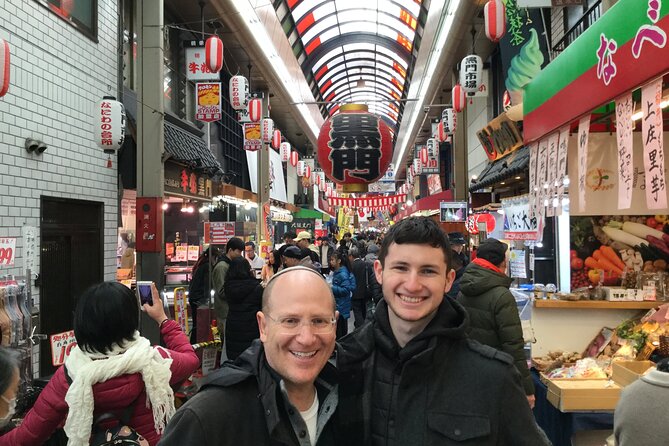
Kuromon Market is a roofed, lively market area with a very Osaka rhythm. It’s a great stop when you want food culture without needing a full restaurant meal.
Seasonal seafood is part of the draw. You’ll hear about conger pike in summer and fugu in winter, and many seafood shops specialize in fugu and hamo to match the season.
I like how market time can replace a museum hour. It’s sensory travel: smells, displays, counter conversations, and lots of choices. If you’re picky about what you’ll eat, tell your guide early—so you don’t end up with a long walk and no plan.
You can also read our reviews of more private tours in Osaka

Osaka Castle: big landmark time, with practical pacing
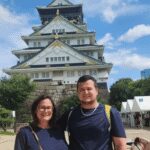
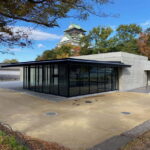
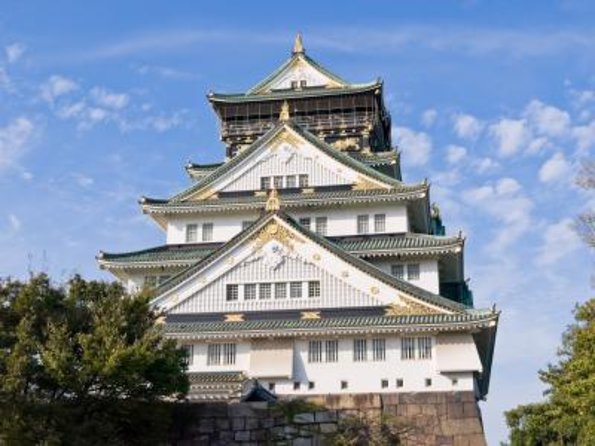
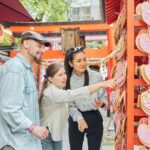
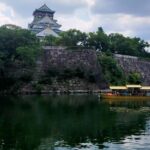
Osaka Castle is one of Japan’s most recognizable landmarks, with a history reaching back almost 450 years. It’s a five-story structure that people come from all over to see, and it’s easy to understand why once you’re there.
In a tight 6-hour window, your best move is to treat this as a focused stop, not an endless wandering session. It’s listed for about an hour, and that’s about right if you want photos, key views, and the main experience without rushing.
A helpful detail from guide experiences: people value the lift access around the castle because it can save time and reduce walking. If you want to spend your energy on views and photos, ask your guide how to use the castle’s internal movement options efficiently.
Note: Osaka Castle admission is not included in the tour price, so budget for the ticket on top of your tour cost.
Sumiyoshi Taisha and Shitennoji: spiritual breaks in the middle of the day
Not every Osaka stop has to be about food or shopping. Sumiyoshi Taisha Shrine is the main shrine for Sumiyoshi shrines across Japan, and it’s a solid choice if you want a calm counterweight to the city’s noise.
Then there’s Shitennoji, a Buddhist temple in Osaka. It also goes by other names, and it’s a place where the day can slow down just enough to feel like you left the main street energy behind.
These temple/shrine stops tend to work well when you choose just one or two “culture” sites. With 3–4 stops total, you’ll get the contrast without losing your day to logistics or long lines.
Admission for Shitennoji isn’t included, so check tickets before you arrive at the gate.
Shinsekai and Tsutenkaku: retro Osaka and blowfish vibes
Shinsekai is Osaka’s New World district, centered around Tsutenkaku—the area often called the Osaka Eiffel Tower. It’s old-Osaka nostalgia with food, signage, and that fun “walk around and snack” energy.
One iconic detail here is the giant blowfish lantern, tied to the district’s identity. You’ll also see Billiken, often associated with luck and wealth, plus lots of people out for kushikatsu style snacks.
This stop is a great pick if you want Osaka to feel like a character—not just a list of famous places. It’s also one of the easier areas to photograph because the visuals are basically designed for street snapshots.
Shinsekai is listed for about 30 minutes. That’s enough for Tsutenkaku area photos, a short walk, and a taste if you plan your stop well.
Umeda Sky Building and NMAO: height and art when the streets tire you out
If your legs need a break from constant walking, the Umeda area options can help. The Umeda Sky Building is about 173 meters tall and is near Osaka and Umeda Stations, so it’s convenient after other districts.
If you pick it, think of it as your “top of the day” viewpoint. It’s listed for about 30 minutes in the plan, which is realistic when you factor in ticketing and the time it takes to enjoy views without turning it into a half-day detour.
The National Museum of Art, Osaka (NMAO) is another alternative vibe. It’s an underground museum on Nakanoshima island, and it’s listed for about 30 minutes. If you like art but also know you have limited time, an underground museum hour can be a perfect use of your schedule.
Admissions for these stops are not included, so again, you’ll want to budget separately.
Sennichimae Doguyasuji: the kitchen-tool street stop people love
Sennichimae Doguyasuji Shopping Street is a short, focused area for cooking utensils and kitchen tools. It’s only about 150 meters long, but it can surprise you with the variety—pots, pans, knives, and specialty kitchen items.
It’s also a fun place if you’re bringing something home for cooking. Even if you don’t buy, it’s a satisfying browsing stop because everything is themed, and you can compare tools and styles quickly.
The plan lists this for about 15 minutes. That’s the right length unless you’re shopping seriously. If you want to buy gifts, add time with your guide so you’re not rushing at checkout.
Price and logistics: how $781.89 per group can make sense
The tour price is listed at $781.89 per group (up to 2). That sounds high until you look at what you’re actually paying for: a private English guide plus a private vehicle, for around 6 hours.
For two people, value depends on your priorities. If you’re trying to cover multiple far-apart districts in one day (food streets, castle area, markets, and one or two culture stops), a vehicle-based private day can be cheaper than piecing it together with taxis plus a guide for only part of the time.
It can also make sense if you have walking limitations. The subway in Osaka can be confusing, and navigating it with stops and accessibility needs can turn into time loss. This tour is designed to reduce that friction by using vehicle support and guide direction.
One more price reality check: entrance fees, lunch, and personal expenses are not included. So you should budget for tickets (especially Osaka Castle, Shitennoji, Umeda Sky Building, and NMAO) plus any meals you decide to add.
Finally, the vehicle seating has limits. There are only a limited number of car seats/booster seats, rear-facing car seats aren’t available, and you’ll need to contact the provider directly if you require one.
Who this private Osaka day is best for (and who should rethink)
This tour fits best if you want structure without stress. You’ll like it if you:
- want a private, English-guided day with a vehicle
- care about both famous sights and food culture
- need help with navigation or walking pacing
- prefer choosing 3–4 stops instead of doing everything
It might be less ideal if you want long, slow, in-depth time at a single attraction. With only about 6 hours and 3–4 stop choices, the day can feel “tight” if you love lingering, shopping for hours, or adding extra stops not on your chosen plan.
It’s also worth knowing that some guide-and-driver experiences feel differently based on the day’s timing. In one example, the driver’s extra helpfulness made the day feel more comfortable and efficient, which is exactly the kind of benefit you want when your schedule is packed.
Should you book this private Osaka tour?
If your idea of a great Osaka day includes food streets plus at least one big landmark, and you don’t want to fight transit on foot all day, this is an easy yes. The private guide plus vehicle is the core value, and the 3–4 stop customization keeps it from feeling like a rush-job.
I’d book it if you want a day that’s practical, guided, and tailored—especially if walking limitations or subway complexity are part of your planning. If you’re the type who wants a very slow pace with only one main attraction, you may want a shorter or more single-area plan instead.
FAQ
How long is the Osaka private tour?
The tour lasts about 6 hours.
What’s the maximum group size?
The maximum is 7 participants.
Is this a private tour or shared with other people?
It’s private. Only your group will participate, and you can’t combine multiple tour groups.
What’s included in the price?
Included are a licensed local English speaking guide, a private vehicle, and a customizable walking tour of 3–4 sites from the available list.
Are entrance fees included?
No. Entrance fees are not included, and several planned stops (like Osaka Castle and other optional paid sights) list admission as not included.
Can I customize which sights I visit?
Yes. After booking, you choose 3 to 4 spots you want to visit, and the guide can also send a recommended itinerary if you’re not sure.
Is pickup available?
Yes, pickup is offered.
Are car seats or boosters available for children?
Car seats and booster seats are limited, rear-facing car seats are not available, and you’ll need to contact the provider directly if you need them.
What is the cancellation policy?
Free cancellation is available up to 24 hours in advance for a full refund. If you cancel less than 24 hours before the start time, the amount paid is not refunded.