REVIEW · OSAKA
Japanese miniature kimono made with origami in Osaka
Book on Viator →Operated by Shuminavi Inc. · Bookable on Viator
Origami and kimono in one hour sounds weird—until you try it. In Osaka, you’ll learn to fold an origami kimono using an instructor’s own design, right near Abeno Station, with step-by-step help from the moment you pick paper. It’s the kind of hands-on craft that turns “Japan sounds cool” into something you can hold and take home.
I like two things right away: the instruction is patient and easy to follow (even if your hands aren’t great with tiny folds), and you leave with a QR code video plus a folding diagram so you can replay the steps later. One possible consideration: this is a paper-folding class, so if you want sightseeing only, or you hate close-detail work, you might find the time a bit focused.
In This Review
- Key highlights at a glance
- Where Abeno Station Exit 7 Puts This Workshop Within Easy Reach
- What You Make: A Miniature Origami Kimono That Feels Special
- Inside the Classroom: Paper Choice, Practice Folds, and Getting Unstuck
- The Main Finish: Folding the Real Patterned Kimono
- Optional Extra Time: Picking from 20 Traditional Designs
- Take-Home Win: QR Video, Folding Diagram, and Gift-Ready Details
- Price and Value: Is $65.32 Worth It?
- Who This Mini Kimono Class Fits Best (And Who Might Not)
- Pair This With Osaka Sights Near Tennoji and Abeno
- Should You Book This Origami Kimono Workshop?
- FAQ
- Where is the meeting point?
- How long does the experience take?
- Is pickup available?
- Is this tour private?
- What is included in the price?
- What do I get to take home after the class?
- Can I choose different designs?
- Is this class suitable for beginners?
- Are traveling costs included?
- What is the cancellation policy?
Key highlights at a glance
- Start at Abeno Station Exit 7 and get walked to the classroom
- Practice first, then fold the real miniature kimono with guidance
- Choose your origami paper and design, with up to 20 traditional works if time allows
- Take home a QR video + diagram for future folding
- Works are gift-friendly, with options like pockets meant for small items
Where Abeno Station Exit 7 Puts This Workshop Within Easy Reach
This class is easy to fit into an Osaka day because it starts close to the subway. You’ll meet at the bottom of the stairs at Abeno Station on the Osaka Metro Tanimachi Line, Exit 7, then move together to the classroom.
The location matters because it’s not a far-flung workshop that eats your day. The building is also close to major sights—Abeno Harukas, Tsutenkaku Tower, and Tennoji Zoo—so you can plan before or after your folding time without stressing over long commutes.
If you’re staying somewhere around Tennoji/Abeno, this is a smart pick: 90 minutes of structured activity, then you’re back out in the city.
You can also read our reviews of more tours and experiences in Osaka.



What You Make: A Miniature Origami Kimono That Feels Special
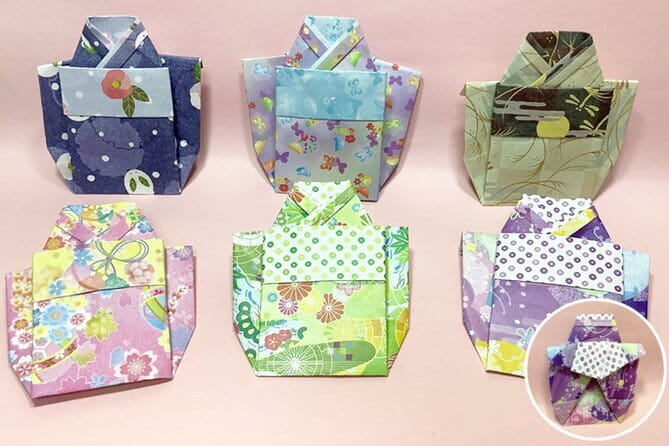
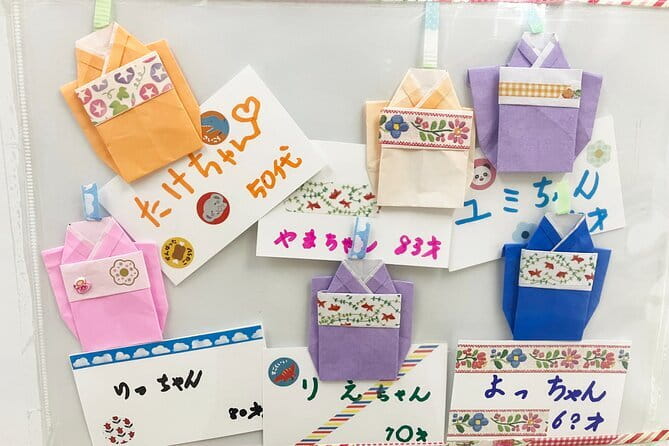
The finished item is a tiny kimono made from origami, and that’s the whole point. It’s not just decorative paper art; it’s shaped like a traditional clothing form, scaled down into something you can actually keep on a shelf (or turn into a small gift).
A detail I really appreciate: the kimono design is the instructor’s original work, so you’re learning a specific method rather than a generic craft diagram copied from somewhere else. You also get to learn designs with cute, thoughtful features—some folds create a back look that’s also meant to be seen, and the finished kimono is designed with functional little elements (like pockets) in mind.
This isn’t “fold one thing and leave.” It’s more like you learn a small technique set, then apply it to a finished piece that looks genuinely like a miniature kimono.
Inside the Classroom: Paper Choice, Practice Folds, and Getting Unstuck
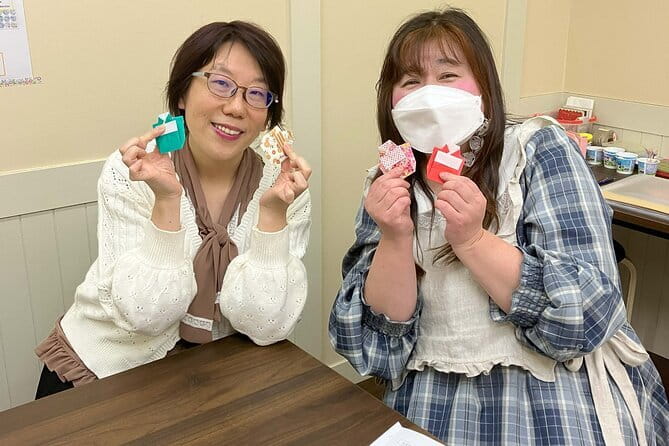
Your session moves in a clear sequence, which helps a lot if you’re new to origami.
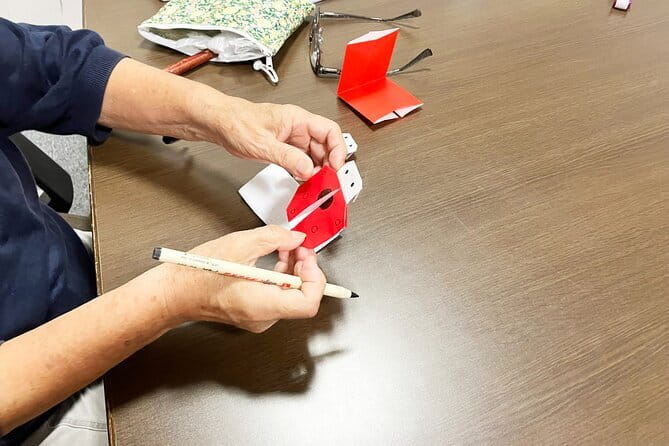
First, you’ll arrive as a group and get directed into the classroom area. Then you choose an origami paper (you don’t have to guess what will work best). The instructor guides you in a short practice fold so your hands understand the motion before you start the final piece.
That practice step is a big deal for beginners. It prevents the common problem of starting “the real thing” too early and then feeling lost halfway through. The reviews also point to the same theme: the teaching is gentle and slow enough that even people who feel hopeless with paper folding can still finish safely.
Also, the class isn’t just a one-way lecture. You can ask questions easily during the process. If you mess up a fold, you’re not stuck staring at a crease you can’t fix—you get direction on how to proceed.
The Main Finish: Folding the Real Patterned Kimono
Once you’re comfortable with the basic folding rhythm, you move on to the main project: folding a real miniature kimono with a beautiful pattern.
This is where the instructor’s method shows. Even if your first tries aren’t perfect, the steps are designed so you can keep moving and still end up with a recognizable kimono shape. The final look comes from aligning tiny creases at the right moments, not from advanced tools.
Timing-wise, plan on staying focused for most of the session. It’s 1 hour 30 minutes approximately, and the flow is intentionally structured so you can go from practice to finish without a long waiting period.
If you want the “I made that” satisfaction factor, this is the moment.
Optional Extra Time: Picking from 20 Traditional Designs

If you have more time in your session, you can go beyond the basic assignment and choose your favorite piece from 20 traditional works.
This matters for two reasons:
- Variety: you can match the style to your taste instead of accepting a single default design.
- Value: it turns the class from one finished souvenir into potentially more than one folded piece, depending on timing and how the session goes.
In practice, people often enjoy having something to compare—folding one design teaches your hands, and picking a second (or more) design keeps you engaged instead of repeating the same pattern.


Take-Home Win: QR Video, Folding Diagram, and Gift-Ready Details
The best part of craft classes is usually what you can do after. Here, you take home instructions in a very usable format: a QR code linked to a video plus a folding diagram.
That means you’re not relying on memory or a blurry photo. You can replay the steps later and try again with different paper if you want.
There’s also a playful angle to the kimono design. The class encourages you to think of these tiny pieces as gifts, including using the kimono as a container for small items like picks, coins, or otegami. Even if you don’t plan to gift it the same day, it’s a nice way to add meaning to what you made.
In short: you’re not just leaving with a souvenir—you’re leaving with a repeatable skill and a way to keep folding.
Price and Value: Is $65.32 Worth It?

At $65.32 per person, the price may feel “boutique,” but the value is pretty clear when you break down what you get.
You’re paying for:
- Tools and materials included
- Hands-on instruction (not just a pass-by explanation)
- A finished miniature kimono you can take home
- A QR video and folding diagram for future practice
- Options to select additional designs from 20 traditional works if time allows
Also, the class is private in the sense that it’s just your group, not a mixed crowd. That setup usually makes it easier to get help at the table without waiting.
One more practical note: pickup is offered, and there are group discounts available. If you’re booking with friends, that can push the value up fast.
If your goal is a quick souvenir purchase, you’d do cheaper shopping. If your goal is learning something tangible in Osaka and leaving with an item that looks like Japan but feels personal, this is a solid spend.
Who This Mini Kimono Class Fits Best (And Who Might Not)

This workshop is a great match if you:
- Want a hands-on cultural experience in Osaka, without needing previous origami skills
- Like crafts and small-detail work
- Travel with kids or beginner friends who still want a meaningful activity
- Enjoy learning techniques you can repeat at home
It may be less ideal if you:
- Are short on time and only want big-ticket sights
- Dislike structured activities where you stay at a table for the full session
- Expect a tour in the “walk and see landmarks” style (this is primarily a making class)
The good news: the class is designed so most people can participate, including beginners and small children.
Pair This With Osaka Sights Near Tennoji and Abeno
Because the workshop is near Abeno Station, you can connect it to other popular stops.
Here are easy ways to pair it:
- If you go earlier in the day, you can hit Abeno Harukas before or after folding.
- If you want something more playful, make time for Tsutenkaku Tower nearby.
- If you’re traveling with family, Tennoji Zoo is a friendly option for a second half of the day.
Even if you don’t plan a strict schedule, the area is convenient: the workshop building sits inside a general facility with other shops, so you can fill gaps without long transit.
Should You Book This Origami Kimono Workshop?
Book it if you want a memorable Osaka moment that isn’t just photos. You’ll get guided folding, a charming miniature kimono that’s clearly more than random paper art, and take-home instructions via QR video and a diagram.
I’d skip it only if you’re not into crafts or you’re trying to maximize sightseeing minutes at all costs. This class is at its best when you’re willing to sit, fold, and follow the steps.
One practical tip: since this activity is commonly booked far in advance (it’s a popular choice), reserve early so your schedule stays flexible.
If you want a small, thoughtful souvenir that you can recreate later, this one delivers.
FAQ
Where is the meeting point?
You’ll meet at the bottom of the stairs of Abeno Station, Exit 7, before walking to the classroom together.
How long does the experience take?
The workshop is about 1 hour 30 minutes.
Is pickup available?
Yes, pickup is offered.
Is this tour private?
It’s a private activity, meaning only your group participates.
What is included in the price?
Tools and materials needed for the activity are included.
What do I get to take home after the class?
You receive a QR code for a video and a folding diagram so you can enjoy folding the kimono again later.
Can I choose different designs?
Yes. You can choose your origami paper, and if you have more time you can pick a favorite piece from 20 traditional works.
Is this class suitable for beginners?
Yes. Beginners and small children can participate, and most travelers can join.
Are traveling costs included?
No—traveling expenses are not included.
What is the cancellation policy?
You can cancel for a full refund up to 24 hours in advance of the experience start time. If you cancel within 24 hours, the amount paid is not refunded.
If you want, tell me your travel dates and whether you’re with kids or friends—I can suggest the most logical time slot in an Abeno/Tennoji day plan around this class.