REVIEW · OSAKA
Eat, Drink & Cycle: Osaka Foodie Bike Tour
Book on Viator →Operated by In Kansai Experiences · Bookable on Viator
South Osaka tastes better on two wheels. This ride-and-eat route strings together Shinsekai street food and the iconic Shitennoji temple in one smooth morning, with bikes doing the heavy lifting. It is a fast way to cover ground, taste widely, and still get real local context from your guide.
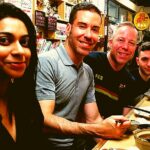
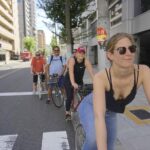
I like the format because you do not just stop and eat, you actually move through the neighborhoods. Small groups (up to 7) also mean more time for questions, plus plenty of chance to get photos along the way; I’ve seen guides like Erik and Mako go out of their way to help with that. One thing to keep in mind: this is not a sit-on-a-tram tour. You will pedal up toward the temple, so bring a moderate fitness level and comfortable shoes.
In This Review
- Key highlights to know before you go
- Why South Osaka Works So Well on a Bike
- Meeting Near Tsutenkaku and Getting Bike-Ready
- Shinsekai First Bites: Street Oden, Tofu, and Doteyaki
- Shitennoji: Osaka’s Old Temple Stop on Two Wheels
- Tsuruhashi Market: 40–60 Minutes of Snack Sampling
- Wagyu Sit-Down Taster: A Real Meat Checkpoint
- Tower Knives: A Short Hands-On Detour That Feels Very Osaka
- Final Stop: Sushi Nigiri Set Plus Kushikatsu Skewers
- Price and Value: Is It Worth Around $99?
- What to Bring, How to Ride, and Who This Suits
- Should You Book Eat, Drink & Cycle: Osaka Foodie Bike Tour?
- FAQ
- How long is the Osaka Foodie Bike Tour?
- Where does the tour start and where does it end?
- When does the tour run?
- Is the tour only for eating, or does it include sightseeing too?
- What food is included?
- Is alcohol included?
- Do I get a bicycle and helmet?
- How many people are on the tour?
- Do I need to be very fit to bike?
- What happens if the weather is bad?
Key highlights to know before you go
- Small-group pacing (max 7 riders): more attention, fewer waiting games
- Multi-stop food plan: from street bites in Shinsekai to snacks at Tsuruhashi Market and a sushi finish
- Temples plus neighborhoods: a real Osaka city day, not only restaurant hopping
- Fun detour at Tower Knives: a hands-on stop that makes the tour feel distinctly local
- Route adjustments happen: guides have adapted paths for comfort in hot weather, and they keep things relaxed
Why South Osaka Works So Well on a Bike
Osaka is famous for eating, but it is also a city of neighborhoods that reward walking and riding. This tour’s biggest advantage is simple: biking covers distances that would take forever on foot. You get to stitch together multiple areas of south Osaka without feeling like you are burning your whole morning looking for the next place.
You also get a built-in rhythm. Stops are spaced so you can taste, learn, and then reset with movement. That matters because Osaka food can be intense in the best way. If you do it restaurant-by-restaurant on your own, you can end up over-committing to one style of food. Here, the variety is the point, and the guide steers you through it.
The other thing I appreciate is that the route is city-first. This is not “stand here and watch.” You ride through streets, pass local businesses, and end up in places you would likely miss if you only follow English-friendly checklists.
You can also read our reviews of more tours and experiences in Osaka
Meeting Near Tsutenkaku and Getting Bike-Ready
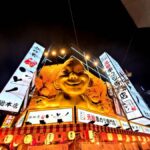
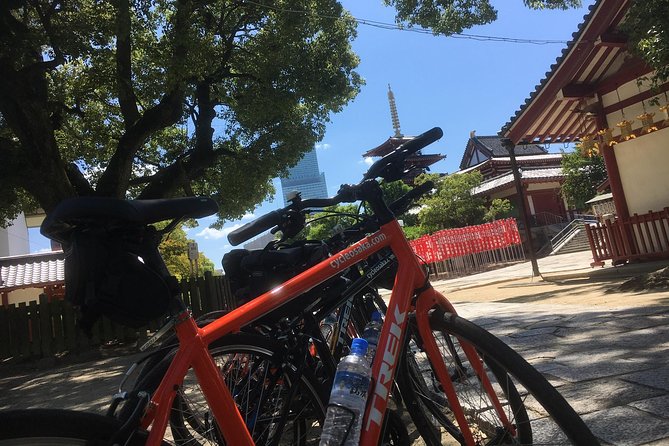
You meet in the morning near the Tsutenkaku area, a central landmark that helps you orient fast. The tour typically starts with a short transfer to the bike storage facility so you can get fitted properly. You’ll also get a helmet and bottled water, which is exactly how a modern city tour should start: practical, quick, and safety-minded.
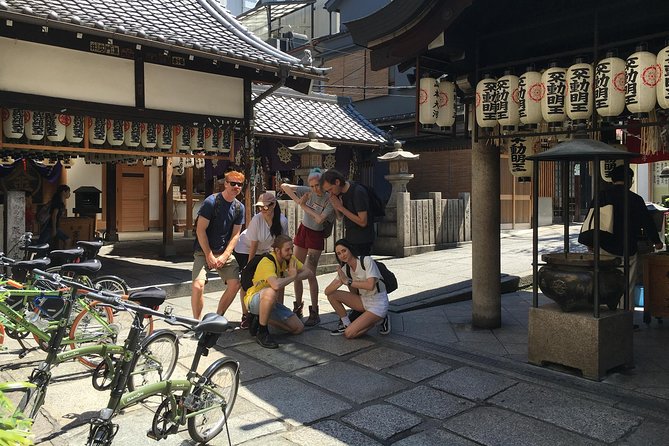
Bike setup is more important than most people think. Reviews mention that bikes are easy to use and available in different sizes, and that helmets are provided. That combination usually means fewer first-10-minutes jitters and more time for food and photos.
One more pro tip: if you are not sure about pedaling comfort, ask about e-bikes when you book. People in past groups have requested them when terrain felt like a concern, and it helped make the day feel effortless.
Finally, this is a mobile-ticket experience, which usually means fewer paper steps and less time waiting around. You still want to arrive a few minutes early so you can handle the fit and get settled before your first stop.
Shinsekai First Bites: Street Oden, Tofu, and Doteyaki
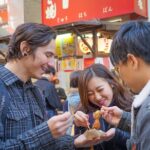
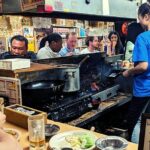
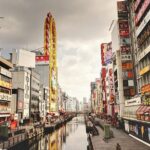
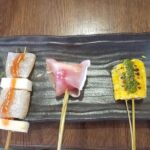
After you roll out from the start area, you head to Shinsekai, one of the most food-forward parts of Osaka. This is where the tour hits its stride right away: you start with something street-style so the day feels fun from the first minutes, not like a long warm-up.
What you eat at the first stop can shift depending on group tastes, but you might start with street oden, tofu, or doteyaki. Those are not just random snacks. They are classic Osaka comfort foods that show how much the city treats everyday ingredients like main characters.
Street food also teaches you something useful for the rest of your trip: how locals actually snack. You’ll learn what to look for, what order makes sense, and how the flavors move from savory to richer tones as you keep going. By the time you reach the market later, you’ll feel more confident navigating the options.
Drawback check: your first meal might not be what you expected if you had your heart set on sushi immediately. But that is the point. You get the Osaka foundation first, then build toward the more formal bites.
Shitennoji: Osaka’s Old Temple Stop on Two Wheels
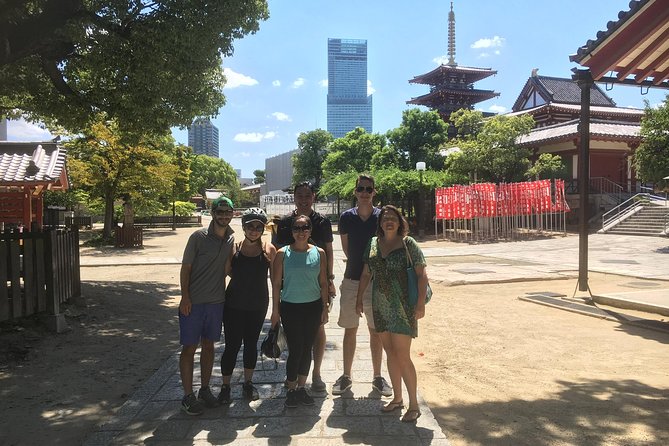
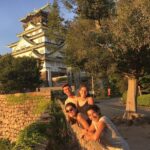
One of the most memorable parts of this tour is the temple ride up to Shitennoji, described as Japan’s oldest temple. You do not spend all day in a single history site, but you get a meaningful pause with photos and a short explanation of the area.
This stop works because the biking makes it feel like part of the day instead of a separate excursion. You arrive, take your pictures, and get context, then you ride back down toward the market area. That down-slope transition is one of those simple travel moments that feels like the tour is letting you breathe before the snack-heavy second act.
What you should plan for: the ride includes some uphill effort. One reason people ask about e-bikes is exactly this kind of moment. If you can handle moderate pedaling, you will be fine. If hills make you nervous, handle that early by choosing a bike option that gives you comfort.
Tsuruhashi Market: 40–60 Minutes of Snack Sampling
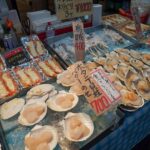
Next comes the Tsuruhashi market zone, where the tour turns from “street ambiance” to “shopfront variety.” You’ll spend about 40 to 60 minutes here, meeting stall holders and sampling a range of market snacks.
This is the part that many people love most because you get choices without having to do all the research yourself. On your own, markets can be overwhelming: you see too much and you guess too often. With a guide, you sample across categories, which makes it easier to learn what Osaka does best.
Also, a market visit can be a great shortcut to future dining. As you taste, you’ll pick up patterns: what broths or sauces you like, which textures feel most satisfying, and what kinds of snacks you can later hunt down at other shops.
A small planning note: since this segment is time-limited, keep your phone charged and be ready to move when the group is ready. If you wander too far, you will miss the best tasting window.
You can also read our reviews of more cycling tours in Osaka
Wagyu Sit-Down Taster: A Real Meat Checkpoint
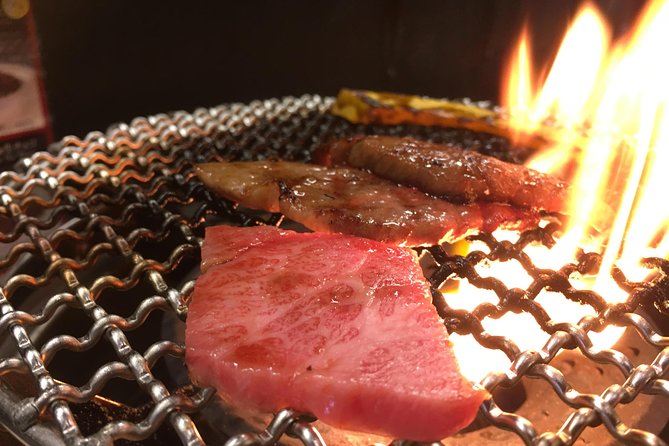
After the market snack time, the tour shifts into a more sit-down-style stop for a wagyu beef taster. This is not an endless buffet. It’s a short, focused experience that gives you a higher-value anchor in the middle of the food run.
This stop matters because it balances the day. Street food and market snacks tend to be heavier on variety and convenience. A sit-down wagyu taster adds richness and makes the later final stops feel like a finish instead of a second overload.
It is also a helpful contrast for your palate. If your market sampling leaned savory and starchy, the beef can reset your taste expectations and make the final sushi pairing feel more intentional.
Tower Knives: A Short Hands-On Detour That Feels Very Osaka
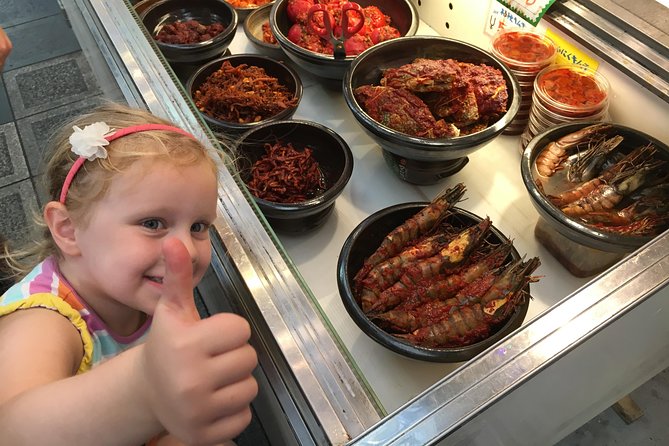
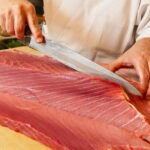
Between major food and sightseeing moments, you ride through the streets and stop at Tower Knives. This is one of those uniquely Osaka stops that changes the mood. Instead of another “taste here” stop, you get a hands-on kind of moment related to knives.
The tour wording is clear that you will get to try your hand with Osaka’s sharpest export. Even if you are not buying anything, that interaction gives your day a memorable break from eating. It’s also a chance to learn why Osaka has such a strong identity with craftsmanship and tools.
If you like quirky stops that feel local, this is a great one. If you dislike shopping-related detours, you’ll still likely enjoy it for the short demo aspect, especially because it is sandwiched between proper food stops.
Final Stop: Sushi Nigiri Set Plus Kushikatsu Skewers
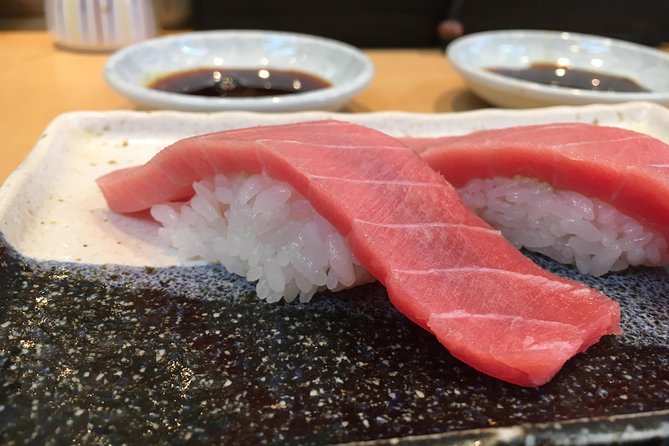
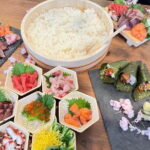
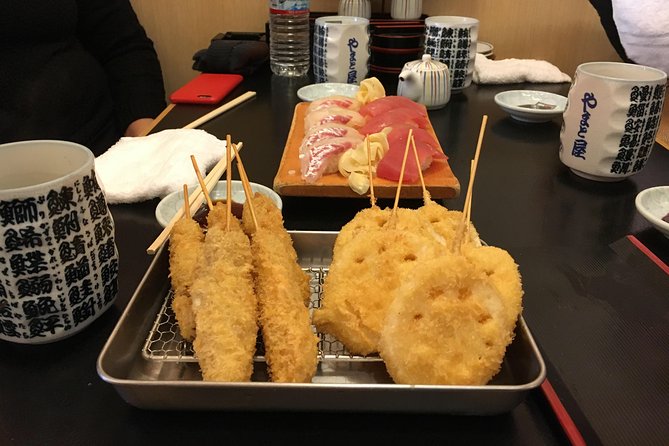
The tour ends at a local-run sushi shop where you get recommendations for a set of nigiri rolls. You also get assorted kushikatsu skewers delivered from next door, so you finish with a combo that feels like Osaka at its most practical and snack-loving.
This ending structure is smart. Sushi is a natural closing note for a food tour because it is clean, controlled, and easy to pace. Then kushikatsu adds crunch and variety right as you wrap up. You get a strong sense of Osaka’s street-festival energy without sacrificing the satisfaction of a proper sushi finish.
Afterward, the bikes return to the base area with a short ride back so the whole tour stays around 3 hours 30 minutes total. That timing is one more reason this works well as a single-day plan: you still have plenty of room for your afternoon on your own terms.
Price and Value: Is It Worth Around $99?
At about $99.49 per person, you are paying for more than food. You are paying for a guide, a bike (plus helmet), bottled water, and multiple guided tastings across several neighborhoods in a single morning.
So the value question comes down to what you want from Osaka:
- If you want a guide-led route that saves you the guesswork on where to eat, this price makes sense.
- If you want to freestyle everything and treat a market like an open buffet of choice, you might feel limited by how many set stops you get.
One reason the price tends to land well is that the tour includes both “sight” and “snack” stops: Tsutenkaku area context, the Shitennoji temple moment, Tsuruhashi market time, plus a wagyu taster, sushi set, and kushikatsu skewers. That is a lot of variety for a short duration, and the guide’s picks prevent you from spending your energy second-guessing.
If you do book, plan to treat the included tastings as your foundation, not your entire meal plan for the day. You can always add a dessert or a full dinner after. This tour is about smart sampling and seeing the city in motion.
What to Bring, How to Ride, and Who This Suits
This experience is aimed at people with moderate physical fitness. Osaka can feel easy for biking, but there is enough pedaling effort to matter, especially around the temple area. Your best bet is comfortable shoes and clothes you can move in.
Here’s what I’d bring as a practical checklist:
- Comfortable walking shoes or light sneakers (you may hop off for photos)
- A light layer for morning air
- Sunglasses or a hat if it is sunny
- A rain layer like a poncho if the weather shifts (rain setups are common in Osaka)
The tour is also not recommended for children aged 12 and under, and it is not possible for riders under 140 cm. The height limit matters for bike fit, so take that seriously.
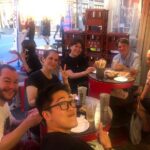
Group size is capped at 7, which is a major quality factor. With a small group, the ride feels calm, and it’s easier for the guide to help everyone stay together. You also get more room for the kind of in-the-moment local advice that makes a trip feel personal. The guide can share more dining recommendations to visit during your stay, which is a useful bonus after the tour ends.
One more reassurance from past experiences: guides have handled small mishaps with calm attention, with first-aid support on hand. You’re still responsible for safe riding, but you should feel taken care of.
Should You Book Eat, Drink & Cycle: Osaka Foodie Bike Tour?
Book this tour if you want an efficient Osaka morning that mixes south Osaka neighborhoods, temple context, and a real range of food—from street bites to market snacks to nigiri and kushikatsu. It’s also a great pick if you like structured sampling and would rather ride with a plan than wing it under time pressure.
Skip it or consider alternatives if you are set on a very long market-style tasting where you pick dozens of items at your own pace, or if your budget is tight and you feel bike rental plus guided stops should cost less. This tour earns its price by packing a lot of stops into a short window, so you get the best value when you’re excited about variety and guided direction.
If you do book, think of it as a tastings-and-orientation day. Then let the afternoon be yours.
FAQ
How long is the Osaka Foodie Bike Tour?
It runs for about 3 hours 30 minutes.
Where does the tour start and where does it end?
It starts at 1-chōme-10-7 Tenma, Kita Ward, Osaka, and ends back at the meeting point.
When does the tour run?
The start time is listed as 10:30 am, and you’ll receive confirmation at booking.
Is the tour only for eating, or does it include sightseeing too?
It includes both. You bike between multiple stops, including a visit to Shitennoji temple and time in Tsuruhashi market.
What food is included?
Food tastings are included across 3–4 different eateries. You may try street oden/tofu/doteyaki, market snacks, a wagyu beef taster, nigiri rolls, and assorted kushikatsu skewers.
Is alcohol included?
No, alcoholic beverages are not included.
Do I get a bicycle and helmet?
Yes. The tour includes use of a bicycle and a safety helmet.
How many people are on the tour?
It is limited to a maximum of 7 travelers.
Do I need to be very fit to bike?
You should have a moderate physical fitness level. The ride includes some pedaling effort, including toward the temple.
What happens if the weather is bad?
The experience requires good weather. If it’s canceled due to poor weather, you’ll be offered a different date or a full refund.