REVIEW · OSAKA
Osaka: Castle, Tea Ceremony, Calligraphy, and Samurai Armor!
Book on GetYourGuide →Operated by Osaka JOINER · Bookable on GetYourGuide
Osaka turns into a living classroom. This tour layers Osaka Castle with a classic tea ceremony and calligraphy, so the day feels hands-on instead of like a speed-run through landmarks. I like that the pace mixes big sights with small cultural lessons you can actually try. One thing to note: the popular extras like samurai armor photos or kimono wearing cost extra on top of the $135.
After the culture stops, you finish in Dōtonbori, Osaka’s famous street-food and neon area for photos and snacks. The value is strong because you get a guided history context plus activities like a samurai show and traditional instrument time. The main drawback is fit: it’s not suitable if you have back problems, and it isn’t recommended for people over 70.
Key points to know before you go
- Osaka Castle entry: a full landmark visit, not just a photo stop
- Tea ceremony + calligraphy: learn the vibe and try it yourself
- Samurai show plus optional armor photo time
- Traditional instruments: Shamisen, Koto, and Shinobue are part of the program
- Dōtonbori at the end: plan for street-food browsing and picture-taking
- Extras are paid separately: armor/kimono add a fee (see FAQ)
In This Review
- Osaka Castle entry: the photo you came for, plus the context you stay for
- Tea ceremony and calligraphy: learn the rhythm, not just the words
- Samurai culture: show, optional armor photos, and a photo moment you’ll actually use
- Traditional instruments time: Shamisen, Koto, and Shinobue
- Dōtonbori at the end: street-food browsing and a clean finish to a busy day
- Price and value: what $135 covers, and what costs extra (so no surprises)
- Practicalities that actually matter: meeting point, cash, and physical limits
- Where to meet
- What to bring
- House rules
- Who should think twice
- Language and group experience
- Should you book this tour?
- FAQ
- What is included in the $135 per person price?
- How much extra does samurai armor cost?
- How much extra does kimono wearing cost?
- Where is the meeting point in Namba?
- Is the tour offered in English?
- Do I need to bring cash?
- FAQ
- Is it suitable for seniors or people with mobility issues?
- Can kids join the samurai experience?
Osaka Castle entry: the photo you came for, plus the context you stay for
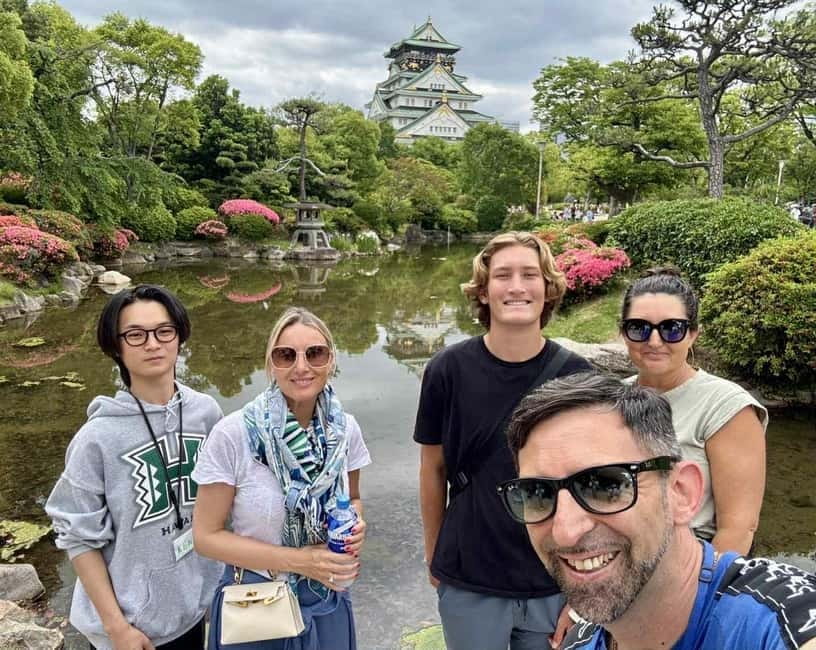
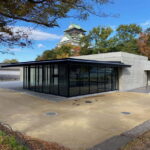
Osaka Castle is the kind of place that looks great in daylight and even better when you understand what you’re seeing. On this tour, you don’t just walk through the grounds for quick pictures. You get a guided route that helps you connect the castle to Osaka’s story, so it feels less like a backdrop and more like a real place with meaning.
The castle is also a practical choice for a guided day because it organizes your time early. You start with the most “worth it” landmark first, when your energy is still high and the rest of the day’s activities make sense as cultural follow-through. If you’re the type who likes to take a few photos, zoom out, then take a few more with a better angle, you’ll appreciate that the stop is built for both.
One small consideration: you’ll be doing enough walking around the castle area and later stops that you’ll want to wear comfortable shoes. If your mobility is limited, the rest of the tour may feel like too much.
Tea ceremony and calligraphy: learn the rhythm, not just the words
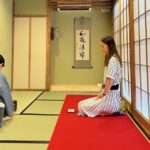
This is where the tour becomes more than sightseeing. A Japanese tea ceremony is less about spectacle and more about attention: posture, timing, and the small etiquette details that make the whole experience feel calm. You get guided instruction, then you experience it directly. Even if you only remember a couple of etiquette points, you’ll walk away with a real sense of what people mean when they say the culture values manners and presence.
Right after that, calligraphy gives you a hands-on payoff. You’re not just watching someone else do it. You get a session where you learn how characters are formed and how the tool controls the line. Calligraphy is oddly satisfying because progress feels immediate: the moment you see the shape come together, it clicks that this isn’t random art—it’s controlled movement and focus.
If you’re traveling with kids, this segment can work well too. The activities are more participatory than most museum visits, and the learning is simple enough to stay engaging without being overly technical.
You can also read our reviews of more tours and experiences in Osaka.


Samurai culture: show, optional armor photos, and a photo moment you’ll actually use
The samurai part is a major reason people book this tour, and it’s handled in a way that doesn’t feel like pure theater. You get a samurai show, plus traditional culture around it through an optional armor photo experience.
Here’s the key detail for planning: samurai armor is not included in the base price. If you want the armor experience and photos, there’s an additional fee of ¥4,820. The tour info also notes you can tell the guide on the day or send a message in advance so they can include it. That fee is listed as valid until the end of August, so if you’re traveling later in the year, it’s smart to confirm the current price when you book.
If you like getting one good, dramatic photo, this is your moment. The optional armor portion is set up as a take-home memory, not just a costume change. Kids can also enjoy the samurai experience with armor designed for them, which is a fun way to make the story feel age-appropriate.
Traditional instruments time: Shamisen, Koto, and Shinobue
One of the smarter moves on this tour is including music you may not have the chance to try elsewhere. The program includes playing traditional instruments—Shamisen, Koto, and Shinobue—so you’re not limited to passive listening.
These instruments each have their own feel:
- The Shamisen is known for its punchy, rhythmic sound.
- The Koto carries a more flowing tone.
- The Shinobue brings a clearer, flute-like character.
Even if you only get a basic introduction, you’ll hear how the sounds fit together and why people treat them as serious art, not background noise. It’s also a nice break from sitting and helps keep kids and adults interested.
Dōtonbori at the end: street-food browsing and a clean finish to a busy day
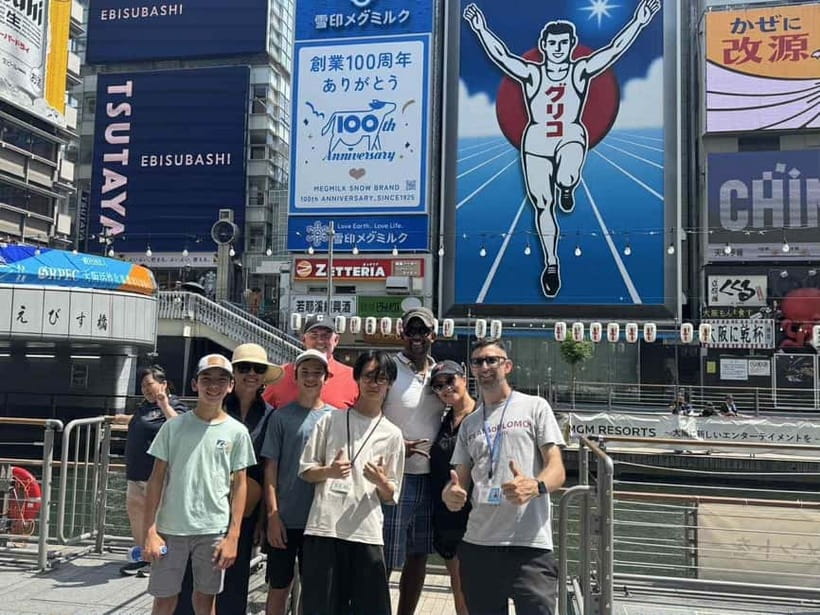
You wrap up in Dōtonbori, Osaka’s entertainment and street-food district. This is the part of the day where you shift from guided learning to your own exploring. Think photo opportunities, street scenes, and the freedom to choose snacks that match your mood.
This ending works well because the earlier cultural stops give the day structure. By the time you reach Dōtonbori, you’re ready to wander a bit without feeling lost. It’s also an easy place to convert what you learned earlier into something real: after experiencing tea culture and traditional arts, you can end with Osaka’s street-life energy and flavor.
A practical note: street areas can get crowded at peak times. If you’re sensitive to tight spaces, keep your expectations flexible and plan to move slowly with the group when needed.
Price and value: what $135 covers, and what costs extra (so no surprises)
The base price is listed at $135 per person, and it includes:
- Osaka Castle
- Japanese tea ceremony
- Japanese calligraphy
- Samurai show
- Playing traditional instruments
- Taking photos in samurai armor (optional)
But there’s a crucial separation between what’s in the base price and what you pay as an add-on:
- Samurai armor experience (additional fee): ¥4,820
- Kimono wearing (additional fee): ¥4,820 (Woman only)
So is the tour worth it? For me, yes—if you’re interested in getting more than one type of cultural experience in a single day. Many Osaka tours focus on castle plus city streets and leave the cultural activities as quick demonstrations. Here, tea ceremony and calligraphy are structured lessons, and the samurai and instrument parts add variety so the day doesn’t feel repetitive.
Where it can get expensive is if you want both the armor and a kimono photo moment. Then you’re paying the add-ons on top of the base rate. If you’re traveling as a couple or family, it can still be worth it, but I’d decide ahead of time which photo is the priority for you.
Also, you’ll want to budget for your snacks and drinks in Dōtonbori, since street food isn’t listed as included.

Practicalities that actually matter: meeting point, cash, and physical limits
Where to meet
You start at the Osaka JOINER base, B1 floor of Namba Walk (an underground shopping street) near Exit B23. The guide’s shop is between the Mizuno shop and the Docomo shop. If you’re coming from Starbucks, go to the other side.
This level of detail matters because underground stations can confuse even fast walkers. Give yourself a few extra minutes so you can find the shop without stressing.
What to bring
Bring cash. The tour notes cash is needed, which usually means extra fees or day-of add-ons are handled more smoothly with it.
House rules
Smoking indoors isn’t allowed.
Who should think twice
The tour isn’t suitable for people with back problems, and it’s not recommended for people over 70. That doesn’t automatically mean you should skip Osaka, but it does mean you should be honest about your comfort with walking and standing through multiple cultural stops.
Language and group experience
The tour is in English, which makes the cultural instruction easier to follow without translating on your own. You’ll also spend enough time participating that you’ll want to be comfortable speaking up if you have questions.
Should you book this tour?
Book it if you want one guided day that covers the big Osaka landmark plus real cultural activities. The strongest reasons to choose it are the combination of tea ceremony + calligraphy and the extra culture layer of samurai show + traditional instruments. You’ll likely leave with stories you can explain, not just photos of what things look like.
Skip or modify your plan if you’re mainly chasing city views and don’t care about structured lessons. Also, if optional extras are a big part of your day, decide in advance whether you want samurai armor and/or kimono, because those add costs.
If you do book, my best advice is simple: choose your photo priorities before you arrive, wear comfortable shoes, and come ready for a day that mixes quiet etiquette time with energetic street-food wandering at the end.
FAQ
What is included in the $135 per person price?
The listed inclusions are Osaka Castle, a Japanese tea ceremony, Japanese calligraphy, a samurai show, playing traditional instruments, and taking photos in samurai armor (optional). Samurai armor experience and kimono wearing are listed separately as extra fees.
How much extra does samurai armor cost?
The samurai armor experience has an additional fee of ¥4,820. The tour info says you can tell the guide on the day or message via WhatsApp to include it.
How much extra does kimono wearing cost?
Kimono wearing is additional and listed at ¥4,820, and it’s woman only.
Where is the meeting point in Namba?
You meet at the Osaka JOINER base, B1 floor of Namba Walk near Exit B23, between the Mizuno shop and the Docomo shop. If you’re coming from Starbucks, you should go to the other side.
Is the tour offered in English?
Yes. The tour languages are listed as English.
Do I need to bring cash?
Yes, the tour notes cash as something you should bring.
FAQ
Is it suitable for seniors or people with mobility issues?
The tour is listed as not suitable for people with back problems and not suitable for people over 70.
Can kids join the samurai experience?
Kids can enjoy the samurai experience with armor designed for them, based on the tour information. If you want the armor experience, it’s listed as an additional fee option.