REVIEW · OSAKA
Osaka: Castle History Walking Tour / Castle Tower Admission
Book on GetYourGuide →Operated by Local Guide Stars · Bookable on GetYourGuide
Osaka Castle makes warfare look elegant. This skip-the-line tour turns Osaka Castle into a readable plan: outer moats, layered gates, and the little design tricks that slowed attackers down. I also love the tower top city view, because the walk only feels worth it once you see the fortress placement from above.
One consideration: this is still a walking tour through historical grounds, and the included ticket covers the tower entry—but it does not mean every museum floor is guided in detail.
In This Review
- Key Points Worth Your Time
- Where the Tour Starts: Lawson S Otemae Rest House
- Skipping the Lines: Why the Separate Entrance Matters
- Walking the Fortress Perimeter: Triple Moats and Trapped Gateways
- Triple moats and multi-layer gates
- Masugata entrances that force awkward movement
- Zigzag routes under fire
- Hokoku Shrine Stop: A Calm Reset Inside Castle Grounds
- Inside the Tower: Command Post Tactics and the City View Reward
- Arrow slits, gun ports, and defensive symbolism
- The view from the top is the payoff
- The Largest Stone: How Builders Moved What Shouldn’t Move
- Wall Angles and Unclimbable Design: Reading Defensive Geometry
- Why the Fortress Didn’t Win: Fall in 1614–1615
- Price and Value at $33: What You’re Really Paying For
- Who This Tour Fits Best (and Who Might Skip It)
- Should You Book This Osaka Castle Tower Tour?
- FAQ
- How long is the tour?
- Where do I meet the guide?
- What’s included in the price?
- Is there skip-the-line entry?
- Is the tour conducted in English?
- What should I bring?
- Is the museum inside the castle fully guided floor by floor?
- What if my plans change?
Key Points Worth Your Time

- Triple-moat layout and masugata entrances: learn how attackers were forced into awkward angles.
- Zigzag approaches built to waste momentum: see the route enemies would have taken under pressure.
- The largest stone and 16th-century transport methods: understand how such heavy work got moved.
- Wall angles, stone marks, and defensive craftsmanship: spot the hints that builders planned for real assaults.
- Tower as the command post: arrow slits, gun ports, and symbolism that discouraged would-be invaders.
- Hideyoshi vs. Tokugawa in 1614–1615: connect the fort’s design to why it ultimately fell.
Where the Tour Starts: Lawson S Otemae Rest House
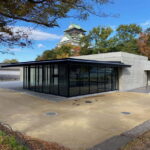
The meeting point is easy once you know what to look for: meet in front of the Lawson S Otemae Rest House Store. There are other Lawson locations nearby, so I’d treat Google Maps as your co-pilot and verify you’re at the exact one.
A practical tip: look for the Local Guide Stars sign. That tiny bit of prep saves you the stress of trying to spot a group while everyone is scanning for directions.
You can also read our reviews of more walking tours in Osaka



Skipping the Lines: Why the Separate Entrance Matters
Osaka Castle can get crowded, especially around the main ticket flow. The big value here is that you’re not standing around sorting out entry while other people are already moving through the site.
This tour gives you castle tower admission and uses a separate entrance for smoother entry. That means you start seeing the important stuff sooner, which matters because the best defensive details are the ones you don’t miss while your focus is still sharp.
If you’re traveling at a busier time of day, think of this as time insurance. Even if you’re not in a rush, it keeps the experience from turning into a line-management exercise.
Walking the Fortress Perimeter: Triple Moats and Trapped Gateways
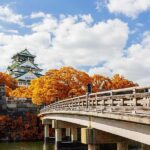
This is the heart of the tour: the outer defense system. Instead of treating Osaka Castle like a pretty backdrop, your guide walks you through it like a battlefield map.
You’ll move through multiple defensive layers, including outer moats designed to delay and divide attackers. One of the most fascinating concepts is how the castle isn’t just “strong” in a general way—it’s strong in specific ways that force movement changes. Attackers don’t get to run straight at the main structures.
Triple moats and multi-layer gates
The tour highlights a triple-moat style defensive layout and multi-layered gates. The point isn’t just water and walls. It’s about creating repeated moments where attackers slow down, regroup, or become separated—each one a chance for defenders to react.
Masugata entrances that force awkward movement
You’ll also see masugata—a defensive entrance design that bends an approach. Picture attackers trying to push forward while the layout keeps them turning, clustering, and losing clean lines of attack. It’s the opposite of a straight highway; it’s more like a set of traps built into architecture.
You can also read our reviews of more historical tours in Osaka


Zigzag routes under fire
As you walk, you’ll understand why the castle pathways feel slightly indirect. The guide explains that these zigzagging routes were designed to interrupt speed and momentum. You’re basically retracing how an assault would have played out on the ground.
This is the kind of history that clicks. You stop asking what the walls look like and start understanding what they were for.
Hokoku Shrine Stop: A Calm Reset Inside Castle Grounds
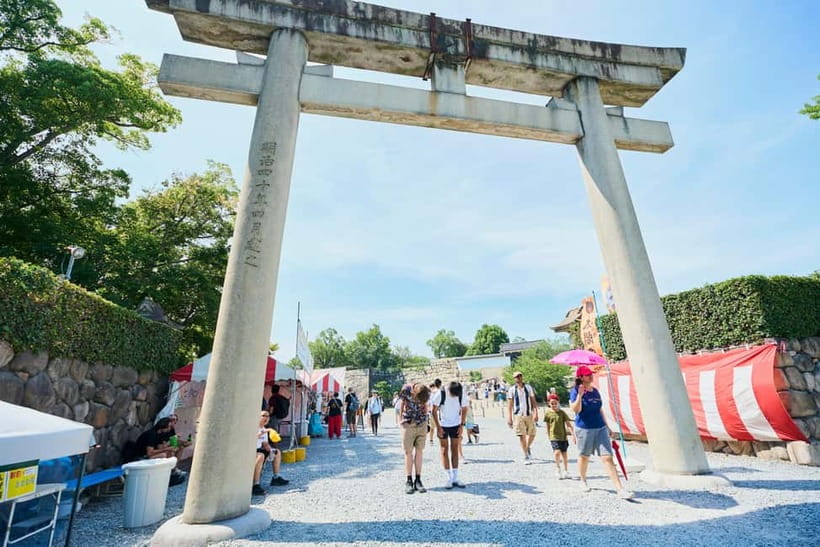
After the fortress walk, there’s a guided visit to Hokoku Shrine (about 20 minutes). It’s a good break because the morning energy shifts from “battle plan” to a more spiritual, place-based side of Osaka Castle grounds.
You’ll likely use this stop for context—how castles, shrines, and official spaces overlap in Japanese history and how the site functions beyond military design.
Also, timing matters. On at least some days, visitors have reported unexpected cultural moments happening during the time they were there, such as a traditional ceremony. You can’t plan on that happening, but it’s a reminder that this isn’t a sealed-off museum set. The site is still a living place.
Inside the Tower: Command Post Tactics and the City View Reward
The tour continues up to the Osaka Castle tower, and this is where the “design as defense” story turns into something you can actually see in action.
The guide frames the tower as a command post and last defense. This matters because it changes how you look at the details. Instead of random features, you start to read the tower as an instrument of control—designed for line-of-sight, protection, and discouraging attackers.
Arrow slits, gun ports, and defensive symbolism
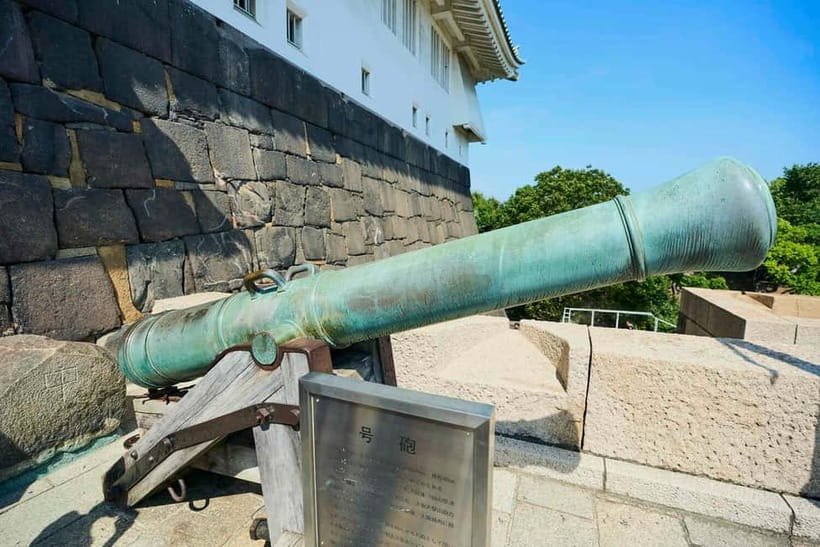
You’ll be shown arrow slits and gun ports, and the guide explains how they fit into a defensive approach. These aren’t just architectural leftovers; they’re functional openings in walls, built for defenders to strike while staying protected.
The tour also covers the psychological layer—how elements like gold were used as part of the message. Even if the attacker never reaches the inner steps, the architecture and materials still communicate power.
The view from the top is the payoff
Then there’s the reward: the view from the top. This is where you finally see why Osaka Castle’s placement mattered. You can connect the earlier stories about moats, gates, and routes to the practical reality of terrain and approach lines.
And since the tour includes the tower entry and skips key waits, you’re less likely to feel rushed once you’re there. The best photo moments tend to happen when you have a little breathing room.
The Largest Stone: How Builders Moved What Shouldn’t Move
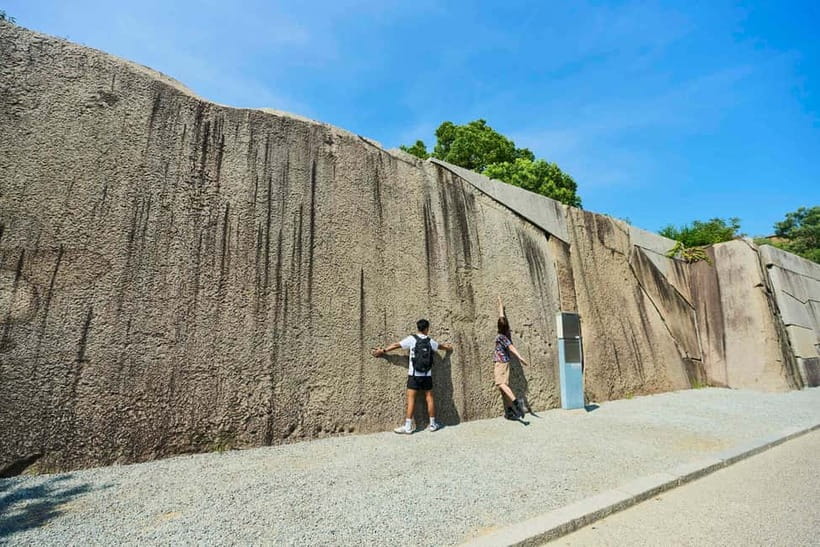
One of the highlights I’d circle before you go: the explanation around the largest stone in the castle.
The tour focuses on how such heavy work was transported, using 16th-century methods. Whether you’re a history nerd or not, this is the kind of detail that makes the site feel real. You stop thinking of castle walls as decorative and start thinking of them as engineering feats.
You’ll also learn about hidden stone marks left by master craftsmen. Those tiny signatures—almost like builder notes—help you understand that quality control was part of the plan, not an afterthought.
It’s also a chance to see defensive construction as a whole system: right materials, right angles, and right workmanship.
Wall Angles and Unclimbable Design: Reading Defensive Geometry
A lot of castle photos make walls look dramatic but simple. The tour helps you read them differently by explaining how builders used wall angles and stonework to make climbing difficult.
When a guide points out structural choices—angles, placement, and how stones were set—you start noticing clues on your own. It turns sightseeing into a kind of visual puzzle.
This section is also useful for anyone who cares about design beyond castles. The logic is the same in many old fortifications: if you can’t stop movement, you can control it.
Why the Fortress Didn’t Win: Fall in 1614–1615
You’ll end with the big historical arc: how Osaka Castle was seen as “invincible,” yet fell in 1614–1615.
The tour connects that outcome to the power struggle between Toyotomi Hideyoshi’s legacy and Tokugawa Ieyasu’s ambition. That’s not just a date list. It gives the castle a real human story: rival loyalties, shifting alliances, and politics that outlast architecture.
This ending helps the entire tour land. You realize the fortress wasn’t meant to stop conflict forever. It was built to survive a specific kind of pressure, and history changed the terms.
Price and Value at $33: What You’re Really Paying For
At $33 per person for about 90 minutes, the key question is: what are you buying besides entry?
Here’s the value equation:
- You get tower admission included, so you’re not separately paying for the main access point.
- You get a professional English-speaking guide, and the guide explains the defensive logic—moats, gate geometry, stonework, and tower functions.
- You get skip-the-line entry, which protects your time and keeps the experience from stalling.
The one thing you should know going in: the included ticket is for the tower, but it does not guarantee a guided, floor-by-floor museum walkthrough. So if you love reading everything at your own pace, you’ll still enjoy it. If you want a full “museum lecture” across every level, you may feel the tour is only partially focused on interiors.
For most people, that’s exactly why this tour works: it prioritizes the outdoor defensive story and the tower overview, then gives you time to take it all in.
Who This Tour Fits Best (and Who Might Skip It)
This is a strong match if you:
- like architecture with a purpose (not just photos)
- care about military strategy and how design controls movement
- want an English guide to translate what you’d otherwise miss
You might skip it if you:
- only want a quick look and don’t care about how the defenses were built
- hate walking around outdoor historical sites
- expect a guided tour of every museum floor inside
The tour hits that sweet spot where it’s educational without turning into a textbook.
Should You Book This Osaka Castle Tower Tour?
Yes, if you want Osaka Castle to make sense fast. The skip-the-line setup protects your time, and the guided focus on moats, gates, stonework, and the tower’s defensive features is exactly what makes a guided visit feel worth the money.
Book it especially if you’ll be there on a day when crowds are likely. The combination of strategy storytelling and the payoff view from the tower top is the kind of experience that sticks long after you’ve walked away.
FAQ
How long is the tour?
The total duration is about 90 minutes.
Where do I meet the guide?
Meet in front of the Lawson S Otemae Rest House Store. There are multiple Lawson stores nearby, so double-check the correct location on Google Maps. Look for the Local Guide Stars sign.
What’s included in the price?
You get a professional English-speaking guide and a ticket for admission to the Osaka Castle tower.
Is there skip-the-line entry?
Yes. The tour includes skip-the-line access through a separate entrance.
Is the tour conducted in English?
Yes, it’s an English live tour guide.
What should I bring?
Wear comfortable shoes and bring weather-appropriate clothing.
Is the museum inside the castle fully guided floor by floor?
No. The included experience covers the tower admission, but the guided tour of each floor in the museum is not included.
What if my plans change?
You can cancel up to 24 hours in advance for a full refund. You can also reserve and pay later.