REVIEW · OSAKA
Osaka: Kyoto & Nara & Uji Historical and Scenic One-Day Tour
Book on GetYourGuide →Operated by Japan Visionary Tour · Bookable on GetYourGuide
Three big icons, one full day. This Osaka-to-Kyoto-to-Nara-to-Uji tour stitches together Nara deer feeding, the scale of Tōdai-ji, and a night-at-the-carnival feel at Fushimi Inari’s red gates, all with air-conditioned van transport.
I like that the day is guided in plain, practical language, with a sense of humor that helps you understand what you’re looking at instead of just rushing past it. I also love the contrast of stops: the solemn weight of Tōdai-ji followed by Uji’s slower matcha pace and the Byōdoin area’s quiet mood. One consideration is simple: it’s a long day, and you will spend real time on the road, so the on-site moments can feel brisk.
In This Review
- Quick hits before you go
- Why This Osaka–Kyoto–Nara–Uji Day Tour Makes Sense
- Getting Around: Van Comfort, Moderate Walking, and Real Time Limits
- Nara Park Deer Feeding: Fun, Fast, and Follow-the-Guide Important
- Tōdai-ji Temple: The Bronze Buddha Moment You’ll Remember
- Uji River and Matcha Culture: Where the Day Slows Down
- Statues, Parks, and Pauses: The Murasaki Shikibu and Uji Park Stops
- Byōdoin Temple: Tranquility After the Big-Hall Experience
- Fushimi Inari Taisha: Torii Gates, Photo Timing, and a Serious Walk
- Price and Value: What $56 Really Covers
- Your Guide Matters: Humor, Detail, and Simple Group Control
- Who Should Book This Tour (and Who Might Want Another Option)
- Before You Go: Shoes, Water, and Deer Safety That Keeps the Day Fun
- Should You Book This One-Day Osaka–Kyoto–Nara–Uji Tour?
- FAQ
- FAQ
- Is admission to Tōdai-ji included in the tour price?
- Is admission to Byōdoin Temple included in the tour price?
- Are meals included during the day?
- What’s the total duration of the tour?
- Do I get picked up from a hotel?
- What languages is the guide available in?
- Is the tour suitable for wheelchair users or animal allergies?
Quick hits before you go
- Nara Park deer-feeding rules so you can enjoy it without chaos
- Tōdai-ji’s giant bronze Buddha with a short but powerful visit
- Uji matcha time along the river and Byōdoin Omotesandō area
- Byōdoin Temple calm after the bigger, busier crowd moments
- Fushimi Inari torii corridor where photos and timing matter
Why This Osaka–Kyoto–Nara–Uji Day Tour Makes Sense
If you’re short on time in the Osaka area but still want the classic Kyoto-and-Nara hits, this is the efficient play. You cover multiple UNESCO-level sights across three regions in about 8–10 hours, using a vehicle that handles the hard part: navigation and transfers.
What makes it especially workable is the rhythm. You get one focused nature moment in Nara Park, two temple experiences that feel very different from each other (grand vs. hushed), and then the one place where your camera hand will not know how to behave: Fushimi Inari Taisha.
Is it worth it? At $56 per person, the value comes from transportation plus an English-speaking guide included in the price. The tradeoff is pace. This is not a slow-stroll day designed for lingering; it’s built for seeing a lot and still ending with enough energy for the torii walk.
You can also read our reviews of more historical tours in Osaka
Getting Around: Van Comfort, Moderate Walking, and Real Time Limits
This tour includes round-trip transport by air-conditioned vehicle, plus tolls, parking, and fuel fees. That matters because traffic between Osaka, Kyoto, Nara, and Uji can be unpredictable, and you don’t want to spend your precious hours figuring out trains while your group is moving.
Plan on a moderate amount of walking. The schedule includes sightseeing blocks plus specific walk time at Fushimi Inari (about 70 minutes). Comfortable shoes are not optional if you want to enjoy it instead of counting steps.
Also, be aware of the pacing. The tour moves efficiently between highlights, but that naturally reduces how long you’ll spend at each site. If you love museum-style wandering or want long sits for temple gardens, you might feel a little time pressure. The upside is that you still hit the big emotional moments without needing a full multi-day plan.
Nara Park Deer Feeding: Fun, Fast, and Follow-the-Guide Important
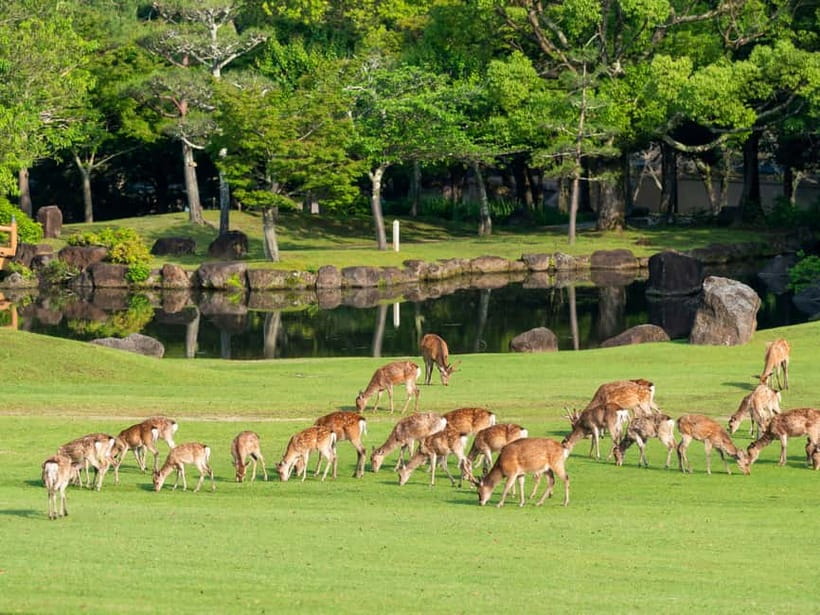
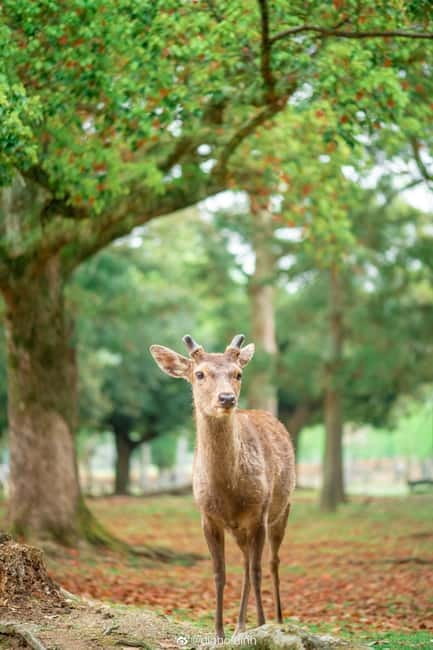
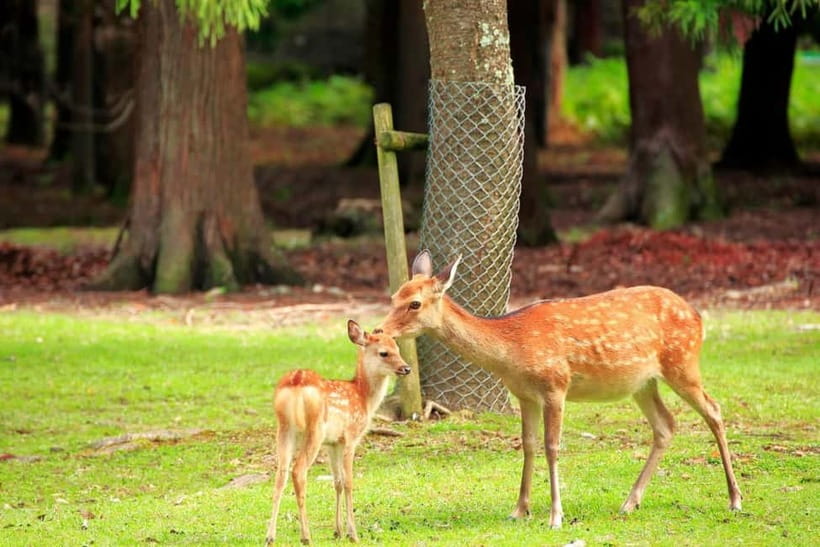
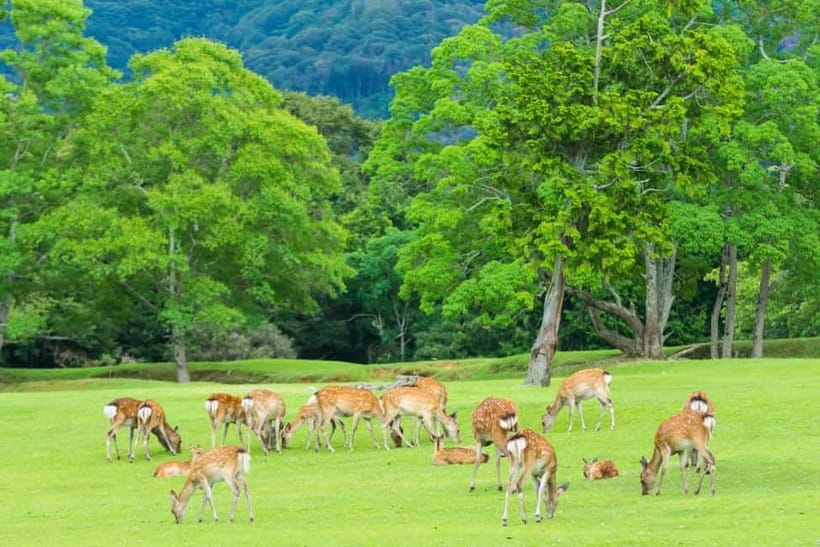
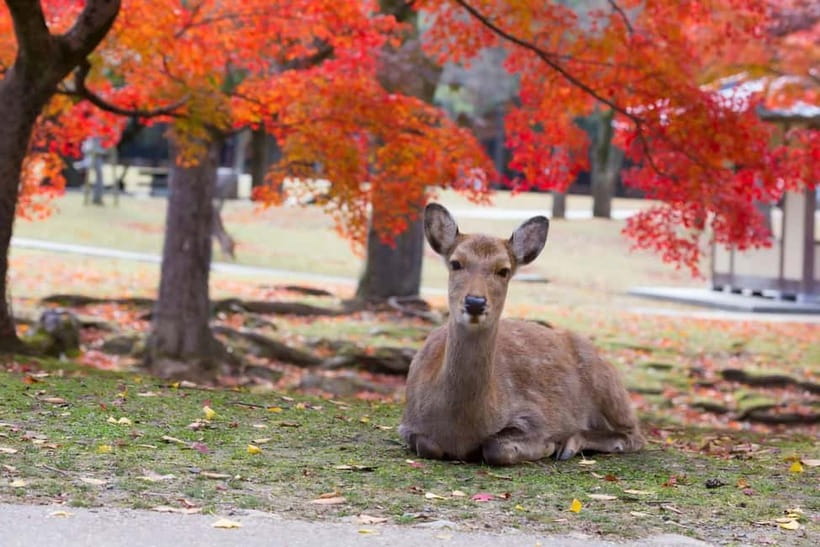
Nara Park is the part of the day that feels most like a scene from an old storybook: thousands of deer roaming freely with that calm, friendly curiosity. You’ll get about 45 minutes of free time for sightseeing, which is enough to walk the park paths, spot deer herds, and take photos without feeling trapped in a single point.
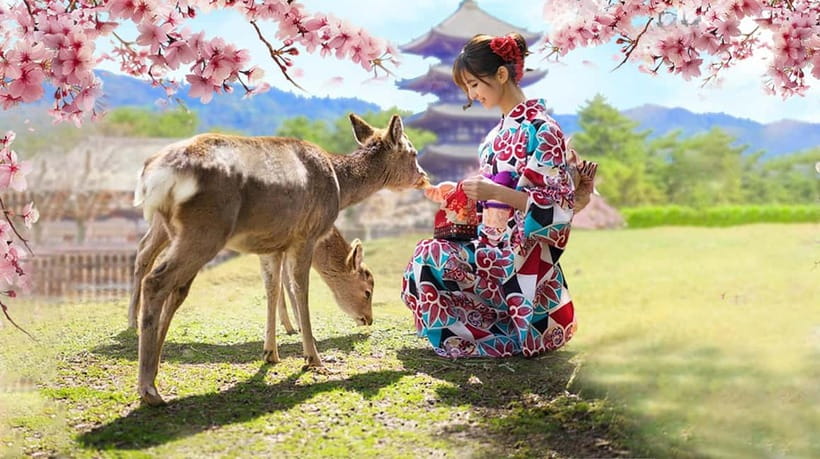
Feeding is a major highlight. The deer are wild animals, though, so you’ll want to stick to your guide’s instructions. That’s not just for safety; it also keeps the moment enjoyable. When everyone follows the rules, you get the memorable interaction you came for: the gentle approach, the quick snack exchange, and that low-key feeling that Nara’s history is standing right there in front of you.
Practical tip: hold water and snacks in a secure way. Deer can be quick and curious, and you’ll want your hands free for feeding properly and taking photos.
Tōdai-ji Temple: The Bronze Buddha Moment You’ll Remember
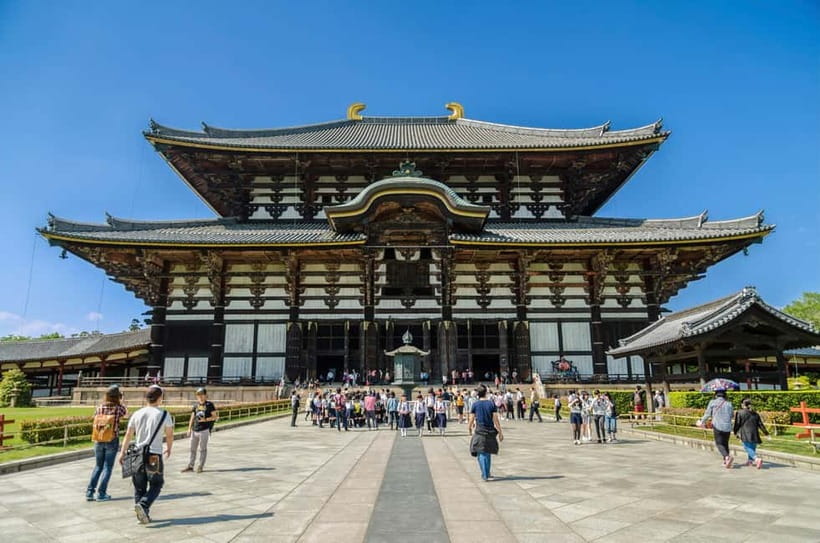
Tōdai-ji is the kind of temple that resets your sense of scale. You’ll spend around 30 minutes sightseeing here, which is short by temple standards, but the main draw is immediate: the huge bronze Buddha (Vairocana Buddha) and the strong sense of age and devotion in the halls.
This is a place where you don’t need a long lecture to feel something. The size of the statue and the monumental space around it do a lot of work for you. Your guide’s role is helpful here because they can explain what you’re seeing and how to read the space instead of treating it like a checklist stop.
One important planning note: admission to Tōdai-ji is not included. You’ll want to budget for that so you don’t waste time later figuring it out on the spot.
Uji River and Matcha Culture: Where the Day Slows Down
Then you shift from grand temple energy to Uji, a town strongly tied to matcha culture. You’ll have about 2 hours for sightseeing, plus time near the Uji River area, which helps you shake off the earlier intensity.
This is the part of the tour that often feels most satisfying because it’s not only about a single landmark. You can stroll the river area, and you’ll also head toward the Byōdoin Temple surroundings—specifically the Byōdoin Omotesandō street zone, described as full of local delicacies.
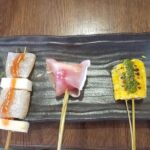
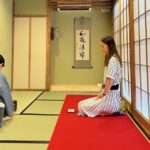
The matcha element is the star. There’s time at an Uji Matcha Food Street where you can taste matcha desserts, and you’ll also get a feel for the tea ceremony culture that shaped this town’s reputation. Even if you’re not a tea-ceremony superfan, it’s a good cultural break: sweet, soothing flavors after the sharper edges of deer and temples.
Two practical tips here:
- Pace yourself with tasting, since you’ll still continue on to the next major stop.
- If you plan to buy matcha items, keep an eye on how much you’re carrying, since you’re in transit after Uji.


Statues, Parks, and Pauses: The Murasaki Shikibu and Uji Park Stops
This tour includes smaller stop points that matter more than you’d think when the day is packed. You’ll see a Statue of Murasaki Shikibu, and you’ll also have a sightseeing window at Kyoto Prefectural Uji Park.
These pauses help break the day into mental chunks. Instead of moving from one crowd magnet to the next, you get small moments for photos, a breath of air, and some light context. When you’re trying to cover Osaka, Kyoto, Nara, and Uji in one go, these smaller stops prevent the day from feeling like one long line of heads turning in the same direction.
If you’re the type who likes storytelling links—who was Murasaki Shikibu, why does she belong in this area—this kind of add-on stop can make your time feel more connected. If you’re mainly focused on the biggest monuments, it still gives you a chance to reset your legs before Fushimi Inari.
Byōdoin Temple: Tranquility After the Big-Hall Experience
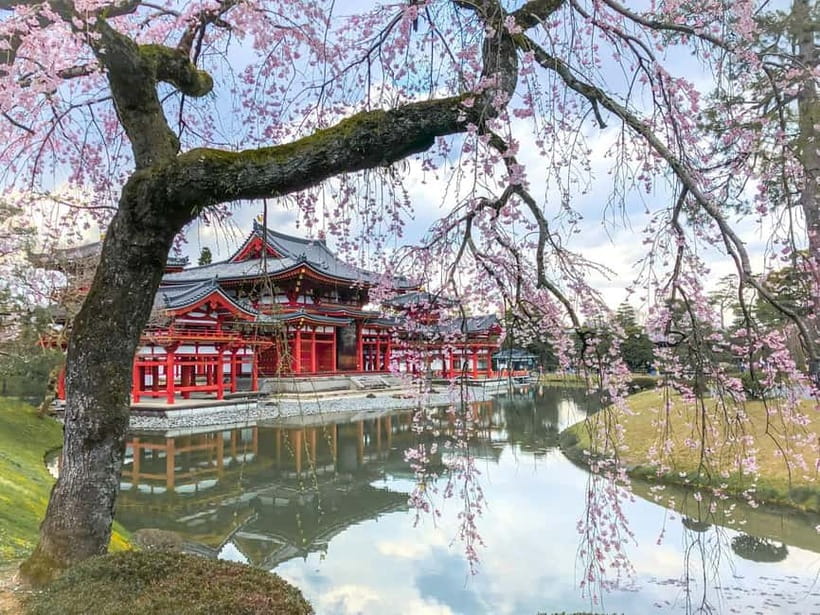
Byōdoin Temple is where the emotional mood of the day changes again. You’ll get a sightseeing stop here that connects to the Uji rhythm, and it’s described as offering tranquility and solemnity.
That matters because it’s not the same kind of impression as Tōdai-ji. Tōdai-ji feels like power and grandeur. Byōdoin is more about atmosphere. Even with a limited time block, you’ll likely notice the shift: people slow down, photos feel quieter, and the space invites reflective pauses instead of quick snapshots.
Admission to Byōdoin Temple is also not included, so plan ahead. If you enjoy temples that feel like you’ve stepped into a different tempo, this stop is one of the reasons this tour works as a one-day sampler rather than just a driving day.
Fushimi Inari Taisha: Torii Gates, Photo Timing, and a Serious Walk
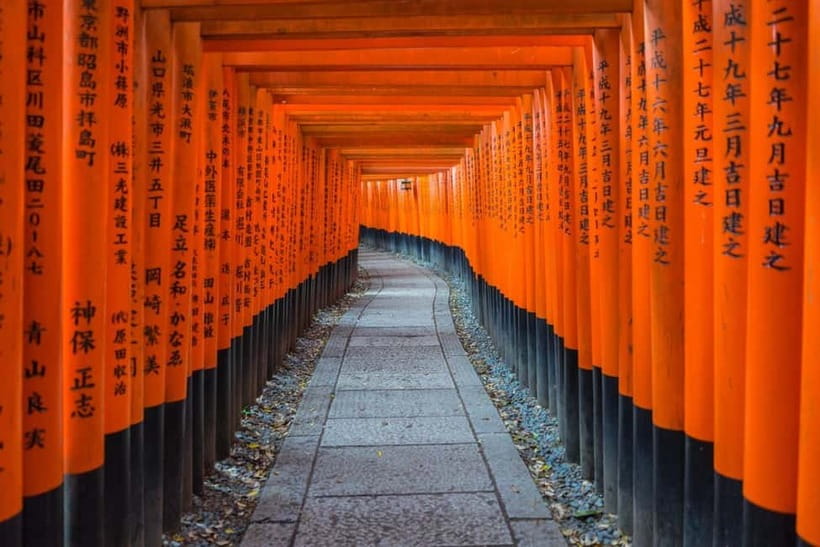
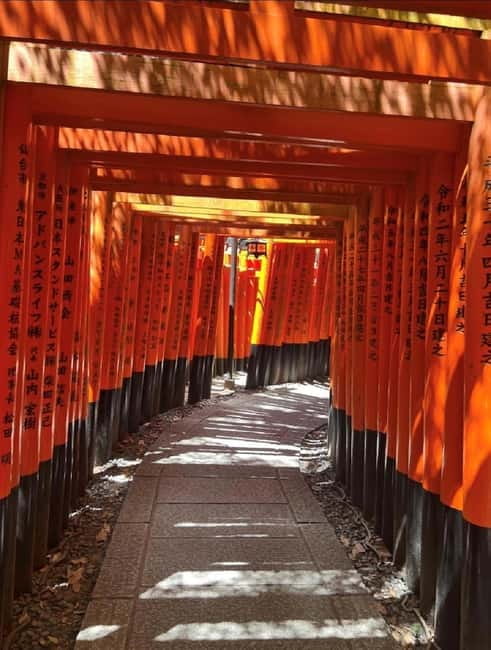
Finally, you reach Fushimi Inari Taisha, famous for its red torii gates and the long Thousand Torii Corridor. You’ll have a break time plus photo stop and free time, and then you’ll walk for about 70 minutes.
This is the stop where you’ll feel why this tour includes transport: Fushimi Inari is popular. The torii corridor can feel magical when sunlight hits through the gates, creating those striped patterns across the path. It’s also a place where the experience depends on your expectations. If you came expecting a quiet hillside shrine, you’ll need to adjust. But if you came for iconic views, strong atmosphere, and a walk that gives you movement instead of just standing still, it delivers.
A practical note: you’ll want to protect your battery. Between the red-orange torii, the changing light, and the crowds moving through, it’s easy to run out of charge fast. Also, keep your pace steady. The walk is long enough that you’ll feel it, especially if you still have energy from earlier stops.
Price and Value: What $56 Really Covers
Let’s talk value honestly. At $56 per person, you’re paying for:
- An English-speaking live tour guide
- Round-trip air-conditioned vehicle transport
- Toll fees, parking fees, and fuel fees
What’s not included:
- Admission to Tōdai-ji
- Admission to Byōdoin Temple
- Meals and beverages
- Personal expenses
So the value calculation depends on your habits. If you’re okay paying temple admissions and grabbing meals on your own, this price is a good deal for a route that otherwise would take multiple transfers. If you prefer a guided day with meals included, you’ll need to budget for food separately.
Also, your day plan includes plenty of sightseeing time, and you’re seeing major icons rather than only side streets. That’s the core reason this works as a one-day purchase for many people staying in the Osaka area.
Your Guide Matters: Humor, Detail, and Simple Group Control
The tour runs with a live guide in Chinese or English, and the experience is described as having humorous, vivid, and detailed explanations. In at least one recent group, the guide was Mia, and the delivery style included useful local tips, including where to shop.
Group coordination can make or break a day like this. One practical signal from past operations: some guides use WhatsApp to connect with the group during the trip. That’s worth keeping in mind because it can help you stay on track, especially when you’re moving through busy stations and crowded shrine areas.
If you want to get the most out of your time, listen early. The guide explanations at the first major sites tend to help you understand what matters visually, so later stops feel less random and more meaningful.
Who Should Book This Tour (and Who Might Want Another Option)
This is a strong match for you if:
- You want to see Nara deer, Tōdai-ji, Uji matcha culture, and Fushimi Inari all in one day
- You don’t want to wrestle with transit connections between Osaka, Kyoto, Nara, and Uji
- You enjoy a guided structure with some free time windows
This tour might be less ideal if:
- You hate time pressure. The schedule is packed, and you’ll likely feel that there’s not endless time at each attraction.
- You need a wheelchair-friendly route. It’s not suitable for wheelchair users.
- You have an animal allergy. The presence of deer in Nara makes this a poor fit.
Pregnancy and age also come with instructions. Customers who are pregnant or aged 70 and above are asked to sign a travel waiver upon arrival.
Before You Go: Shoes, Water, and Deer Safety That Keeps the Day Fun
Bring comfortable shoes and water. That’s the non-negotiable combo for a day with moderate walking and a long torii corridor.
For Nara Park, remember the deer are wild animals. Follow your guide’s feeding instructions closely. That keeps things calm and reduces the chance of awkward moments.
If you’re traveling with infants, strollers, or large luggage, indicate it when booking. Japanese traffic laws count babies as passengers, so accurate information matters to avoid overloading the vehicle.
And a simple habit that helps everywhere: arrive at the meeting point about 15 minutes early so you can board quickly when the vehicle arrives.
Should You Book This One-Day Osaka–Kyoto–Nara–Uji Tour?
If you want a high-impact introduction day—deer in Nara, the bronze Buddha at Tōdai-ji, matcha time in Uji, and the torii walk at Fushimi Inari—this tour is a sensible choice. The included transport and live guide make it easy to do without getting stuck in logistics, and the day includes enough variety to feel like more than just a temple checklist.
I’d book it if you’re the type who likes seeing big sights fast, loves the idea of matcha, and can handle a long day with some road time. I’d skip it if you need lots of quiet time at one place or you want a slower, unhurried pace. In that case, you’ll probably be happier picking fewer destinations and spending longer on them.
FAQ
FAQ
Is admission to Tōdai-ji included in the tour price?
No. Admission to Tōdai-ji is not included, so you’ll need to pay separately when you arrive.
Is admission to Byōdoin Temple included in the tour price?
No. Admission to Byōdoin Temple is not included, and you’ll need to budget for it separately.
Are meals included during the day?
No. Meals and beverages are not included.
What’s the total duration of the tour?
The tour runs about 8–10 hours.
Do I get picked up from a hotel?
Pickup is optional. The pickup details and time are emailed to you by 8:00 pm the evening before the tour.
What languages is the guide available in?
The live tour guide works in Chinese and English.
Is the tour suitable for wheelchair users or animal allergies?
No. It’s not suitable for wheelchair users, and it’s also not suitable for people with animal allergies due to the deer in Nara.