REVIEW · OSAKA
(Ticket Included) Explore Osaka Castle & Museum of History
Book on GetYourGuide →Operated by Meccha Kansai · Bookable on GetYourGuide
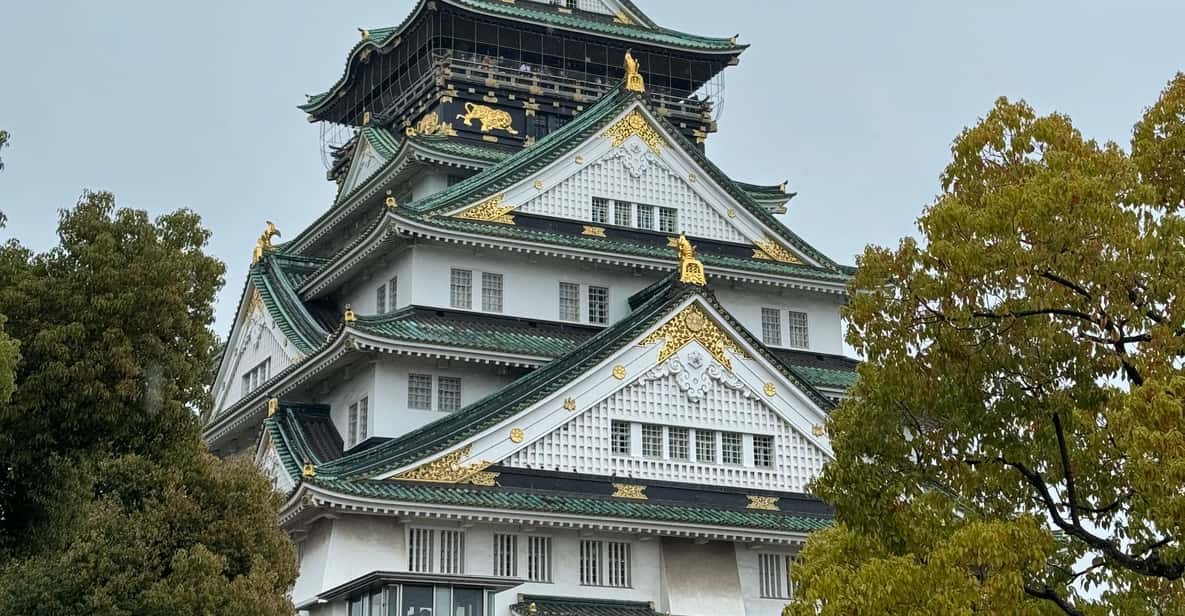
Osaka Castle feels like the city’s big stage, but this tour gives you the backstory. You’ll start with a guided look at Osaka’s changing eras and finish with castle-area sightseeing where the photos basically do themselves. My favorite part is the Museum of History focus, especially the Naniwa Palace dioramas on the 10th floor and the way the guide turns artifacts into a clear story.
Two highlights stand out for me: you get a real guided hour inside the Museum of History (on the later option), and you also have photo-stop help so you’re not guessing where to stand. The main thing to plan for is that during peak season, even with your QR ticket, you may still wait to enter the castle.
In This Review
- Key things to know before you go
- Two ways to experience Osaka Castle and the Museum of History
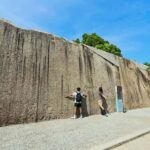
- Meeting at 難波宮跡: get oriented before the walking starts
- Museum of History: Naniwa Palace dioramas and Edo-period town life
- Castle Park stroll with photo-stop guidance you’ll actually use
- Osaka Castle entry: QR ticket and self-guided freedom
- Price and value: why $22 makes sense for the right traveler
- When to go and what to bring for a smooth, comfortable morning
- Should you book this Osaka Castle and Museum of History tour?
- FAQ
- What options are available for this experience?
- How long does the tour take?
- What’s included in the ticket price?
- Do I get to explore the castle on my own?
- Where is the meeting point, and how do I get there by subway?
- Is flash photography allowed?
- Is this tour suitable for older visitors?
Key things to know before you go
- Two departure styles: a quiet early walk, or a history-heavy museum and castle plan later in the morning
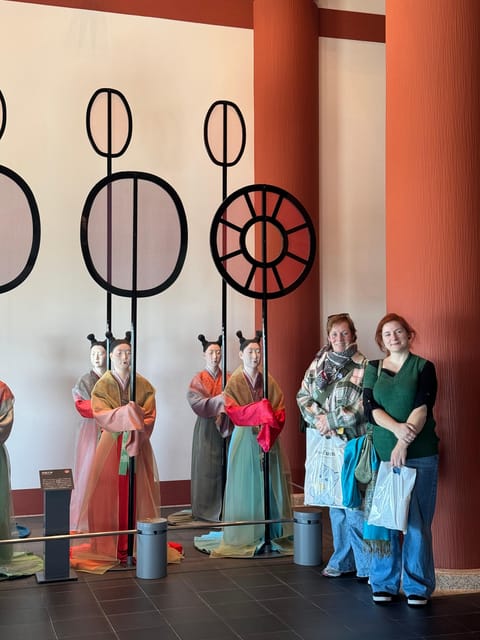
- Museum of History dioramas: Naniwa Palace scenes on the 10th floor make Osaka feel real
- Osaka views: the observation deck on the 8th floor is built for panoramic photos
- Small groups (max 10): enough time for questions without a rushed vibe
- Castle entry setup: your QR ticket helps, but lines can happen in busy periods
- Practical guide support: photo positioning tips and clear explanations in English (and Indonesian)
Two ways to experience Osaka Castle and the Museum of History
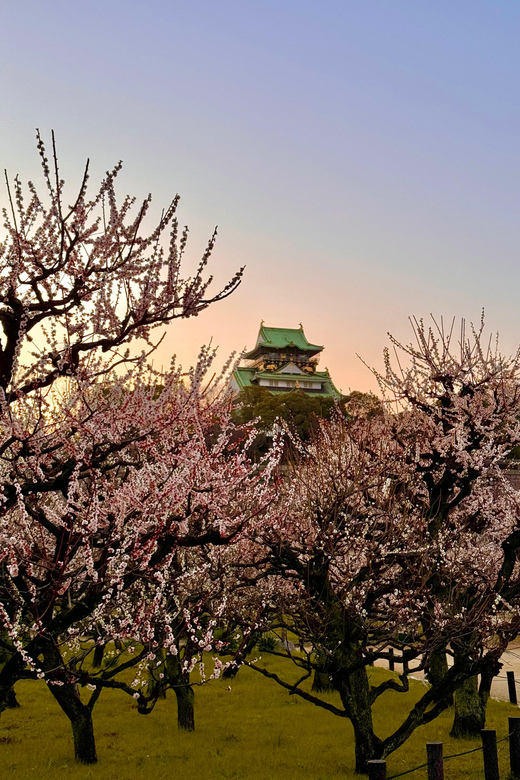
This experience comes in two formats, both starting from the same spot at 難波宮跡 (標柱). Pick based on your energy level and how much history you want to absorb before you start walking around on your own.
Option A: Early morning Castle Park walk (07:30–09:00)
This is the lighter choice. You’ll get a guided walking tour around Osaka Castle Park, with quiet paths, good photo spots, and historical context about the castle’s background. It’s a no-entry, relax-first plan, which is ideal if you want Osaka’s scenery with less time in indoor spaces.
Option B: Museum of History + castle-area tour (10:00–12:30)
This is the history-minded plan. You’ll take a guided visit through the Osaka Museum of History for about an hour, then continue by foot through the castle surroundings. The castle portion uses a QR ticket for self-guided entry, so after the guide sets you up, you can move at your own pace inside.
If you’re visiting Osaka for the first time, I’d lean toward the later option. It connects the dots between what you see at the museum and what you walk past around the castle.
You can also read our reviews of more tours and experiences in Osaka

Meeting at 難波宮跡: get oriented before the walking starts
The meeting point is 難波宮跡 (標柱), located at 〒540-0012 Osaka, Chuo Ward, Tanimachi 3-3. It’s convenient because you have clear subway guidance, and you’ll start with an orientation moment before you head out.
From Tanimachi 4-chome Station, follow signs to Exit 9. If you’re coming by the Chuo Line, you can also follow signs to Exit 9. If you’re on the Tanimachi Line, you’ll transfer to the Chuo Line platform area to find Exit 9. If any part of that sounds confusing in real life, you don’t have to guess—ask station staff. The tour provider also says you can email for help.
Why I like this setup: starting at 難波宮跡 (標柱) keeps you grounded in the geography of the area rather than dropping you randomly at the castle. That means when you begin walking, the story the guide tells has a place to attach to.
Museum of History: Naniwa Palace dioramas and Edo-period town life
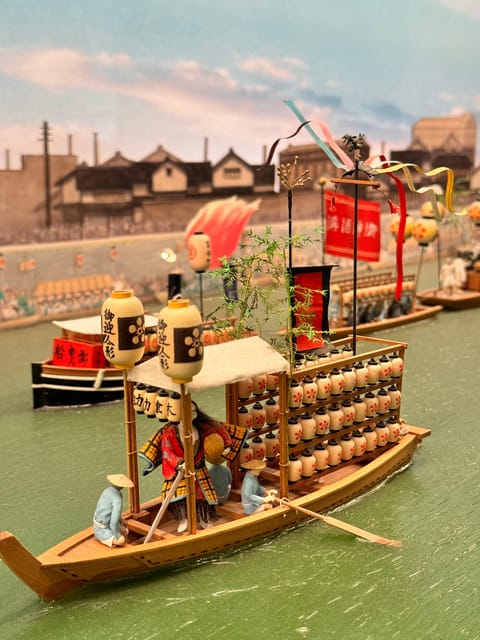
On the later tour, your guided time is centered on the Osaka Museum of History, and it’s the part that most helps you “read” Osaka instead of just photographing it.
You’ll spend about 1 hour with an English-speaking guide (also available in Indonesian), then move on. The museum’s big draw here is the dioramas of Naniwa Palace on the 10th floor. Dioramas sound like a gimmick until you’re standing in front of them. Here, they help you visualize how the area might have looked and worked in earlier periods, which makes the castle surroundings feel less like scenery and more like a chapter in a longer timeline.
The highlights also call out how you’ll learn about Edo period merchant culture and day-to-day town life. That’s important because Osaka is often treated as a food and shopping city. This museum framing gives you a reason why: it shows the economic and social energy that powered the city during earlier eras.
And don’t skip the higher floors once you’re inside. The tour highlights the 8th floor observation deck, which offers panoramic views of Osaka. Even if you’re not a “view person,” you’ll likely appreciate it because it helps you understand how far the castle area reaches across the city.
One practical note: the tour does say flash photography isn’t allowed. So if you like night shots, plan for natural light or regular photo settings.
Castle Park stroll with photo-stop guidance you’ll actually use
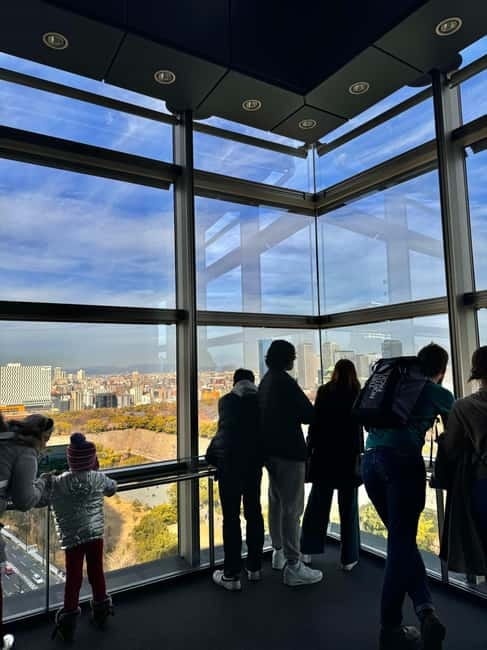
After the museum, you’ll walk toward Osaka Castle Park. The schedule gives you a simple flow: a short on-foot transfer (around 20 minutes), then a longer stretch of park time (about 100 minutes) that includes photo stops, sightseeing, and guided context along the way.
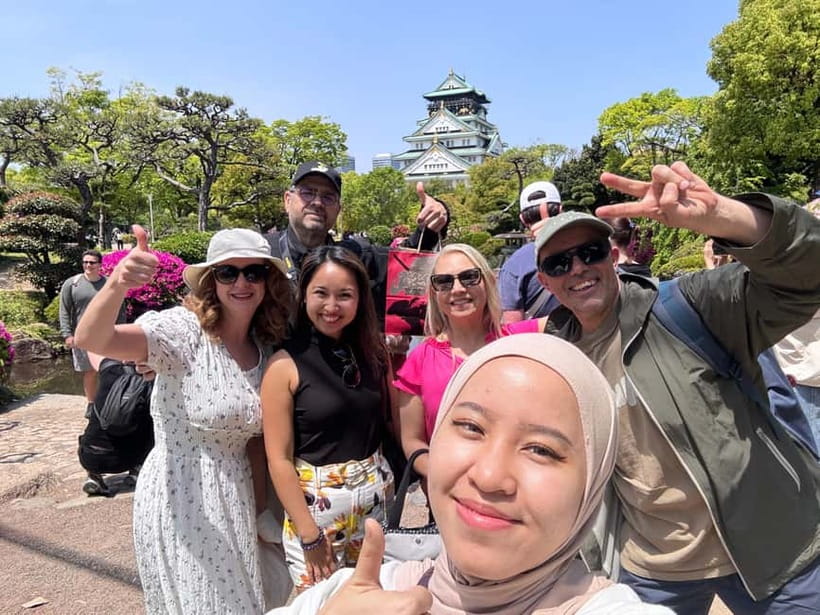
This is where the tour earns its “worth it” feeling, because you’re not just wandering around hoping you found the right angle. The experience includes help with photo spot recommendations and assistance taking photos, which matters when you’re traveling without someone to shoot from the best side.
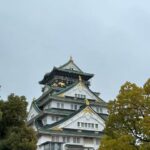
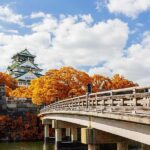
The park section is also where you’ll get the “feel” of the castle area: the open space, the walking paths, and those moments where the castle comes into view from a new angle. On the early tour, this same area is your whole focus—quiet paths, photo opportunities, and historical insights—so even if you choose the shorter plan, you still get the core exterior experience.
If you’re sensitive to walking, wear comfortable shoes. This is a real walking day. It’s not huge hikes, but the time adds up, and the tour is outdoors enough that weather matters.
Osaka Castle entry: QR ticket and self-guided freedom
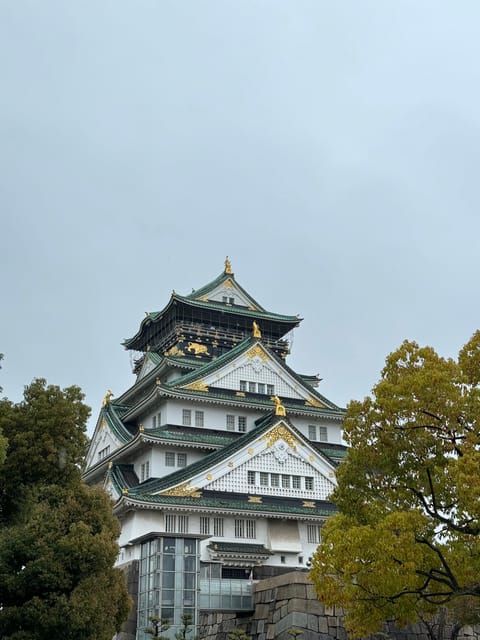
For the later option, you’ll have QR ticket access for self-guided entry into Osaka Castle. The tour also notes that it skips the ticket line, but adds a key caution: in peak season, you may still need to wait.
So what’s the best way to think about it? Plan to be patient at the entrance, especially if you’re traveling during a busy time. Once you’re inside, you’ll have the freedom to move at your own pace, instead of being locked into every room with a strict group schedule.
Why self-guided can be a plus: your guide’s job is to point you toward what matters, then you get to choose how long you stay with the details. That’s a good match for different travel styles—some people want photos first, others want to read everything slowly.
A balanced caution: at least one person reported a problem with entry even though the ticket was included as part of the experience. That doesn’t mean it’s common, but it does tell you to be organized. Bring your ticket details and be ready to show them clearly if staff have questions at the gate.
You can also read our reviews of more historical tours in Osaka
Price and value: why $22 makes sense for the right traveler
The price is listed at $22 per person, and the value depends on which tour you choose.
On the 10:00 plan, the price is doing heavy lifting because it includes admission to the Museum of History and admission to Osaka Castle. Add in an English-speaking guide plus photo-stop help, and you’re paying for more than entry fees—you’re paying for time you don’t have to spend sorting out what to see and where to stand for good angles.
On the early 07:30 option, you’re mostly paying for the guided walking experience around Castle Park. It’s a lighter commitment, and it’s a good way to kick off your day if you want a calm, scenic introduction before you decide whether you want deeper museum time later.
The group size is also a value factor. This tour caps the group at 10 participants, which typically means you get questions answered and aren’t stuck behind a moving crowd.
If your goal is history plus practical sightseeing support, this price looks fair. If your goal is only castle photos with minimal walking and minimal explanation, you might find better value doing castle and museum on your own. But if you like having someone connect the story pieces for you, the guided structure justifies the cost.
When to go and what to bring for a smooth, comfortable morning
Timing is part of the decision here. The early tour starts at 07:30, which usually helps with crowds and keeps your day feeling light. The later tour starts at 10:00, which is more comfortable if you want a slower start and more time for indoor history.
Bring comfortable shoes and comfortable clothes because there’s walking in both options. Also bring a camera if you want to take advantage of the recommended photo spots and the observation deck views.
Because the tour involves outdoor walking, check the weather the day you go. Osaka can change its mind quickly, and you’ll be moving between the museum area and the castle surroundings.
Finally, plan around the castle entrance. The experience notes that even with QR access, lines are possible during peak season. If you’re traveling at a busy time, it’s smart to accept that the “skipping the ticket line” part might reduce friction more than it eliminates waiting entirely.
Should you book this Osaka Castle and Museum of History tour?
Book it if you want a first-day Osaka experience that includes both big-city sights and context. The later option is especially strong if you like seeing how a place evolved—starting with the Museum of History’s Naniwa Palace dioramas and Edo-period themes, then walking the castle area with a clearer sense of why everything is where it is.
Skip it if you’re trying to do everything with minimal walking and you don’t care about guided explanations. This is not a sit-and-ride tour. It’s a thoughtful walking tour with museum time and optional self-paced castle exploring.
Also, note the age suitability guidance: it’s not suitable for people over 80. If you’re traveling with anyone in that range, it’s best to choose a different format that better matches mobility needs.
Overall, if you want an easy way to understand Osaka Castle while still getting room to explore, this small-group plan is a solid pick—especially for the later tour tied to the museum and the castle entry.
FAQ
What options are available for this experience?
There are two guided tour options on select days. One is a peaceful walking tour around Osaka Castle Park from 07:30–09:00. The other is a deeper history tour from 10:00–12:30 that includes a guided visit to the Osaka Museum of History and a self-guided Osaka Castle entry with a QR ticket.
How long does the tour take?
The duration is listed as 90 to 150 minutes, depending on which option you choose.
What’s included in the ticket price?
The experience includes an English-speaking guide, and it includes admission to the Osaka Museum of History and Osaka Castle for the 10:00 tour only. It also includes photo spot recommendations and help taking photos. Skip-the-ticket-line access is also included.
Do I get to explore the castle on my own?
Yes. For the 10:00 tour, your Osaka Castle entry is self-guided after the guided museum portion.
Where is the meeting point, and how do I get there by subway?
The meeting point is 難波宮跡 (標柱), 〒540-0012 Osaka, Chuo Ward, Tanimachi 3-3. From Tanimachi 4-chome Station, use Exit 9. If you’re on the Chuo Line, follow signs to Exit 9. If you’re on the Tanimachi Line, transfer to the Chuo Line platform area to find Exit 9.
Is flash photography allowed?
No. Flash photography is not allowed during the experience.
Is this tour suitable for older visitors?
The tour is not suitable for people over 80.
If you want, tell me your travel dates (and whether you prefer the early or later start). I can help you choose between the two options based on how you like to tour.