REVIEW · OSAKA
Osaka: Tea Ceremony and Matcha Tea Bowl Making Workshop
Book on GetYourGuide →Operated by Tocoton LLC · Bookable on GetYourGuide
Tea gets personal fast. This Osaka workshop pairs tea ceremony with hands-on matcha bowl making in just two hours. I like how the tea part slows you down, and I really enjoyed getting to shape and decorate the bowl under Anna’s guidance. One thing to consider: the bowl is shipped later, and shipping isn’t included.
You’ll do both halves back-to-back—tea first, then pottery—so it never feels like you’re watching from the sidelines. The atmosphere comes across as calm and practical, with hosts who know how to explain things clearly (in English) without making it feel stiff. The only drawback for some people is timing: if you’re late more than 15 minutes, it counts as a no-show.
In This Review
- Key takeaways before you go
- Two Hours in Osaka: Tea Ceremony Meets Matcha Bowl Making
- Finding the Workshop Area and Meeting at JR Teradacho
- Tea Ceremony Basics With an English-Speaking Tea Master
- Matcha and Japanese Sweets: What You’ll Actually Pair
- Making Your Matcha Bowl With Anna: From Clay to Finished Form
- Why the Bowl-Making Part Feels Different (in a Good Way)
- Timing: What a Two-Hour Double Workshop Feels Like
- Your Bowl Shipping Plan (and How to Handle It Smartly)
- Location After the Workshop: Use Ikuno Ward Time
- Price and Value: Is $134 a Good Deal?
- Who This Workshop Is Best For
- Should You Book This Osaka Tea and Matcha Bowl Workshop?
- FAQ
- FAQ
- What is the duration of the Osaka tea ceremony and matcha bowl workshop?
- Where is the meeting point for the workshop?
- How much does the workshop cost?
- Is matcha tea included?
- Are Japanese sweets included?
- Do I keep the bowl after the workshop?
- Is shipping included in the price?
- What language is the instruction?
- Is smoking or alcohol allowed during the workshop?
- Who is the workshop not suitable for?
Key takeaways before you go
- Tea ceremony basics you can use at home, not just a performance
- Matcha + Japanese sweets matched to the experience
- Anna, the ceramist, guides you through shaping and decorating your bowl
- Traditional pottery techniques used to form a real working tea bowl
- A small dish gift you can use for sweets during tea time later
- Your bowl arrives later by shipping, so plan around that
Two Hours in Osaka: Tea Ceremony Meets Matcha Bowl Making
Osaka’s best workshops don’t try to cram a week of culture into one afternoon. This one does the opposite: it gives you two focused moments—tea, then pottery—so you actually understand what you’re doing.
You’ll start with a tea ceremony lesson with your tea ceremony master. Then you move to the pottery side with Anna, a ceramist who studied pottery in Osaka and Barcelona (Spain). The mix matters. Tea teaches you patience and rhythm; bowl making teaches you touch, form, and detail.
At $134 per person for a 2-hour private-group experience, it’s not a cheap “walk-in activity.” But for what you get—guided instruction, matcha, sweets, and a finished handmade bowl—it lands in the fair-to-good value range, especially if you want something more meaningful than a standard tasting.
You can also read our reviews of more tours and experiences in Osaka


Finding the Workshop Area and Meeting at JR Teradacho
You meet at JR Teradacho Station, North Exit. Look for a staff member holding a signboard that says Ceramics Tocoton.
This matters because the best part of small workshops is how quickly you get oriented and start working. Once you’re with the right person, the pace stays steady. You’re there to learn, not to hunt around the neighborhood.
Also note: the experience runs into a follow-on explore time around Ikuno Ward. So plan your Osaka day so you’re not racing to dinner right after.
Tea Ceremony Basics With an English-Speaking Tea Master
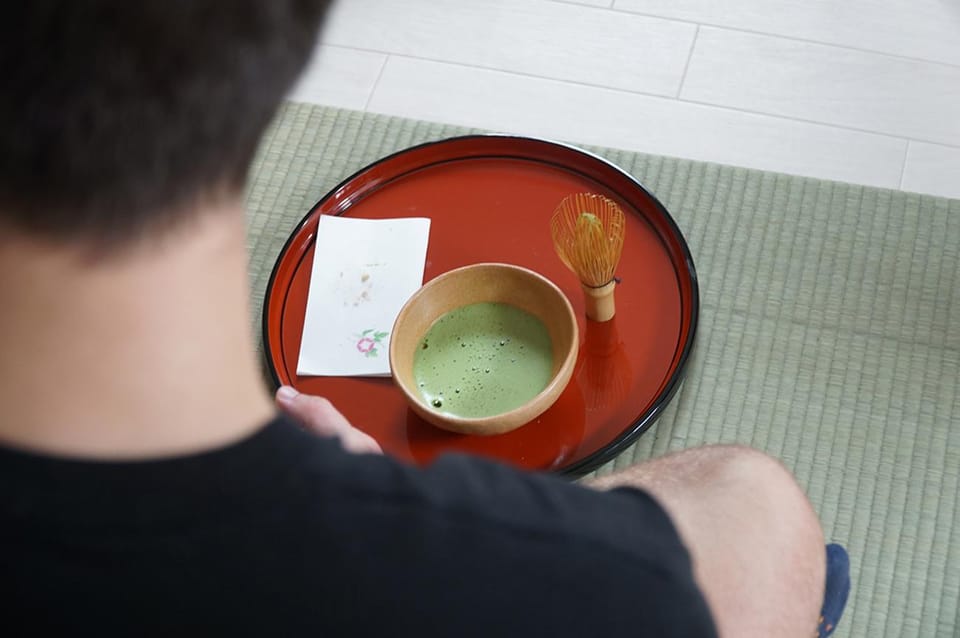
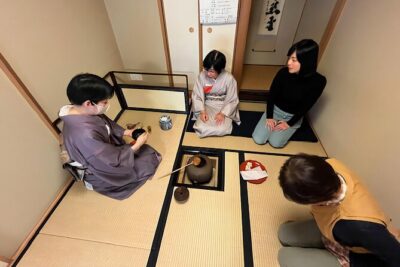
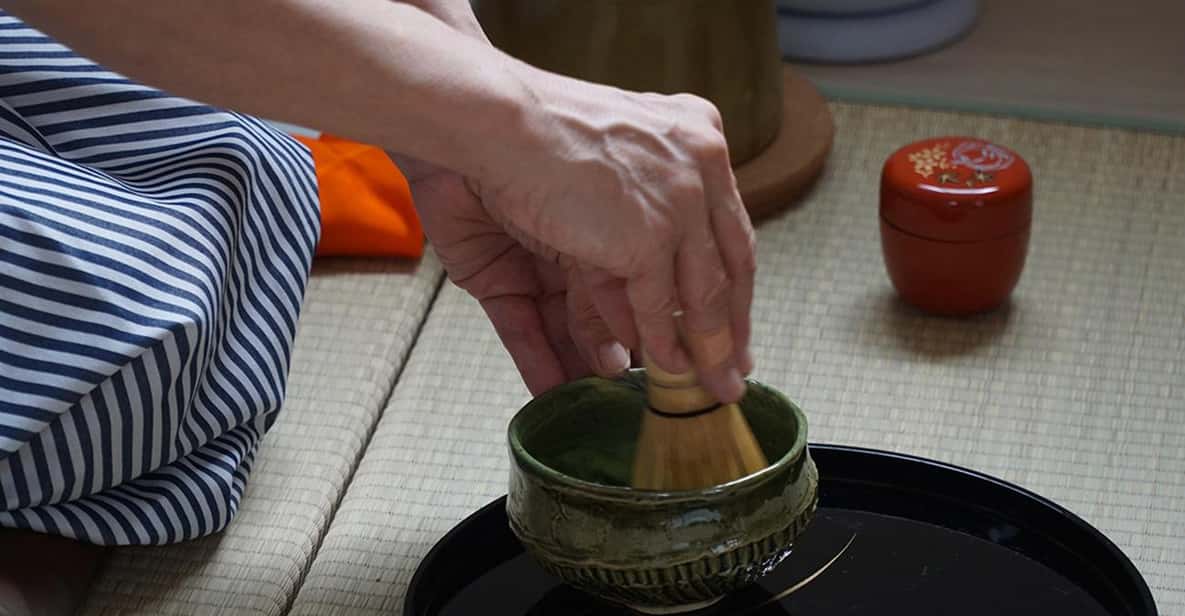
The tea ceremony portion is the calm start button. You’ll learn the basics of the tradition, and you’ll also prepare matcha with guidance from the tea ceremony master. This isn’t just watching someone do it. You’ll be doing the actions that make the ritual feel like a ritual.
A good tea-ceremony lesson gives you two things at the same time:
- Process: what to do in what order
- Reason: why it feels slow and intentional
From the way the workshop is described, it leans toward that practical approach. One of the repeat themes from past participants is how the ceremony creates a sense of calm and mindfulness. That’s the point of tea in the first place—so if you like craft and calm, you’ll probably love this part.
English instruction helps a lot here. Tea vocabulary and gestures can be confusing when you don’t speak the language. Having an English instructor means you can focus on the experience rather than translating your way through it.
Matcha and Japanese Sweets: What You’ll Actually Pair
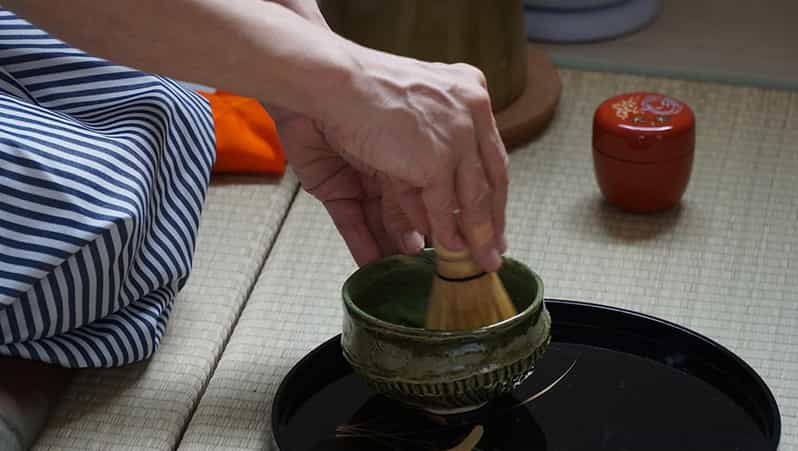
You’ll enjoy matcha tea and Japanese sweets during the ceremony. The sweets aren’t an afterthought. In a tea setting, they’re part of the balance—something to accompany and soften the experience.
If you’ve ever had matcha that felt too intense or too bitter, this kind of guided pairing can change how you think about it. The ritual structure tends to make each sip and bite feel more deliberate.
Also, you’ll get a small dish as a gift. The idea is that you can use it to enjoy sweets for your own tea time later. That’s a nice touch because it turns a one-time lesson into something you can repeat.
Making Your Matcha Bowl With Anna: From Clay to Finished Form
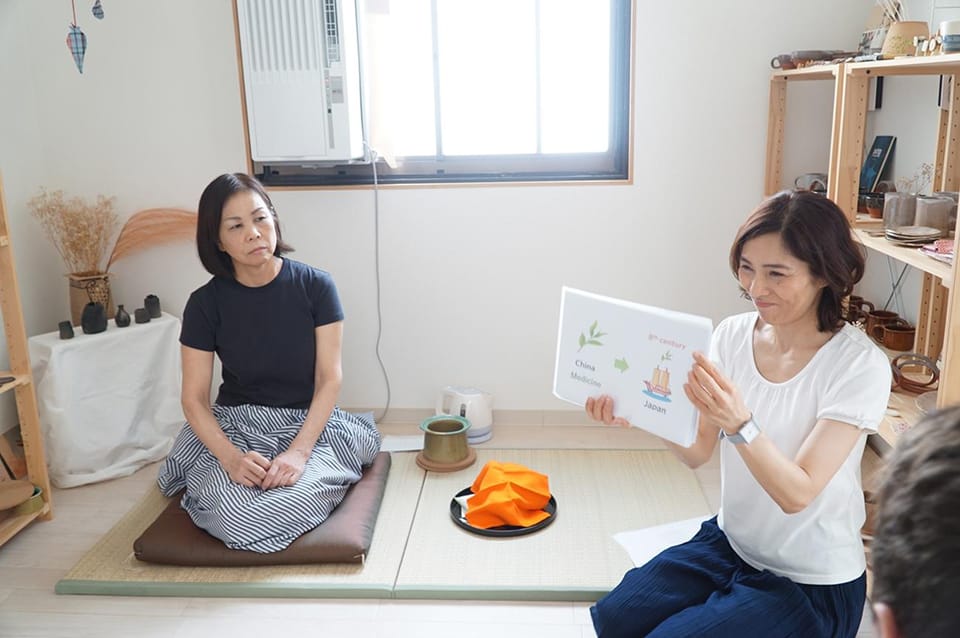
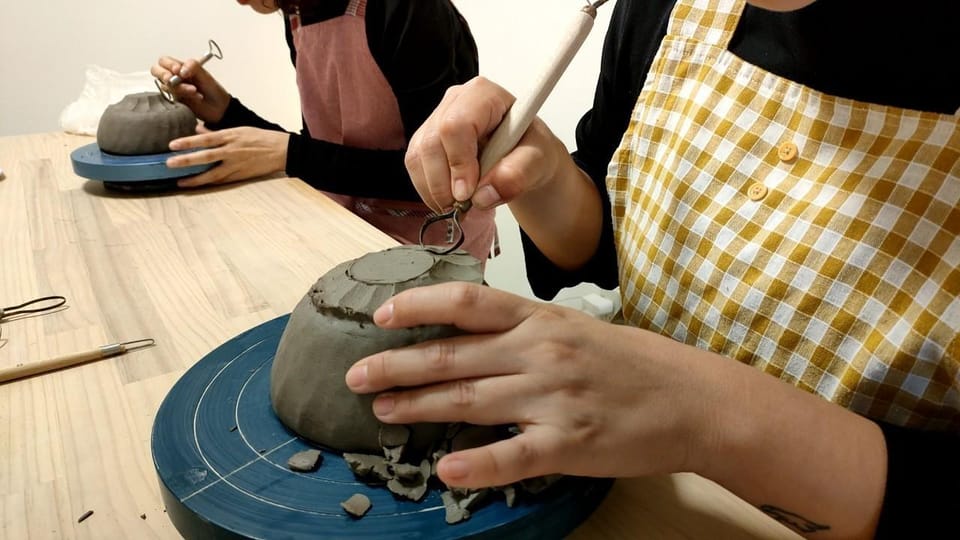
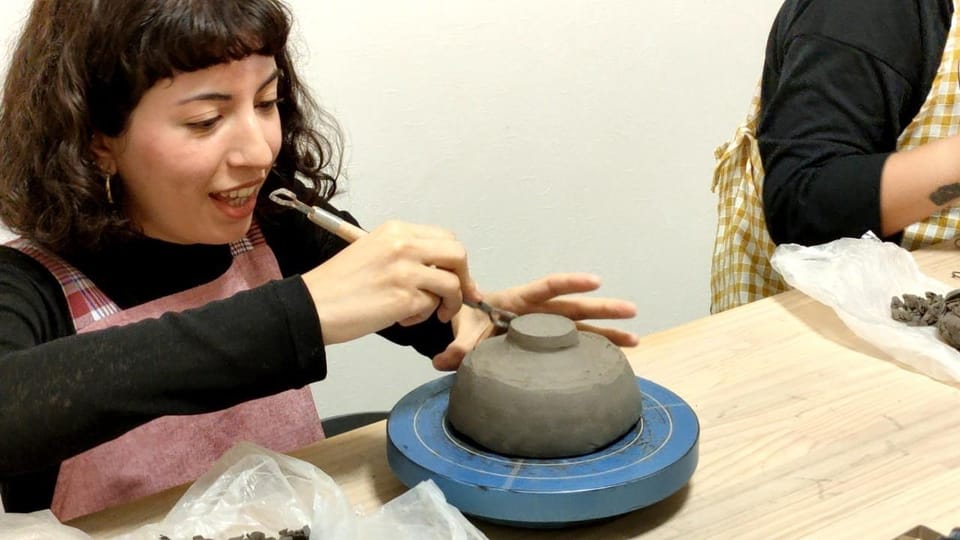
Then the workshop shifts from calm ritual to hands-on making. You’ll make a matcha tea bowl with Anna, the ceramist. She’s the one who studied pottery in Osaka and Barcelona, and you’ll feel that expertise in how she guides shaping and decoration.
The bowl-making portion includes:
- Shaping the bowl by hand
- Decorating it using traditional Japanese pottery techniques
- Building enough confidence to appreciate the craft, even if you’ve never done ceramics before
This is where the experience becomes more than a cultural demo. You’re using your hands. You’re making choices about form and detail. Past participants specifically praised how Anna was helpful and encouraging. That’s important because bowl making can feel intimidating at first—especially if you worry about messing something up. A supportive instructor changes the entire vibe.





Why the Bowl-Making Part Feels Different (in a Good Way)
Tea ceremonies can be easy to think of as “watch and admire.” Pottery is different. It forces you into the moment, in a literal way.
When you shape and decorate a bowl, you start noticing the quiet craft behind everyday objects. You’ll likely leave with a sharper sense of why handmade pieces are valued. That also means you’ll probably treat your own bowl more respectfully when it arrives.
If you’re the type who wants a souvenir that isn’t just a fridge magnet, this is a strong option. A functioning tea bowl created through instruction feels personal. It’s not just something you brought home. It’s something you made.
Timing: What a Two-Hour Double Workshop Feels Like
The full experience is 2 hours, and it’s intentionally structured as a double workshop: tea ceremony first, bowl making second.
In a short class like this, you should expect:
- Clear step-by-step guidance
- A fast start after meeting
- Hands-on time without being stuck in a long studio session
The upside of that tight timing is focus. The downside is you won’t have extra hours to experiment beyond the planned steps. If you’re hoping for a long, slow pottery weekend, this won’t be that. But for learning the basics and leaving with a finished bowl, it’s well paced.
Your Bowl Shipping Plan (and How to Handle It Smartly)
Here’s the key practical detail: the bowl will be shipped to the address you provide after 2 months. Shipping costs are not included in the experience price.
That means the experience is not “take it home today.” The workshop is about learning and creating. The bowl’s physical arrival is later.
So plan like this:
- Keep your delivery address ready and correct
- Budget separately for shipping if your provider doesn’t cover it
- Don’t schedule it as a last-minute gift unless you’re sure you’ll have time
If you’re traveling light and don’t want the stress of carrying pottery through Osaka, shipping becomes a plus. You just need to treat it like a delayed souvenir.
Location After the Workshop: Use Ikuno Ward Time
After you finish, you can explore the local area of Ikuno Ward. The workshop doesn’t try to “tour you around.” Instead, it gives you a window to wander on your own.
That freedom is useful if you prefer casual exploration: grab a snack, look for local streets, and slow down after the structured class. Also, the lesson content can make you notice details you’d usually skip—like the way everyday objects support everyday rituals.
If you want a simple plan, pair this with a light meal nearby. You’ll probably feel a bit relaxed (tea does that), so keep your next stop calm too.
Price and Value: Is $134 a Good Deal?
Let’s be honest: $134 per person is a serious line item for a two-hour activity. So you should judge it by what you’re truly getting.
You’re paying for:
- Instruction in the tea ceremony basics
- You preparing and enjoying matcha tea
- Japanese sweets included
- Hands-on matcha bowl making with a ceramist
- A finished bowl (shipped later)
- A small dish gift for using sweets during tea time
The value gets stronger if you care about craft and not just spectacle. If you want an experience that results in a personal, usable item, the cost makes more sense. If you’re only looking for a quick taste of Japan, cheaper tea tastings exist.
For me, the price is justified when your goal is “learn a skill + take home something meaningful,” even if that something arrives later.
Who This Workshop Is Best For
This is a good match if you want a calm, hands-on cultural experience and you like learning by doing.
You’ll likely enjoy it if you:
- Like ceramics, crafts, or making things with your hands
- Enjoy mindfulness-style experiences, not loud tours
- Want instruction in English
- Prefer a private-group format (more time for questions, less waiting)
It’s not suitable for children under 13, and it’s not for wheelchair users. If those factors apply, you’ll want to look for an alternative experience that fits your group.
Should You Book This Osaka Tea and Matcha Bowl Workshop?
If you’re the kind of traveler who likes learning something you can repeat, I’d book it. The combo of tea ceremony plus matcha bowl making is rare, and it gives you both sides of Japanese “art with daily life” culture: ritual and craft.
Book it especially if:
- You want a guided, English-friendly experience
- You care about receiving a handmade bowl rather than a generic souvenir
- You’d enjoy a calm atmosphere (tea tends to do that)
Skip it if:
- You don’t want to wait for shipping (the bowl arrives after 2 months)
- You need a quick take-home item today
- You’re traveling with constraints that make the lack of wheelchair access a problem
FAQ
FAQ
What is the duration of the Osaka tea ceremony and matcha bowl workshop?
The experience lasts 2 hours.
Where is the meeting point for the workshop?
Meet at JR Teradacho Station North Exit. Look for a staff member holding a signboard reading Ceramics Tocoton.
How much does the workshop cost?
It costs $134 per person.
Is matcha tea included?
Yes. Matcha tea is included.
Are Japanese sweets included?
Yes. Japanese sweets are included.
Do I keep the bowl after the workshop?
No. The bowl is shipped to the address you provide, and it arrives after about 2 months.
Is shipping included in the price?
No. Shipping costs are not included in the price.
What language is the instruction?
The instructor speaks English.
Is smoking or alcohol allowed during the workshop?
No. Smoking, alcohol, and drugs are not allowed.
Who is the workshop not suitable for?
It is not suitable for children under 13, and it is not for wheelchair users.