REVIEW · OSAKA
Amanohashidate Ine Funaya Miyama Village No Sato Tour from Osaka
Book on Viator →Operated by TrevoTour Travels · Bookable on Viator
Four postcard stops, tight timing. This Osaka day trip hits two standouts fast: Ine Funaya boathouses and Amanohashidate’s pine-covered sandbar, including the fun upside-down viewing tradition. The tradeoff is simple: it’s a full day with limited time at each stop, so you’ll want to keep moving.
What I like most is how the day mixes coastal charm, a top Japanese scenic icon, and a quiet temple pause without turning into a museum marathon. The other plus: admissions are listed as free for the stops, and you’re not doing the logistics alone with a small maximum group size of 46.
One consideration before you book: this is a carpool-style outing, so being late to the meeting point can ruin your day and may mean no refund. Bring patience for traffic and be ready for a schedule that can shift when weather or road delays show up.
In This Review
- Key highlights worth planning around
- From Nipponbashi at 7:20am: how the day is paced
- Ine Funaya in Fuga: the Venice of Japan feel in one 40-minute walk
- Amanohashidate: the 3.6 km pine sandbar and the upside-down viewing
- Chionji Temple: a short prayer for wisdom and academic success
- Miyama Kayabuki no Sato Kitamura: about 50 preserved thatched-roof homes
- What the guide language setup means for your day
- Lunch, timing, and why the schedule feels full
- Price and value for an Osaka-to-Kyoto scenic day
- Who should book this tour (and who should skip it)
- Should you book this Amanohashidate and Ine Funaya day trip from Osaka?
- FAQ
- How long is the tour?
- What are the main stops on the itinerary?
- Is admission included for the attractions?
- What time does the tour start and where is the meeting point?
- What languages does the guide speak?
- Is the tour suitable for children and seniors?
- What is the group size limit?
- Is lunch included?
- Does the tour run in all weather?
- What happens if I’m late to the meeting point?
Key highlights worth planning around
- Ine Funaya: walk the waterfront beside wooden funaya boathouses, often called the Venice of Japan
- Amanohashidate: a 3.6 km sandbar with 8,000 pine trees and the upside-down viewing tradition
- Chionji Temple: a short, purposeful visit tied to wisdom and academic success (Monju Bosatsu)
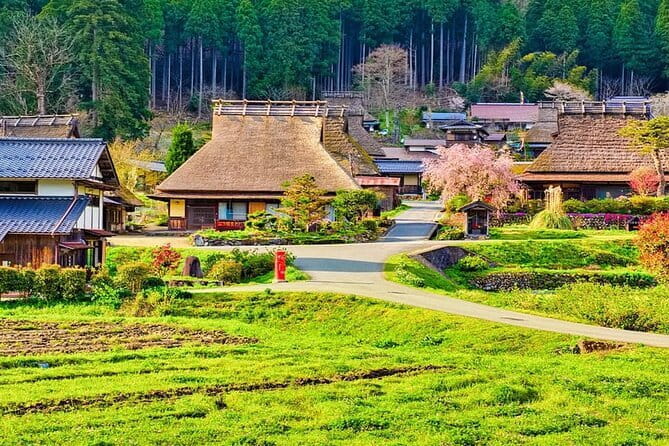
- Miyama Kayabuki no Sato Kitamura: about 50 preserved thatched-roof homes and rural Japanese architecture
- Small group max 46: easier than huge bus tours, but still a fast-paced day
From Nipponbashi at 7:20am: how the day is paced
The day starts at 7:20am at 1-chōme-3 Nipponbashi Parking in Osaka (Chuo-ku). The full experience runs about 9 to 10 hours, and the total tour time includes the travel time, not just sightseeing.
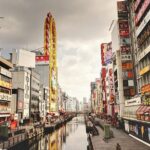
You’ll end the tour in the Shinsaibashi and Dotonbori area (542-0085). That’s handy if you’re staying in central Osaka, because you can roll straight into food and night lights once you get back.
This is also a carpooling trip, which means timing matters. The operator explicitly warns that you should not arrive late, because there’s no refund if you’re late, and you’re responsible for any problems that happen after lateness. If you’re the type who likes a slow morning, set an alarm early and build in extra buffer for trains, elevators, and platform changes.
There’s room for adjustments too. If traffic or weather becomes an issue, the guide can adjust the order of attractions with guest consent, while keeping the total number of stops the same. Translation: don’t panic if the sequence changes; the plan is meant to stay full, not fragile.
You can also read our reviews of more tours and experiences in Osaka.

Ine Funaya in Fuga: the Venice of Japan feel in one 40-minute walk
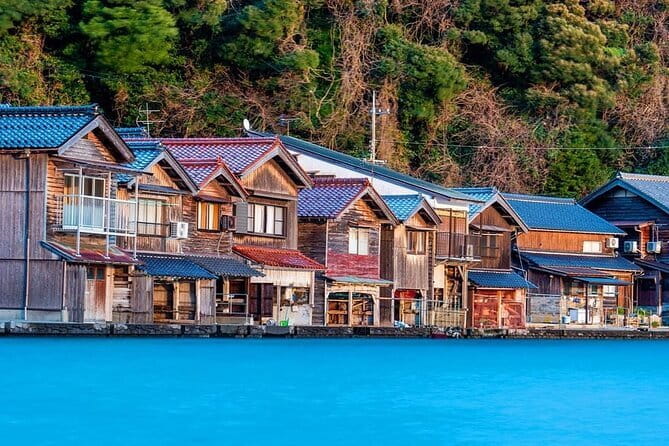
Your first stop is Ine Funaya, Fuga, in the Ine Fishing Village area along the Kyoto coastline. It’s often called the Venice of Japan because the traditional wooden boathouses—funaya—sit along the water, making the shoreline look like a living picture.
The visit is about 40 minutes, and admission is listed as free. That’s enough time to get a feel for the village and walk the edges for photos, without turning it into a half-day detour. If you go into this stop expecting long wander time, you may feel rushed. If you go expecting quick visual payoff and a calm coastal atmosphere, you’ll be happy.
What makes this stop work on a day trip is that you can read the place instantly. You see the houses aligned with the water, you hear the village rhythm, and you get that quiet “coastal Japan” mood fast. The overview also points out that you can explore by walking or cycling along the water’s edge, which is exactly how this kind of village is meant to be experienced.
Practical tip: wear shoes you can stand in. Boathouse areas often involve uneven ground and short stretches that are worth walking slowly instead of rushing through. Bring a light layer too; coastal air can feel cooler in the morning, even when Osaka is mild.
Amanohashidate: the 3.6 km pine sandbar and the upside-down viewing
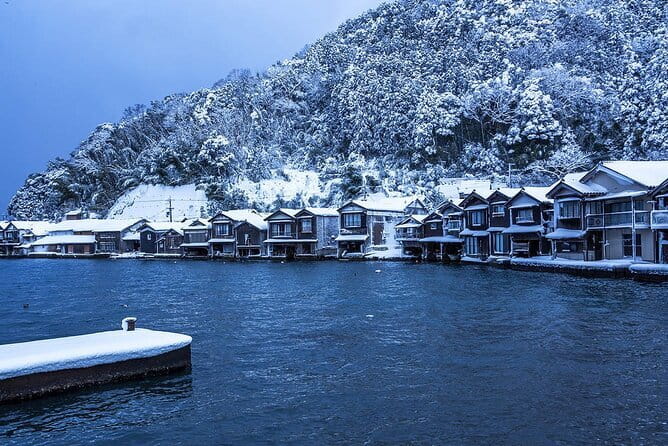
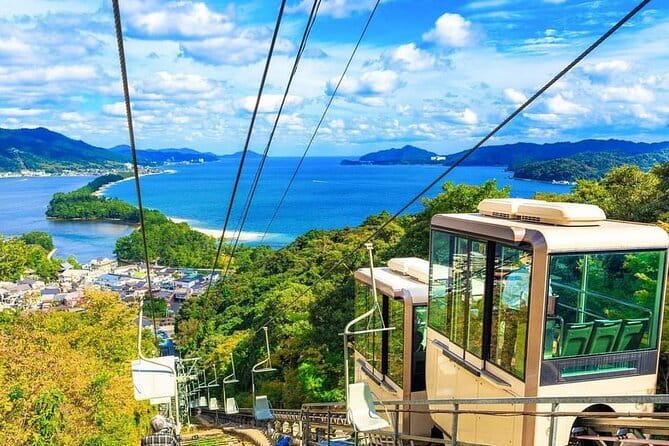
Next up is Amanohashidate, one of Japan’s top scenic spots. This is the big name stop of the day, and it’s easy to see why: it’s a 3.6-kilometer-long natural sandbar covered with 8,000 pine trees.
You get about 1 hour 30 minutes here, and admission is listed as free. That’s a solid window for experiencing the sandbar from multiple angles—especially if you’re aiming to take photos without sprinting. The centerpiece is the long stretch of pines that turns the sandbar into a dramatic green line across the bay.
Don’t skip the fun tradition: the tour mentions an upside-down viewing of the sandbar. That’s one of those experiences that sounds odd until you see it—then it clicks as part of local viewing culture, not just a gimmick. Plan to spend a minute actually doing it, even if you feel silly. It’s the kind of detail that makes a one-day trip memorable later.
Also, manage your expectations. A sandbar is a moving view; depending on wind, light, and crowds, the best photo might change. With the time you have, focus on getting at least one classic shot and one “standing at the edge” shot rather than trying to optimize everything.
Chionji Temple: a short prayer for wisdom and academic success

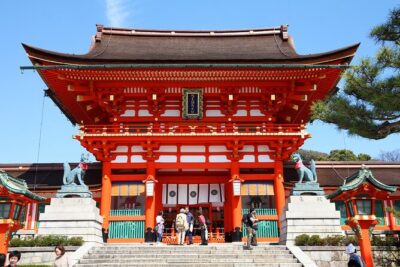
After the scenery, the day turns quieter at Chionji Temple (Chion-ji / Chionji Temple). This stop is about 30 minutes, with admission listed as free.
What I like about this part is the reason behind it. The temple is tied to Monju Bosatsu, the Bodhisattva of wisdom, and it’s associated with academic success. Even if you’re not a devout visitor, this gives the visit a purpose beyond “another temple photo.” You’re stepping into a place where people come with a clear intention.
Because time is short, be selective with how you spend it. Take a moment to find the main areas for a respectful pause, then use the remaining time to notice how the temple setting contrasts with the earlier coastal and sandbar scenes. It’s a nice rhythm change that keeps the day from feeling purely scenic.
If you want a small takeaway, it’s this: the tour balances big famous outdoor views with a brief cultural stop where people practice a real-world hope. That’s what makes the day feel more than just sightseeing.
Miyama Kayabuki no Sato Kitamura: about 50 preserved thatched-roof homes
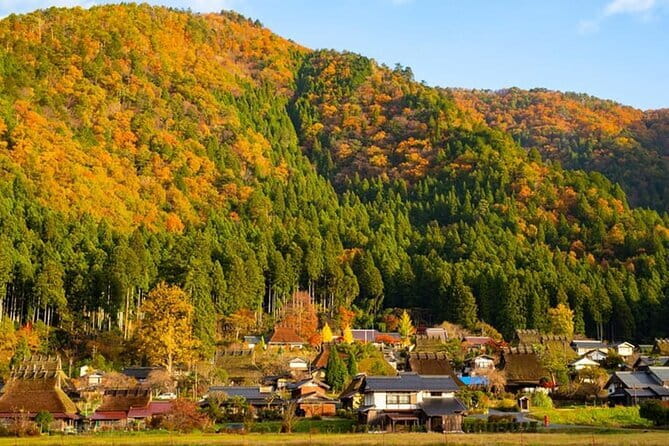
The final major stop is Miyama Kayabuki no Sato Kitamura, a village known for thatched-roof houses. You’ll have about 40 minutes here, and admission is also listed as free.
This is one of those places where your brain switches gears from “look at the view” to “look at the details.” The information notes about 50 preserved homes, which matters: you’re not wandering through empty ruins. You’re seeing working-style traditional architecture that has been kept for visitors.
Focus on the rooflines and the building materials. The tour description mentions that the houses are made with timber and thatched roofs, which is exactly what gives this village its character—especially in photos where the geometry of the roofs leads your eye through the scene.
A drawback to keep in mind: 40 minutes goes fast in a village like this. If you like slow wandering and sketching, you’ll wish for more time. If you’re happy with a smart circuit—look, walk, photo, move—you’ll do fine.
I also like that this stop ends the day on a human scale. Amanohashidate is huge and dramatic, Ine Funaya is waterfront and intimate, and Kayabuki no Sato is small and built for strolling. It’s a satisfying variety mix before you return to central Osaka.

What the guide language setup means for your day

The tour includes a guide who speaks Chinese, Japanese, English, or Korean. That’s helpful, especially if you’re traveling with family or friends who prefer different languages.
Still, be aware of communication quirks. One past experience flagged that the guide described they spoke English, but then switched back to Japanese during parts of the talk. I can’t predict how your guide will speak, but it’s smart to plan for the possibility that English support may vary by day.
Practical workaround: rely less on the guide for every detail at each stop, and more on your own curiosity. The major sights are famous and easy to appreciate even with minimal commentary—especially the sandbar and the villages. Bring a translation app for temple basics if you want to read signs on the spot.
This matters for value because it affects how much you get out of the guided elements. If you mostly want the sights and photos, language won’t stop the day from being good. If you want deep storytelling in fluent English, you should consider that this tour is not guaranteed to be equally strong in every language on every day.
Lunch, timing, and why the schedule feels full
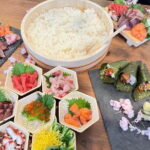
The overview says you’ll enjoy lunch with fresh local seafood. The day’s structure implies lunch is built into the flow rather than being optional time you have to chase on your own.
Here’s the reality: with four stops and travel included, you’ll likely feel that tug-of-war between eating slow and keeping the schedule. That matches what I’d expect from a 9 to 10 hour tour with fixed visiting windows.
One smart approach is to treat lunch as your reset point. Sit down, refuel, and then go into the last village stop with energy left for photos and a short walk. If you snack lightly before you start, you’ll also avoid that mid-morning slump that makes a packed day feel longer than it is.
Price and value for an Osaka-to-Kyoto scenic day
The price is $89.99 per person for a day trip from Osaka. On a value level, you’re paying for organized transport, a multilingual guide, and access to several major attractions in one go—without needing to plan routes and timings yourself.
You’re also not paying admission at the stops as listed here. Ine Funaya, Amanohashidate, Chionji Temple, and Kayabuki-no-sato Kitamura all show admission tickets as free in the provided stop details. That turns the day into a mostly single-cost outing, which is often what you want on a budget or when you’re trying to avoid surprise add-ons.
The tradeoff is time. You get shorter visits at each place, so you’re buying breadth over depth. If you want to linger for hours inside any one spot, this may feel too compressed.
For families, there’s a helpful note: children aged 0 to 2 are free as long as they don’t occupy separate seats. For seniors 70+, you need to present a medical certificate before participating. Those details don’t change the price, but they do affect who can join confidently.
Finally, the tour requires good weather. If it’s canceled due to poor weather, you’ll be offered a different date or a full refund. That’s important because views like sandbars and coastal villages depend on conditions, and bad weather can flatten the experience.
Who should book this tour (and who should skip it)
This tour is a good fit if you want a strong first taste of the area: Ine Funaya for that water-and-boathouse look, Amanohashidate for a world-famous sandbar, then two culture-heavy village/temple stops to round it out. It also suits people who prefer having transportation handled and a guide to keep the day on track.
You’ll probably like it most if you can handle a packed schedule and you’re okay with seeing everything in snapshots rather than deep stays. That matches the day-trip style: you’ll come away with several “must-see” memories, even if you don’t have time to fully relax at any one location.
Skip it if your ideal Japan day is slow, quiet, and unhurried. Also consider skipping if you specifically need guaranteed fluent English narration throughout every stop, since language performance can vary.
Should you book this Amanohashidate and Ine Funaya day trip from Osaka?
If you’re aiming for maximum variety in one day, I’d say this is an easy yes. The mix is smart: coastal village atmosphere, a top scenic sandbar with a playful local viewing tradition, a focused temple stop tied to wisdom, and a traditional thatched-roof village that rewards a quick walk with lots to photograph.
Book it if you can meet the 7:20am start without stress and you’re okay with shorter time windows at each site. Book it if you want a plan that ends in central Osaka so you don’t lose your evening.
I’d think twice if you’re the type who wants to stay longer at Amanohashidate or truly soak in one village without moving on. This tour is built for seeing more, not for slow travel. If that matches your style, you’ll likely feel satisfied when you’re back in Shinsaibashi and Dotonbori, ready to eat your next meal.
FAQ
How long is the tour?
The tour runs about 9 to 10 hours, and that total includes travel time.
What are the main stops on the itinerary?
The tour includes Ine Funaya (Fuga), Amanohashidate, Chionji Temple, and Miyama Kayabuki no Sato Kitamura.
Is admission included for the attractions?
The stop details list admission tickets as free for each of the four attractions.
What time does the tour start and where is the meeting point?
It starts at 7:20am at 1-chōme-3 Nipponbashi Parking in Osaka. The tour ends in the Shinsaibashi and Dotonbori area.
What languages does the guide speak?
The guide speaks Chinese, Japanese, English, and Korean (as available for the tour).
Is the tour suitable for children and seniors?
Children aged 0 to 2 are free if they do not occupy separate seats. Seniors aged 70+ should present a medical certificate before participating.
What is the group size limit?
The tour has a maximum of 46 travelers.
Is lunch included?
Lunch with fresh local seafood is described as part of the day.
Does the tour run in all weather?
The experience requires good weather. If it’s canceled due to poor weather, you’ll be offered a different date or a full refund.
What happens if I’m late to the meeting point?
Because it is a carpooling trip, you should not be late. The information states that no refund will be given if you are late, and you are responsible for any accidents that may occur after being late.