REVIEW · OSAKA
Osaka Okonomiyaki Cooking Experience for Families & Groups
Book on GetYourGuide →Operated by TAKOYAKI BABY · Bookable on GetYourGuide
You flip your own okonomiyaki in Osaka. It’s hands-on street food with a teppan griddle, taught in English, plus a real-feeling festival vibe.
I like how beginner-friendly it is, even if you’ve never held a spatula in Japan. You also get fun keepsakes like photos and an Okonomiyaki Master certificate, not just a meal.
One thing to plan for: extra drinks cost extra, since the class price covers the main food and experience, not the bar tab.
In This Review
- Key things I’d bet you’ll remember
- From Street Food to Your Griddle: The Real Point of This Osaka Class
- What You Make and Eat: Custom Okonomiyaki, Not a One-Size Sandwich
- The Teppan Technique: Why Flipping Is the Skill You’re Really Learning
- Festival Energy: Happi Coats and the Super Ball Scooping Game
- Photos, Drinks, and Souvenir Vibes: What the Extras Really Mean
- Price and Value: Is $23 Worth 90 Minutes on a Teppan?
- Who This Works Best For in Osaka
- Practical Tips Before You Go (So It Feels Easy)
- The Guide Factor: What Makes the Lesson Feel Fun
- Should You Book This Osaka Okonomiyaki Experience?
- FAQ
- How long is the Osaka okonomiyaki cooking experience?
- Is the instructor available in English?
- Where do I meet for the class?
- What’s included in the price?
- Are drinks included?
- Can I choose vegetarian or seafood toppings?
- Do I get photos and a souvenir?
- What payment and cancellation flexibility is offered?
Key things I’d bet you’ll remember
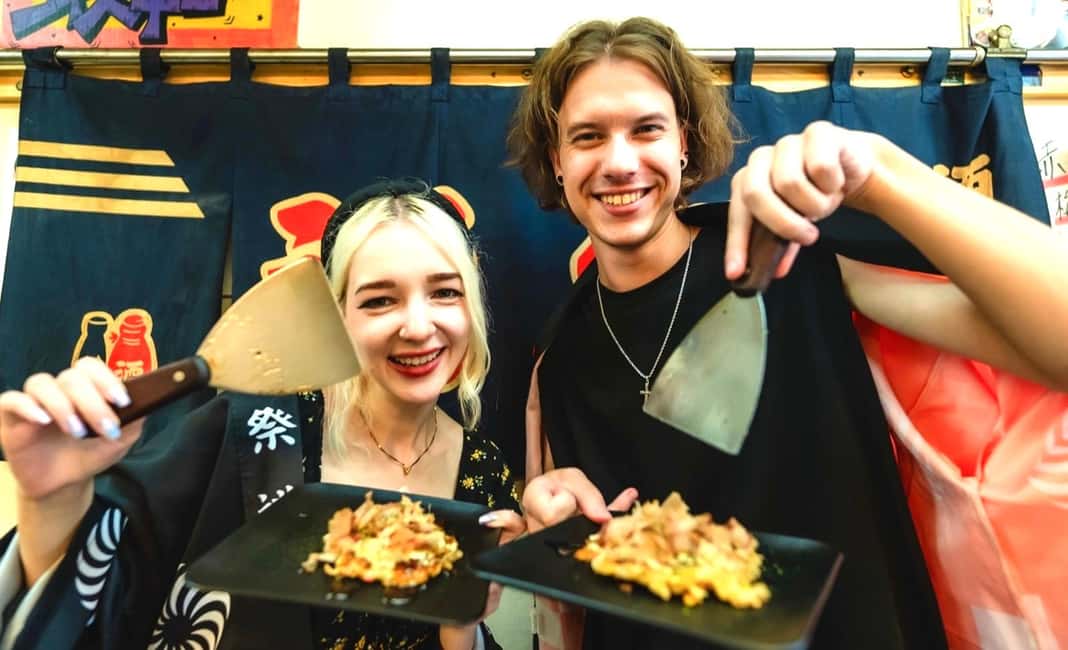
- Make okonomiyaki from scratch with an instructor-led flipping technique on a real iron griddle
- Choose from 6 daily toppings, including vegetarian and seafood options
- Festival-style happi coat makes the cooking feel like an event, not a class
- Super Ball Scooping adds a playful break between cooking and eating
- Photos sent to your phone plus an Okonomiyaki Master certificate as a souvenir
From Street Food to Your Griddle: The Real Point of This Osaka Class
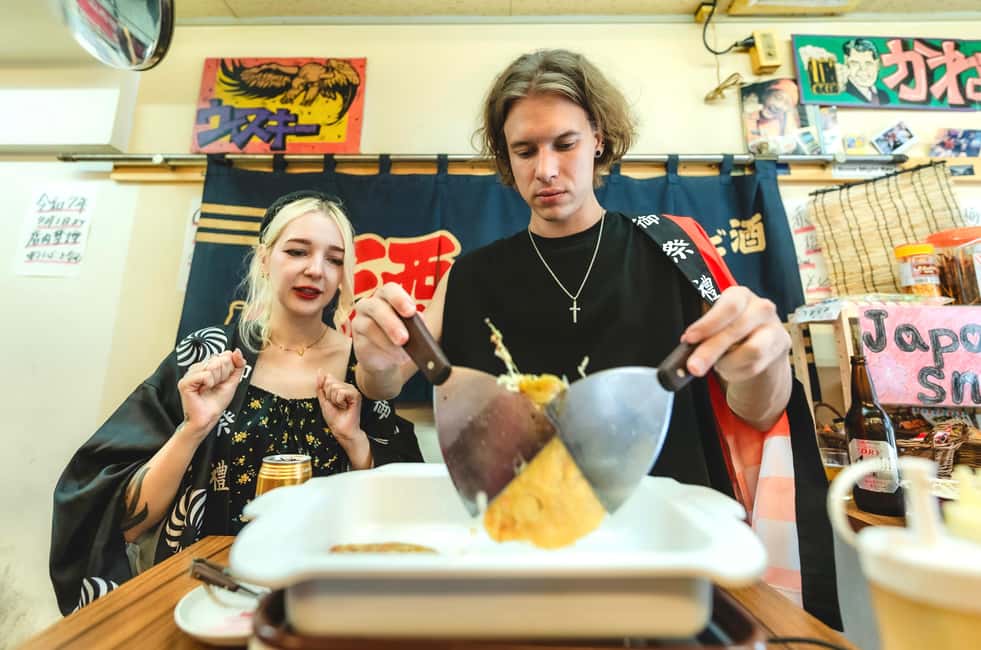
Osaka okonomiyaki is the kind of food that feels casual when you buy it on the street, but it turns into real skill when you make it yourself. This experience is built around that “learn the method” feeling, not just stuffing your stomach. You’ll work on a real teppan, which is exactly what makes the texture possible.
I especially like that the class is designed for beginners. You’re not expected to already know how to layer batter, choose toppings, and flip without panic. The instruction stays practical, so you spend your time learning, not guessing.
There’s also a nice emotional payoff. Wearing a colorful happi coat is more than a costume; it pushes the whole session into “festival mode,” where cooking feels like part of the Osaka experience rather than a one-off workshop.
You can also read our reviews of more cooking classes in Osaka

What You Make and Eat: Custom Okonomiyaki, Not a One-Size Sandwich
The heart of the class is simple: you make your own okonomiyaki from scratch and eat what you cook. That matters because okonomiyaki isn’t just a dish; it’s a system of choices—batter base, layered toppings, then sauce style at the end.
You get to choose from 6 daily toppings, and you can go vegetarian or seafood. That flexibility is great if your group has mixed preferences, or if you’re traveling with kids who aren’t sure what they’ll like. It also keeps things interesting if you’re returning to Osaka or if you’ve had okonomiyaki before.
Sauce choice is part of the fun. You can try sweet, spicy, or classic options, which means the final flavor doesn’t feel pre-decided. For a first-time cook, that’s a smart way to learn: you taste the impact of sauce and balance without needing fancy technique.
And yes, you’ll leave with something you actually cooked, not a pre-made plate.
The Teppan Technique: Why Flipping Is the Skill You’re Really Learning
Okonomiyaki looks easy until you’re the one trying to flip it without turning it into a pancake mess. This is why I think the teppan training is the main value of the class. You’ll practice the flipping technique using a real iron griddle, guided step-by-step.
Here’s what you should pay attention to as you cook:
- how the batter sets on the hot surface
- how toppings influence thickness and balance
- when to flip so it holds together
- how sauce placement changes the final experience
This is the difference between eating okonomiyaki and understanding it. Even if you never cook again at home, you’ll get a better sense of why the dish tastes the way it does in Osaka.
One practical note: flipping takes a steady hand and a little patience. If you’re traveling with kids, this is where the host’s encouragement helps—because the goal isn’t perfection. It’s learning a method you can repeat.
Festival Energy: Happi Coats and the Super Ball Scooping Game
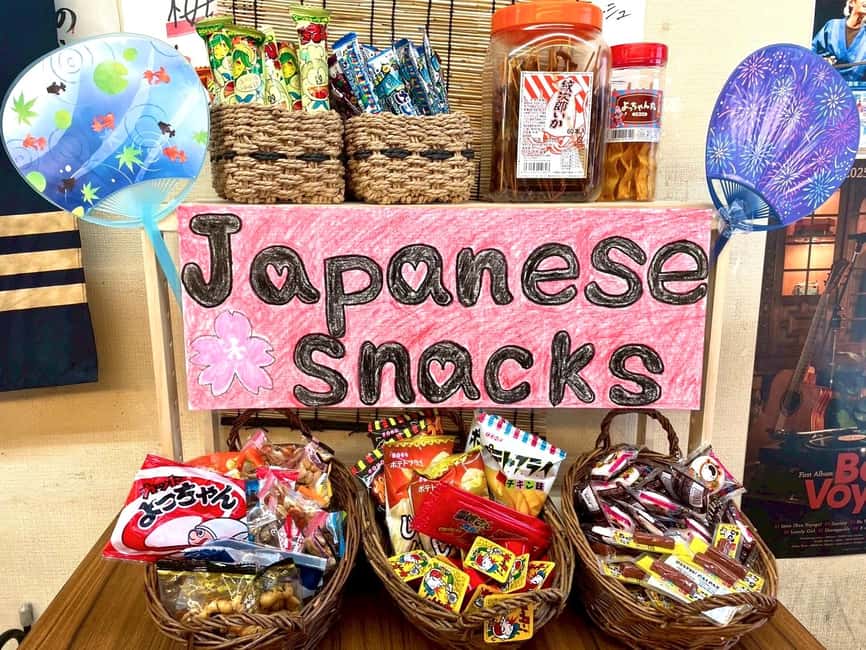
Most cooking classes give you a chair and a station. This one leans into Osaka festival culture. You wear a happi coat and cook in a setting that feels like a local event rather than a kitchen studio.
That matters for families because kids often engage more when the activity feels like play. And it matters for adults because the atmosphere keeps you relaxed while you’re learning something physical and a bit messy.
You’ll also play a traditional Japanese festival game: Super Ball Scooping. It’s the kind of activity that breaks up the session, gives you a chance to move, and adds a bit of bragging rights when you hit the target.
It’s also a helpful pacing tool. Cooking can be heat + timing + concentration. The game gives your hands and brain a reset, then you’re back to eating your results.
Photos, Drinks, and Souvenir Vibes: What the Extras Really Mean
This class includes photos of your experience, sent to your phone as a souvenir. That’s a big deal because okonomiyaki cooking is messy and casual. Having the memory delivered to your device means you don’t have to worry about setting up shots while you’re busy cooking.
You also get an Okonomiyaki Master certificate, which is a fun, tangible reminder. It’s not the kind of souvenir that takes up a lot of space, so it works well if you’re traveling light or trying to keep your bags manageable.
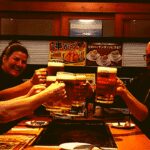
Now, about food and drinks: you eat okonomiyaki as part of the experience. Additional drinks are available for purchase, and snacks plus alcohol are sold separately. So if you want beer, soda, or anything stronger, plan a little extra budget.
For most groups, this setup is fair. The class price covers teaching, ingredients, and the core meal; you control the add-ons based on appetite and comfort.

Price and Value: Is $23 Worth 90 Minutes on a Teppan?
The price is listed at about $23 per person for a 90-minute experience. That’s not just a “cheap cooking class” price, and it’s not luxury either. It’s positioned as good value for what you get: hands-on instruction in English, a griddle-based cooking skill session, a festival costume moment, photos, and a souvenir certificate.
For families, this price often feels reasonable because:
- kids get an activity, not just a meal
- everyone eats what they cook
- the session includes both cooking and a festival game
For couples or solo travelers, it’s also efficient. Ninety minutes is long enough to learn something real, but short enough to fit into an Osaka day without needing a half-day commitment.
If your group expects alcohol or extra snacks, the overall spend can rise, since drinks aren’t included. But that’s also part of the flexibility. You can keep it simple or make it a celebratory meal.
Who This Works Best For in Osaka
This is a strong match if you’re any of the following:
- Families with kids who like hands-on activities and festival games
- Couples who want a memorable shared experience that isn’t just dinner
- Solo travelers who prefer group energy with an English-speaking instructor
- Food first-timers who want to learn the method behind a famous Osaka street dish
It’s especially good for beginners. You don’t need cooking confidence to join, and the lesson stays approachable even if you’ve never made batter-based food at home.
One more reason I like it for groups: topping choice matters when preferences are different. With vegetarian and seafood options available, you can usually build meals that work for most people without turning the class into a negotiation.
Practical Tips Before You Go (So It Feels Easy)
You’ll meet at a spot marked by a FamilyMart diagonally ahead to the left. If you’re good at finding landmarks, you’ll likely spot it fast. If you’re unsure, arrive a few minutes early so you can orient before the cooking starts.
Dress for comfort. You’ll be cooking on a hot surface, so expect some heat and cooking mess in the general sense of the experience. The happi coat helps with the “festival feel,” but it won’t replace normal comfort.
If you care about photos, assume you’ll be in the picture-making zone. The class includes photos and sends them to your phone, so don’t stress about getting the perfect shot yourself.
Finally, if you’re traveling with kids, treat the flipping part as the learning moment. The goal is to have fun and learn. The best memories are usually the ones where the first flip wasn’t perfect but everyone laughed.
The Guide Factor: What Makes the Lesson Feel Fun
A cooking class can be technical and still feel flat. Here, the guide energy is part of the reason people rate it so highly. One host named Jailor stands out for being funny and positive, which matters when you’re trying to learn a hands-on skill in a group setting.
That kind of attitude is especially helpful for families. Kids can get impatient, and adults can tense up. A supportive host keeps the temperature friendly, which makes you more willing to try the flipping technique instead of watching.
If you’re the type who likes structured learning with a relaxed tone, this format should work well for you.
Should You Book This Osaka Okonomiyaki Experience?
If you want a do-something experience in Osaka that teaches a real cooking skill and still feels like local festival culture, I’d book this. The combination of griddle technique, custom toppings, and the happi coat + festival game makes it more memorable than a standard meal.
Book it if:
- you’re a beginner and want a guided method
- you want photos and a keepsake certificate
- you’re traveling with kids or mixed tastes
Skip it if:
- you mainly want to eat and don’t care about learning
- your group plans to drink heavily and wants drinks included in the price
Overall, this is the kind of Osaka activity that turns street food into a personal skill. You’ll taste what you made, you’ll leave with photos, and you’ll have a certificate that tells everyone you earned your okonomiyaki badge.
FAQ
How long is the Osaka okonomiyaki cooking experience?
The experience lasts 90 minutes.
Is the instructor available in English?
Yes, the instructor is listed as English-speaking.
Where do I meet for the class?
The meeting point is near a FamilyMart diagonally ahead to the left.
What’s included in the price?
The included items are a local host guide, eating okonomiyaki, wearing a festival-style happi coat, and the Super Ball Scooping festival game.
Are drinks included?
No. Additional drinks are available for purchase, and snacks and alcohol are sold separately.
Can I choose vegetarian or seafood toppings?
Yes. You can choose from 6 daily toppings, including vegetarian and seafood options.
Do I get photos and a souvenir?
Yes. Photos are included and you receive an Okonomiyaki Master certificate as a fun souvenir.
What payment and cancellation flexibility is offered?
The tour offers free cancellation up to 24 hours in advance for a full refund, and it also offers a reserve now & pay later option.