REVIEW · OSAKA
Osaka: Private Tea Ceremony Experience
Book on GetYourGuide →Operated by Japanese Culture Experience WA NO MA · Bookable on GetYourGuide
A calm tea ritual, just for your group. In Osaka’s Namba area, this private lesson is built around quiet, hands-on matcha and a pace that fits your group.
I like that you get a friendly instructor guiding you step-by-step, and you can make your own tea instead of just watching. Another highlight I enjoy is the chance to choose a tea bowl that matches your mood, then taste matcha you made yourself.
The setup is completely private, so it feels relaxed even if you’re traveling with kids or just want a break from the noise. The possible catch: you’ll need to wear socks (no shoes inside), and the experience isn’t suitable for wheelchair users.
In This Review
- Key things to know before you go
- Why a private matcha lesson feels different in Namba
- Meeting at New Osaka Hotel Shinsaibashi and getting settled
- The tea ceremony lesson: learn, choose a bowl, and whisk matcha yourself
- Sweets twice: how the tasting fits into the ritual
- Your hour is truly flexible: photos, pace, and private group comfort
- Languages and instructor guidance: what “friendly” means in practice
- Price and value: is $38 per person worth it?
- Who this Osaka private tea ceremony suits best
- Should you book this private tea ceremony in Osaka?
- FAQ
- How long is the Osaka private tea ceremony experience?
- Where is the meeting point?
- What should I bring?
- Is this a private experience?
- What’s included in the price?
- What language will the instructor speak?
- Can I make and taste matcha?
- Are Japanese sweets included?
- Is smoking allowed?
- Is it wheelchair accessible?
Key things to know before you go
- Private group time means fewer distractions and close attention from your instructor
- Make your own matcha after learning the basics in the lesson
- Pick a tea bowl based on your feelings, not just whatever’s available
- Japanese sweets twice during the ceremony for more than one sweet moment
- In Namba, near Shinsaibashi so you’re not fighting Osaka transit just to get there
- Photo-friendly pacing lets you request slow moments and plenty of pictures
Why a private matcha lesson feels different in Namba
Osaka is great for food, street scenes, and big energy. But sometimes you want something slower that still feels distinctly Japanese. This tea ceremony gives you that reset, because it’s designed around one group at a time.
What I like most is that the experience isn’t just about tasting. You learn how to make tea and then you actually try it yourself. That’s where the lesson turns from cultural sightseeing into a real skill you can take home in your head.
You’ll also notice the way the atmosphere is handled. You get your own time slot, so you don’t feel rushed or squeezed between other bookings. The instructor stays close and friendly, which matters if your Japanese is limited. Even if you’re not sure where to look or what to do, you’re not left figuring it out.
You can also read our reviews of more private tours in Osaka
Meeting at New Osaka Hotel Shinsaibashi and getting settled
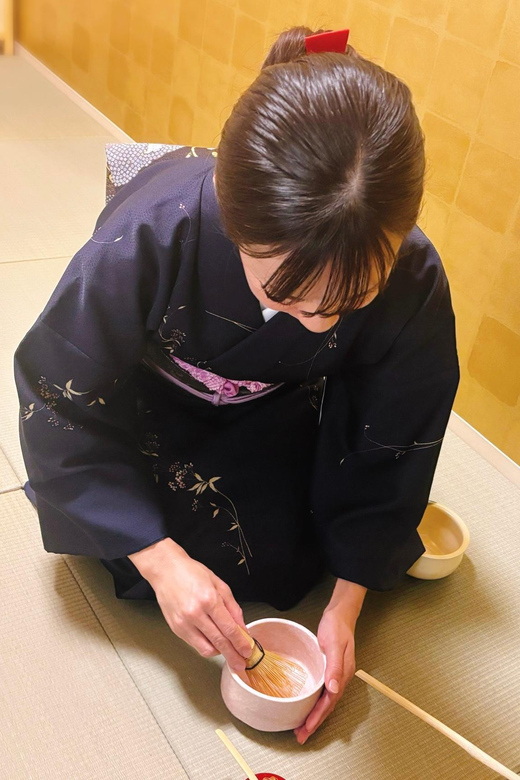
Your meet-up point is simple: go to the entrance of New Osaka Hotel Shinsaibashi, then walk west about 30 seconds. Look for a blue vending machine near the entrance, and check for staff wearing kimonos by the main entrance.
Plan to arrive about 5 minutes before your scheduled time so you’re not standing around at the last second. This is a short, one-hour experience, so getting settled promptly helps the lesson feel unhurried from the start.
The location is practical, too. The studio is in Namba, right in the core tourism zone, and you can reach it easily from the Shinsaibashi-suji shopping street area. That matters because you can combine this with shopping and meals afterward without burning half a day on travel.
The tea ceremony lesson: learn, choose a bowl, and whisk matcha yourself
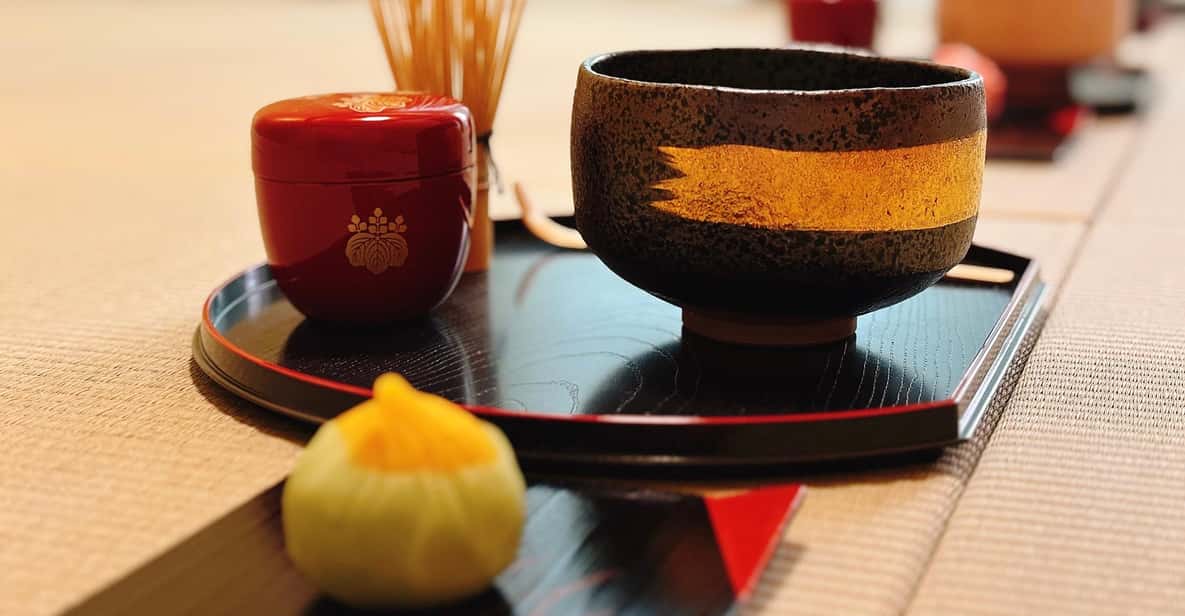
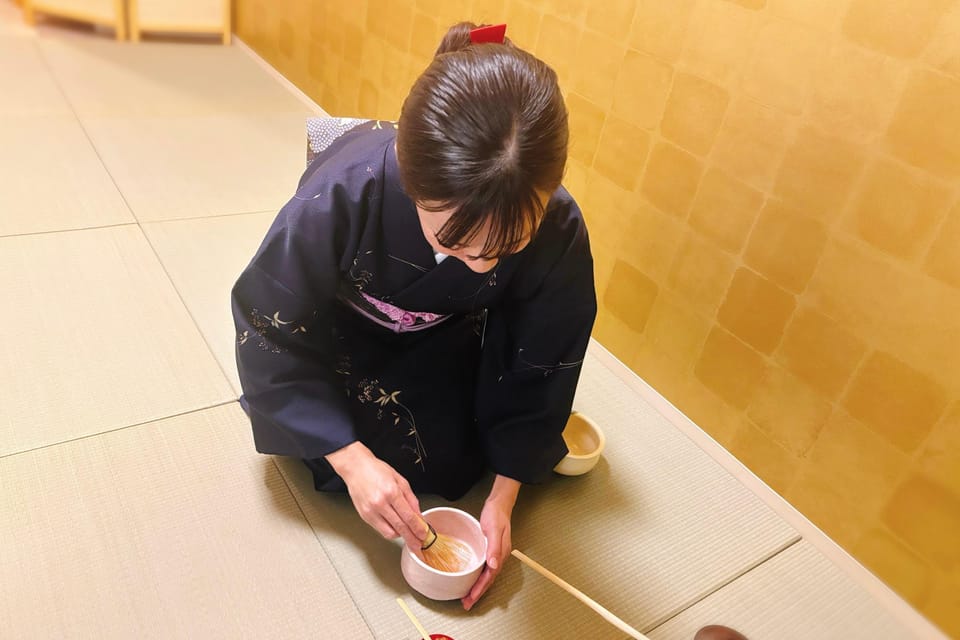
The core of the experience is the tea ceremony lesson, and you’ll do two main things: learn how to make tea, then make it yourself. Expect a guided flow with a calm, respectful pace—this is not a speed-run of steps.
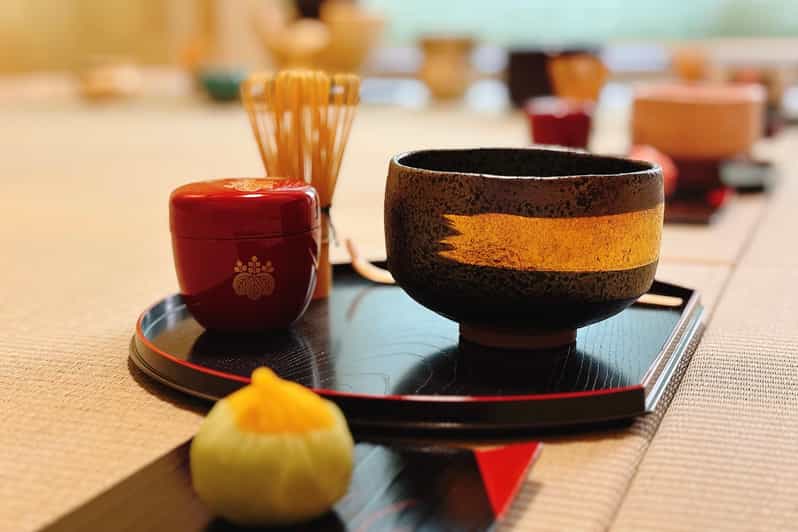
A really fun detail is the tea bowl choice. You can select one of several attractive bowls, based on what expresses your feelings that day. It turns a normal lesson into something personal. Even if you don’t know anything about tea culture yet, picking the bowl helps you “enter” the ritual without needing prior knowledge.
Then comes the matcha making experience. You’ll try preparing your own matcha during the lesson, not just tasting it. If you’ve never made matcha before, don’t worry—this is set up for beginners. The instructor can guide you as you whisk, and you get to experience the difference between a theoretical lesson and your own real attempt.
Also, you’re in a private setting. That means you can ask for the lesson to slow down, request extra photos, or match the rhythm of your group. If you’re traveling with a child, the ability to proceed at a kid-friendly pace is exactly the kind of small flexibility that makes cultural activities enjoyable.
Sweets twice: how the tasting fits into the ritual
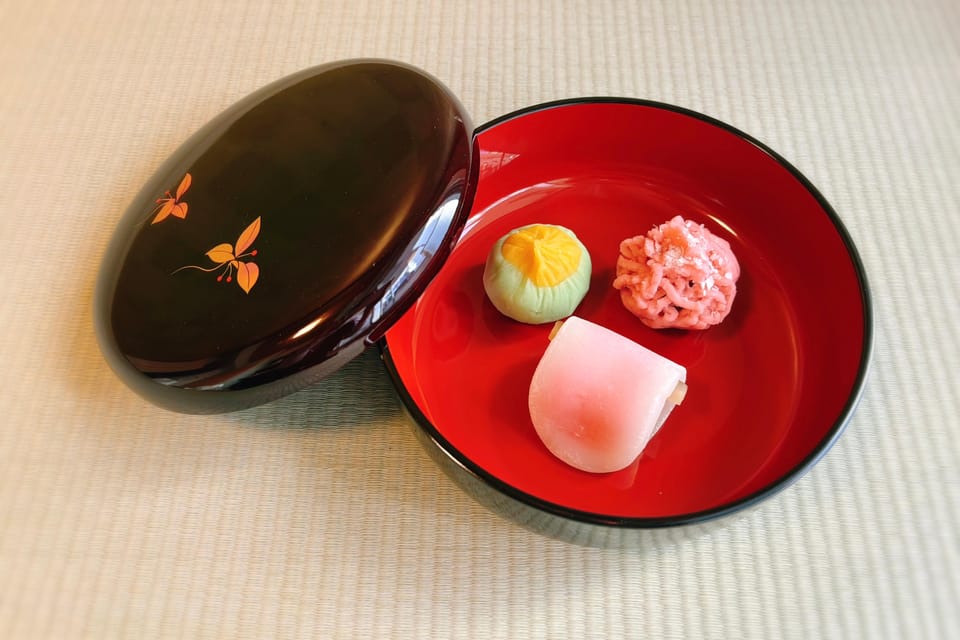
This is one of the most crowd-pleasing parts: you get Japanese sweets twice during the tea ceremony. That means it’s not one quick snack at the beginning and you’re done. There are multiple sweet moments built into the flow.
The sweets are included, and so are matcha and various Japanese sweets. In practice, this gives you little breaks that keep the hour from feeling like one long, formal performance. You’ll get to slow down, taste, and reset your attention between parts of the ceremony.
From what you can gather about the experience, the sweets are genuinely part of the event, not an afterthought. One common point people praise is how tasty the sweets/cookies are. That’s important because tea ceremony can feel abstract if everything is just about technique. The sweets help you connect with the experience through flavor.
If you’re sensitive to sugar, you’ll still likely find the sweets manageable since it’s split into two servings. Just tell the instructor what you prefer ahead of time if you have dietary concerns; the setting is private enough to be responsive.
Your hour is truly flexible: photos, pace, and private group comfort
A lot of tours say private, but don’t actually protect your comfort once the clock starts. Here, you’re explicitly told it’s completely private, and the guide is closely attending all participants.
That’s more than a marketing line. In a private setting, you can usually take photos without worrying about blocking other groups. You can adjust your experience toward your satisfaction—examples given include wanting lots of photos or moving slowly to fit your child’s pace.
This matters if you’re the kind of traveler who gets restless in scripted experiences. Tea ceremony is calm by nature, but the pacing can still vary a lot depending on the instructor and the group. Having the ability to influence the tempo helps you actually enjoy the ritual instead of just enduring it.
It also makes the experience easier if you’re traveling as a family. One of the strongest signals from real feedback is that it fits a family of four well. That’s the kind of useful detail I take seriously, because family travel in Japan often needs flexibility more than extra “big ticket” sights.

Languages and instructor guidance: what “friendly” means in practice
The instructor speaks Japanese and English, so you’re not stuck translating in your head while trying to learn matcha technique. Clear communication is a big deal in a hands-on experience. It reduces the awkward moments and helps you understand what you’re doing and why.
People also highlight the quality of explanations. That tracks with how the experience is designed: you’re learning how to make tea, choosing a bowl, then making your own matcha. If the instructor can explain each step well, you’ll feel confident when it’s your turn.
I’d also pay attention to how the instructor guides you during your attempt. Even if you don’t nail it perfectly, the value is learning the method and understanding what makes matcha preparation feel different. You’re not being graded. You’re getting real practice in a safe, supportive setting.
And because it’s private, questions are easier. You can ask what you’re tasting or why a step matters without feeling like you’re holding up a crowd.
Price and value: is $38 per person worth it?
At $38 per person for a one-hour experience, the value comes from what’s included and what’s actually hands-on.
You’re paying for:
- the instructor
- matcha and various Japanese sweets
- matcha making experience
- all fees and taxes
Compare that to the cost of paying for tea separately and then trying to find a place to learn how to make matcha. Even if you could cobble together a similar experience on your own, you’d still be paying for guidance, tools, and the cultural structure that makes the lesson meaningful.
The real “value” is that you get a guided lesson plus your own matcha trial, in a private setting, in central Namba. One hour isn’t long. But it’s long enough to learn, attempt, taste, and enjoy sweets twice.
If you’re the type of traveler who likes quiet experiences and doesn’t want to fight crowds, this price starts to feel very fair. If you only want a quick taste and don’t care about the making part, then you might consider other food stops instead. But if you want to leave with an actual memory of doing it, this is a strong choice.
Who this Osaka private tea ceremony suits best
This experience is a great match for:
- Families who want a calm cultural activity that’s not too complicated
- Couples looking for something quieter than Osaka nightlife
- Solo travelers who prefer one-on-one attention and lots of room to take photos
- Anyone new to tea culture who wants a beginner-friendly intro
It may be less ideal if:
- you need wheelchair access (it’s not suitable for wheelchair users)
- you prefer fast, high-energy tours and might feel tea ceremony pacing is too slow
The “private group” part is a deciding factor. If you hate sharing space with strangers during cultural activities, you’ll probably love this format.
And because the studio is in Namba, it’s well placed for travelers staying around Shinsaibashi. It’s an easy add-on day-plan piece: shop a bit, eat nearby, then take an hour to slow down.
Should you book this private tea ceremony in Osaka?
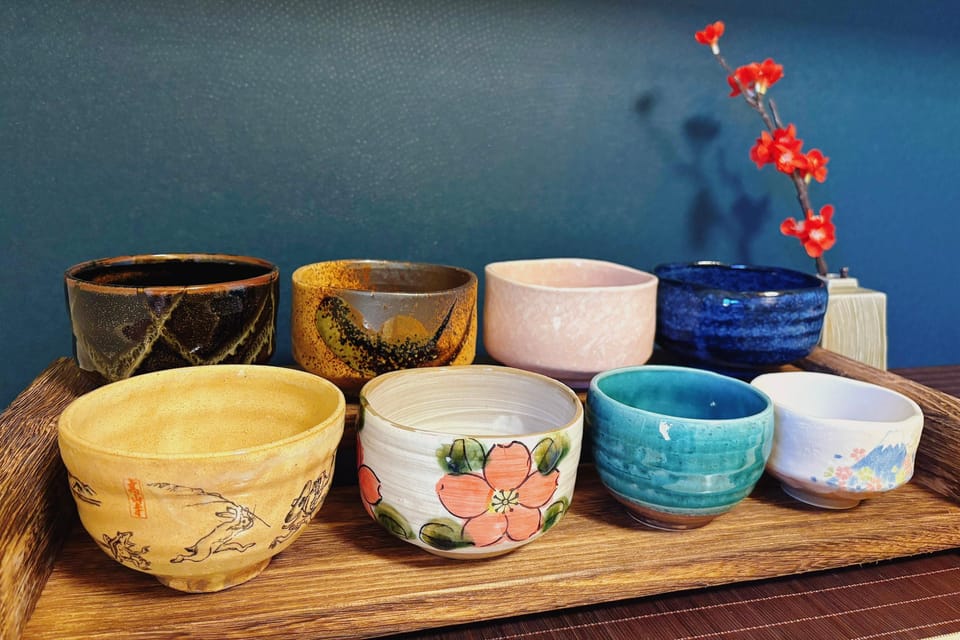
I’d book it if you want more than a passive cultural stop. The combination of learning how to make tea, making matcha yourself, choosing a tea bowl that reflects your feelings, and enjoying Japanese sweets twice gives you a complete, satisfying hour.
I’d skip it only if you’re sure you want nothing hands-on, or if your mobility needs don’t match the setting (wheelchair access isn’t available). Also, be ready to wear socks inside and follow the no-smoking rule.
If you’re deciding between a quick tea tasting and a lesson, this leans toward the lesson—and that’s exactly why it feels special.
FAQ
How long is the Osaka private tea ceremony experience?
It lasts 1 hour.
Where is the meeting point?
Meet at the entrance of New Osaka Hotel Shinsaibashi, then walk west about 30 seconds. There’s a blue vending machine near the entrance.
What should I bring?
Bring socks.
Is this a private experience?
Yes. It’s a completely private group experience, with the instructor closely attending participants.
What’s included in the price?
All fees and taxes, matcha and various Japanese sweets, the matcha making experience, and the instructor.
What language will the instructor speak?
The instructor speaks Japanese and English.
Can I make and taste matcha?
Yes. You’ll learn how to make tea and then try making it yourself, with matcha included.
Are Japanese sweets included?
Yes. You can enjoy different types of Japanese sweets twice during the tea ceremony.
Is smoking allowed?
No smoking is allowed.
Is it wheelchair accessible?
No. It is not suitable for wheelchair users.