REVIEW · OSAKA
Osaka: Premium Wagyu Yakiniku at Nikuoroshi Mannoya Bettei
Book on GetYourGuide →Operated by TakeMe Co.,Ltd. · Bookable on GetYourGuide
Wagyu here comes with a plan. What makes Nikuoroshi Mannoya Bettei special is that you don’t just order off a normal menu: you pick from 80 premium cuts arranged into clear taste themes tied to how the beef is bred and raised.
I also love the way the courses mix fun with learning, so you can understand why different cuts taste different, not just how delicious they are. One thing to consider: this is a restaurant reservation, not a guided tour, and there’s no guide on your side once you sit down.
In This Review
- Key things to know before you go
- Osaka Wagyu at Mannoya Bettei: it’s a reservation, not a street-side food crawl
- Entering the 2-hour course flow: what happens once you’re seated
- Choosing your course: three Wagyu lineups with very different vibes
- Special Premium Lean Wagyu Selection
- Premium Mannoya Wagyu Special Lean Beef Platter
- Royal Selection: Ultra-Premium Wagyu Lean Cut Assortment
- The cut themes: how Bloodline and Female Cattle change what you taste
- What the included cuts actually taste like (and why the course includes them)
- Tongue: a rich starter for texture lovers
- Karubi (grilled short rib): your comfort benchmark
- Loin and sirloin: lean clarity and clean beef flavor
- Seared sushi: the final test of finesse
- Finding Mannoya Bettei in Osaka: narrow alley vibes and how to order with confidence
- Price and value: does $66 in Osaka make sense for what you get?
- Who this Wagyu course suits best
- Should you book the Mannoya Bettei Wagyu course?
- FAQ
- How long is the Wagyu course at Mannoya Bettei?
- Is there a guide with this experience?
- What’s included in the price?
- What is not included?
- Are children allowed, and how does pricing work?
- What Wagyu course menus can I choose from?
- Can I cancel, and what about dietary restrictions?
Key things to know before you go
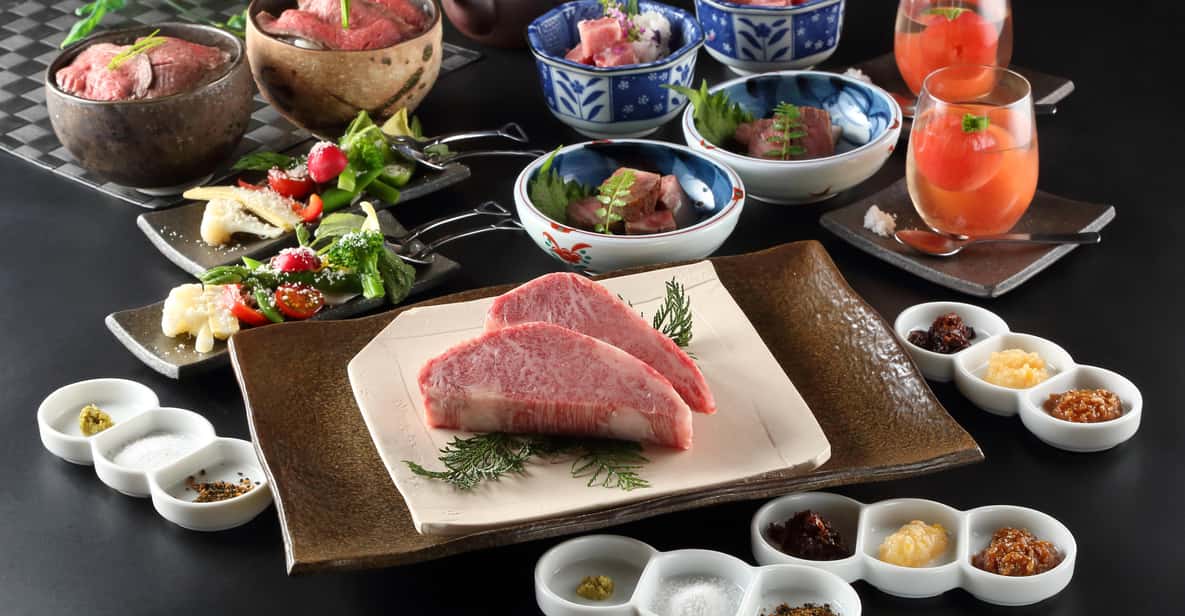
- 80-cut selection built around Wagyu “themes” so choosing feels guided even without a formal tour
- Bloodline and Female Cattle menus that steer you toward different flavor and texture experiences
- Feed and environment category that turns meat curiosity into something you can taste
- Three full course formats with specific cut types like tongue, karubi, loin, and seared sushi
- 2-hour seat time that keeps the pacing tight and keeps the experience focused
- Staff support with English menus for first-time Wagyu diners
Osaka Wagyu at Mannoya Bettei: it’s a reservation, not a street-side food crawl
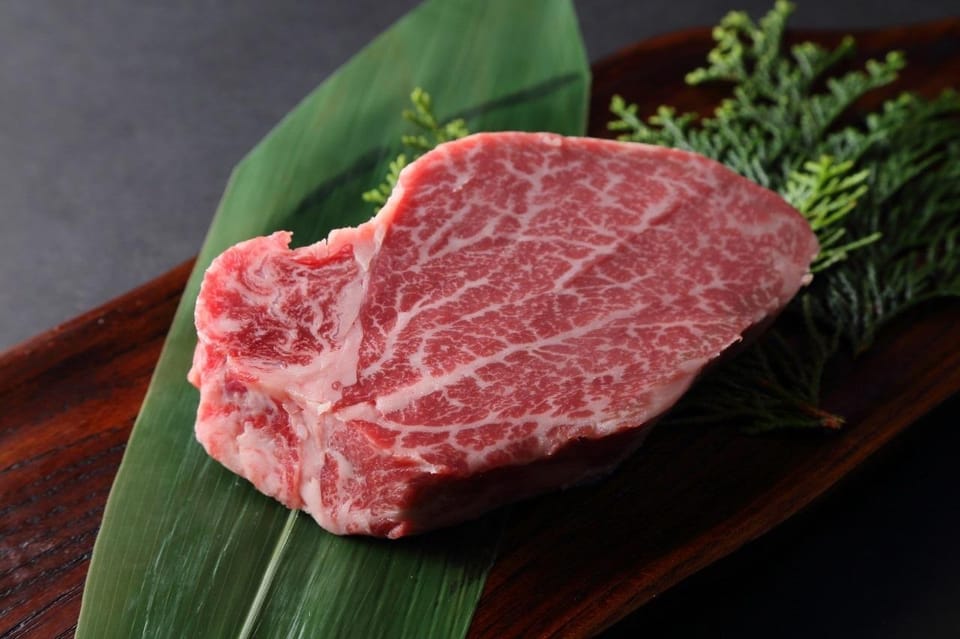
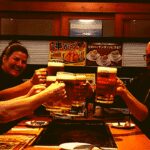
This experience is all about one thing: a focused 2-hour Wagyu course in a real Osaka restaurant setting. You’re not hopping between spots. You’re arriving for your reserved sitting, then spending that time choosing and eating through a structured set of cuts.
That matters because Wagyu can be overwhelming if you’re hungry and indecisive. Here, the restaurant gives you a framework. Even if you’re new to Japanese beef, you can lean on the categories and the course structure to make choices that make sense, not random.
You’ll also get a modern, not-stuffy dining mood, which helps if you’re traveling alone or you’re not sure how formal a “premium meat” meal will be. And you’re in a good part of Osaka for an evening out—Higashi-Umeda is a handy base, and the restaurant sits down a narrow alley, so it feels a little like finding a local door into something nicer.
You can also read our reviews of more tours and experiences in Osaka.

Entering the 2-hour course flow: what happens once you’re seated
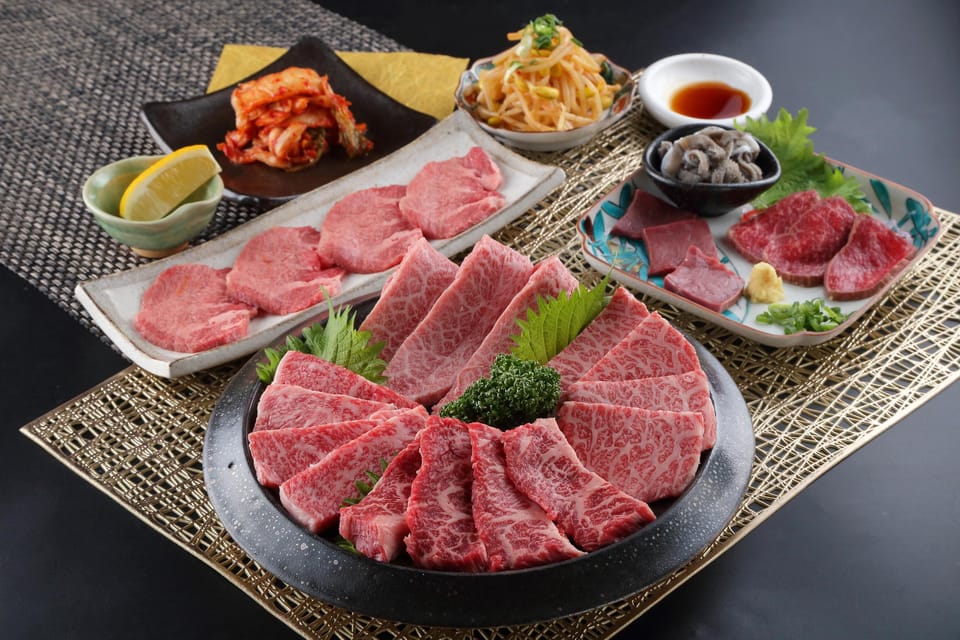
Once it’s time for your reservation, you go straight to the restaurant and sit for the course. There’s no guide provided, and that’s worth remembering. The value here isn’t a narrated walkthrough; the value is in the menu system and the course pacing.
From there, the meal moves through a full course set that includes multiple cut types. Based on the course options, you can expect a rhythm like:
- start with lean selections and/or a tongue course element
- move through grilling hits like karubi (grilled short rib) and loin
- finish with seared-meat sushi elements included in each course
The restaurant reserves seats for up to 2 hours, and you can’t choose your exact seat type. That’s not a big problem for most people, but it does mean you should arrive on time and be ready to enjoy the full pacing without stretching it into a long, slow dinner.
If you’re the type who likes to talk things out—Which cut should I try first? What’s the safest starter?—you’ll probably appreciate that the staff can help with English menus and advice on how to enjoy different cuts. That kind of practical support makes a huge difference when you’re picking expensive meat.
Choosing your course: three Wagyu lineups with very different vibes
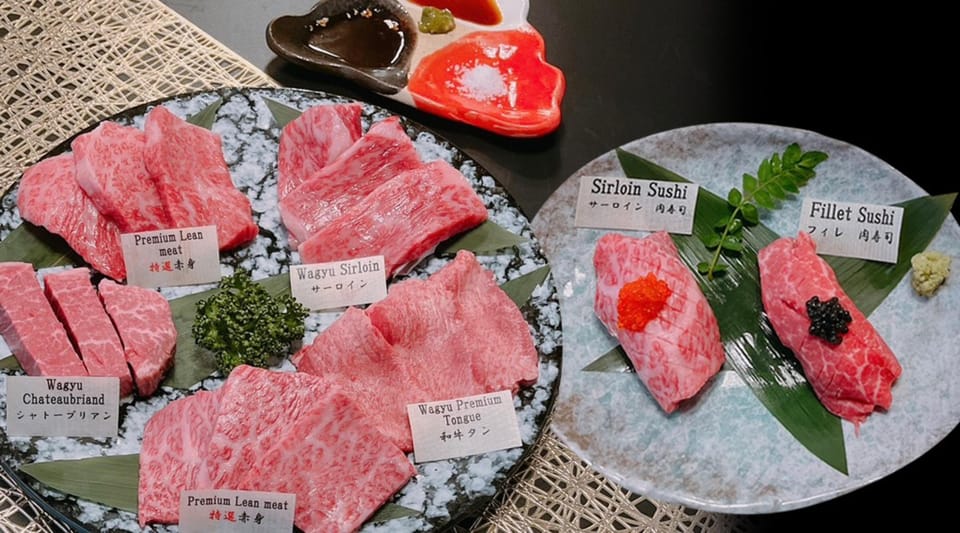
You’re not picking one random plate. You’re picking one of three full course menus, each built around lean-cut assortments and specific included items.
Special Premium Lean Wagyu Selection
This is the classic “premium lean” path. It includes:
- Premium tongue
- Premium lean beef (2 types)
- Premium karubi (grilled short rib)
- Premium loin
- Lean beef seared sushi
- Seared karubi (grilled short rib) sushi
If you want a balanced spread that covers the big flavor categories—tongue richness, lean beef clarity, karubi comfort-food depth, and the sushi finale—this is a strong choice.
Premium Mannoya Wagyu Special Lean Beef Platter
Slightly different feel, still built to teach you through variety. Included items are:
- Premium tongue
- Select lean beef (2 types)
- Select karubi (grilled short rib)
- Select loin
- Lean beef seared sushi
- Seared karubi (grilled short rib) sushi
This one works well if you’re excited about the concept but you want to stay a bit more “lean variety” than “ultra-premium ladder.”
Royal Selection: Ultra-Premium Wagyu Lean Cut Assortment
If you’re treating yourself, this is the top tier. Included items:
- Wagyu tongue
- Premium lean meat (2 types)
- Premium sirloin
- Chateaubriand
- Premium sirloin seared meat sushi
- Chateaubriand seared meat sushi
The names alone tell you what to expect: sirloin clarity and chateaubriand tenderness are usually where people feel the biggest jump in luxury. If you’re celebrating something, or you’re in Osaka for a once-in-a-while meal, this course targets that “I’m glad I paid extra” feeling.
The cut themes: how Bloodline and Female Cattle change what you taste
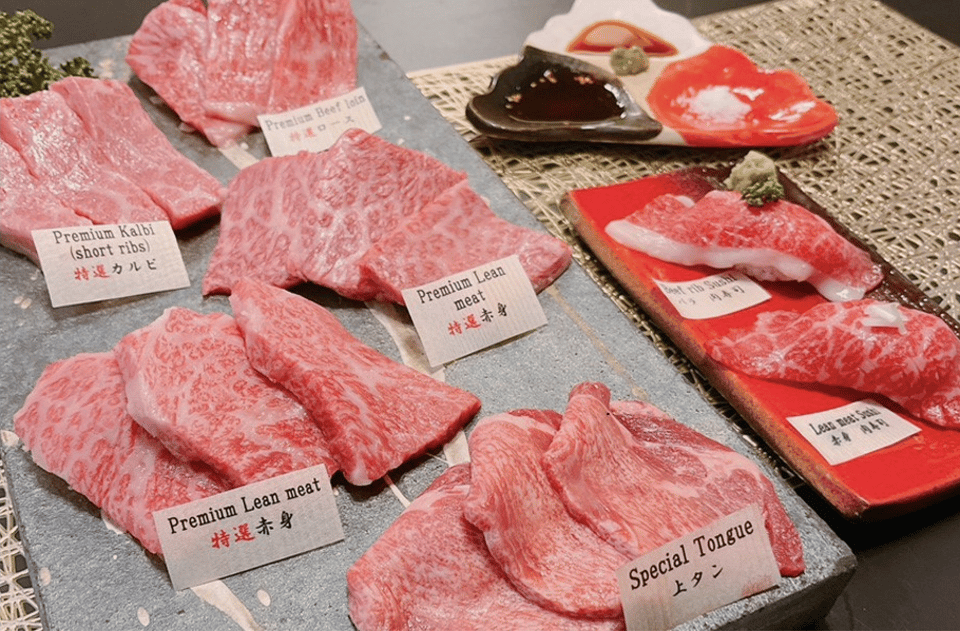
This is where the restaurant idea gets genuinely interesting. Instead of saying everything is just premium, the menu organizes cuts into themes such as:
- Bloodline
- Female Cattle
- Balance of Feed and Environment
What does that mean for you, in real eating terms? It means the restaurant wants you to taste the differences that come from how the cattle were raised and what kind of breeding line or animal profile you’re eating. That can sound abstract on paper, but once it’s paired with grilled cuts and seared sushi, the goal becomes simple: compare textures and richness across categories and notice what changes.
Bloodline cuts tend to be about heritage and consistent premium quality. Female-cattle cuts are positioned around delicate flavor and texture. The feed/environment category points you toward the idea that how cattle are nurtured affects taste and overall quality.
Even if you don’t memorize every explanation, you can still use the theme structure like training wheels. You’ll be less likely to pick randomly, and you’ll be more likely to leave with real understanding: not just delicious meat, but a sense of why each category tastes the way it does.
That also connects to the restaurant’s simple philosophy about eating only what you’re fully satisfied with. In practice, it encourages a tighter, more intentional meal instead of ordering “everything” and ending up overwhelmed.
What the included cuts actually taste like (and why the course includes them)
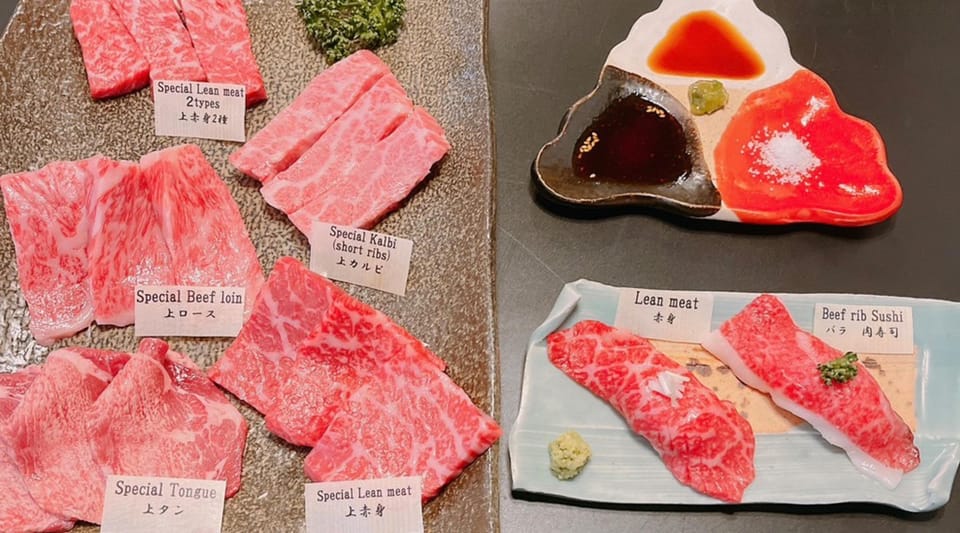
Even without a personal tasting menu in your hands, you can map the course around a few anchor cuts and styles that the restaurant repeats across course tiers.
Tongue: a rich starter for texture lovers
Tongue shows up in every course option. It’s a great choice when you want something that’s deeply savory without needing complex sauces. Tongue also makes a good “learning cut” because its texture differs clearly from other lean beef items.
Karubi (grilled short rib): your comfort benchmark
Karubi is included as both grilled and seared sushi in course formats. That gives you an easy comparison: same general beef character, different delivery. If you’re trying to understand what changes when cooking style changes, karubi is one of the clearest examples.
Loin and sirloin: lean clarity and clean beef flavor
Loin (and sirloin in the Royal Selection) tends to feel more straightforward and “beef-forward” than heavily fatty cuts. It’s the part of the meal that can feel elegant instead of intense. If you’re worried the meal might be too heavy, lean cuts like these help balance the experience.
Seared sushi: the final test of finesse
The course includes seared meat sushi elements. This isn’t just a gimmick. Seared sushi forces the restaurant to nail doneness and texture, and it gives you a different flavor experience than straight grilling. It also helps finish the meal with something that feels light and precise after the warm, grilled items.
Finding Mannoya Bettei in Osaka: narrow alley vibes and how to order with confidence
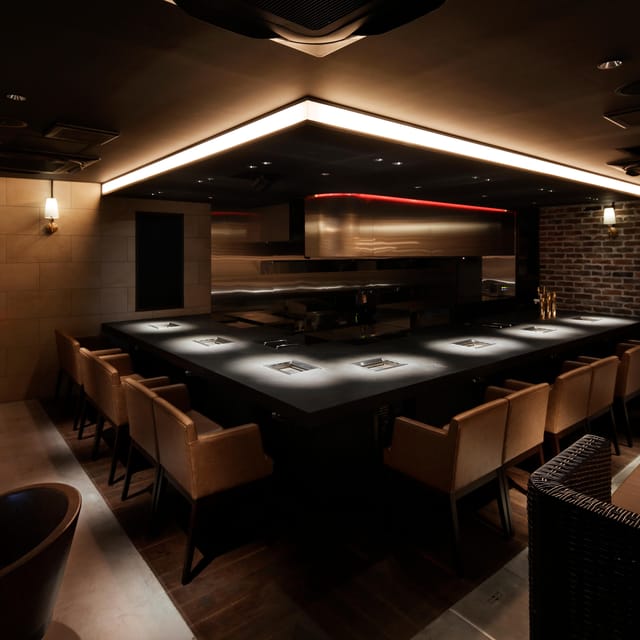
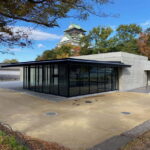
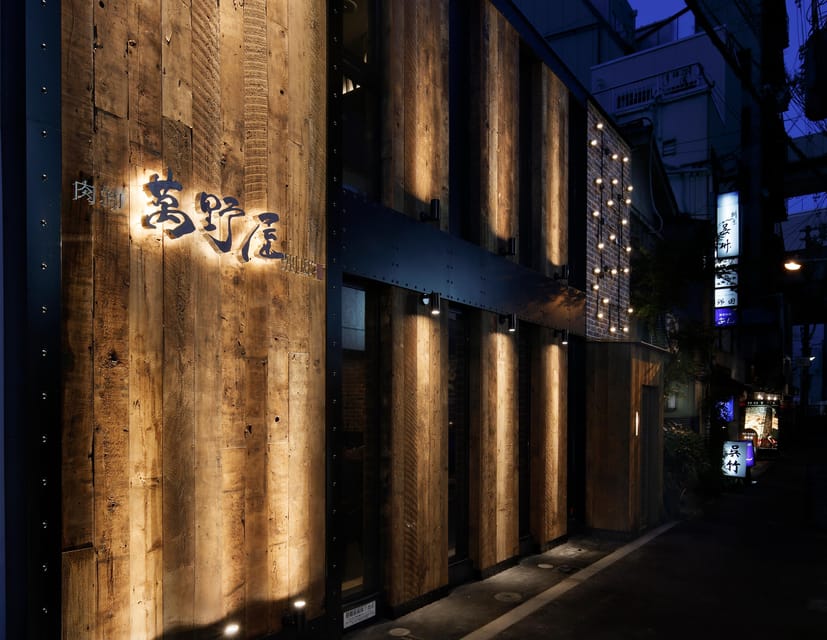
You’ll find the restaurant in a narrow alley, which sounds minor but matters in Osaka. This kind of location can make you question whether you found the right spot—so plan a little extra buffer the first time.
The good news is once you’re inside, staff help is a real part of the experience. Diners who are new to Wagyu have reported that English menus and explanation help with choosing and with how to enjoy each cut. That means you don’t have to walk in with perfect Japanese meat vocabulary.
If you have dietary restrictions, you should leave a comment during checkout. That’s the clearest path the reservation system offers, and it’s the best way to avoid arriving unsure.
Also note: specific seat types can’t be guaranteed, and your table time is capped at 2 hours. So I’d treat your reservation like a performance: arrive ready, order with confidence, and focus on eating the full course rather than trying to stretch it.
Price and value: does $66 in Osaka make sense for what you get?
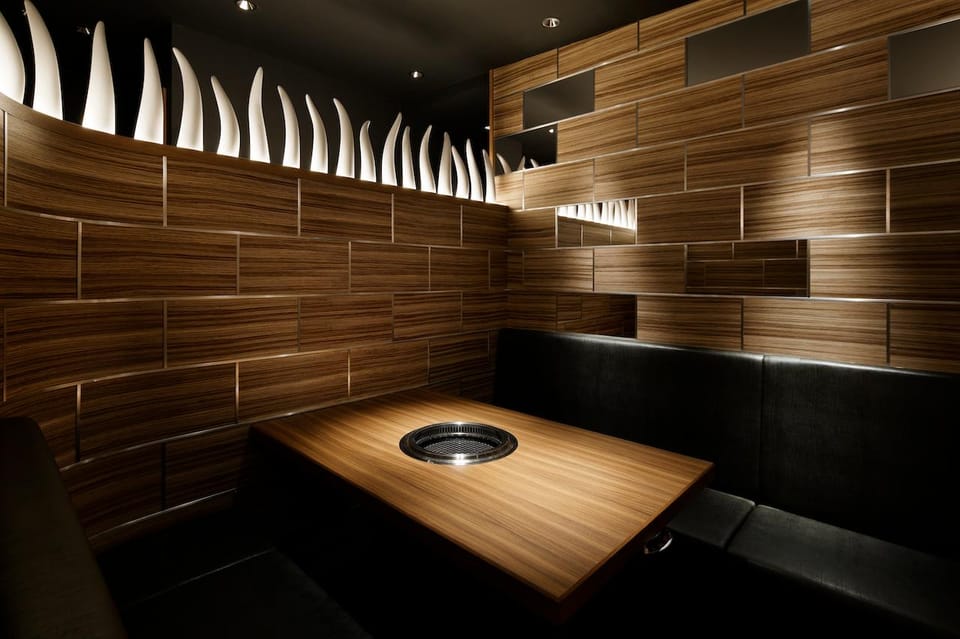
At $66 per person, this is priced like a premium dinner, but it also includes some key things that remove hidden friction:
- full course menu
- sales tax
- the reservation
Drinks are not included, and that can be the one “gotcha” if you’re used to paying for everything but food. Still, for a Wagyu course with multiple included cut types, tax included makes it easier to compare value.
Here’s how I’d think about the value:
- If you’re the type who wants to try several cuts without guessing, a structured course is often better than ordering à la carte and hoping you picked the right items.
- If you want a single meal that mixes grill and seared sushi plus tongue and karubi, the set format gives you a lot of variety in one sitting.
- If you’re celebrating, the Royal Selection (with sirloin and chateaubriand) gives you a clear “top tier” ladder.
If you’re only interested in one or two mild cuts, you might feel like you’re paying for variety you won’t fully enjoy. In that case, it’s worth considering whether a course format is really your style.
Who this Wagyu course suits best
This fits you if:
- you want premium Wagyu with a clear structure
- you like the idea of tasting differences across categories like Bloodline and Female Cattle
- you’d rather eat a complete course than assemble your own dinner
- you’re in Osaka for a special meal and want it to feel modern, not formal
It may not be ideal if:
- you strongly prefer a spoken, live guide experience (there’s no guide provided)
- you dislike tasting menus in general, where you’re expected to work through the full course
- you’re traveling with very specific dietary needs and you don’t plan to note them during checkout
Should you book the Mannoya Bettei Wagyu course?
If you want a high-quality Wagyu experience that’s more “smart selection” than “random ordering,” I’d book it. The big reason is the concept: 80 premium cuts organized into themed choices, paired with a full course that includes grilling and seared sushi. That’s a lot of value packed into a tight 2-hour dinner.
I’d especially recommend it if this is your first Wagyu meal in Japan. The staff support and the course structure make it easier to feel comfortable, and the included cut variety helps you understand what you like without guesswork.
On the other hand, if you’re hoping for a narrated tour or you want lots of flexibility once you sit down, you might find the lack of a guide and the fixed course format limiting. For most people coming to Osaka for one standout beef meal, though, this is a well-targeted choice.
FAQ
How long is the Wagyu course at Mannoya Bettei?
The seating is reserved for up to 2 hours.
Is there a guide with this experience?
No. No guide will be provided.
What’s included in the price?
The price includes the full course menu, sales tax, and your reservation.
What is not included?
Drinks and other personal expenses are not included.
Are children allowed, and how does pricing work?
Children under 10 years old are free of charge. Those 10 years and older are required to order the regular course.
What Wagyu course menus can I choose from?
You can choose one of three course menus: Special Premium Lean Wagyu Selection, Premium Mannoya Wagyu Special Lean Beef Platter, or Royal Selection (Ultra-Premium Wagyu Lean Cut Assortment).
Can I cancel, and what about dietary restrictions?
You can cancel up to 2 days in advance for a full refund. If you have dietary restrictions, leave a comment during checkout.