REVIEW · OSAKA
Osaka: Kuromon Market Street Food Tour with Pro Local Guide
Book on GetYourGuide →Operated by Trip with Goku · Bookable on GetYourGuide
Food is the fast path to Osaka. This 2-hour Kuromon Market walk is built around 4–5 Osaka tastings and stops that go past the main stalls. I like that you get a small group (max 10) and a guide who can explain what you’re eating and why it matters, with tips for food etiquette and souvenir shopping. One consideration: this experience isn’t suitable if you have food allergies, and the tour doesn’t include extra drinks or extra food beyond the planned samples.
You’ll also move through areas that feel like real daily life, not just photos. I especially like the pairing of Kuromon with Sennichimae Doguyasuji Shotengai (kitchenware shopping) and Hozenji Yokocho (traditional alley atmosphere). The only “watch out” is practical: bring cash and comfortable shoes, because street food lines and walking can make it feel like a workout, fast.
In This Review
- Key Highlights That Make This Tour Worth Your Time
- Kuromon Market Street Food in 2 Hours: What You’re Really Booking
- Your Local Guide (Goku or Yuna) and Why It Changes the Meal
- First Stop: Getting Oriented at Kuromon Ichiba Market
- What Kuromon Is Like When You’re Standing There
- The Tastings: 4–5 Osaka Bites and How to Think About Them
- Sennichimae Doguyasuji Shotengai: Kitchenware Shopping as a Cultural Detour
- Hozenji Yokocho: Traditional Alley Atmosphere After the Market
- Small-Group Size (Max 10) and How It Shows Up in Real Life
- Price and Value: Is $51 Reasonable for This Tour?
- Meeting Points and Drop-Offs: Two Options to Watch
- What to Bring (and What to Skip) for a Smoother Walk
- Who This Osaka Street Food Tour Is Best For
- Should You Book It?
- FAQ
- How long is the Osaka Kuromon Market street food tour?
- What does the tour cost?
- How many people are in the group?
- What languages are available for the live guide?
- Can you accommodate dietary requests?
- What food is included in the price?
Key Highlights That Make This Tour Worth Your Time
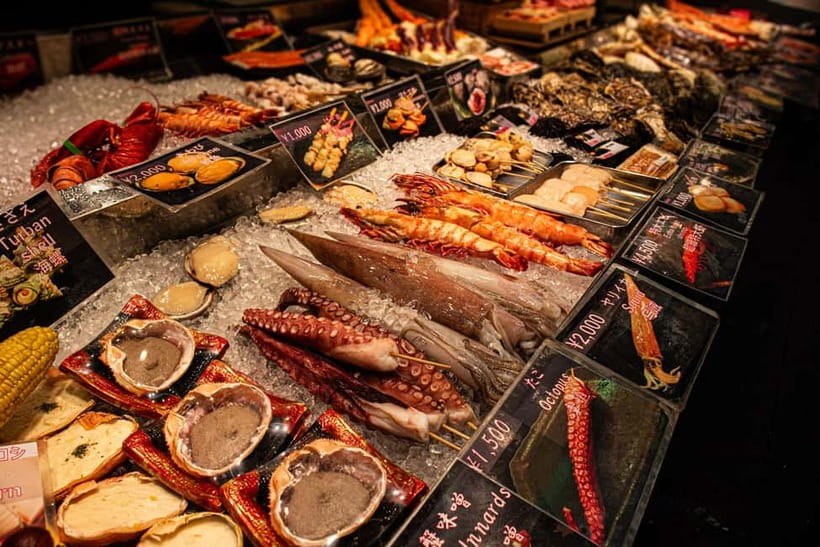
- Kuromon Market as your classroom: learn how Osaka street food culture works while you taste.
- A pro local guide with real trader connections: guides like Yuna can flex the route to your likes.
- 4–5 tastings, not a snack parade: enough variety to taste Osaka without turning into a sugar sprint.
- Sennichimae Doguyasuji Shotengai kitchenware stop: a useful, authentic side quest for practical souvenirs.
- Hozenji Yokocho alley visit: a strong contrast to the market, with that old-school Osaka vibe.
- Small-group feel: up to 10 people so questions don’t vanish into the crowd.
Kuromon Market Street Food in 2 Hours: What You’re Really Booking
This is a short, focused street food tour that uses Osaka’s Kuromon Market as the anchor. The idea is simple: you get guided access to the best places to try, plus context so you’re not just eating things you can’t place.
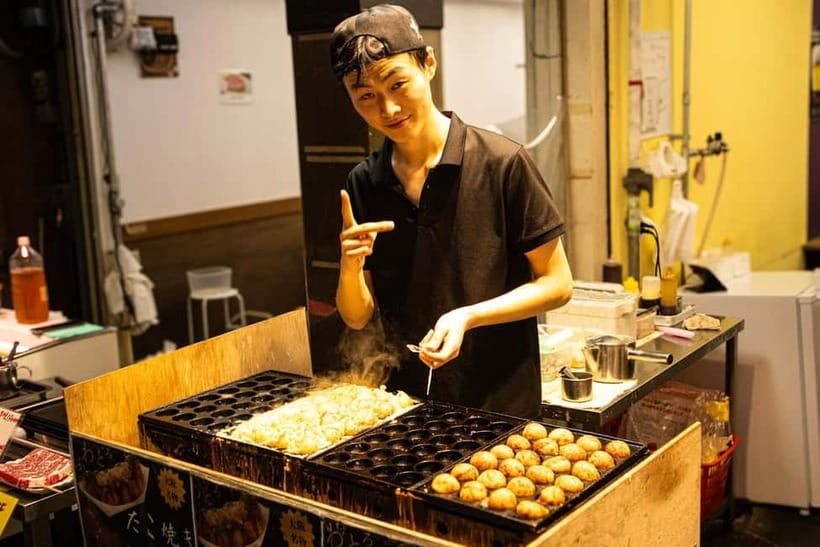
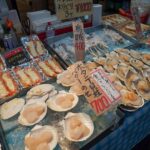
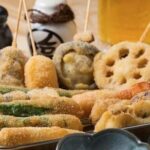
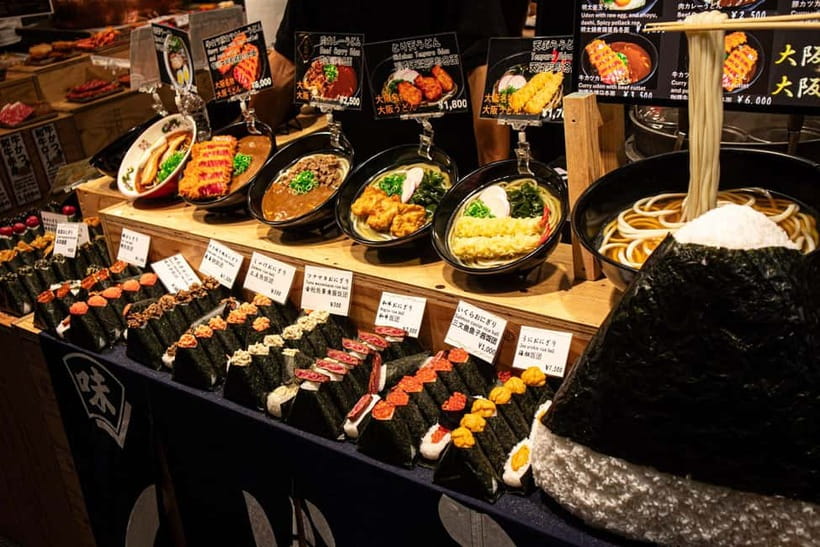
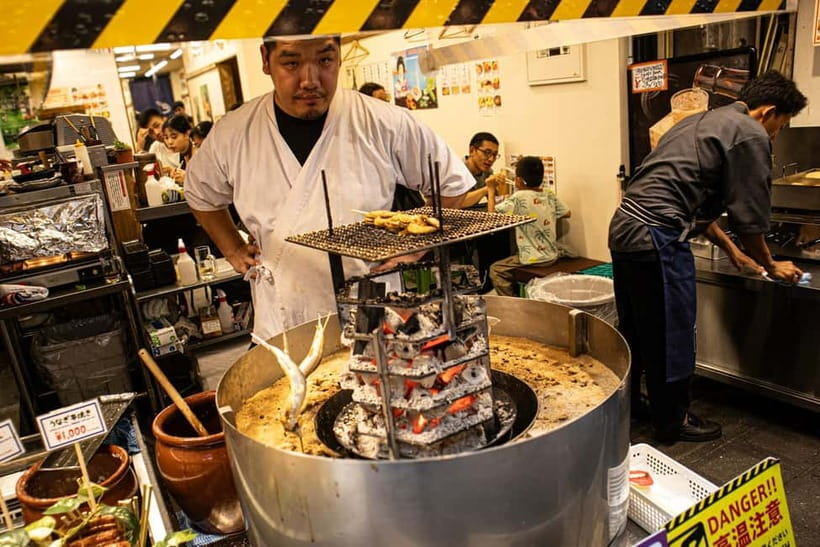
Expect 4–5 curated samples of local favorites, with examples like grilled scallops, yakitori skewers, and takoyaki. The guide also shares what to look for, how vendors think, and how to handle yourself around crowded stalls. That matters, because markets run on rhythm—if you show up unsure, you spend time figuring out logistics instead of enjoying the food.
Timing is tight by design. The tour runs 2 hours, so you won’t get a “see everything” sweep. You’ll get a “see what matters and taste your way through Osaka” experience. If you want long browsing time for dozens of shops, this may feel short. If you want smart sampling with a local voice, it’s a good fit.
You can also read our reviews of more food & drink experiences in Osaka

Your Local Guide (Goku or Yuna) and Why It Changes the Meal
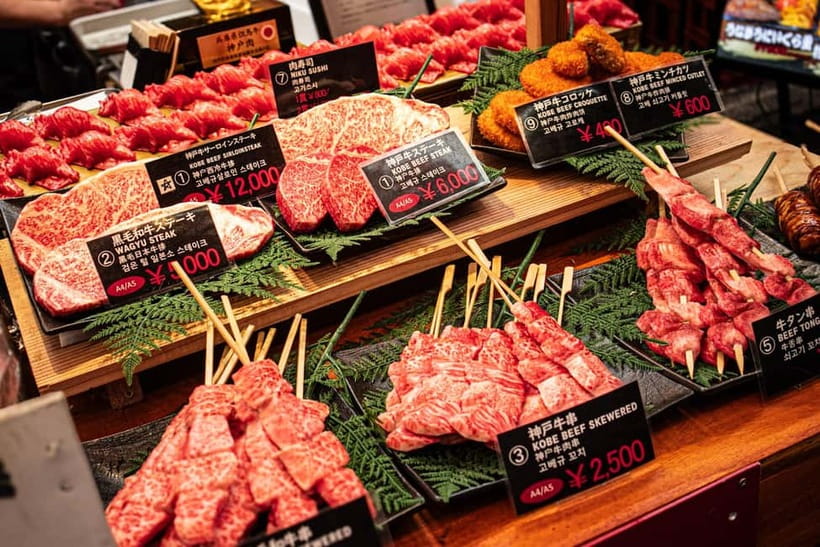
This tour is led by a professional Japanese guide with strong knowledge of Japanese culture, history, and etiquette. In the real world, that’s the difference between wandering and understanding. You’ll learn how markets fit into everyday life, how people choose food, and how to approach vendors politely when things get busy.
The name that comes up is Goku, and another guide mentioned is Yuna. One booking highlight notes that Yuna has lived in Osaka for many years and knows many traders personally. Another highlight says the tour can be adjusted based on what you like or dislike, and that you’ll get plenty of recommendations.
For you, this means the tour can feel like a conversation rather than a script. Instead of being locked into a rigid list, the route is meant to match your tastes. That also helps if you’re the type who wants to ask questions about ingredients, cooking style, or what a dish is supposed to taste like.
First Stop: Getting Oriented at Kuromon Ichiba Market
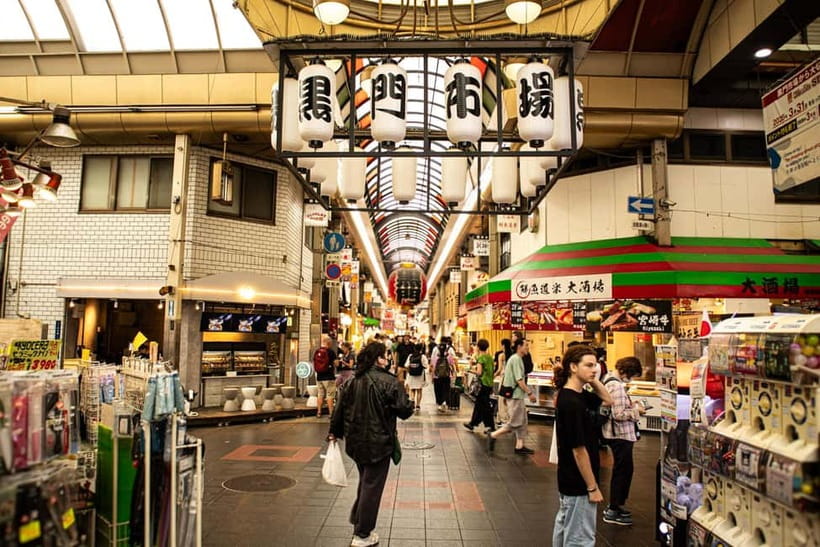
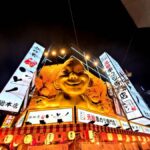
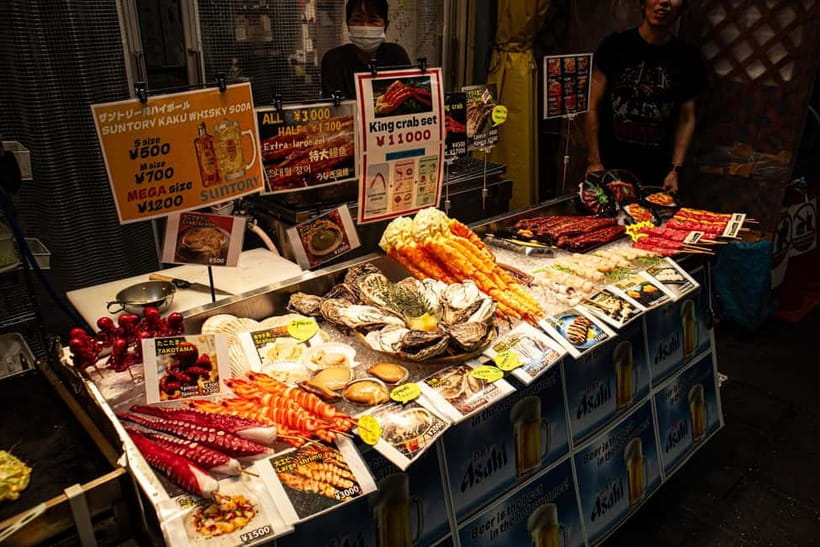
Kuromon Ichiba Market is often called Osaka’s Kitchen, and it earns that nickname. It’s packed with stalls where food shows up ready to eat, and it’s the kind of place where direction matters. The tour meets you at one of two starting options, then you head into the market environment together.
What you’ll do here is the core of the experience: a guided market visit paired with multiple tastings. The guide helps you navigate the flow of the market so you’re not stuck guessing which line moves fastest or which stall has what you’re looking for.
Because the tour includes explanations (not just handouts of food), you’ll get more out of each bite. You’re also learning market logic: what tends to sell quickly, how stalls differ, and what makes street food a local habit rather than a novelty. That’s where the value lives—understanding what you’re tasting while you’re tasting it.
What Kuromon Is Like When You’re Standing There
You can expect a lively market setting with lots of sensory input—sounds, smells, and fast-moving crowds. That’s fun, but it’s also why you should wear comfortable shoes. You’ll likely be on your feet more than you expect for a “two-hour snack tour.”
Also plan for cash. The tour doesn’t include additional drinks or extra food, so if you want more than the samples, you’ll need your own funds. Cash is simply the safer bet in dense market areas where payment options can vary stall to stall.
The Tastings: 4–5 Osaka Bites and How to Think About Them
The tour is built around 4–5 samples, with examples such as grilled scallops, yakitori skewers, and takoyaki. That’s a useful range: seafood, skewers, and Osaka’s signature fried octopus balls. You’re not just repeating the same flavor family.
Here’s how I’d approach it as a reader deciding what you’ll get out of the experience:
- Try to learn before you eat. Each sample comes with context from the guide, so ask quick questions while you can.
- Don’t over-order on your own. Since the tour already includes the planned bites, add-ons are optional. This keeps the experience predictable for your budget.
- Save your appetite for the last tastings. In these markets, the best moment is often later, when you’re warmed up and more confident with what you’re choosing.
Dietary requests can be accommodated, which is a big deal for street food. The important limit: the experience is not suitable for people with food allergies. If allergies are in play, you’ll want to skip this or find a different option designed around your allergy requirements.
You can also read our reviews of more tours and experiences in Osaka

Sennichimae Doguyasuji Shotengai: Kitchenware Shopping as a Cultural Detour
After the market, the tour shifts into Sennichimae Doguyasuji Shotengai, known for kitchenware. This stop isn’t just shopping. It’s a look at how Osaka thinks about food beyond eating.
Here’s why it’s a good addition for you: many souvenirs are “things,” but kitchenware connects to habits. It also helps you spot what locals actually buy for cooking and serving, and that’s often more interesting than another cheap keychain.
The alley/shopping street format also changes the pacing. Instead of constant food snacking, you slow down and browse. You might find practical items that are easier to use at home, and the guide can help point out what’s worth attention and what’s more decorative than useful.
Hozenji Yokocho: Traditional Alley Atmosphere After the Market
Next is Hozenji Yokocho, a traditional alley-style area. The vibe here is different from Kuromon. After the fast movement of the market and the focused browsing in a kitchenware street, you get a calmer, older-feeling Osaka scene.
Why you’ll probably like this stop: it’s a contrast that makes the whole tour feel more complete. Food markets tell one story, and old alleys tell another—how people socialize, how they unwind, and how neighborhoods keep their character even as the city modernizes.
This part also helps with photos, but it’s not only about images. The guide’s commentary can help you understand what the space is for and why locals still care about it. In a short tour, that kind of context is gold.
Small-Group Size (Max 10) and How It Shows Up in Real Life
A maximum group size of 10 may sound like a small detail, but it changes everything. With fewer people, you get:
- more chance to ask questions in English (and sometimes other languages on request)
- a smoother walk through crowded lanes
- a better chance for the guide to adjust to your preferences
One booking highlight mentions the tour being flexed for individual likes, dislikes, and interests. That’s not guaranteed with every street food experience, but it fits the small-group promise. It also makes the tour feel more personal—less like you’re herding through stops, more like you’re being guided through a known route.
Price and Value: Is $51 Reasonable for This Tour?
At $51 per person for a 2-hour guided walking tour, the value comes from what you get bundled together:
- a professional local guide who can explain food culture and market history
- Kuromon Market access and navigation through a dense food hub
- multiple tastings (4–5 samples)
- extra stops tied to Osaka’s food world: kitchenware shopping and a traditional alley
What’s not included is also important: transport to and from the meeting point and additional food and drinks. That means you’re paying for guidance plus the planned sample sizes, not for unlimited eating.
If you’re traveling in Osaka for a short time and you want street food without spending hours figuring out where to go, $51 can make sense. If you’d rather spend the day wandering on your own and experimenting freely with whatever looks good, you may not need the structure. This tour is for people who want direction, context, and a tight timeline.
Meeting Points and Drop-Offs: Two Options to Watch
The meeting point can vary depending on what you book. Two options are listed:
- ピカソ日本一ビル (Picasso Nihon-ichi Building)
- Sumitomo Mitsui Banking Corporation ATM
You’ll also have two drop-off options that match the meeting points. Translation for you: before you go, double-check which pickup location you selected so you don’t lose time in a busy area.
Since transportation isn’t included, plan how you’ll get there. Also, because the start location includes a bank ATM and a nearby building, it’s worth arriving a few minutes early to find the exact spot without stress.
What to Bring (and What to Skip) for a Smoother Walk
You’ll have a better time if you come prepared. Bring:
- comfortable shoes
- cash
- camera
If you’re thinking of snacks beyond the included samples, remember that additional food and drinks aren’t part of the price. If you want to be able to say yes to extra items, bring a little extra cash.
If you have allergies, this is the one big “skip” category. The tour explicitly says it’s not suitable for people with food allergies, so don’t treat that as a maybe.
Who This Osaka Street Food Tour Is Best For
This tour makes the most sense if you:
- want to taste Osaka street food without guessing where to go
- like learning the story behind what you eat, including etiquette and market culture
- prefer a small group rather than a big bus-style experience
- want a mix of eating plus a cultural shopping alley and a traditional atmosphere stop
It may not fit if:
- you have food allergies
- you want a long, independent market wander with no guidance
- you want drinks and lots of extra eating included in the price
Should You Book It?
I’d book this tour if you want a simple plan: a guided walk through Kuromon Market, a handful of Osaka bites, and two added stops that connect food to Osaka’s wider everyday life. The small-group size and the fact that guides like Goku and Yuna are described as having real local knowledge (and even some trader relationships) is exactly what you want in a place as packed as Kuromon.
I’d skip it if you have food allergies or if you prefer to self-guide and don’t care about explanations. For everyone else, it’s a solid way to taste Osaka in just two hours without turning your day into logistics.
FAQ
How long is the Osaka Kuromon Market street food tour?
The tour lasts 2 hours.
What does the tour cost?
The price is $51 per person.
How many people are in the group?
The tour is a small-group experience with a maximum of 10 people.
What languages are available for the live guide?
The live guide can be English, and French, Spanish, Russian, or Japanese may also be available upon request.
Can you accommodate dietary requests?
Yes, dietary requests can be accommodated. However, the tour is not suitable for people with food allergies.
What food is included in the price?
The tour includes 4–5 local food samples. Additional food and drinks are not included.