REVIEW · OSAKA
Naoshima 1 Day Tour from Osaka
Book on Viator →Operated by H.I.S.Co., Ltd. · Bookable on Viator
Art on Naoshima, without the planning stress.
Naoshima is a small island with big ideas: contemporary museums shaped by Tadao Ando and artists, many set partly underground to protect the island’s look in the Seto Inland Sea National Park. You get a private guide plus a power-assisted e-bike option, so the day feels focused instead of chaotic.
I like two things right away. First, you’re not just hopping between exhibits—you’re guided through the art, the architecture, and the island’s practical rhythm. Second, the day’s built around real time on the island (bike and on-foot), not endless train-and-wait.
One drawback to think about: it’s a long day and some major museum admissions are not included (and you’ll need to bring stamina and smart packing). Also, this works only with good weather, so plan for a possible date shift if conditions are poor.
In This Review
- Key Highlights You’ll Feel in Real Life
- Why Naoshima Makes a Great One-Day Mission
- Your Day Plan: Osaka to Uno to Naoshima (and Back Again)
- E-Bike Freedom on Naoshima-cho (Why the Bike Time Matters)
- Lee Ufan Art Museum: The Ando + Lee Ufan Moment
- Benesse House Museum: A Must-Plan Ticket Call
- Art House Project and the Charter Car Option
- Chichu Art Museum: Don’t Forget the Ticket
- The Real Value of the $481.23 Price Tag
- Heat, Timing, and Luggage: Your Survival Checklist
- What Private Customization Actually Means Here
- A Note on Guide Quality (and How to Maximize It)
- Should You Book This Naoshima 1 Day Tour From Osaka?
- FAQ
- FAQ
- How long is the Naoshima 1 Day Tour from Osaka?
- What time and where does the tour start?
- Is this a private tour?
- Is the ferry included?
- Are the museum tickets included?
- Does the tour include bike rental?
- Is lunch included?
- Can I bring a suitcase?
Key Highlights You’ll Feel in Real Life
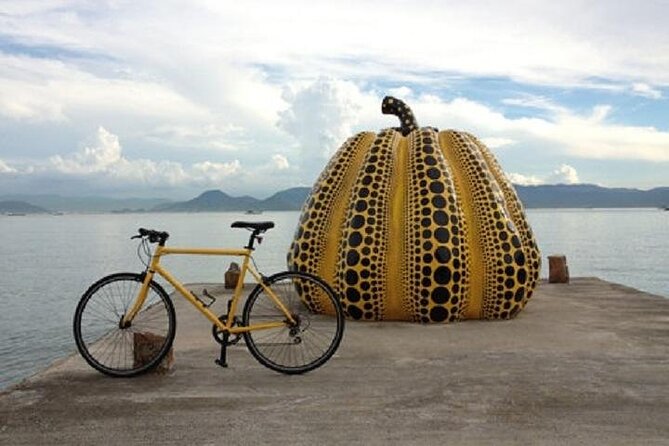
- Private, small-group pacing with an English-speaking guide (and Spanish options), so you can ask questions and adjust on the fly.
- E-bike time on Naoshima with rental charge included, plus guidance on whether the e-bike fits your comfort level.
- Ferry round trip included between Uno Port and Naoshima Port, keeping travel friction low.
- Lee Ufan Art Museum admission included, a standout stop created from Lee Ufan and architect Tadao Ando’s collaboration.
- Chichu Art Museum tickets are separate, so plan extra spend if you want that specific museum.
Why Naoshima Makes a Great One-Day Mission
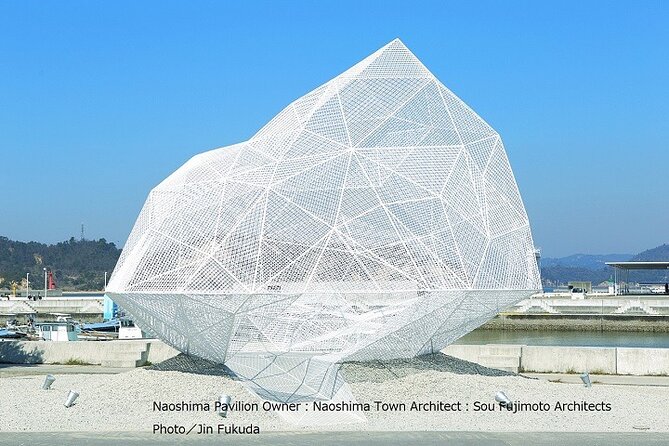
Naoshima is one of Japan’s most satisfying “art as place” destinations. The island’s building rules help keep the visual impact down, so a lot of museum spaces are built underground or integrated into the landscape. That changes how you experience the art: you don’t just look at objects, you step into carefully designed light, sound, and space.
What I like about doing it as a one-day tour from Osaka is the structure. A full Naoshima day can balloon if you’re syncing trains, ferries, and museum entry times on your own. This plan trades a little freedom for momentum—so you still get the island feeling, just with the annoying parts handled.
The day is long (about 12–13 hours), so it’s best for people who like making good use of daylight. If you’re the type who wants to linger for hours in one museum room, you might feel a little rushed. If you want a strong sampler of Naoshima’s big art names, this works well.
You can also read our reviews of more tours and experiences in Osaka
Your Day Plan: Osaka to Uno to Naoshima (and Back Again)
You start early, at 6:30 am at Shin-Osaka Station. Then the day runs in a simple travel spine:
- Shinkansen + local train to Uno Station (about 4 hours total for this leg)
- Ferry round trip between Uno Port and Naoshima Port (included, about 2 hours of ferry time total)
The big value of this setup is predictability. You’re dealing with a known transit route and fixed connections, so you won’t lose half your day to timing errors. It’s also why the tour requires a decent fitness level: even though it’s private, you still have a lot of movement in a single day.
At the end, the tour returns you back to the same meeting point area. So you can skip the stress of figuring out late-evening transport back to Osaka after museums.
E-Bike Freedom on Naoshima-cho (Why the Bike Time Matters)
Naoshima rewards you for moving at your own pace, and that’s where the e-bike earns its keep. You get a window in Naoshima-cho (about 2 hours) with the bicycle rental included. The tour also tells you to confirm you can ride an electric bicycle—this matters.
If you can ride comfortably, you can cover more ground without turning the island day into a long sweat session of walking. The bike also helps you connect different stops without constantly checking schedules. On a hot day, that difference is real.
One practical note: don’t show up with a heavy suitcase. The tour specifically says do not bring suitcases, and that large luggage won’t work with bicycle transport (it’s impossible to carry large luggage to the hotel by bicycle). Plan for a backpack-sized bag or luggage that fits in a backpack or the front basket.
If you can’t ride the bike, there’s a fallback: you can participate with bus transportation, but all participants share the same method and there’s only one bus route. So if your group includes different comfort levels, talk that through before you go.
Lee Ufan Art Museum: The Ando + Lee Ufan Moment
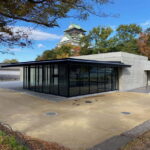
One of the cleanest, most satisfying stops on this tour is Lee Ufan Art Museum. Admission is included, and the museum itself is a collaboration between the internationally known artist Lee Ufan and architect Tadao Ando.
Why this is a good match for a one-day schedule: it’s a “site-specific” kind of art experience. Ando-style architecture often changes how you feel while viewing—light falls differently, movement feels choreographed, and the space nudges you to slow down without needing to hunt for hidden details.
A guide also helps here. In the best cases, the guide can translate what you’re looking at into something you can actually hold onto: what to focus on, how to interpret the space, and how to move through the galleries efficiently instead of wandering.
In past feedback, Jun and Seiko were singled out for handling details smoothly and making the day feel easy. That matters most on museum stops where you might otherwise feel rushed or unsure where to go next.
Benesse House Museum: A Must-Plan Ticket Call
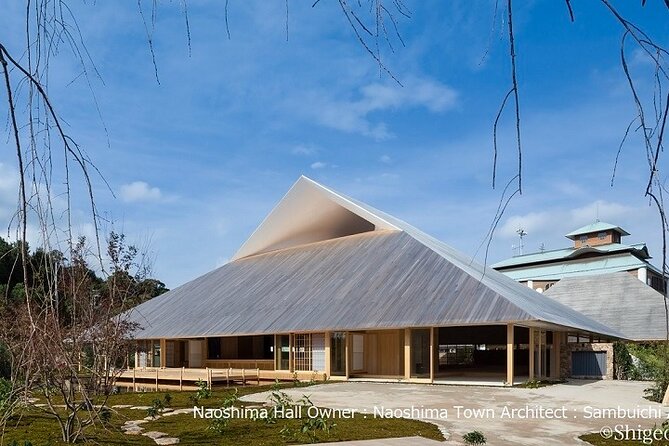
Benesse House Museum is one of Naoshima’s flagship cultural experiences, but you’ll need to plan carefully because the provided details conflict on admission.
- One part says the tour lists Benesse House Museum ticket excluded.
- Another part lists Admission Fee of Benesse House Museum under included items.
So treat Benesse House as a “confirm before you rely on it” museum. If your booking says not included, you’ll want to budget for the ticket on top of the tour price.
Even with that uncertainty, Benesse House tends to be worth the effort because it’s designed around the idea of coexistence between nature, art, and architecture. For a one-day tour, it adds atmosphere beyond the museum object—think setting and design as part of the experience.

Art House Project and the Charter Car Option
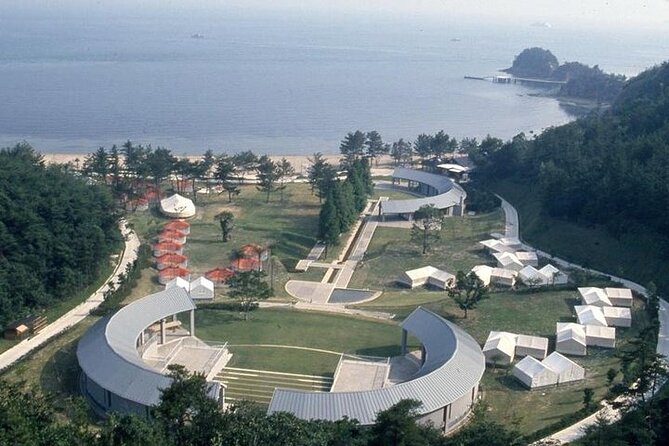
The Art House Project is a short stop (about 30 minutes) and it’s tied to the Charter Car Plan only. If you pick a bicycle-only style of day, you may not get that specific connection.
Why that matters: the Art House areas often work best when you can hop efficiently between viewpoints and house-like exhibition spaces. With only a half-hour window, you don’t want to waste time in transit. That’s why the charter car plan exists.
If you’re the kind of traveler who likes neighborhood-scale art—small spaces, intimate design, and the feeling of discovering things around corners—this stop can be a satisfying contrast to the bigger museum architecture.
Chichu Art Museum: Don’t Forget the Ticket
Chichu Art Museum is a major draw on Naoshima, built mostly underground to limit visual impact and rethink the relationship between nature and people. The tour notes that Chichu tickets are not included, so you should expect a separate payment for admission.
In practical terms, this is the biggest “budget surprise” risk of the day. The base tour price covers some admissions, but not this one. If Chichu is high on your list, make sure you price it into your total before you book.
Also, keep your energy in mind. Underground museums can involve walking and waiting in small flows. This is one place where a guide can help you keep moving and avoid dead time.
The Real Value of the $481.23 Price Tag
At $481.23 per person, this isn’t a cheap day trip. The value comes from what’s wrapped in:
- Round trip Shinkansen (Osaka area to Uno/near Uno)
- Round trip ferry to Naoshima
- A private guide (English or Spanish plans)
- E-bike rental included (for the bicycle plan)
- Admission included for Lee Ufan Art Museum
- Art House Project admission included if you choose the charter car plan
Then you still pay separately for lunch and likely separate admissions for at least Chichu, depending on your booking details for Benesse House.
So when is it worth it?
- When you want the convenience of transport and museum routing handled.
- When you care about art context and want a guide who can steer you through the day.
- When your group will appreciate a private pace and photo help.
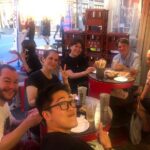
That “photo help” came up in feedback: one guide experience included a guide who took pictures and turned them into a video clip you could share. Small details like that can make a long travel day feel less like a checklist.
When it might not be worth it:
- If you’re on a tight budget and happy to DIY transit and museum tickets.
- If you only care about one or two museums and would rather spend less on bundled transportation.
Heat, Timing, and Luggage: Your Survival Checklist
This tour is built for a long day and lots of movement. The tour info also flags a strong physical fitness level, and feedback notes that biking and walking on a very hot day can still be part of the plan.
Here’s how I’d plan to make it comfortable:
- Bring a water bottle and something for heat (cap, sunglasses).
- Dress for active walking and e-bike riding.
- Keep your bag light: the tour says no suitcases, and that luggage must fit in a backpack or front basket.
- Make sure you can ride the e-bike safely. If you’re unsure, test your ability honestly before committing.
Also remember the ferry has limited time. The tour won’t extend it if you run late, so you want to stay punctual after each museum and bike segment.
What Private Customization Actually Means Here
This is a private tour, meaning it’s just your group. That matters because you can adjust without holding up strangers. The guide can help if you want to change your schedule even on the day.
You also can skip a spot you don’t want, but there’s no refund if you skip. If you add new stops, you’ll pay extra ticket fees on the spot, and you might need extra transport charges.
My advice: go in with a “must-see” list and a “nice-to-see” list. Use the guide to protect your must-sees. A private guide shines when you’re making tradeoffs, not just following a rigid script.
A Note on Guide Quality (and How to Maximize It)
Your guide can make or break a one-day museum tour. The positive feedback was loud and specific about guides named Jun and Seiko: they were described as outstanding, helpful, and strong at handling details and sharing photos.
There was also one disappointing experience tied to an inexperienced guide who didn’t know much about the island or museums yet. That doesn’t mean your guide will be the same—just that in a day packed with art, a guide’s familiarity really matters.
How to reduce risk:
- If you book ahead, request an English guide if you want context and Q&A.
- On the day, ask early what order they recommend for your interests and which museum highlights you should focus on first.
- If you have a specific art focus, tell the guide immediately so they can steer the day well.
Should You Book This Naoshima 1 Day Tour From Osaka?
Book it if you want:
- A structured, efficient Naoshima art day without coordinating train and ferry timing.
- The chance to ride an e-bike and still hit major museums.
- A private guide experience where you can ask questions and keep moving.
Skip it (or DIY) if:
- You only want one museum and don’t care about the rest.
- You’re extremely budget-sensitive, since separate tickets (like Chichu) and museum admission uncertainty (for Benesse House) can add to your total.
- You’d rather travel slowly and linger, not move through a 12–13 hour schedule.
If you do book, I’d recommend planning your ticket budget ahead and traveling light. Then you’ll spend the day on what Naoshima does best: art shaped by architecture, time spent on the island, and moments that feel intentional instead of rushed.
FAQ
FAQ
How long is the Naoshima 1 Day Tour from Osaka?
It runs about 12 to 13 hours.
What time and where does the tour start?
The tour starts at 6:30 am at Shin-Osaka Station (5 Chome-16 Nishinakajima, Yodogawa Ward, Osaka 532-0011, Japan).
Is this a private tour?
Yes. Only your group participates.
Is the ferry included?
Yes. Round trip ferry fare between Uno Port and Naoshima Port is included.
Are the museum tickets included?
Lee Ufan Art Museum admission is included. Chichu Art Museum admission is not included. Benesse House Museum is listed as ticket not included in one part of the details, so check your specific booking.
Does the tour include bike rental?
If you choose the bicycle plan, the rental bicycle charge is included, and you should confirm you can ride the electric bicycle.
Is lunch included?
No. Lunch is not included.
Can I bring a suitcase?
No suitcases. Large luggage may not work with the bicycle system, and the tour notes it’s impossible to carry large luggage to the hotel by bicycle.