REVIEW · OSAKA
Absolute Osaka Food Tour
Book on Viator →Operated by Arigato Japan KK · Bookable on Viator
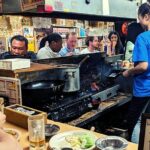
Neon street food, guided with care. I like the chance to start with classic takoyaki and finish with crisp kushikatsu, and I like that your guide adds local stories as you walk. You’ll cover Osaka’s best-known eating zones without turning the night into a random food scavenger hunt.
One catch: if you need gluten-free food, this tour is not recommended.
In This Review
- Key highlights worth knowing
- The 5:00 pm timing that makes Osaka street food click
- Dotonbori’s Glico Sign and the story behind the neon
- How the tour handles Dotonbori when it’s at full volume
- Hozenji Yokocho: the alley that feels like a secret
- Kuromon Market for snack energy and market-fresh choices
- Sennichimae Doguyasuji Shotengai: shopping streets that power the food scene
- Misono Building and the wrap-up bites
- Guides who actually explain what you’re eating
- Price and value: where the $231 goes
- Food rules: vegetarian-friendly, not gluten-free
- Practical tips for a smoother Osaka night walk
- Should you book Absolute Osaka Food Tour?
- FAQ
- How long is the Absolute Osaka Food Tour?
- What’s included in the price?
- Is the tour vegetarian-friendly?
- Is this tour suitable for gluten-free travelers?
- Where do I meet, and where does it end?
- Is hotel pickup included?
Key highlights worth knowing
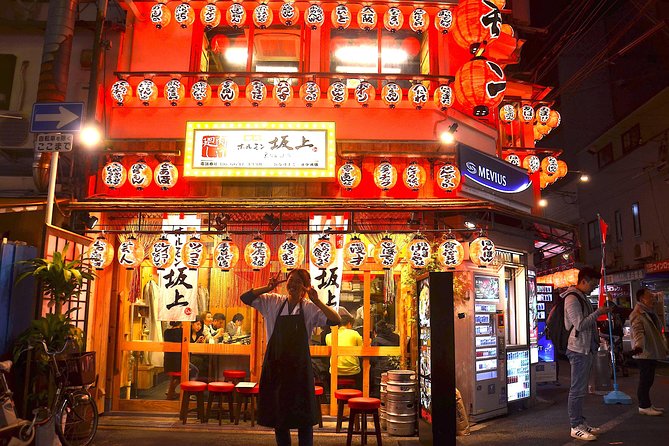
- 4 food stops in about 3 hours with a built-in rhythm so you don’t miss the right snacks at the right moment
- Hozenji Yokocho for a secret-shrine feeling, a calmer pocket away from the loudest streets
- The Glico Sign stop includes the story of Fortunato Catalon and why it matters in Osaka
- Small groups (max 10) so questions and dietary needs can actually get answered
- Vegetarian and pescetarian friendly, but not set up for gluten-free
- 5:00 pm start with your tour ending around Sennichimae, handy for continuing your night
The 5:00 pm timing that makes Osaka street food click
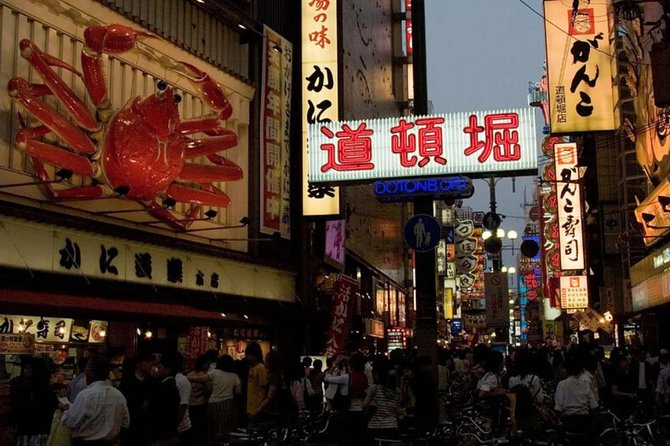
This tour runs for about 3 hours, starting at 5:00 pm. That matters because Osaka street food is strongest when the day shifts into neon-time. You get to walk through Dotonbori while lights come on, and you’re not stuck doing the whole meal lineup at lunchtime when some places feel more like a daily errand.
You’ll meet at a Dotonbori building address in Chuo Ward (1-chome8-19 浪速道頓堀ビル) and finish in the Sennichimae area. That finish is convenient: it keeps you near more food and shopping if you want to continue after the tour, instead of sending you back to the exact same point.
The tour uses a mobile ticket, so you’re not scrambling for paper once you’re on your way. And you’re walking with an English-speaking local guide, which is a big deal in Osaka—menus move fast, and “what is this exactly?” can become a whole adventure by itself.
You can also read our reviews of more food & drink experiences in Osaka
Dotonbori’s Glico Sign and the story behind the neon
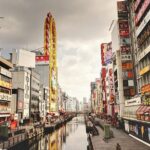
Your first stop is the Dotombori Glico Sign, one of the most recognizable sights in the city. This isn’t just a photo stop. Your guide connects the landmark to the Glico man story, including that it links back to a Filipino sprinter named Fortunato Catalon who inspired both a nation and the company behind the image.
That kind of context changes how you see the street. Instead of treating Dotonbori like a theme park, you start noticing how Osaka branding, nightlife, and food culture all grew together. You also get oriented early—helpful because the area around Dotonbori can pull you in ten directions in under a minute.
How the tour handles Dotonbori when it’s at full volume
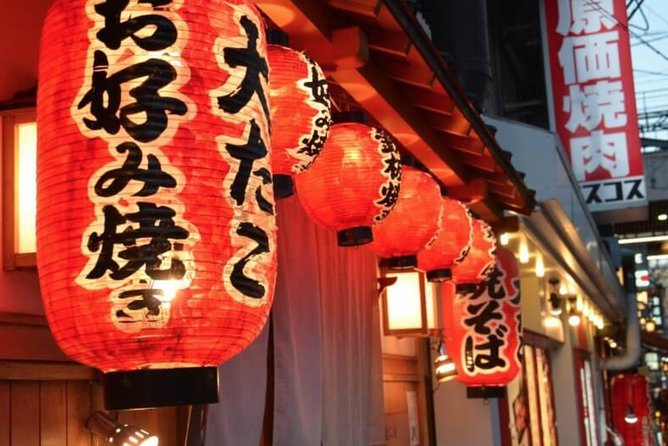
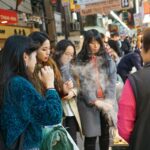
Next comes time in the Dotombori District and Minami (Namba) area. These zones are famous for a reason, but they can also turn into a queue-and-crowd contest. The tour’s approach is to guide you past overly commercialized spots and toward places that fit the real Osaka street-food vibe.
This is where you’ll feel the value of having a guide doing the selection. On your own, it’s easy to end up chasing the most obvious line rather than the best match for what you actually want to try. On this tour, you’re walking with a plan, and the tastings are timed so you can enjoy each stop instead of overstuffing yourself immediately.
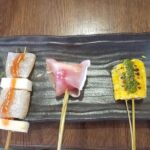
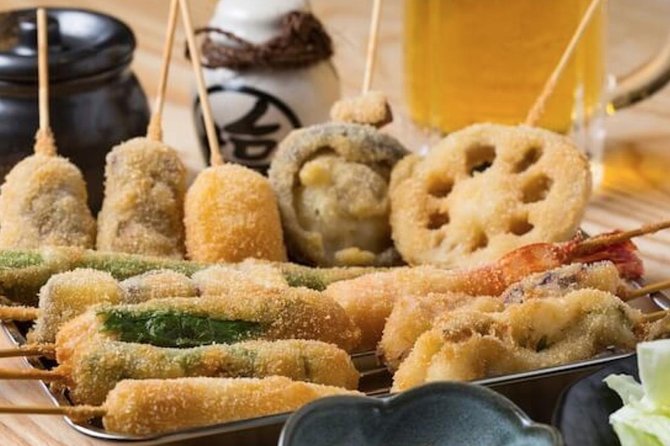
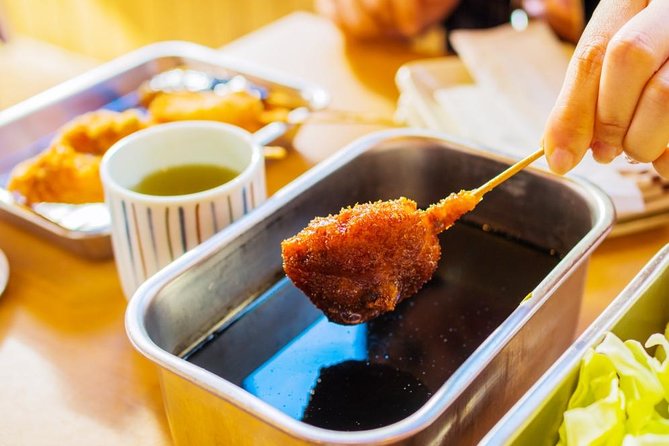
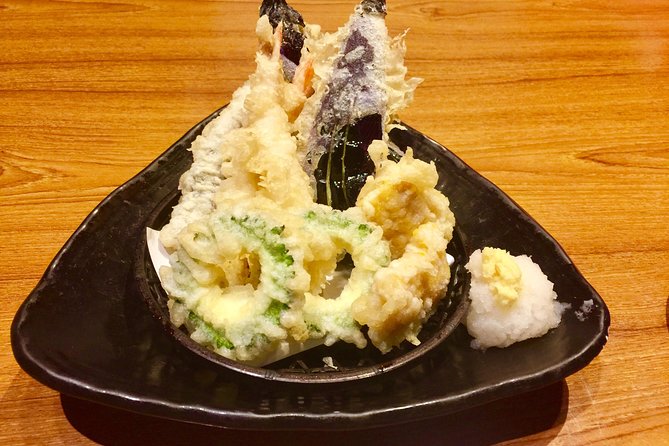
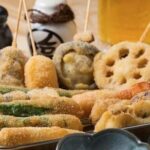
The tour highlights include classic Osaka street-food favorites like takoyaki and kushikatsu. You won’t just taste them—you’ll also learn what locals pay attention to: how the food is served, the typical eating style, and what to look for so the dish makes sense when you bite in.
Hozenji Yokocho: the alley that feels like a secret
One of the most memorable parts is the stop at Hozenji Yokocho. This is the part the tour frames as a way to step away from the crowds and find something more hidden and atmospheric.
If you’ve ever walked Dotonbori at night, you already know how loud it can get. Hozenji Yokocho gives you a contrast—an alley experience that feels more local than headline. It’s also where the tour’s secret-shrine element fits in. Expect a calmer moment with a temple/shrine atmosphere tucked away from the neon glare, plus guide commentary that ties the setting to Osaka traditions.
This stop is also a nice pace reset. After the brighter, busier streets, you get a space where you can actually pay attention—smell the food, notice the surroundings, and slow your brain down for a few minutes.
Kuromon Market for snack energy and market-fresh choices
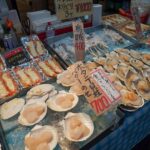
Then you head toward Kuromon Market, one of Osaka’s best-known food areas. Even if you’ve never been, the idea is easy: markets here are made for tasting. So instead of treating it like a single long shopping trip, the tour turns it into part of your food route.
A guided visit helps because market stalls and food counters can look similar at first glance. Your guide can steer you toward what’s most worth trying within the tour’s food-stop structure. It also helps you avoid getting stuck comparing too many options while the night slips by.
This is also a good stop for learning how Osaka food culture supports quick bites. Many people come to Kuromon for snack rounds, not full sit-down meals, and the tour design fits that style. You’ll likely notice how the food is built for short eating windows—grab, taste, keep walking.
You can also read our reviews of more tours and experiences in Osaka

Sennichimae Doguyasuji Shotengai: shopping streets that power the food scene
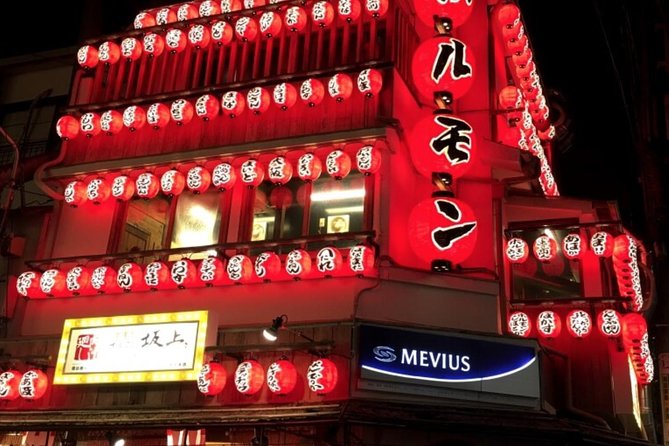
After Kuromon, the route includes Sennichimae Doguyasuji Shotengai. “Shotengai” basically means a covered or semi-covered shopping arcade, and this is where Osaka shifts from neon nightlife to everyday commerce.
Even if you’re not shopping for anything big, this stop is valuable because it shows what supports the food you’re eating. Food isn’t just restaurants—it’s ingredients, tools, household habits, and the local rhythms that keep markets and eateries stocked and moving.
The best part here is how it breaks up the eating intensity. You’re not continuously eating for three straight hours. You’re walking, pausing, taking in the street feel, then sampling again. That balance helps you stay comfortable and actually enjoy the flavors.
Misono Building and the wrap-up bites
The tour also includes a stop connected to Misono Building, in the broader Sennichimae area where the itinerary ends. The exact flow of which stop includes each portion isn’t listed in detail, but here’s what you can count on from the included items:
- 4 food stops
- 1 drink included
- Traditional Japanese dessert included
That means by the time you reach the wrap-up area, you’ll have your full set of tastings plus a sweet finish. And because your tour ends in the Sennichimae side of the city, you’re positioned close to more eating options afterward if you’re still hungry.
Guides who actually explain what you’re eating

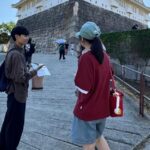
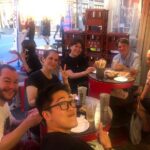
The tour is led by a local English-speaking guide, and that’s a major reason this experience scores so high. In the feedback, guide names like Asli, Melissa, and Marie come up often. The common thread is how well the guide ties food to place—Osaka isn’t just a list of snacks, it’s a city that tells stories with its street culture.
If you’re the type who likes knowing what makes a dish different from what you’ve had elsewhere, you’ll appreciate that the guide isn’t just handing out food. You also learn insider context and local traditions while you walk, including explanations tied to the landmarks and the neighborhoods.
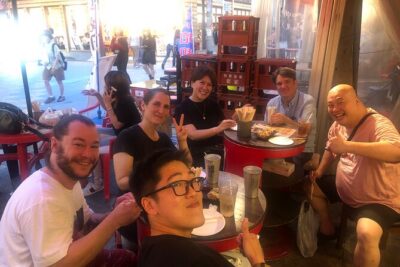
The tour runs with a maximum of 10 travelers, which helps a lot. You’re less likely to get lost in a big group, and you can ask simple questions like what’s in a dish or what to expect from the flavor.
Price and value: where the $231 goes
The price is $231 per person for about 3 hours, with 4 food stops, a drink, a traditional Japanese dessert, and a local guide. That’s not bargain-basement cheap, but it’s not just paying for food either.
You’re paying for:
- selection help (so you don’t gamble on the wrong place)
- timing (so you don’t miss the best moment of the night)
- explanations (so the bites feel meaningful, not random)
- small group management (max 10)
For Osaka, food tours can range from “show up and eat” to “a real route with real context.” This one leans toward the second. The fact that many people book it around a month in advance (on average 38 days) also signals that it’s a popular way to do the city without spending your entire trip deciding what to eat.
Food rules: vegetarian-friendly, not gluten-free
If you eat vegetarian, this tour is vegetarian and pescetarian friendly. That’s big, because street food can sometimes be meat-heavy by default. You should still expect the guide to work with what’s available at each stop, since the tour notes that food can change with season and availability.
If you’re gluten-free, plan carefully. The tour is not recommended for gluten-free, so don’t book expecting safe substitutions. If that’s your situation, you’ll be happier looking for a tour specifically built for gluten-free needs.
Drinks also have a clear rule: the minimum drinking age is 21. Since the tour includes one drink, this matters if you’re traveling as a younger adult or with mixed-age group members.
Practical tips for a smoother Osaka night walk
Here’s how to make this tour feel effortless instead of rushed:
- Wear comfortable shoes. You’re covering multiple areas from Dotonbori toward Sennichimae in the evening.
- Go in hungry, but not starving. Four tastings plus dessert sounds like plenty, and it is.
- If you want extra food or another drink beyond what’s included, budget for purchases. Additional food and drinks are not included, though you can buy more at your own expense.
- Pack a little flexibility. The tour notes that stops can shift due to schedules, public holidays, weather, and other unforeseen factors.
- Because it’s weather-dependent, have a simple plan for light rain or damp evening conditions—Osaka can be hot, then suddenly change.
The tour is also family-friendly and accepts single travelers, and it says travelers should have moderate physical fitness. Nothing extreme is described, but it’s still a walk-based food tour.
Should you book Absolute Osaka Food Tour?
Book it if you want a guided Osaka night that balances street-food classics with real neighborhood context. The route makes sense—starting at Dotonbori, then moving through Hozenji Yokocho, Kuromon Market, and ending around Sennichimae—and the small group size plus English guidance helps you eat with confidence.
Skip it (or rethink it) if gluten-free is a must for you. Also, if you dislike walking at a lively evening pace, you might find it easier to pick a shorter food-focused option instead.
If you’re deciding and you like structured tasting with a local guide explaining what you’re eating, this one’s a strong choice—especially given the high rating (4.8) and strong recommendation rate (96%).
FAQ
How long is the Absolute Osaka Food Tour?
It’s about 3 hours.
What’s included in the price?
You get tastings at 4 food stops, 1 drink included, a local English-speaking guide, and a traditional Japanese dessert.
Is the tour vegetarian-friendly?
Yes. The tour is listed as vegetarian and pescetarian friendly.
Is this tour suitable for gluten-free travelers?
It’s not recommended for gluten-free.
Where do I meet, and where does it end?
You meet at the Dotonbori area near Chuo Ward (at 1-chome8-19 浪速道頓堀ビル) and the tour ends in the Sennichimae area (Chuo Ward, Osaka).
Is hotel pickup included?
No. Hotel pickup is not included, though it can be arranged for an additional charge.