REVIEW · OSAKA
Kyoto Full Day Sightseeing Tour from Osaka or Kyoto
Book on Viator →Operated by F Trip · Bookable on Viator
Kyoto, packed into one long, smart day. I love how this tour hits the biggest Kyoto icons in one tight loop, especially Nijo Castle and Kinkaku-ji. I also like the way Arashiyama is built in as more than a quick stop, with time for the bamboo forest and classic bridge views. One drawback to plan around: the day is scheduled tight, and a few parts can feel more self-guided than fully escorted, depending on the guide and the crowd.
You’ll be on an air-conditioned bus for most of the day, with a max group size of 45. In the reviews, guides like Jackson, Amy, Allan, Saki, Theodore, and Anson get praised for English, organization, and quick communication (often via WhatsApp), but the overall experience can swing based on how hands-on your specific guide is.
In This Review
- Key Highlights You’ll Feel Immediately
- Kyoto in One Day from Osaka: What You Actually Get for $67
- Nijo-jo Castle: Tokugawa Meets UNESCO Palace Architecture
- Arashiyama Bamboo Forest, Nonomiya Shrine, Kimono Forest: Three Visual Stops, One Slow-Down Zone
- Bamboo Forest
- Nonomiya Shrine’s black torii
- Kimono Forest installation
- Togetsukyo Bridge nearby
- Kinkaku-ji Golden Pavilion: The Temple That Holds the Day Together
- Fushimi Inari Taisha Senbon Torii Walk: Expect Red Gates and a Long Step Count
- Price and Logistics: The Real Cost, Not Just the Sticker
- Guide Support vs Self-Guided Time: What the Reviews Suggest You Should Watch For
- Pacing, Comfort, and the Challenge of an 9-Hour Kyoto Day
- Rain, Crowds, and the Tips That Keep Your Day Fun
- Who Should Book This (and Who Should Skip It)
- Should You Book This Kyoto Full-Day Sightseeing Tour?
- FAQ
- How long is the Kyoto full-day sightseeing tour?
- Where does the tour depart from?
- What’s included in the price?
- What extra costs should I expect?
- How much time do I get at each main attraction?
- How big is the group?
- Is the tour fully guided at every stop?
- Can I cancel for a refund?
Key Highlights You’ll Feel Immediately
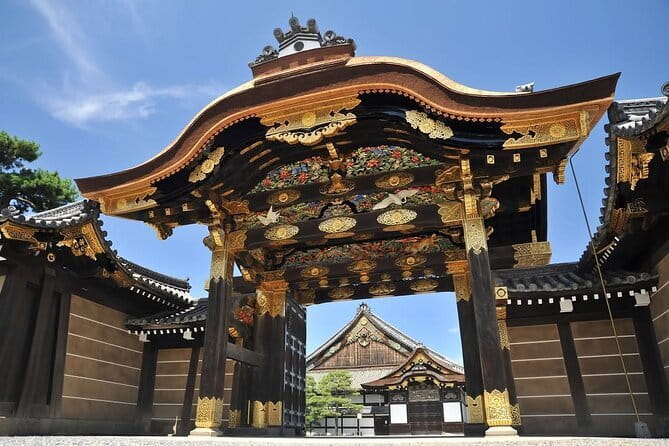
- Nijo Castle and the Tokugawa-era palace layout with UNESCO significance
- Arashiyama time that’s long enough for bamboo forest walking and photos at Togetsukyo Bridge
- Three different Arashiyama visual stops: Nonomiya’s black torii, bamboo, and the acrylic Kimono Forest installation
- Golden Pavilion focus at Kinkaku-ji with dedicated time (and that serene-garden contrast)
- Fushimi Inari’s Senbon Torii for a long walk through the iconic red gates
- A guide plus bus ride for an efficient day, but with some stops that may be less guided than expected
Kyoto in One Day from Osaka: What You Actually Get for $67
This is a full-day hit list tour designed for people who want Kyoto’s most famous scenes without planning transit, entrances, and timing all day. The base price is $67 per person and includes air-conditioned transportation and a guide, plus a mobile ticket. The tradeoff is simple: you get broad coverage, not a slow, linger-all-afternoon Kyoto.
Plan to add admissions and lunch. Nijo Castle (including Ninomaru Goten Palace) runs ¥1,300 per person, and Kinkaku-ji is ¥500 per person. Lunch is not included, so you’ll want to decide ahead of time whether you’ll grab something quick near the stops or pack a snack for the gaps.
If you’re the type who likes structure, this works well. You show up, get moved to the right areas, and get enough time to enjoy the highlights. If you’re hoping for a fully guided, step-by-step experience at every single site, keep expectations realistic: some stops tend to be more independent walk time than narration time.
You can also read our reviews of more tours and experiences in Osaka
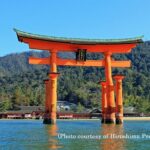
Nijo-jo Castle: Tokugawa Meets UNESCO Palace Architecture
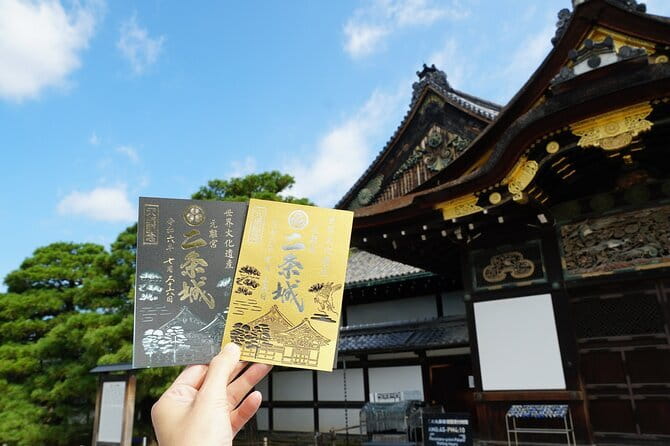
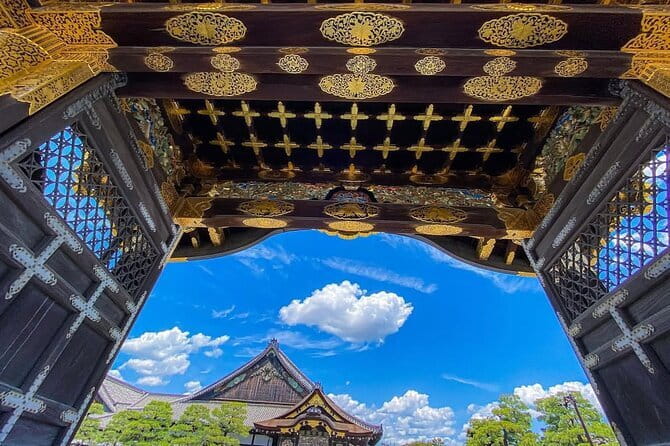
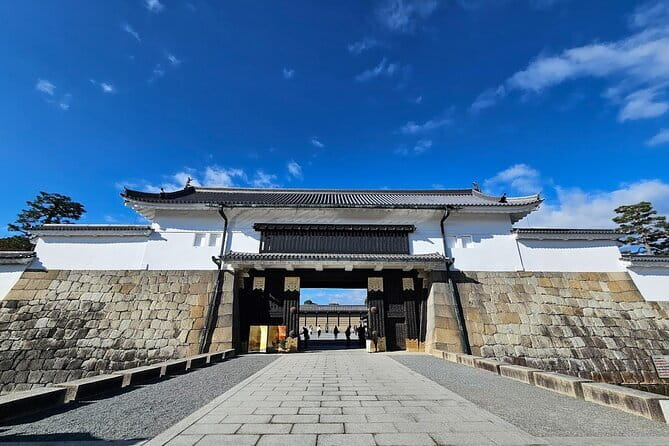
Nijo Castle is the first major historical anchor of the day, and it’s a smart opener. The complex was built in 1603 as the Kyoto residence of Tokugawa Ieyasu, the first shogun of the Edo Period. That’s not just trivia. The palace architecture and layout were designed for power and control, and you’ll feel that in the way the buildings and corridors are planned.
You get about 1 hour here, and you’ll likely want to use it intentionally. With limited time, I’d focus on:
- The palace buildings themselves (that’s the main draw here)
- Any rooms or viewing areas that help you understand how this residence functioned
- The overall sense of how formal and ceremonial the Edo-era court life was
Admissions are not included, so budget ¥1,300 upfront. If you’re paying attention, this stop makes the rest of the day click: Kyoto isn’t only temples and gates. It’s also shogun-level political architecture.
Arashiyama Bamboo Forest, Nonomiya Shrine, Kimono Forest: Three Visual Stops, One Slow-Down Zone
Arashiyama is where the tour shifts from “big landmark” mode to “walk and look” mode. The stop is split into several chunks, with around 20 minutes in the Arashiyama area, then 40 minutes at the Bamboo Forest, plus shorter breaks at Nonomiya Shrine and the Kimono Forest.
Bamboo Forest
The bamboo forest is the headline, and the timing matters. With 40 minutes, you’re not just rushing past stalks for a quick picture. You can walk in, pause, and let the calm set in. In rain or mist, it can feel even more atmospheric, but it also means slippery paths and fewer people moving smoothly.
Nonomiya Shrine’s black torii
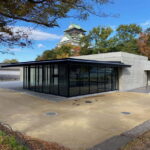
Most shrines you see in Kyoto come with red torii gates. Nonomiya Shrine is different, with a distinctive black torii gate. It’s a great breather stop, and it gives your eyes a break after lots of bamboo and outdoor foot traffic.



Kimono Forest installation
Then there’s the Kimono Forest: an installation made of 600 clear acrylic cylinders, each about 2 meters tall, decorated with bright kimono fabrics. This is more modern-art-in-the-middle-of-Kyoto than traditional shrine scenery, and that contrast is part of why it’s memorable. If you like photography, you’ll have plenty of angles because it’s visually dense.
Togetsukyo Bridge nearby
You also get about 20 minutes at Togetsukyo Bridge, the iconic crossing over the Katsura River. Even if you’ve seen photos, the scale feels different when you’re standing there and watching people move across the bridge.
This whole Arashiyama run is usually a highlight of the day. It’s also the part where rain and crowding can make things feel tight, because you’re moving outdoors and weaving through photo lines.
Kinkaku-ji Golden Pavilion: The Temple That Holds the Day Together
After Arashiyama, the tour brings you to Kinkaku-ji (Golden Pavilion), a Zen Buddhist temple and a UNESCO World Heritage site. The iconic feature is the dazzling golden exterior, but don’t skip the gardens. The name Golden Pavilion is catchy, yet the calming grounds are the real counterbalance to earlier city walking.
You get about 40 minutes here, and that’s enough time if you keep your pace. Kinkaku-ji gets crowded, especially around peak hours, so I recommend going in with one simple mission: find a strong view of the pavilion, then walk the garden paths long enough to see why people slow down at this temple.
Admissions are not included, so add ¥500. For many first-timers, this is the moment the trip feels like Kyoto, not like a checklist.
Fushimi Inari Taisha Senbon Torii Walk: Expect Red Gates and a Long Step Count

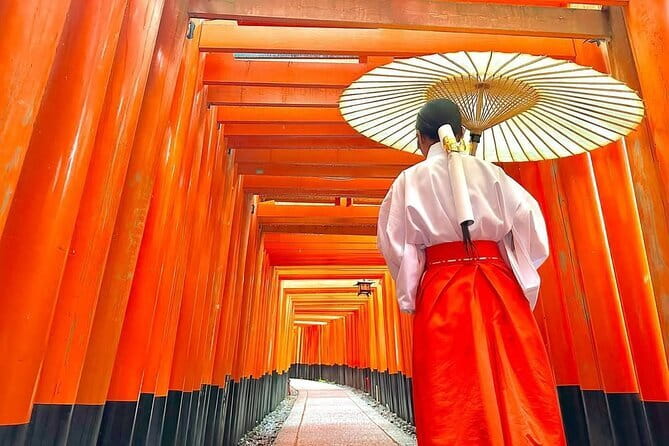
Fushimi Inari Taisha is the finale-style stop for a reason. The shrine is dedicated to Inari, the Shinto god of rice, and the famous Senbon Torii feature about 30,000 Inari shrines in Japan is referenced here with the head shrine plus the thousands of vermilion red gates that form long tunnels of torii.
You’ll have about 1 hour 10 minutes at Fushimi Inari, and it’s the kind of time that disappears quickly because you’ll want to:
- Walk past the lower torii gates and keep moving deeper
- Stop for photos when the tunnel effect lines up
- Pause when crowds thin out and you can hear your own steps
This is also the stop most affected by weather. Rain makes the ground slick and the steps feel more intense. Wind and clouds can change the lighting on the red gates too, which is fun if you’re flexible, stressful if you planned a very specific photo.
Fushimi Inari is also where a guide’s role really matters. Some guides may escort you to the right entrances and let you explore on your own. That can still work, but if you want full storytelling and route suggestions, ask your guide early what pace you should aim for.
Price and Logistics: The Real Cost, Not Just the Sticker
On paper, the tour is $67. In practice, the value depends on whether you’re already paying for temple entry fees and whether you’d otherwise spend a full day piecing together Kyoto with trains and buses.
Here are the costs you should plan for:
- ¥1,300 per person for Nijo Castle (and Ninomaru Goten Palace)
- ¥500 per person for Kinkaku-ji
- Lunch: not included
So you’re looking at about ¥1,800 in admissions total, plus your own meal. If you’re the type who would pay transit fares and admissions anyway, the tour’s bus + guide setup starts to look like a deal. If you’re traveling on a strict budget and you’d rather choose only one or two paid sites, you may want to do Kyoto on your own and spend less.
Also note this tour can involve pickup and drop-offs tied to other tourists, which can steal minutes. That’s not unusual for day buses, but it’s why the day can feel rushed even when the stops are great.
Guide Support vs Self-Guided Time: What the Reviews Suggest You Should Watch For
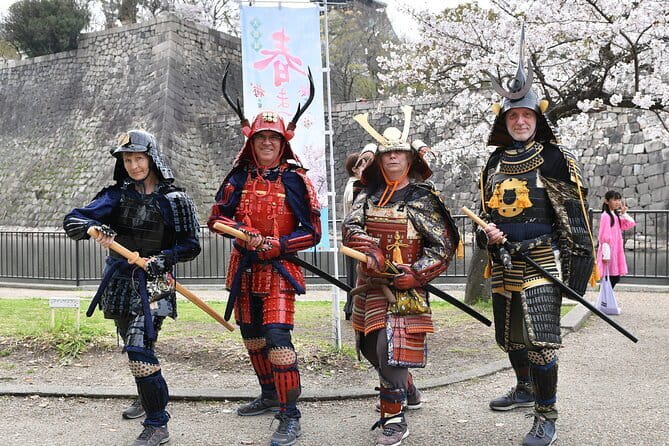
The biggest theme in feedback is not the destinations. It’s how hands-on the guide was.
Some people loved their guide’s approach. Guides like Jackson were praised for clear instructions via WhatsApp and for knowing where the bus would wait. Allan received credit for smooth execution and helpful care. Theodore was described as organized and enthusiastic, sharing practical tips and planning. Saki and Anson were also praised for information, communication, and keeping time in check.
But other feedback points to a mismatch in expectations. A few reviews said certain stops felt more like transport plus an entrance drop-off, with limited narration at the site. There were also complaints about a guide not staying with the group in some attractions, making it harder to hear explanations or maintain togetherness in crowds.
Here’s how you protect yourself from that. Before the day begins, set your own expectation:
- Assume you’ll have some escorted time, but not necessarily guided explanations at every single photo stop.
- Bring a simple map or offline plan so you can still get meaning from the sites even if your guide’s role is lighter.
If you want maximum guidance, look for clues from your guide’s communication style in the group chat and at the bus. In one response, the provider said guides typically use a microphone to help you hear explanations. If you notice you can’t hear well, speak up early rather than waiting until you’re already walking through a gate maze.
Pacing, Comfort, and the Challenge of an 9-Hour Kyoto Day
This tour runs about 9 hours and includes a lot of moving parts, both by bus and on foot. The group can be as large as 45 travelers, and that matters. In Kyoto’s most famous areas, crowds slow everyone down, including your group.
Some people say the day felt rushed. Others say it felt well-paced, even in summer heat. The difference often comes down to how fast you personally walk, how many photos you stop for, and how much you want to sit and rest versus keep moving.
Practical advice:
- Wear comfortable shoes. You’ll do a lot more than the “time on paper” suggests.
- Bring water and a light layer. Indoors may be cooler than outdoors.
- If you’re slower-moving, use your guide’s help early. One review mentioned a short-option choice for those who struggled keeping up.
If you have stroller or large luggage, the tour asks you to indicate it at booking. That’s a good sign the company is thinking about how the day works in practice, but the real-world test is still walking at famous sites.
Rain, Crowds, and the Tips That Keep Your Day Fun
Weather can change everything on a day like this because so much of the day is outdoors: bamboo paths, shrine steps, and the torii tunnels at Fushimi Inari.
If it’s raining, I’d do two things:
- Keep your movement steady. Wet crowds make it easy to lose time and get separated.
- Protect your electronics and keep a towel or extra layer handy for comfort.
Crowds also vary by season and holidays. One review described the day being packed due to a national holiday, yet the group still had a good experience. The key was a guide who managed meeting points and time.
Finally, don’t underestimate the power of photos and photo lines. With limited time, you’ll want a quick strategy:
- Take the must-have shot early
- Then walk slower for the smaller details
Kyoto gets better when you stop sprinting through it.
Who Should Book This (and Who Should Skip It)
This tour is a great fit if:
- You’re short on time and want the major Kyoto scenes in one day
- You like organized movement and having someone else handle the route between districts
- You want Arashiyama in the mix, not just temples and gates
I’d think twice if:
- You need a fully guided, narrative experience at every stop
- You hate tight schedules and want deeper time at fewer places
- You’re very sensitive to crowding and walking on wet surfaces
If you’re traveling with kids, older relatives, or anyone who may struggle with pace, the group can still work, but you should plan to communicate your needs early and stick close to the plan.
Should You Book This Kyoto Full-Day Sightseeing Tour?
Book it if you want maximum Kyoto per hour with an English-speaking guide, air-conditioned transport, and built-in time at the most famous sites: Nijo Castle, Arashiyama bamboo, Kinkaku-ji, and Fushimi Inari.
Consider skipping or going more DIY if your top priority is slow exploration or if you strongly prefer a guide staying with the group inside every attraction. The biggest risk here isn’t the sights. It’s whether your specific guide is fully hands-on at each stop and how well your group can move together in crowds.
If you do book, do it with a smart mindset: treat some segments as your time to explore, and use the guide for context, timing, and meeting points. That’s how you get value from a day that’s long, lively, and very Kyoto.
FAQ
How long is the Kyoto full-day sightseeing tour?
The tour runs about 9 hours.
Where does the tour depart from?
It departs from Osaka or Kyoto.
What’s included in the price?
The tour includes air-conditioned transportation and a guide. You’ll also receive a mobile ticket.
What extra costs should I expect?
Lunch is not included. Admission fees are not included for Nijo Castle (and Ninomaru Goten Palace) at ¥1,300 per person, and for Kinkaku-ji at ¥500 per person.
How much time do I get at each main attraction?
The schedule provides about 1 hour at Nijo Castle, then shorter Arashiyama segments (including about 40 minutes at the Bamboo Forest), about 40 minutes at Kinkaku-ji, and about 1 hour 10 minutes at Fushimi Inari Taisha.
How big is the group?
The tour has a maximum of 45 travelers.
Is the tour fully guided at every stop?
The tour includes a guide, but some stops may be more self-guided than fully escorted depending on how the guide handles each location.
Can I cancel for a refund?
Yes. You can cancel up to 24 hours in advance for a full refund.