REVIEW · OSAKA
Master Washoku: 5 Core Techniques for Authentic Cooking
Book on GetYourGuide →Operated by yuki Japanese cooking class · Bookable on GetYourGuide
Sake and snacks beat jet lag. This hands-on Osaka washoku class is built around five dishes that teach real technique, not just recipes, and it’s guided by a Michelin-trained chef background. I love the practical, repeatable methods you can carry home, and I also love the small group setup that keeps things relaxed. One thing to consider: the menu is set to these five items, so if you have strict dietary needs, tell the instructor early and plan for adjustments where possible.
You’ll meet in a comfortable apartment near central Osaka, then cook, taste, and learn in a way that feels like someone actually wants you to succeed. The course is taught by Yuki (English, Japanese), and from what I’ve seen from the vibe, it’s attentive without being stiff.
In This Review
- Key Takeaways at a Glance
- Washoku in Osaka, Minus the Restaurant Guesswork
- Who this fits best
- Price and What You’re Really Buying (3 Hours, 5 Dishes, Chef Guidance)
- Where You Cook in Central Osaka (And Why an Apartment Works)
- The 3-Hour Flow: How the Class Keeps Moving Without Rushing
- The Five Core Washoku Techniques You’ll Actually Practice
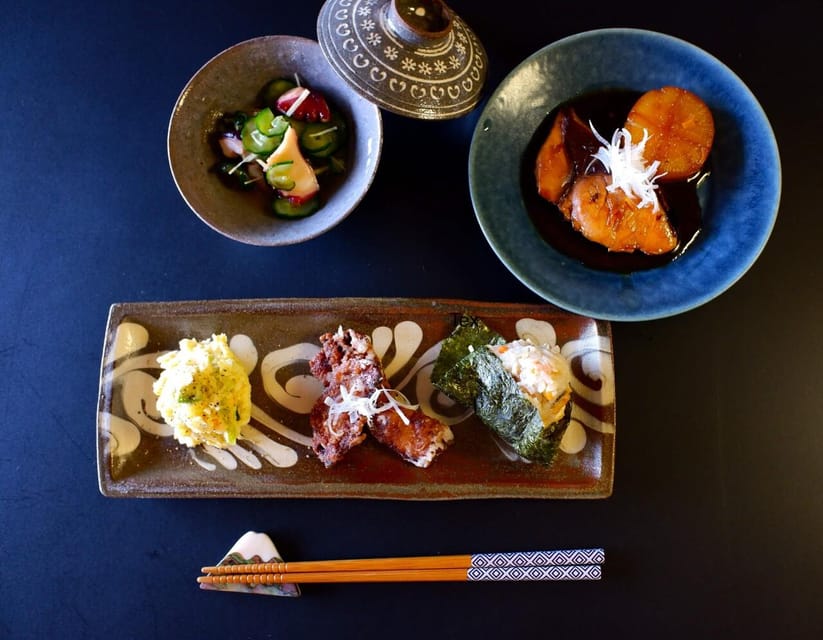
- Wasabi Garlic Potato Salad: The Izakaya Favorite with a Punch
- Octopus and Cucumber Vinegar Salad: Clean, Bright, and Balanced
- Fish Tatsuta-age with Scallion Sauce: Crunch + Flavor Fast
- Simmered Yellowtail with Daikon: Tender Texture Is the Point
- Mixed Rice Onigiri: The Comfort Food Finale
- Optional Guided Sake Tasting: How Temperature Changes Taste
- Small Group Energy: Why You Get Better Results
- What You’ll Get Besides the Meal
- How Much Effort Should You Expect?
- Should You Book Master Washoku in Osaka?
- FAQ
- How long is the cooking class?
- Where does the class take place?
- What is the price per person?
- What dishes are included in the course?
- Is sake tasting included?
- What sakes do you taste if you add the pairing?
- How many people are in the group?
- What languages are offered?
- What’s included in the class fee?
- Is transportation to the venue included?
- What if I have food allergies?
Key Takeaways at a Glance
- Chef-led technique, not just recipes: You learn grilling, simmering, marinating, and pickling-style flavor building.
- Five core dishes in one 3-hour session: Wasabi potato salad, octopus cucumber vinegar salad, tatsuta-age, simmered yellowtail, and onigiri.
- Small group of up to 4: Easier questions, faster feedback, and less standing around.
- Optional guided sake tasting: Three sakes—two chilled (Junmai + Junmai Ginjo from the same brand) and one warm.
- You get photos: Digital photos help you remember what to recreate later.
- Apartment setting near central Osaka: Practical for cooking, convenient for timing your day.
Washoku in Osaka, Minus the Restaurant Guesswork
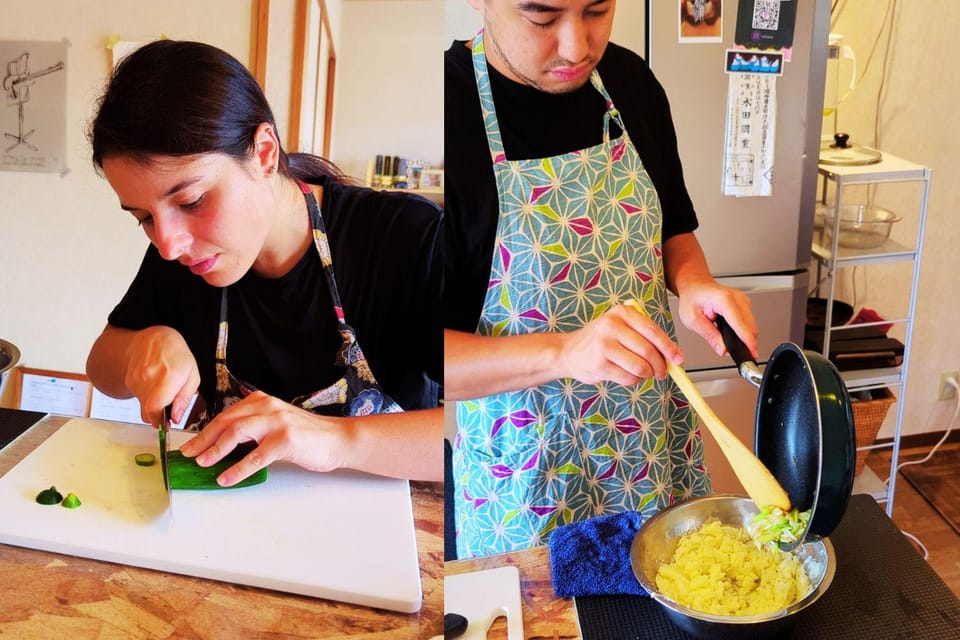
If your Japan trip is mostly sushi bars and vending-machine snacks, this class gives you a different kind of confidence. Washoku isn’t just about what you eat—it’s about how flavors are balanced. In three hours, you’ll practice that balance using everyday pantry stars like soy sauce, mirin, and sake, and you’ll learn why these ingredients show up again and again.
The big win for me is the way technique does the heavy lifting. You’re not memorizing a complicated workflow; you’re learning core moves—marinating for flavor, simmering for texture, and dressing salads so they taste sharp and clean instead of sour or flat. And because it’s a small group (limited to 4), the chef can actually notice what you’re doing and correct you before the dish goes sideways.
You can also read our reviews of more tours and experiences in Osaka.



Who this fits best
This works well if you:
- want something hands-on while you’re in Osaka
- already like Japanese food but want deeper flavor logic
- prefer a calm class over a loud, touristy production
Price and What You’re Really Buying (3 Hours, 5 Dishes, Chef Guidance)
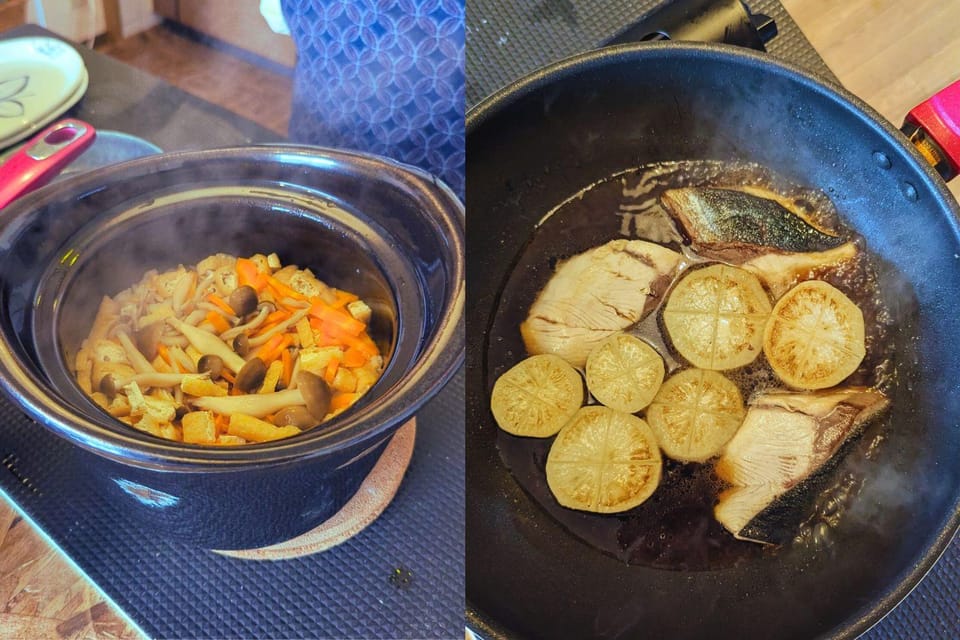
At $109 per person, this might look like a splurge—until you break down what you’re getting. You’re paying for:
- a chef with Michelin-trained experience
- instruction in English and Japanese
- ingredients and equipment already handled
- a full meal made by you (five dishes)
- optional sake tasting (three pours guided by the instructor)
For many cooking experiences, the “hidden cost” is time and troubleshooting. Here, you get structured teaching plus a small group, which means you’re less likely to waste ingredient effort or end up with a dish that’s technically edible but not quite right. Even if you skip the optional sake pairing, the price still makes sense for a class that’s designed around cooking, tasting, and taking notes through photos.
One practical consideration: since sake tasting is optional, decide early whether you want it. If you’re already doing nightlife tastings later in Osaka, you might skip the add-on and focus on the food. If you want a controlled introduction to style differences, the guided format is a smart way to learn without guesswork.
Where You Cook in Central Osaka (And Why an Apartment Works)
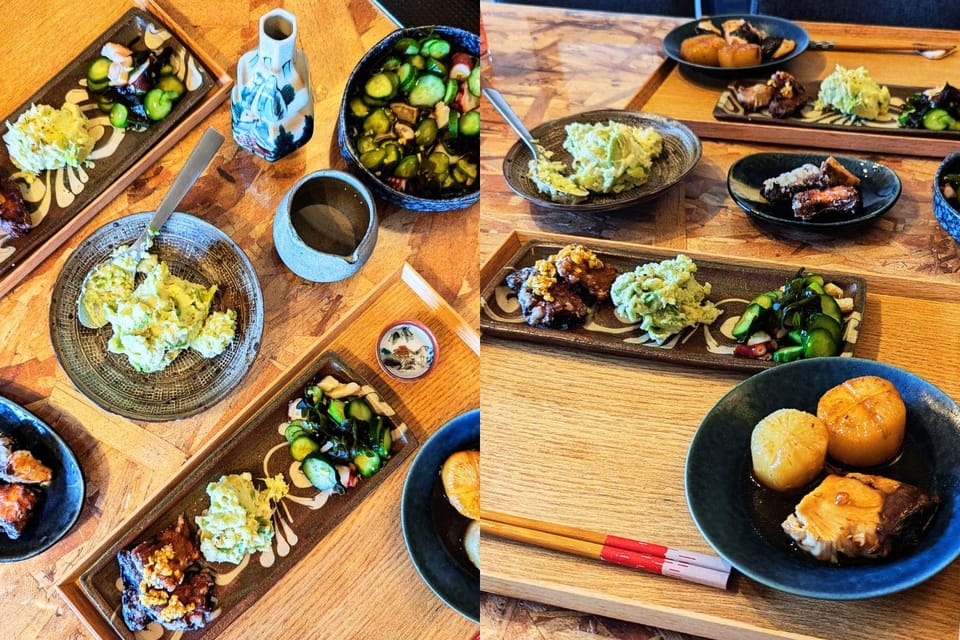
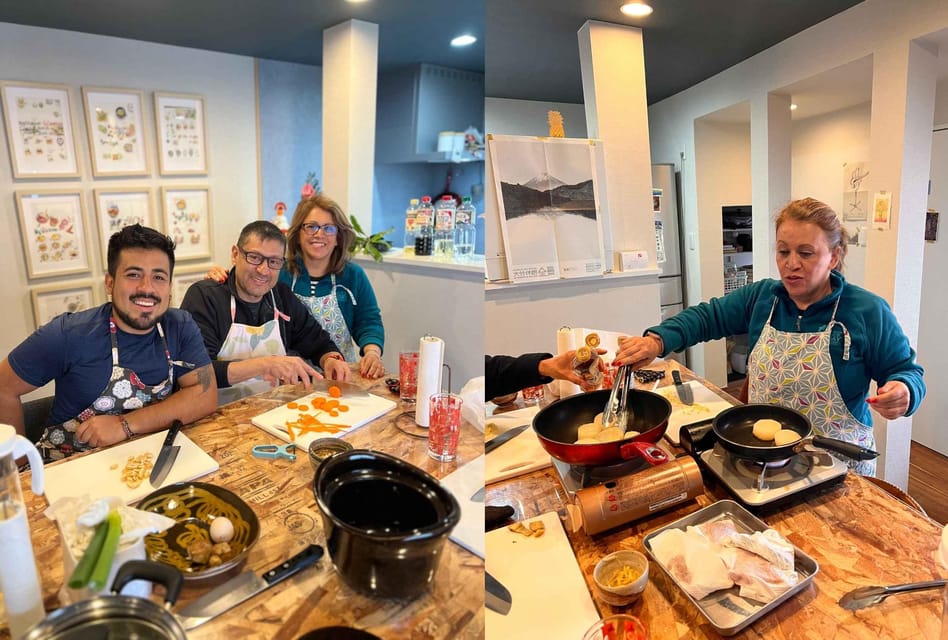
You’ll cook in a comfortable apartment nearby central Osaka, not a big commercial classroom. That’s not a drawback—it’s part of the value. Apartment-based cooking spaces usually mean fewer distractions and a more personal kitchen rhythm. You’ll also get a calmer setting for the step-by-step teaching and for sampling as you go.
The meeting point can vary depending on the option you book, so confirm where to go when your details arrive. What matters day-of is keeping the schedule simple: show up ready to roll up sleeves, because once you start, you’ll move from dish to dish.
The 3-Hour Flow: How the Class Keeps Moving Without Rushing
The course runs for 3 hours, and it’s paced to keep you working. You’re not just watching from across the room. The format tends to follow a pattern:
- quick welcome and ingredient/technique briefing
- hands-on cooking through the snack menu
- tasting and adjustments as flavors come together
- optional sake tasting, if you chose it
That “learn while you cook” structure is exactly what makes this class practical for home cooking later. Instead of getting a list of instructions, you connect each flavor outcome to the method that created it.
Also, water and tea are complimentary during the class. It sounds minor, but it helps you stay focused when you’re tasting multiple things back-to-back.

The Five Core Washoku Techniques You’ll Actually Practice
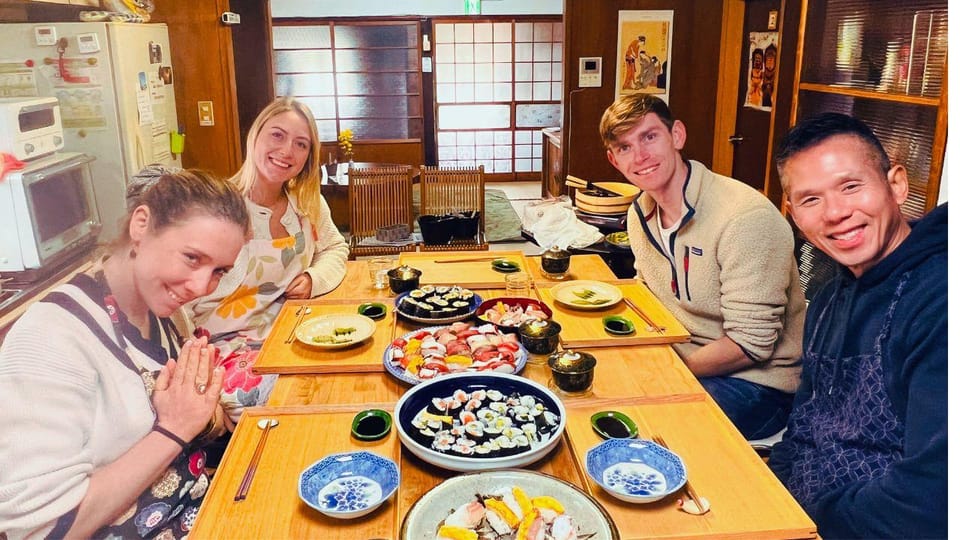
The title says five core techniques, and the menu is built around those methods. Even if you don’t memorize the labels, you’ll feel the logic behind the flavors.
You’ll get practice with:
- Grilling-style flavor development (show up in how savory components are treated)
- Simmering to soften and season without turning food mushy
- Marinating so the flavor sinks in, not just sits on the surface
- Pickling-style vinegar balancing so salads taste bright and clean
- Seasoned rice handling for onigiri that holds together and tastes complete
The chef’s Michelin-level training shows in the details: how you time seasoning, how you watch texture, and how you adjust taste so it lands in that classic Japanese sweet-salty-sour balance.
Wasabi Garlic Potato Salad: The Izakaya Favorite with a Punch
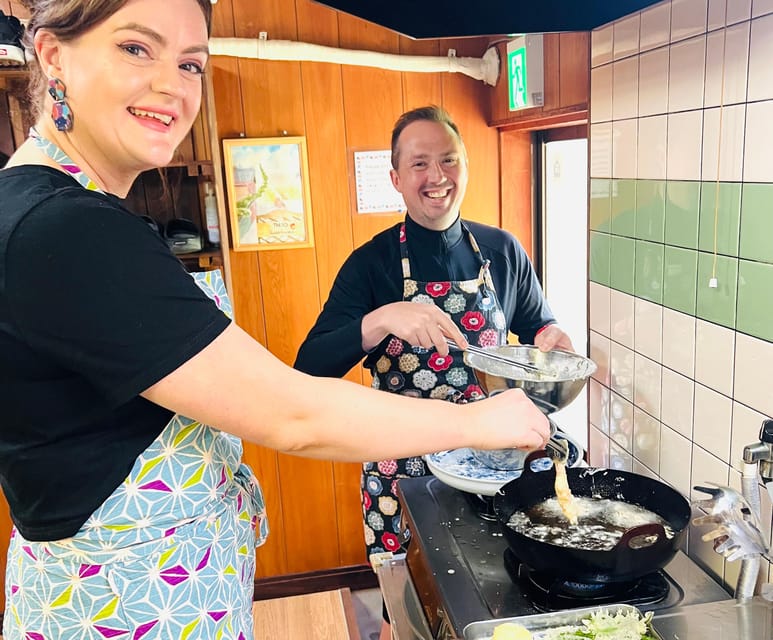
This is a snack you can translate to your own kitchen fast. The idea is simple: potato salad, but with a wasabi garlic kick. The “technique” lesson here isn’t complicated cooking—it’s how you add heat and aromatic punch without making it taste harsh.
What you’ll learn:
- how to integrate wasabi so it adds bite rather than just sting
- how garlic flavor should feel rounded, not raw
- how a salad-style texture needs careful mixing so it stays satisfying
Why this works for travelers: if you’re intimidated by Japanese cooking, potato salad is a friendly entry. You get to feel the difference between ordinary and washoku-style seasoning right away.
Octopus and Cucumber Vinegar Salad: Clean, Bright, and Balanced
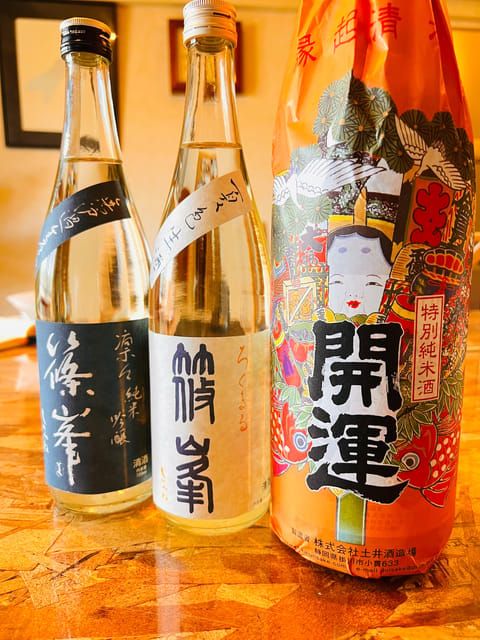
This dish is often the one people talk about after class, and it makes sense. Octopus and cucumber sounds basic until you taste the vinegar dressing done the right way. This is where washoku philosophy shows up: sour is supposed to refresh, not dominate.
You’ll learn:
- how vinegar dressing should be balanced so cucumber tastes crisp
- how to bring the salad together so it doesn’t taste like separate ingredients
- how savory elements pair with vinegar for a snack that feels light but not empty
This is also a great dish to eat after you’ve cooked a few heavier items. It resets your palate, which matters because later you’ll be tasting sake too.
Fish Tatsuta-age with Scallion Sauce: Crunch + Flavor Fast
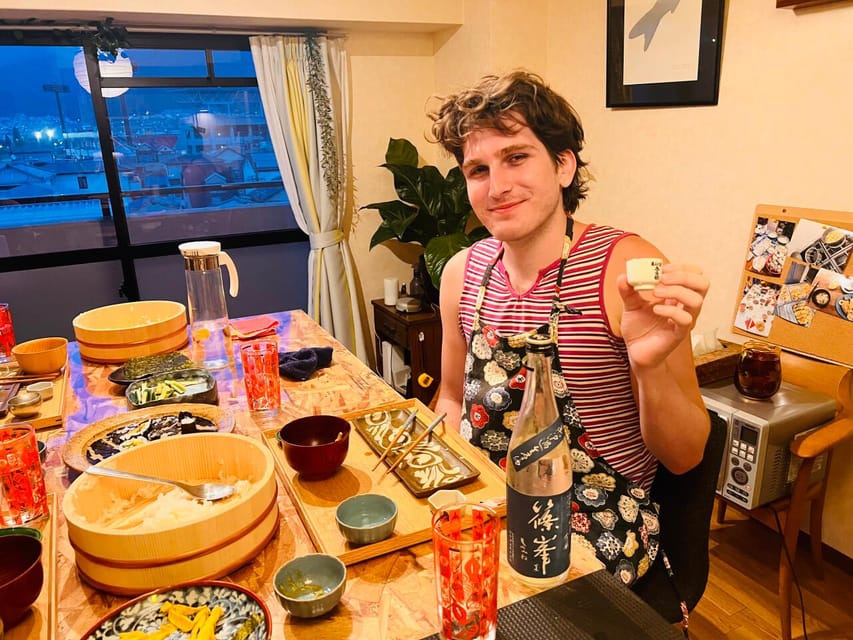
Tatsuta-age is a crispy marinated-fry style fish dish, and it’s a real crowd-pleaser because the flavor lands before the first bite even finishes cooling. Here the technique is about marinating and coating/frying so you get crisp edges and a tender inside.
You’ll practice:
- marinating fish using classic Japanese flavor building blocks
- timing and handling so the coating stays crisp
- pairing with a scallion-based sauce so each bite tastes layered
If you’ve tried to “copy” Japanese fried food at home, you know the hardest part isn’t frying—it’s getting the seasoning right and avoiding soggy texture. This class helps you understand what to aim for.
And yes, this one pairs naturally with sake. If you’re taking the optional tasting, this is a perfect lead-in.
Simmered Yellowtail with Daikon: Tender Texture Is the Point
This is the dish that teaches you patience. Simmering is all about timing and gentle heat. Yellowtail and daikon make a strong duo because daikon naturally softens in simmering liquid, and yellowtail needs careful cooking so it stays tender instead of dry.
You’ll learn:
- how simmering builds flavor through gentle, steady heat
- how daikon should turn tender without collapsing completely
- how the seasoning feels when it clings to both fish and vegetable
At home, this lesson is gold. Simmered dishes are where washoku goes from snacky to truly comforting. You can use the same logic for other proteins and vegetables later.
Mixed Rice Onigiri: The Comfort Food Finale
Onigiri feels effortless when you buy it. Making it yourself is where you learn the difference between “rice” and “Japanese seasoned rice.” This dish ends the class on a satisfying note: warm, handheld, and designed for snacking.
You’ll practice:
- seasoning mixed rice so it tastes complete even without side dishes
- shaping onigiri so it holds together
- building a flavor that works on its own, not just as an accompaniment
This is also one of the best souvenirs you can take home, because once you understand the rice logic, you can remix fillings later.
Optional Guided Sake Tasting: How Temperature Changes Taste
If you choose the sake pairing, you’ll taste three different types of sake:
- two chilled sakes from the same brand: a Junmai and a Junmai Ginjo
- one warm sake to show how flavor shifts with temperature
This part is educational without being stuffy. Chilled sake often highlights clarity and crispness, while warm sake tends to soften edges and bring out different aromas. The cool trick here is that you’re comparing within a framework—same brand across Junmai styles, plus a temperature change—so you’re not tasting randomly and hoping something “clicks.”
Pair it with what you cooked. The salty-sweet-slightly savory notes of the snacks tend to make the sake taste more distinct instead of competing with each other.
Small Group Energy: Why You Get Better Results
The class is limited to 4 participants, which is a big deal. In a larger group, you can feel like you’re performing “cook-along.” Here, you’re more likely to get practical help while you’re doing the work.
From the way Yuki runs things, the vibe stays relaxed. You get tips and tricks during the cooking, not just at the end. That’s the difference between leaving with tasty food and leaving with skills you can repeat.
It also helps that the instructor works in English and Japanese. If you’re nervous about your Japanese, you won’t be stuck guessing. And if you want to learn a few cooking terms along the way, you might find it easier to follow the techniques without translation gaps.
What You’ll Get Besides the Meal
You’re not just walking out fed. The class includes:
- aprons
- complimentary water and tea
- all necessary ingredients and equipment
- digital photos of your experience
- cultural insights and cooking techniques
That last part matters more than it sounds. When you understand why a vinegar dressing is balanced a certain way, or why simmering is done gently, you cook differently at home. You stop treating Japanese food like a “recipe download” and start treating it like a style of flavor-making.
How Much Effort Should You Expect?
You should expect active participation. This is a hands-on class built around snack cooking. The recipes are designed to be followable, but you’ll still do real work—mixing, cooking, and plating.
If you’re traveling with limited kitchen experience, don’t panic. The class structure is built to make progress in a few hours. But if you’re looking for a totally passive tasting tour, this won’t fit that mood. Think of it as a friendly cooking workshop with a chef who keeps you on track.
Should You Book Master Washoku in Osaka?
Book it if you want:
- a technique-based washoku experience, not just a plate of food
- a doable, organized class in central Osaka
- a chance to cook five iconic snacks and leave knowing how to recreate the flavor logic
- optional sake tasting that’s structured and educational
Skip it if you want:
- lots of sightseeing or multiple neighborhood stops (this is mainly about cooking in one place)
- a totally custom menu for your exact dietary needs (the menu is built around five core dishes, with adjustments possible if you communicate early)
If you’re on the fence, I’d choose this class for one simple reason: it’s one of the fastest ways to turn Japanese food from something you order into something you can confidently make. And after three hours of hands-on cooking, you’ll have real wins—not just photos.
FAQ
How long is the cooking class?
The class lasts 3 hours.
Where does the class take place?
It’s held in an apartment near central Osaka (meeting point may vary depending on the option booked).
What is the price per person?
The price is $109 per person.
What dishes are included in the course?
You’ll cook five dishes: Wasabi Garlic Potato Salad, Octopus and Cucumber Vinegar Salad, Fish Tatsuta-age with Scallion Sauce, Simmered Yellowtail with Daikon, and Mixed Rice Onigiri.
Is sake tasting included?
Sake tasting is optional. If you choose it, you’ll taste three sakes.
What sakes do you taste if you add the pairing?
You’ll taste two chilled sakes (Junmai and Junmai Ginjo from the same brand) and one warm sake.
How many people are in the group?
The class is a small group limited to 4 participants.
What languages are offered?
The instructor speaks English and Japanese.
What’s included in the class fee?
Included: expert instruction, hands-on cooking of five dishes, optional sake tasting if selected, all ingredients and equipment, water and tea, aprons, cultural insights, and digital photos.
Is transportation to the venue included?
No, transportation to the venue is not included.
What if I have food allergies?
If you have any food allergies, you should let the instructor know so preferences can be adjusted as much as possible.