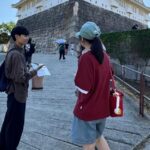
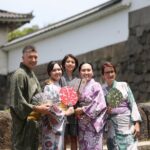
Osaka makes more sense with a local. This private walking tour pairs you with a guide matched to your interests and personality, then routes you through Osaka’s big-name sights plus lesser-known neighborhoods like Hozenji Yokocho and the areas locals actually hang out in. I like that the day is planned around your time and what you care about, so you’re not stuck doing the same checklist as everyone else.
My other big plus is the guide experience. In different tours I’ve read about (for example, Maria, Boris, Antoine, and Kieran), the theme is clear: people love the explanations, the pacing, and how easily the guide adapts—whether it’s taking time for photos or adjusting when the weather hits hard. One watch-out: if you want historical sights above all else, say so up front, because the mix can lean more toward neighborhoods, food culture, and everyday Osaka depending on preferences.
In This Review
- Key things to know before you book
- How a matched private guide changes Osaka
- The practical route: from Namba trains to Kuromon Market
- Hozenji Yokocho: stone-paved lanes and old-school nightlife
- Sennichimae Kitchenware Street and Soemon-cho’s long memory
- Den Den Town for pop culture and tech fans
- Dotonbori and Ebisuchicho: neon signs and big Osaka energy
- Shinsaibashi and America-mura: retro shopping with attitude
- What’s included, and what you’ll handle yourself
- Price and value: what $67 buys in Osaka
- Guides that set the tone: pacing, patience, and photo time
- Who should book this Osaka private walking tour
- Should you book this Osaka private walking tour?
Key things to know before you book
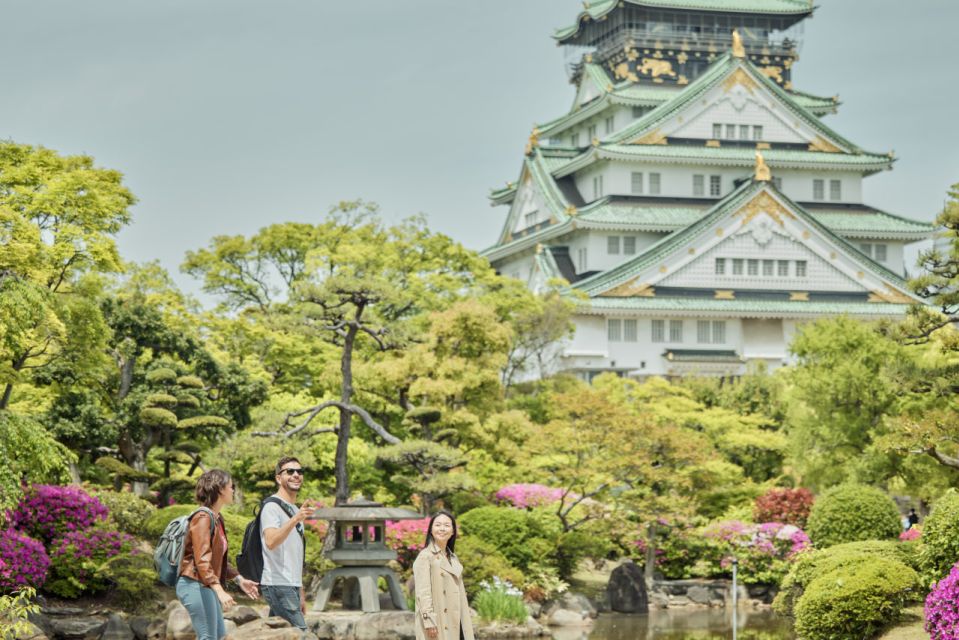
- Matched guide, not a generic script: you’ll be matched based on interests and personality.
- 2–8 hour flexible pacing: your itinerary changes with the time you book.
- Old streets meet modern chaos: stone lanes like Hozenji Yokocho plus big neon zones like Dotonbori.
- Food and shopping areas designed for walking: Kuromon Market, Sennichimae Kitchenware Street, Den-Den Town, Shinsaibashi, America-mura.
- A guide who helps with the rest of your trip: you get recommendations after the tour.
How a matched private guide changes Osaka
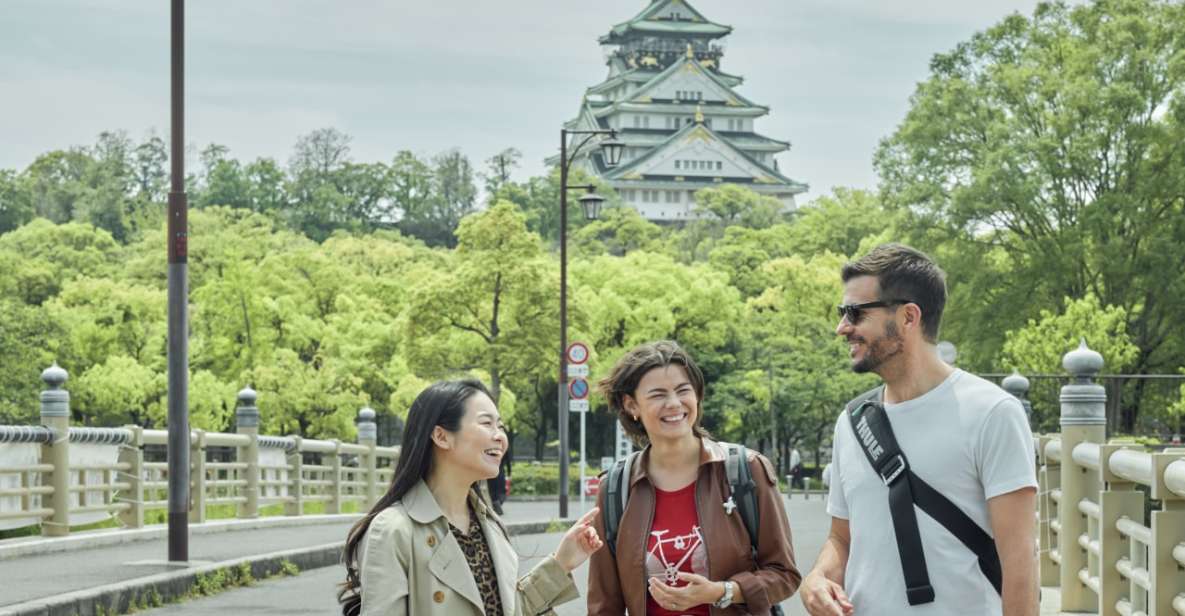
Osaka is one of Japan’s most “in-your-face” cities—in a good way. Neon, smells from street stalls, packed shopping streets, and izakaya signs that seem to glow from every angle. Without local context, it’s easy to feel like you’re watching the city from the outside. With a private guide, you get the why behind what you’re seeing.
The real value here is the matching. The operator plans a route based on your interests and personality, and the guide’s job is to translate the city for you in a way that fits your style—casual and photo-focused, food-leaning, history-minded, or tech/anime-geek mode.
Also, you’re not trapped in a rigid group schedule. It’s a private group, normally up to 6 people, which matters in Osaka because good stops are often about timing—when a lane is easy to walk, when a market is most convenient, or when you want a slower moment to look around.
You can also read our reviews of more walking tours in Osaka

The practical route: from Namba trains to Kuromon Market
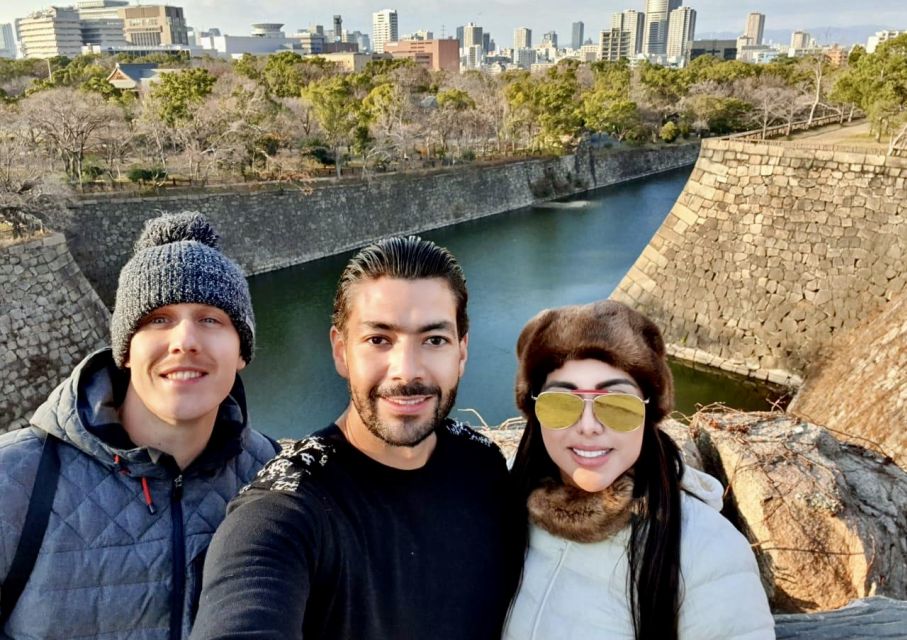
Most itineraries start with Osaka’s energy zone: Namba. It’s the high-energy entertainment district where locals go day and night, and it’s a good starting point because you immediately understand the city’s mood. You’ll typically use public transport to connect districts, since transportation isn’t included—so build in time to buy/train/bus as needed.
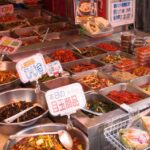
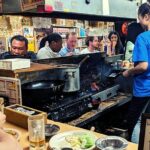
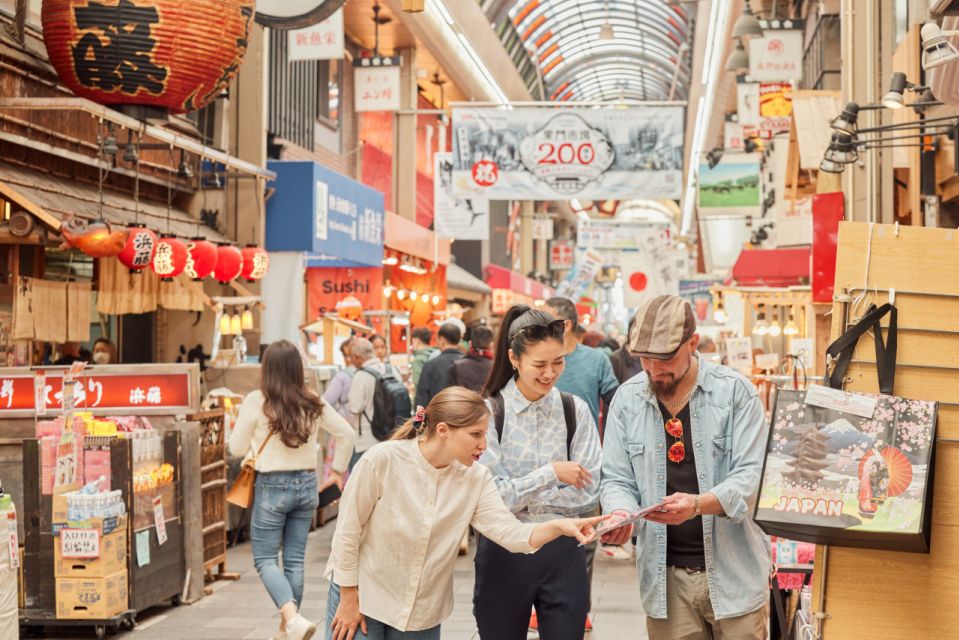
From there, you’ll hit Kuromon Market, a covered area packed with over 100 shops and vendors. This is where Osaka’s street-food culture becomes real. Expect a mix of stalls and quick bites, plus plenty of seafood choices—shellfish and items like scallops and sea urchin are called out. You don’t need to be a foodie expert; you just need to be willing to point at what looks good and let the vendor do the work.
Why this stop works on a guided tour: you’re walking a dense food market without the “where do I even start?” stress. A good guide can help you read what’s popular, what’s worth trying for your preferences, and how to navigate the flow without feeling rushed.
Hozenji Yokocho: stone-paved lanes and old-school nightlife
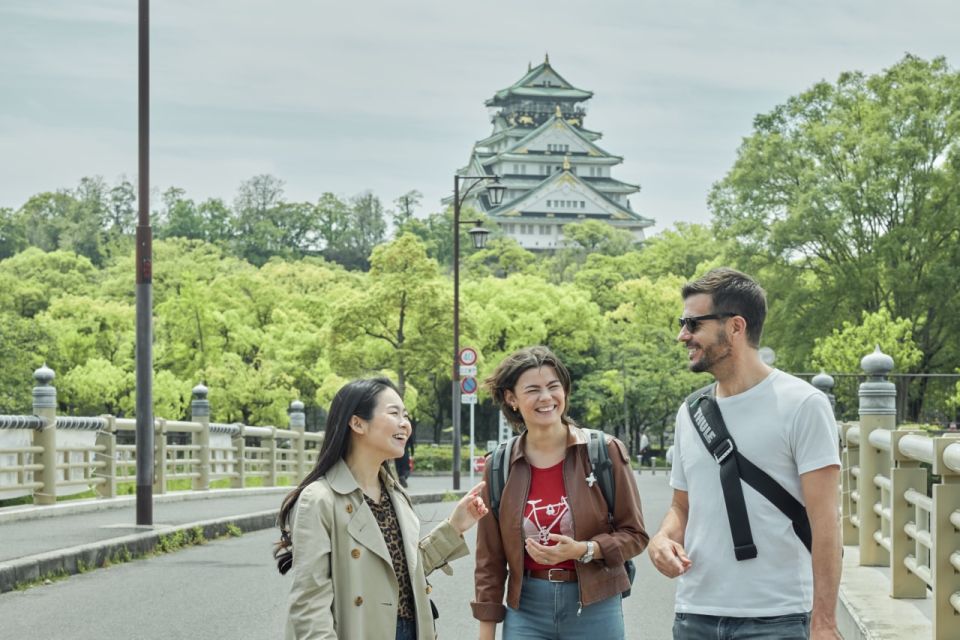
Next comes a tonal shift, and it’s one of the most fun parts of the day. Hozenji Yokocho is a stone-paved lane lined with long-standing bars and restaurants. It keeps that old Osaka feeling, even while the rest of the city keeps speeding forward.
This is the kind of place where you’ll understand Osaka’s contradictions: huge neon districts nearby, but then a narrow lane that feels like it’s stuck in a different era. You’ll be looking at lantern-style ambiance and traditional street energy, not just passing through.
Practical tip: this is a great stop for photos, but you’ll want to pace yourself. Lanes like this can get tight as people come and go. If you’re heat-sensitive, this is also where a flexible guide really helps—some guides are known for adjusting so you don’t bake while you’re trying to enjoy the vibe.
Sennichimae Kitchenware Street and Soemon-cho’s long memory
After Hozenji Yokocho, the tour leans into a very Osaka type of obsession: everyday tools and specialty streets. Sennichimae Kitchenware Street is dedicated to kitchen utensils and food supplies, which sounds niche until you realize it’s part of the city’s identity. This is where you get a sense of how Osaka thinks—practical, food-first, and serious about craft.
Then there’s Soemon-cho, an entertainment district with more than 400 years of history. It’s not just “there are bars.” You’re learning how that nightlife zone became what it is, and how it fits into Osaka’s broader culture.
The value of these stops is that they’re not just landmarks. They explain Osaka’s patterns: food, commerce, and neighborhoods that keep reinventing themselves without fully abandoning their roots.
Den Den Town for pop culture and tech fans
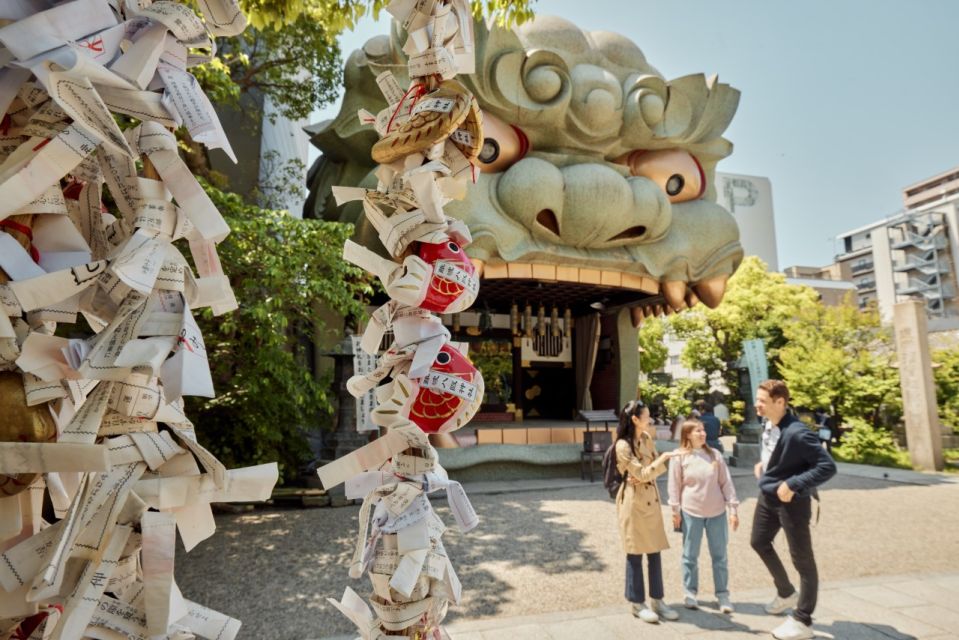
If you like cameras, computers, games, or anime, you’ll probably light up at Den-Den Town. This is the Osaka place for pop culture gear—electronics, collectibles, and shops built for people who want to browse longer than they planned.
On a walking tour, this works well because you can step in and out of stores quickly without losing the thread of what you’re seeing. The guide’s role here is less about “history facts” and more about context: what you’re looking at, what the shops focus on, and where it makes sense to spend your time.
If your interests skew toward food and nightlife only, you can still enjoy Den-Den Town—just treat it as a change of pace rather than a mandatory time sink.
You can also read our reviews of more private tours in Osaka

Dotonbori and Ebisuchicho: neon signs and big Osaka energy
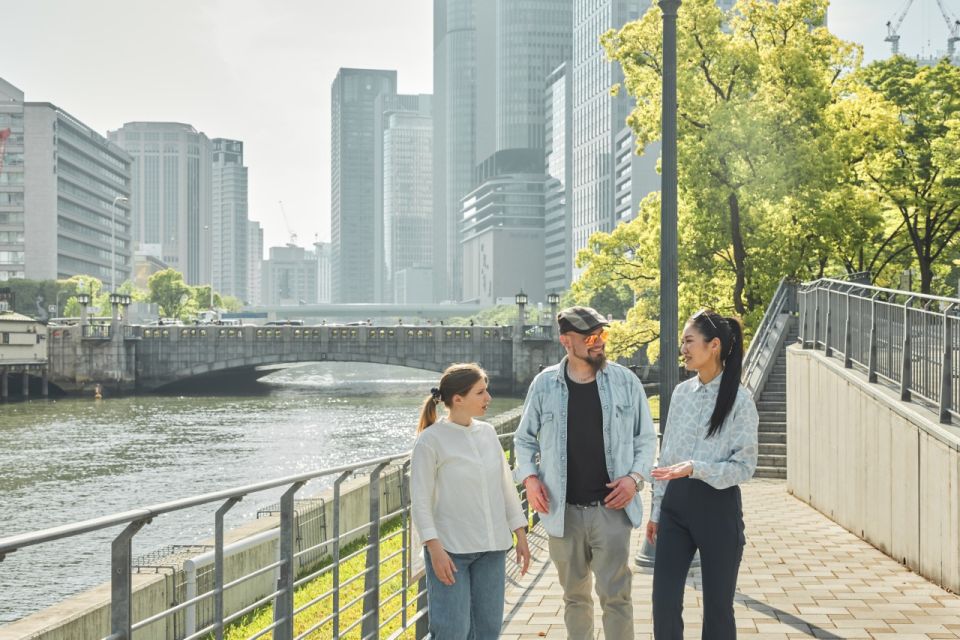
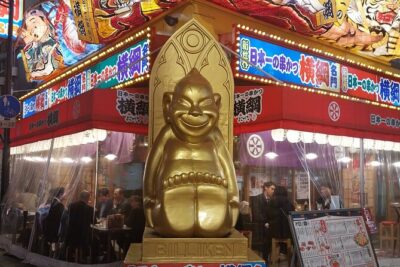
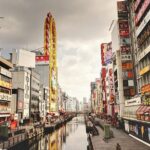
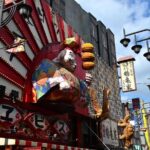
Then you get the classic Osaka blast: Dotonbori. Expect colossal food signs and flashing lights that pull your attention in every direction. It’s one of those areas where the city feels like it’s performing for you.
A must-see landmark here is the Glico Running Man above Ebisubashi Bridge. It’s the kind of sight you’ll recognize instantly from photos, and seeing it in person helps you understand why this area is such a magnet.
Why a guide helps: Dotonbori can feel overwhelming if you don’t know where to look first. A guide helps you take it in efficiently, then walk with purpose toward the next neighborhood instead of getting stuck drifting.
Shinsaibashi and America-mura: retro shopping with attitude
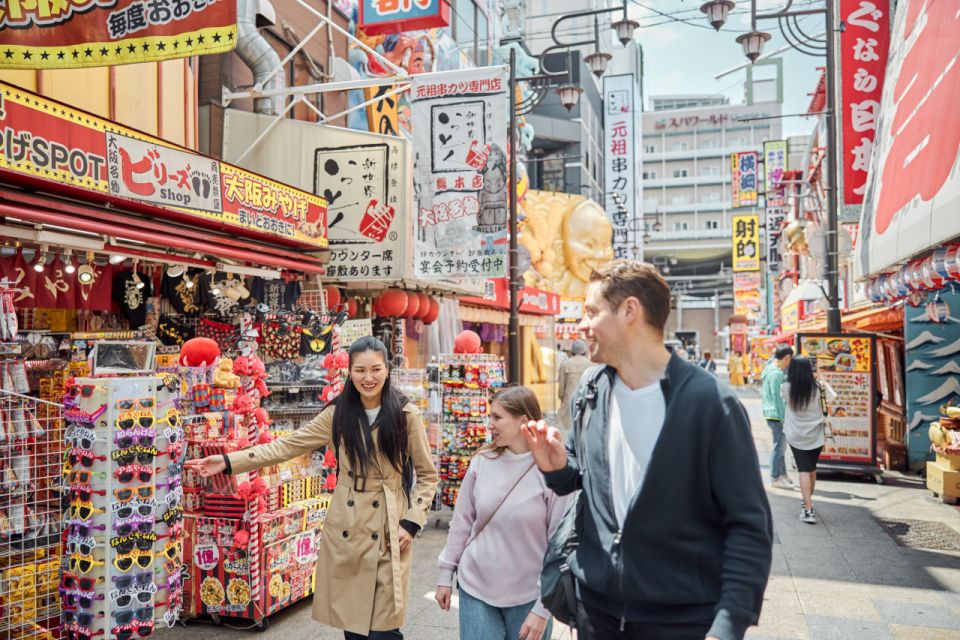
After Dotonbori, you’ll walk toward Shinsaibashi and then America-mura, a creative, youth-oriented area known for retro stores and independent galleries. This is where you trade neon spectacle for more of a style-hunt. You’ll find cool cafés, boutique shopping, and a different street vibe than the canal-side chaos.
This segment is a good example of how your guide match matters. If you like to browse slowly, you’ll probably get more time in the shopping lanes. If you’re more practical, your guide can help you find the right streets for your interests without turning it into an all-day shopping marathon.
What’s included, and what you’ll handle yourself
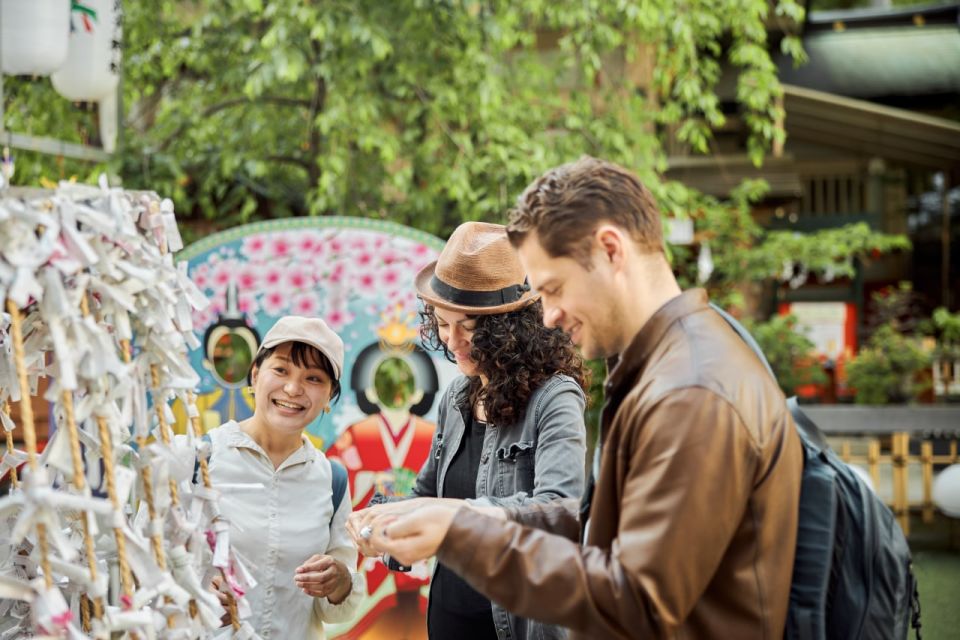
Here’s the clean breakdown:
Included:
- Tour guide
- Hotel meet-up from a central location (available on request)
- Recommendations for the rest of your stay
Not included:
- Food and drinks
- Entrance into ticketed attractions
- Transportation
That last line matters. Since transport isn’t included, you should be ready to pay for trains/subways between districts. Also, because food isn’t included, think of Kuromon Market as a “choose what you want” stop, not a prepaid meal.
If you’re planning around ticketed attractions, ask your guide how your interests map onto what’s possible on a walking route. Your itinerary is personalized, and the stops can change based on what you want.
Price and value: what $67 buys in Osaka
At $67 per person, this tour sits in the “serious value if you care about guidance” category. Why? Because Osaka’s best moments aren’t just big sights. They’re the connections between districts: where to go for street culture, where food areas make sense for walking, and how neighborhoods relate to each other.
You’re paying for:
- a matched guide (so your interests drive the route),
- a private format (so pacing and stops fit you),
- and planning that adapts to your booked hours.
If you’re the type who likes wandering with a map, you might feel you could DIY Dotonbori and Kuromon. But if you want context—why Shinsekai fits Osaka’s local tastes, how bargaining works as a social art form, why fishermen items show up as delicacies—then paying for a guide often feels like buying back your time.
Guides that set the tone: pacing, patience, and photo time
The most praised part of this experience is consistent: the guides. People specifically call out how knowledgeable the guide is, how patient they are, and how much the guide adjusts to the group.
For example, Maria is noted for being patient, letting people take photos without rushing, and making sure the group stayed comfortable in the heat. Boris is highlighted for being excellent and knowledgeable. Antoine is described as easy-going and flexible, with neighborhood introductions that made the city feel more understandable. Kieran stands out for good information and advice, and an enjoyable vibe.
That matters because private tours succeed or flop on human factors: pace, clarity, and how well your guide reads the room. The names above signal that this operator tends to hire guides who can handle both questions and the practical rhythm of walking.
Who should book this Osaka private walking tour
You’ll enjoy this most if:
- you want a private guide to connect neighborhoods for you,
- you’re excited by food areas like Kuromon Market,
- you like mixing major sights with personality-driven local spots,
- you enjoy shopping streets and pop culture lanes (Den-Den Town, America-mura),
- and you want tips for the rest of your trip.
You might skip it if:
- you’re only interested in ticketed attractions and museums (since entrances aren’t included),
- you hate walking for a few hours and want minimal transit,
- or you want a very strict historical-only route. In that case, message your preferences before you go so the guide plans accordingly.
Should you book this Osaka private walking tour?
Yes, if you want Osaka to feel guided and intentional instead of chaotic. It’s especially worth it when you’re short on time, because the route is built to hit major districts like Dotonbori and Kuromon, while still adding streets that feel more local, like Hozenji Yokocho and the specialty shopping lanes.
If you book, send clear notes about what you care about—food, history, shopping, anime/tech, or nightlife. Then pick your hour range based on your stamina. For most people, the sweet spot is enough time to see the big sights without turning the day into a nonstop sprint.