REVIEW · OSAKA
Osaka: Half-day Ultimate Highlights Guided Walking Tour
Book on GetYourGuide →Operated by Hungry Osaka Tours · Bookable on GetYourGuide
Neon, seafood, and samurai-era stone all in one walk. I love the bilingual expat guide who makes Osaka’s stories click in real life, and I love the Kuromon Ichiba Market stop where food culture feels immediate. One thing to plan for: this route shows you Osaka Castle from the grounds, but group tours don’t include entry into the castle itself.
This is a mainly-on-foot half-day across Namba, Dotonbori, Hozenji Yokocho, and Shinsekai, with only two short subway/train rides. The pace is built for limited time: enough walking to connect the neighborhoods, with breaks so you don’t feel cooked.
You’ll also need WhatsApp to receive tour info and updates, and the tour runs rain or shine. Guides are English-speaking, and names that have come up include Scott, Tim, Andy, and Anna—so you’re not just getting a script, you’re getting someone who can explain the why behind the streets.
In This Review
- Key highlights that make this Osaka route worth it
- Why this half-day route works when your Osaka time is tight
- Meeting at JR Osakajokoen and moving with short subway hops
- Osaka Castle grounds: the samurai-era backdrop without the castle ticket stress
- Namba, Shinsaibashi-suji, and Ebisu Bridge: shopping history meets local meeting points
- Lunch and street food time: what’s included and how to use it
- Dotonbori neon + Hozenji Yokocho’s quiet lantern alley pause
- Kuromon Ichiba Market: Osaka’s Kitchen and what to expect on the ground
- Shinsekai and Tsutenkaku: the retro Osaka “new world” feeling
- Pace, group size, and how guides keep the day from burning you out
- Price and value check: $61 with lunch included, trains extra
- Who this Osaka Highlights tour fits best
- Should you book this Osaka Castle to Shinsekai walking tour?
- FAQ
- Where is the meeting point for the tour?
- How long is the Osaka highlights walking tour?
- How much does the tour cost?
- What’s included in the price?
- Are train fares included?
- Is entry to Osaka Castle included?
- What should I bring, and what’s not allowed?
- Does the tour run in bad weather?
- Is WhatsApp required?
Key highlights that make this Osaka route worth it
- Osaka Castle grounds on a guided walk (no long line pressure for group entry)
- Namba + Shinsaibashi-suji: a covered shopping street tied to centuries of retail culture
- Ebisu Bridge and the Glico Man photo stop right in the heart of Osaka
- Dotonbori canal neon plus street-food energy in a compact stretch
- Hozenji Yokocho: a narrow lantern alley that cools your head after the main crowds
- Kuromon Ichiba Market + Osaka’s Kitchen vibe with a long-standing food reputation
Why this half-day route works when your Osaka time is tight
Osaka can feel like three different cities in one day: samurai-era landmarks, shopping streets and alleys, and then that neon-at-night feeling along the canals. This tour stitches those pieces together in a logical loop, so you’re not just collecting photos—you’re understanding how each area earns its reputation.
The value here is in the mix. You get a proper historical anchor at Osaka Castle grounds, then you pivot fast into modern Osaka with Dotonbori and the markets. If you’re doing Osaka as a side trip from Kyoto or you only have one afternoon to spare, this kind of routing saves you guesswork.
One more practical win: most days include a good amount of walking in Osaka anyway. By bundling it with a guide, you’re spending your energy moving through neighborhoods rather than standing around figuring out where to go next.
You can also read our reviews of more walking tours in Osaka


Meeting at JR Osakajokoen and moving with short subway hops
You start at JR Osakajokoen Station (JR Osaka Loop Line). Meet in front of the 7-11 kiosk inside the station building, just outside the ticket gates, and arrive about 15 minutes early.
Hotel pickup is only for private tours. For group tours, you meet at the station. Either way, the tour uses public transportation at times—two short train/subway rides in particular—so you’ll get comfortable with the basics while still spending most of your time on foot.
Bring comfortable shoes. Also note the tour doesn’t allow luggage or large bags. Osaka is easy to walk, but it’s not fun if you’re hauling something heavy all day.
Finally, plan for weather. The tour takes place rain or shine, and filming of the tour is not permitted. That means you’ll want a day bag for a light rain layer, water, and maybe a small umbrella.
Osaka Castle grounds: the samurai-era backdrop without the castle ticket stress
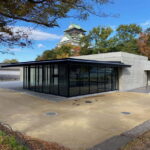
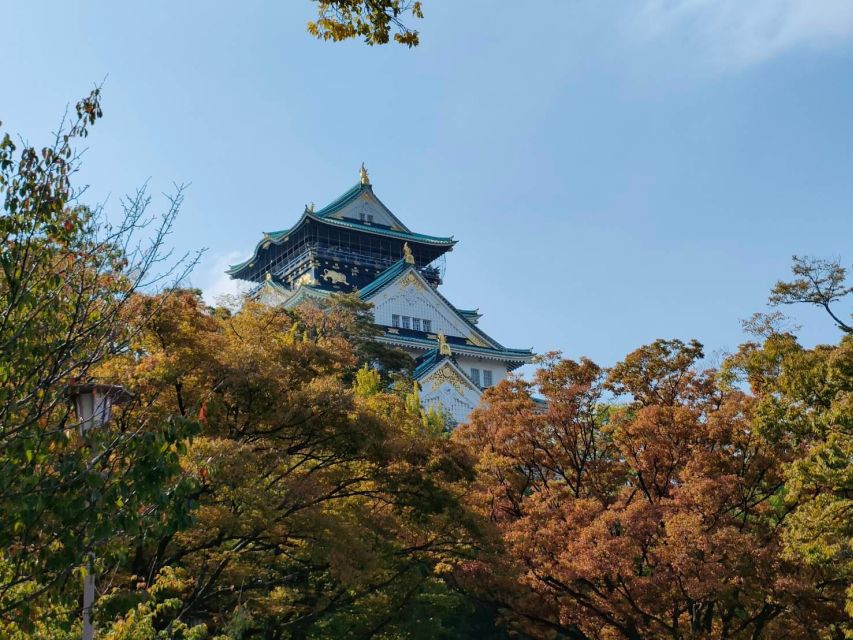
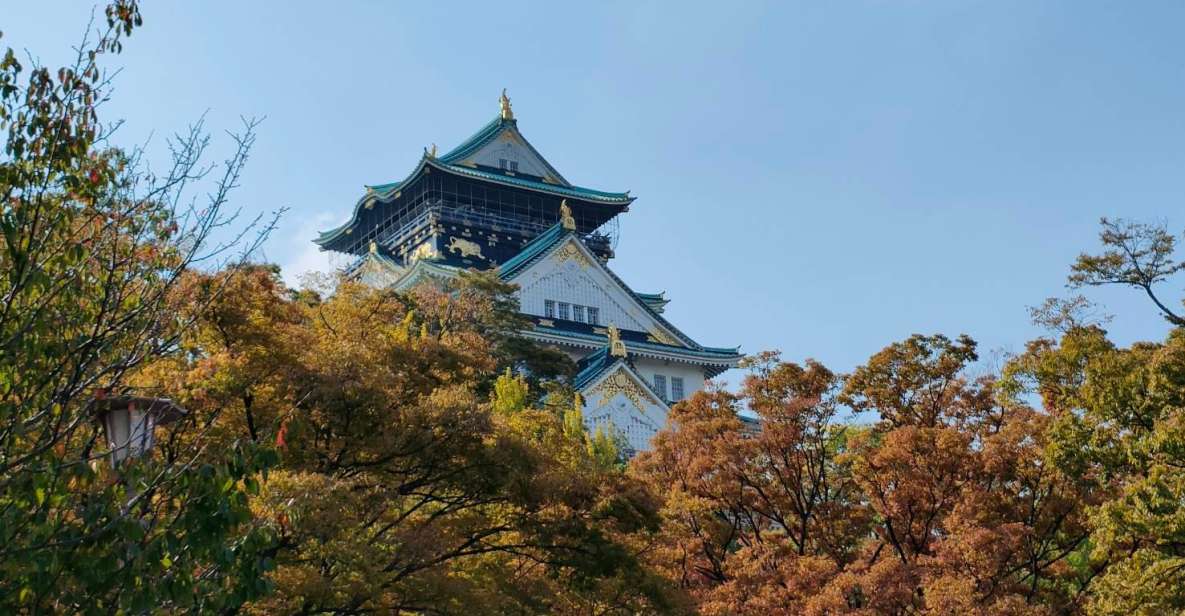
You’ll begin with a guided walk around Osaka Castle and its grounds for about 75 minutes. Even without entering the castle on group tours, the location matters because this was tied to major events during Japan’s unification period in the sixteenth century.
Walking the grounds gives you context before the city turns neon. It’s a useful reset: you’ll start the day with stone, scale, and history, then the tour moves you toward shopping, street food, and Osaka’s louder modern identity.
The big consideration is simple: you won’t go inside the castle on group tours. If you specifically want museum-level time or interior exhibits, you’ll likely need another ticketed visit on a different day. But if your goal is to understand why Osaka Castle is symbolic—and then keep moving—this setup works.
Namba, Shinsaibashi-suji, and Ebisu Bridge: shopping history meets local meeting points
From the castle area, you head toward Namba. Expect about 1 hour of guided sightseeing and walking in this zone. Namba is where people actually go to shop, snack, and meet up, and your guide helps connect the dots so it doesn’t feel random.
One highlight built into this segment is Shinsaibashi-suji—a covered shopping street known as Osaka’s major shopping area for roughly 400 years. It’s about 600 meters long, which is just the right length for a guided stroll: long enough to feel like a real street, short enough that you don’t lose the plot.
Then you’ll move through Ebisu Bridge, which is known as a local meeting spot beside the Glico Man sign. This area is famous for quick photos, sure, but the better value is what your guide explains: why these landmarks became gathering points and how Osaka’s street culture formed around them.
And yes, there’s time for food. You’ll get a 30-minute lunch break at Namba as part of the included meal.
Lunch and street food time: what’s included and how to use it
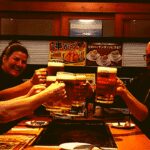
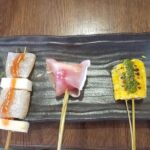
Lunch is included and described as Osaka-style street food with a drink at a local restaurant. In past tours, popular choices have included takoyaki (octopus balls) and okonomiyaki (cabbage pancake with pork), so you should expect flavors that match what Osaka is known for.
The practical move is to treat lunch as part of the tour’s rhythm. You’ll be walking afterward, including markets and more neighborhoods, so you want something filling but not so heavy you feel stuck.
If you have strict dietary needs: the info states vegan and gluten-free diets are not included. That doesn’t mean you can’t eat in Osaka, but it does mean you shouldn’t count on the lunch plan meeting those requirements automatically.
You can also read our reviews of more guided tours in Osaka



Dotonbori neon + Hozenji Yokocho’s quiet lantern alley pause
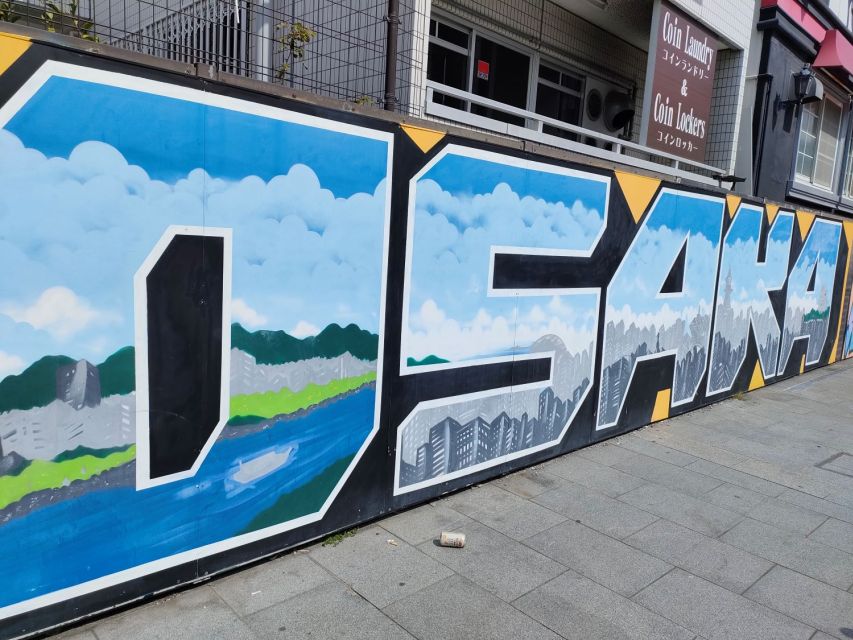
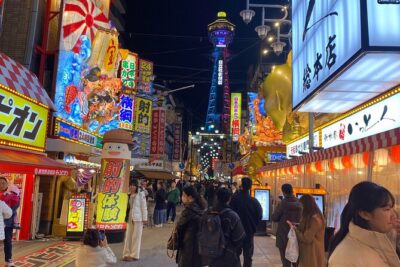
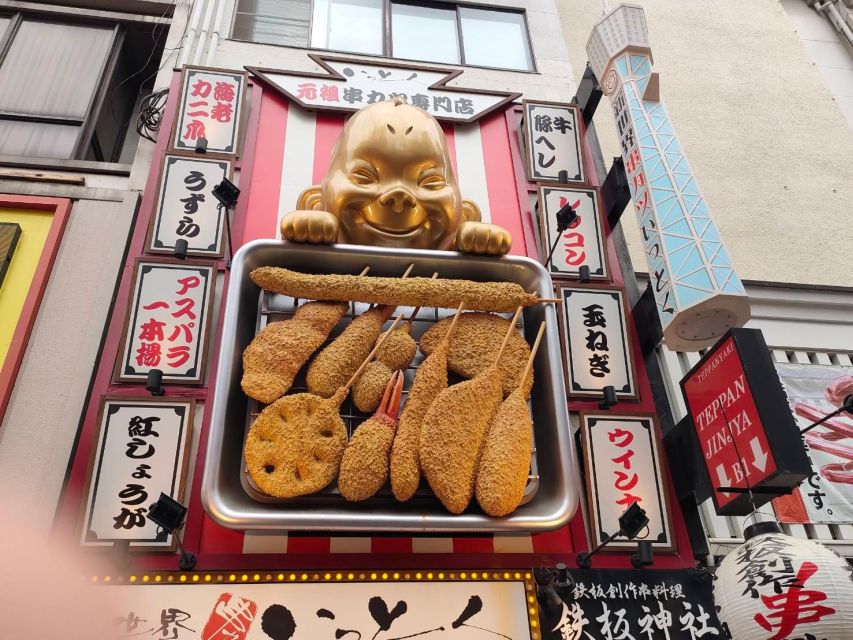
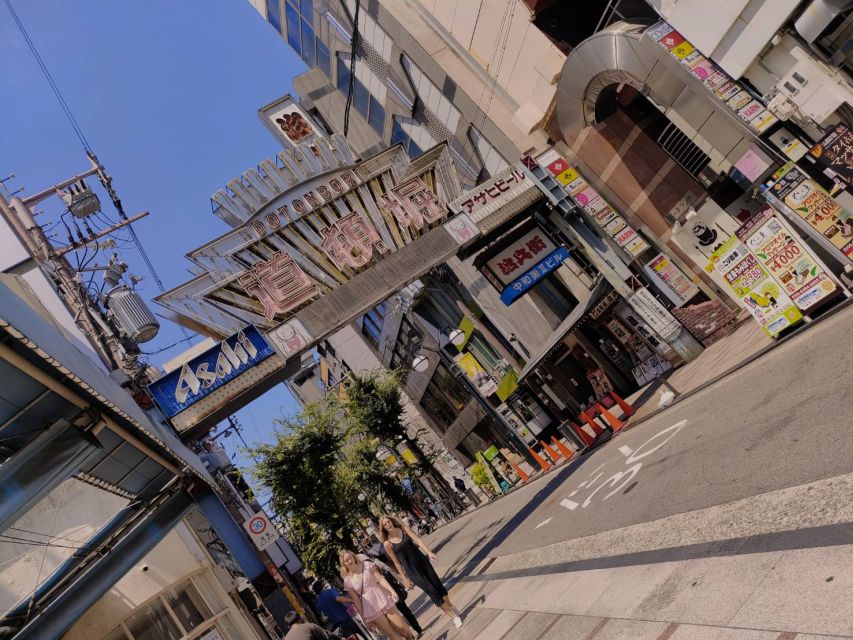
After Namba, you’ll shift into Dotonbori, typically around 30 minutes of guided walking along the canal area. This is the neon heart of Osaka for a reason: big signs, bright storefronts, and that constant buzz of people grabbing snacks and walking toward the next photo spot.
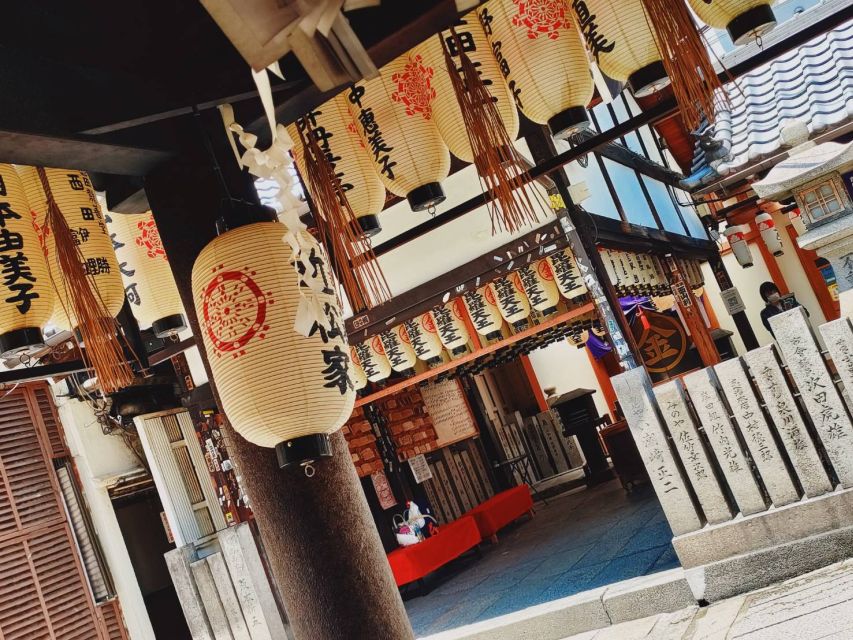
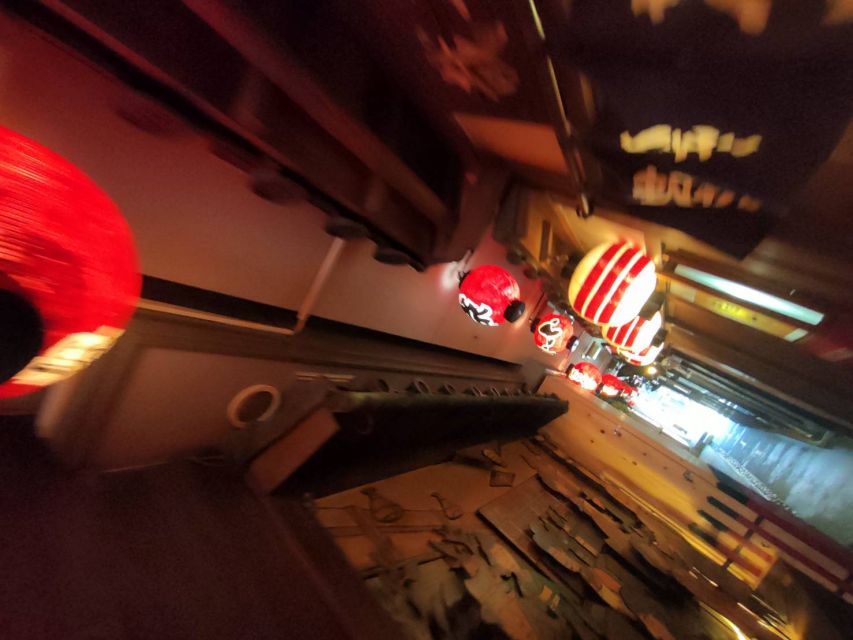
But the tour doesn’t stop at the loud part. After Dotonbori, you’ll visit Hozenji Yokocho, a narrow alley with traditional lanterns and cobblestone paths. It lasts about 20 minutes, and it’s designed as a breather—an older-feeling pocket that contrasts with the surrounding modern energy.
You’ll also visit Hozenji, a small Buddhist temple built in the seventeenth century, located just off the alley. That timing is smart. You get the canal spectacle first, then the tour gives you a calmer interlude before you move into the market and the next wave of food culture.
This is one of the most satisfying transitions in the whole route. If you’ve been in Japan long enough to recognize how quickly crowds can blur together, you’ll appreciate the chance to slow down.
Kuromon Ichiba Market: Osaka’s Kitchen and what to expect on the ground

Next is Kuromon Ichiba Market, about 30 minutes of guided time. It’s often called the heart of Osaka’s kitchen, and it has a reputation that goes back over 200 years.
What you’ll actually see is exactly why it earns that nickname: stalls focused on fresh seafood, plus meat and produce. It’s not an empty museum space. It’s a working food market, and the guide’s job is to help you navigate without feeling lost.
If you’re a food-first traveler, this is where the tour starts paying back in tastings, smells, and real-life choices. In examples from past tours, people have gotten sashimi based on the guide’s recommendations, and you can expect the kind of sampling culture that makes this stop more than just browsing.
The tour’s time at Kuromon is limited, so your best strategy is to decide quickly what you’re craving. Ask the guide what’s most worth trying today, then follow their suggestion for the stall choice. That’s one of the biggest reasons food markets work better with a guide than on your own.
Shinsekai and Tsutenkaku: the retro Osaka “new world” feeling
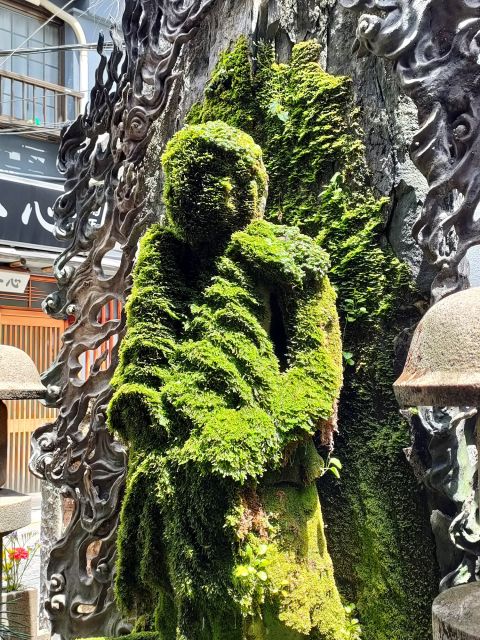
To close the route, you head to Shinsekai for about 20 minutes. Shinsekai is described as a retro district developed before World War II, and Tsutenkaku Tower is its nostalgia-evoking symbol.
This is one of the best sections for understanding Osaka’s older identity. The area’s vibe is less about shopping convenience and more about atmosphere—retro lights, classic street energy, and that sense of a district built around local character.
You’ll likely feel the difference immediately after the market and street-food intensity. Shinsekai doesn’t try to compete with Dotonbori’s neon volume. Instead, it gives you a quieter kind of nostalgia: simpler sights, older architecture cues, and a mood that feels distinct from the rest of the day.
The tour finishes at Dobutsuen-Mae Station, which also makes sense for transportation afterward.
Pace, group size, and how guides keep the day from burning you out
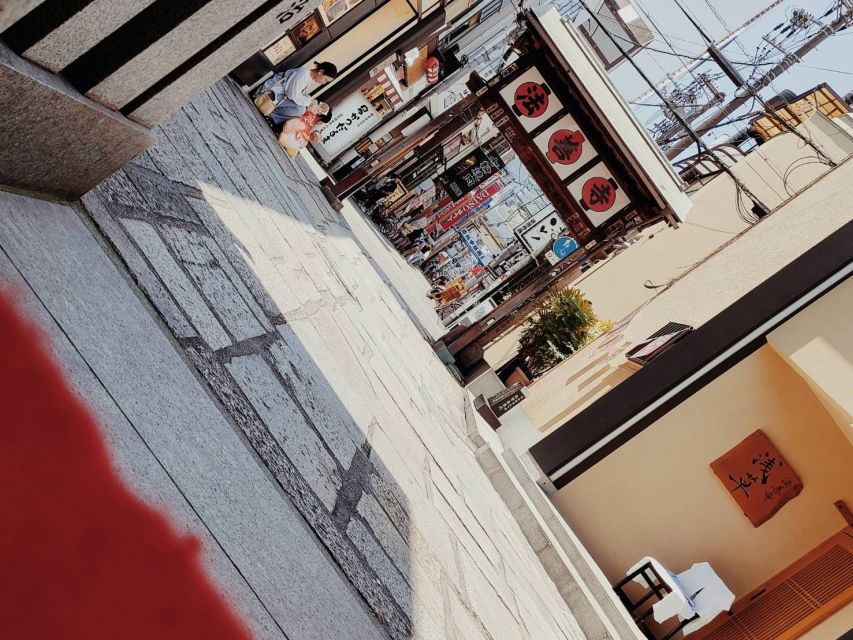
Even though this is a highlights tour, it still includes a lot of walking. The typical duration is 5–7 hours, and many people say a roughly five-hour run feels like a sweet spot between seeing a ton and not getting exhausted.
Small or private groups are offered, and the tour is designed to feel personal enough that you can ask questions along the way. That matters in Osaka because the city’s street logic can be hard to predict if you’re moving alone.
Guides have also been described as effective with crowd movement—keeping people on the correct side of sidewalks and managing group flow—so you don’t just wander into the densest moments. You may also find the guide makes practical adjustments like finding water breaks or key rest areas, which is especially helpful in cold months when people forget to stay hydrated.
Bottom line: the route isn’t just a list of places. It’s a controlled walking day with guidance that keeps you from getting stuck in the wrong spot at the wrong time.
Price and value check: $61 with lunch included, trains extra
The price is $61 per person for a 5–7 hour guided walking experience. That’s not cheap like a museum ticket, but it does include two major things that raise the value:
1) A guide throughout with history and quirky facts
2) Lunch with Osaka-style street food and a drink
What’s not included is also clearly stated. You’ll pay for train fares separately (listed as ¥240 and ¥190), and there are no tickets included for attractions. Also, as mentioned earlier, entrance into Osaka Castle is not included on group tours.
So the real “all-in” cost is basically: the tour price + the subway/train rides + whatever you decide to do beyond the planned sights. If you’re the kind of traveler who would otherwise bounce around on your own and waste time figuring out route order, this tour often pays for itself in time saved.
It’s also a good match if you want a guided food day without booking separate market tours. You get the market atmosphere, then you get lunch already handled.
Who this Osaka Highlights tour fits best
This tour is a strong fit if you:
- Have limited time and want a connected route rather than scattered stops
- Enjoy history, but also want the city’s present-day street life
- Want food experiences built into the itinerary (including lunch and a market stop)
- Like walking with a guide who can explain what you’re seeing in plain terms
It’s not a good fit if you:
- Have mobility impairments (the tour is mainly on foot)
- Are pregnant (it’s listed as not suitable)
- Plan to bring large luggage (it’s not allowed)
Should you book this Osaka Castle to Shinsekai walking tour?
If your goal is to get oriented fast and hit the key Osaka icons—Osaka Castle grounds, Dotonbori neon, Kuromon market, Hozenji Yokocho, and Shinsekai—this tour is a smart use of one afternoon. You’re paying for guidance, route planning, and lunch, and you’re getting enough variety to understand why Osaka feels different from Kyoto and Tokyo.
I’d book it if you want a guided day that balances big sights with quiet corners (Hozenji Yokocho is a standout contrast). I wouldn’t book it as your only castle plan if you specifically need to go inside the castle, since group tours don’t include entry.
FAQ
Where is the meeting point for the tour?
Meet at JR Osakajokoen Station (JR Osaka Loop Line) in front of the 7-11 kiosk inside the station building, just outside the ticket gates. Arrive about 15 minutes early.
How long is the Osaka highlights walking tour?
The duration is listed as 5 to 7 hours.
How much does the tour cost?
The price is $61 per person.
What’s included in the price?
A local English-speaking guide accompanies you throughout, and lunch is included with Osaka-style street food and a drink. The tour also includes quirky facts, history, and a good laugh along the way.
Are train fares included?
No. Train fares are not included (listed as ¥240 and ¥190).
Is entry to Osaka Castle included?
For group tours, entrance into Osaka Castle is not included. The tour covers walking through the grounds.
What should I bring, and what’s not allowed?
Bring comfortable shoes. Luggage or large bags are not allowed.
Does the tour run in bad weather?
Yes, it takes place rain or shine.
Is WhatsApp required?
Yes. WhatsApp is mandatory for receiving tour info and updates. Please install the app.